Scammers have found their most effective mask yet, and it belongs to the world's most-subscribed YouTuber. MrBeast impersonation giveaway scams have exploded in 2026, with security researchers, law enforcement, and victims across North America all sounding the alarm about an increasingly sophisticated fraud operation that is stealing thousands of dollars from fans who believe they are one click away from a life-changing prize. The scale is alarming, the tactics are evolving fast, and the financial damage is very real.
Key Facts
- Malwarebytes identified MrBeast (Jimmy Donaldson) as the single most-impersonated public figure in scam campaigns tracked through September 2026.
- A woman in Guelph, Ontario lost approximately $14,000 after clicking on a fake MrBeast cryptocurrency ad and transferring funds, according to CBC News and local police reports.
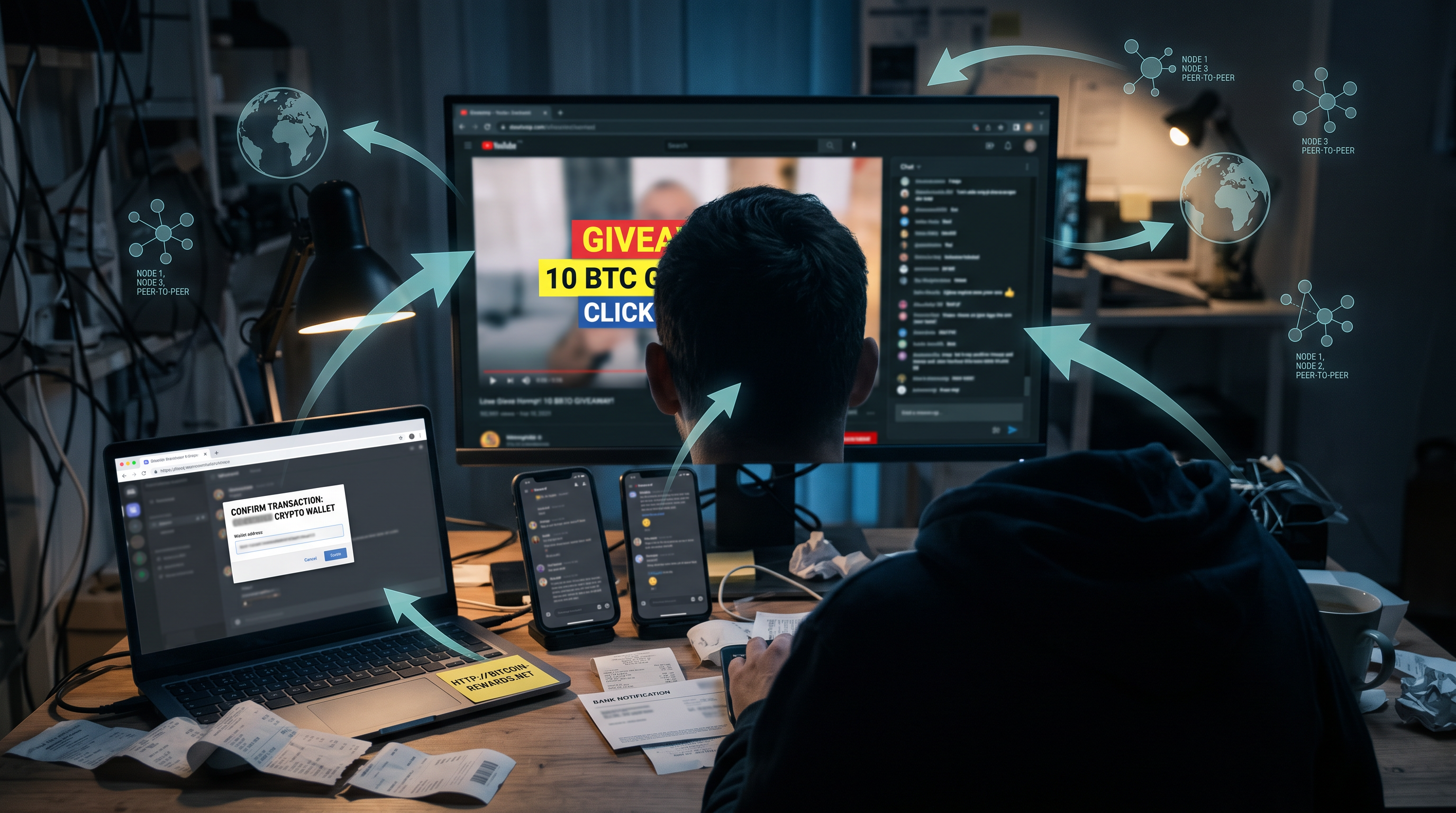
- Scammers use fake YouTube livestreams, cloned social media accounts, compromised Discord servers, and paid platform ads to promote fraudulent giveaways.
- Common payment methods demanded include cryptocurrency transfers, gift cards, and peer-to-peer payment apps, all of which are extremely difficult or impossible to reverse.
- Losses per victim range from hundreds to tens of thousands of dollars, as recorded by Malwarebytes and Cryptopolitan.
Why MrBeast Impersonation Giveaway Scams Are So Effective
Jimmy Donaldson, known online as MrBeast, has built a global brand on extreme generosity. He gives away cars, houses, and millions of dollars on camera. That reputation is precisely what scammers are weaponizing. When a viewer sees what looks like a MrBeast stream offering $10,000 to the next 100 participants, the premise feels plausible. That credibility is the scammer's most powerful tool.
According to Malwarebytes (September 2026), fraudsters target platforms where viewers already trust the content. Fake MrBeast streams run on compromised YouTube channels with large subscriber counts, making the content appear instantly legitimate.
How the Fraud Operation Works
- Account takeover or cloning: Fraudsters compromise an existing YouTube channel or create a convincing clone, copying MrBeast's assets.
- Fake livestream launch: Looping or AI-generated video broadcasts as a live event, with bots inflating viewer counts and chat activity.
- Phishing redirect: Victims follow a link to a website mimicking an official giveaway portal and face a countdown timer for urgency.
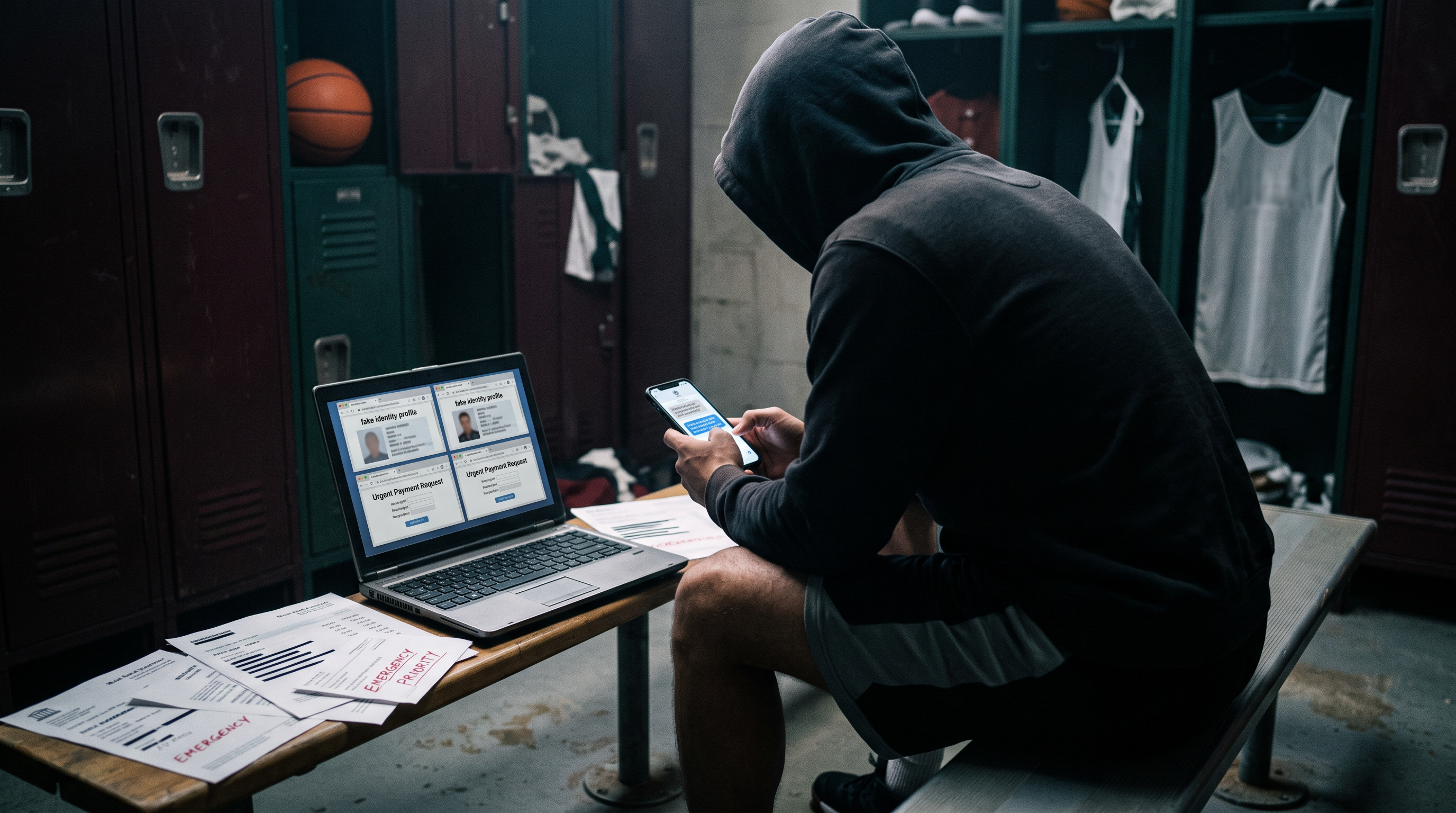
- Fee demand: The victim is told to pay a processing or verification fee—usually in cryptocurrency—to unlock their prize.
- Amplification: Hacked Discord servers and social media accounts spread the fraudulent stream link to fan communities.
Real Victims, Real Losses: The Guelph Case
In Guelph, Ontario, a woman lost about $14,000 to a fake MrBeast crypto giveaway, per CBC News and Cryptopolitan. She followed the scammers' instructions, transferred cryptocurrency, and never received a prize. Victims often feel embarrassed and reluctant to report, so actual losses are likely higher than reported.
These celebrity scams follow known tactics. See our articles on the Taylor Swift deepfake giveaway scam and Antonio Banderas scam for comparable methods.
Platform Gaps Fraudsters Exploit
Ad vetting and live moderation on major platforms have failed to catch many impersonation campaigns before widespread victimization. Compromised Discord servers, in particular, can trick fans who trust the community's communication.
Young users and parents should be especially wary—MrBeast’s audience is often teenagers who may not recognize scam warning signs.
Red Flags for MrBeast Giveaway Scams
- Giveaways that require payment or fees to claim a prize.
- Slightly misspelled URLs or extra subdomains (mrbeast-giveaway.xyz, claims.mrbeastofficial.net, etc.).
- Payment requests in cryptocurrency, gift cards, or peer-to-peer apps.
- Artificial urgency ("limited spots left", countdown timers).
- Highly repetitive or bot-like chat on livestreams.
What To Do If You're Targeted
If you've encountered or lost money to a scam, take screenshots, save any wallet addresses or URLs, and report the fraud directly to the platform. File a complaint with the FTC and, if crypto was sent, notify the FBI Internet Crime Complaint Center (IC3). In Canada, contact the Canadian Anti-Fraud Centre. If any fiat money is involved, contact your bank immediately.
Learn more about crypto investment scams in our article on FinCEN’s crypto scams data.
Conclusion
MrBeast impersonation giveaway scams are not a niche threat. They are scalable, highly effective, and cause real financial harm. Platform moderation is limited, so individual awareness is crucial. If you're asked to pay to receive a prize—it's a scam. Always verify and report suspicious activity to protect yourself and others.