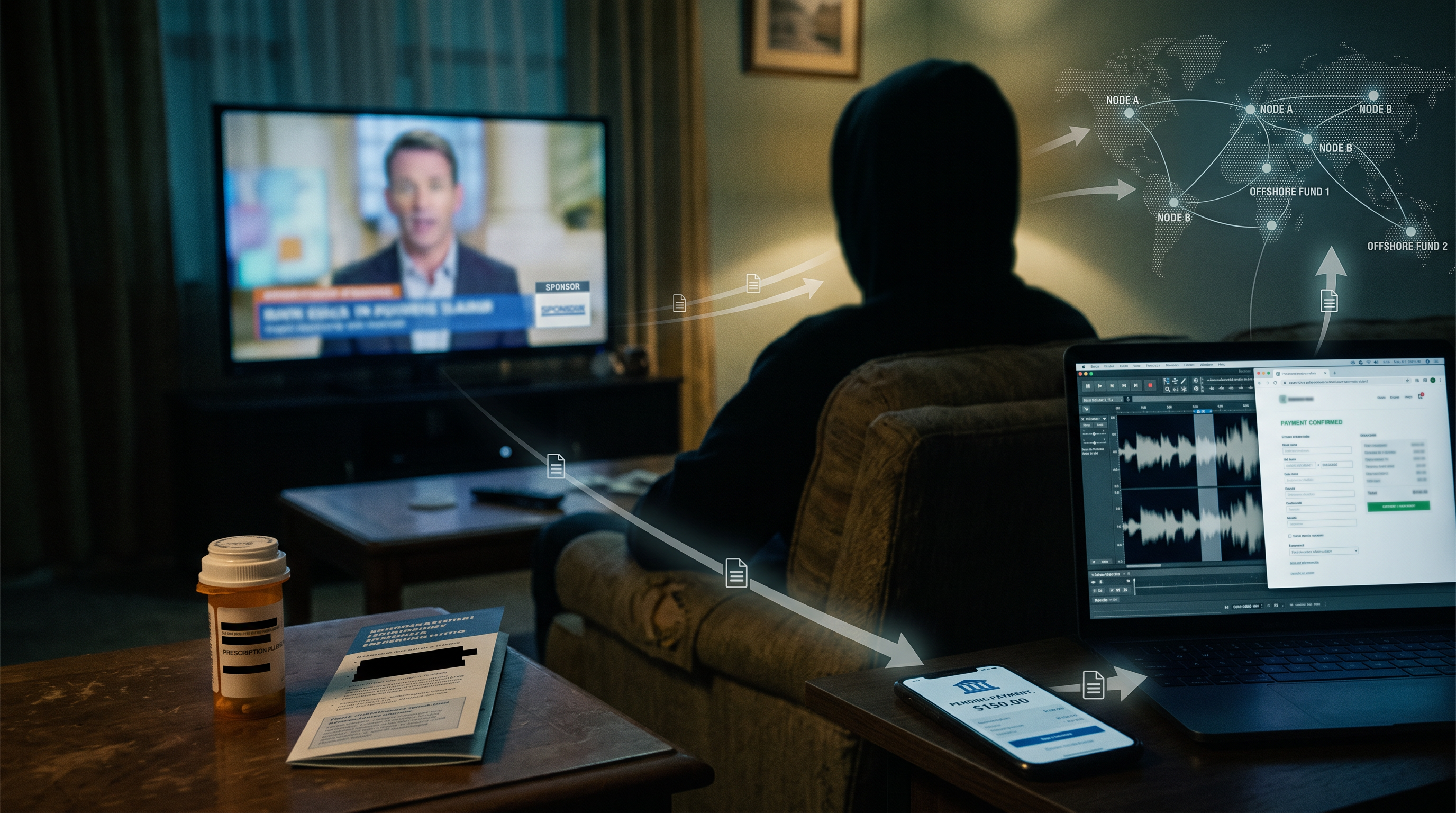
A manipulated AI-generated video falsely showing Spanish actor Antonio Banderas endorsing a so-called miracle prostate remedy has gone viral across social media platforms, sparking urgent warnings from fact-checkers in Spain and across Europe. According to investigators at Maldita.es, the clip recycled old interview footage, altered lip movements through AI lip-sync tools, and very likely cloned Banderas's voice to produce a convincing but entirely fabricated testimonial. The actor has no connection whatsoever to the product being promoted.
Key Facts
- A deepfake video falsely portraying Antonio Banderas endorsing a natural prostate drink circulated widely on Spanish social media in September 2026, according to Maldita.es.
- Fact-checkers confirmed the clip reused existing footage of the actor and applied AI-based voice cloning and lip-sync manipulation to fabricate the endorsement.
- Antonio Banderas has no affiliation with the product or any company behind it, according to reporting by La Vanguardia.
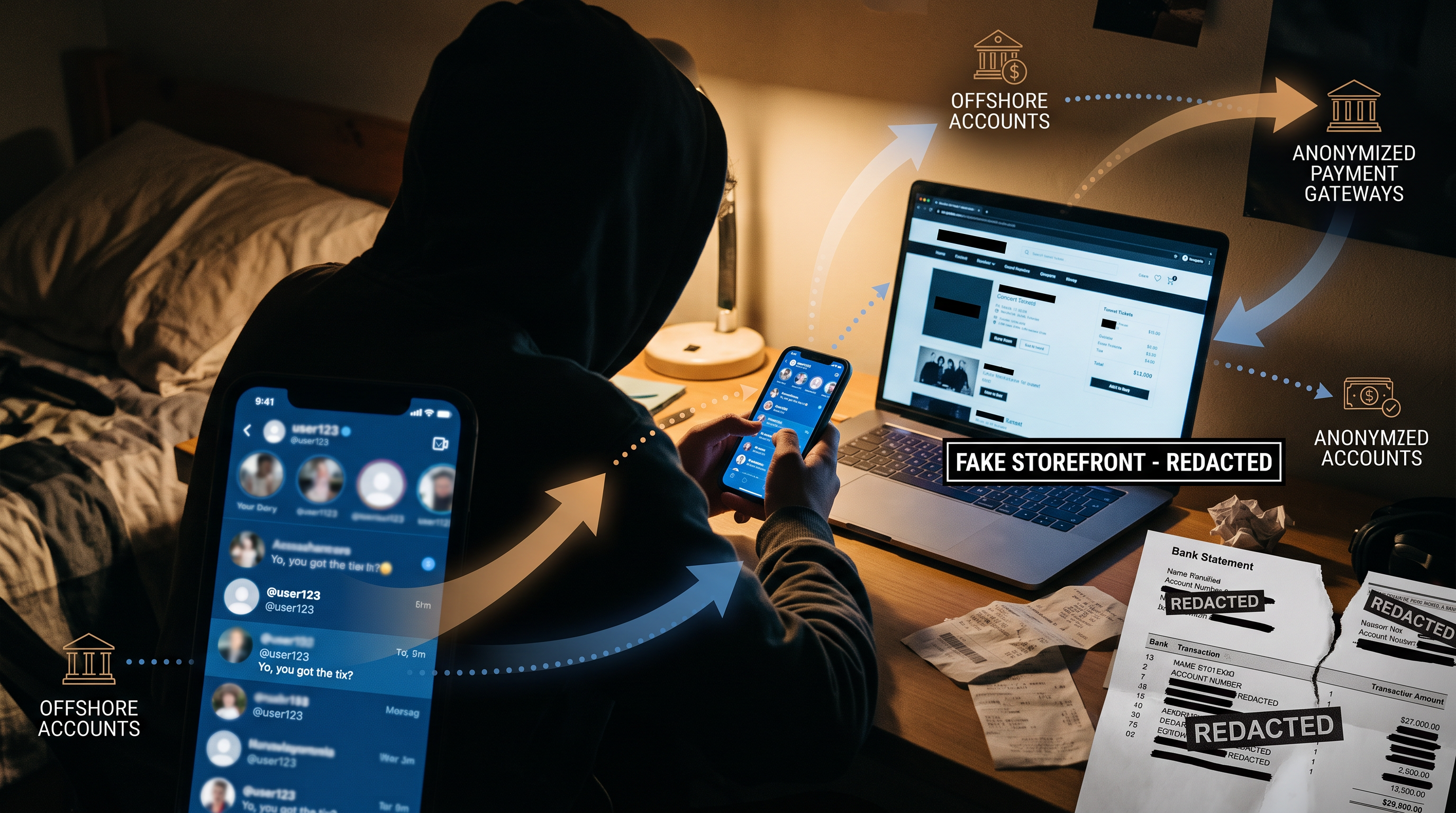
- Viewers who clicked through the video were directed to fake sales pages designed to harvest payment card details or lock users into recurring subscriptions.
- Euro Weekly News reported on 22 September 2026 that Spanish authorities and platform moderators had been alerted to the fraudulent campaign.
How the Antonio Banderas Deepfake Health Scam Works
The mechanics behind this fraud follow a well-documented playbook that scammers have refined over the past two years. Criminals source existing video of a celebrity, typically an old interview or red-carpet appearance, and feed it through AI editing software. The tools alter lip movements frame by frame and overlay a cloned voice that mimics the target's speech patterns closely enough to fool casual viewers.
The finished clip is then pushed through paid social media advertising and organic shares, giving it the appearance of a trending health story. Anyone who engages with the post is funnelled to a polished but fraudulent landing page. Those pages typically push one of three outcomes: a one-time card charge for a product that never arrives, a subscription that is nearly impossible to cancel, or a request for an irreversible payment method such as a wire transfer.
The health angle is deliberately chosen. People searching for prostate relief or bladder comfort are often older adults who associate familiar celebrity faces with credibility and trust. That emotional connection dramatically increases conversion rates for the fraudsters, according to cybersecurity analysts who have studied similar campaigns.
Why Celebrity Deepfake Scams Are Spreading Fast
The Antonio Banderas deepfake health scam is far from an isolated incident. Similar campaigns have targeted other high-profile names in recent months. Scammers have used the same voice-cloning and lip-sync techniques to impersonate celebrities ranging from financial commentators to sports stars, always with the same goal of borrowing a trusted face to sell something fraudulent.
This pattern mirrors the fake ad campaigns documented around British financial journalist Martin Lewis, whose likeness was used in deepfake investment ads that defrauded thousands of victims. In the United States, a similar wave of deepfake giveaway fraud hit Taylor Swift's fanbase, as covered in reporting on Taylor Swift deepfake giveaway scams. The common thread is the exploitation of platform ad systems that prioritise engagement over verification.
What makes health-focused deepfakes especially dangerous is the urgency they manufacture. A viewer who believes a celebrity has personally recovered from a condition they themselves suffer from is far more likely to act quickly and skip due diligence.
The Technology Behind AI-Powered Health Fraud
Modern deepfake tools are no longer confined to well-funded operations. Open-source face-swap and voice-cloning software has made it possible for relatively low-skill actors to produce convincing videos in a matter of hours. Frame-level artifacts and audio inconsistencies are often detectable by trained analysts, but they are invisible to most consumers watching a short clip on a phone screen.
Fact-checkers at Maldita.es noted specific signs in the Banderas video: unnatural mouth movement at certain consonants, slight mismatches between the ambient room audio and the cloned voice track, and lighting inconsistencies around the jawline common to AI compositing. Those technical markers are the kind of detail that expert reviewers flag, but that the average viewer scrolling through a social feed will almost certainly miss.
Platform Responsibility and Takedown Gaps
One of the core problems enabling this type of fraud is the lag between a video going viral and platforms acting on takedown requests. Paid advertising amplifies the content exponentially before any manual review can catch up. By the time a clip is removed, it may have already been reshared thousands of times through organic channels, making full suppression practically impossible.
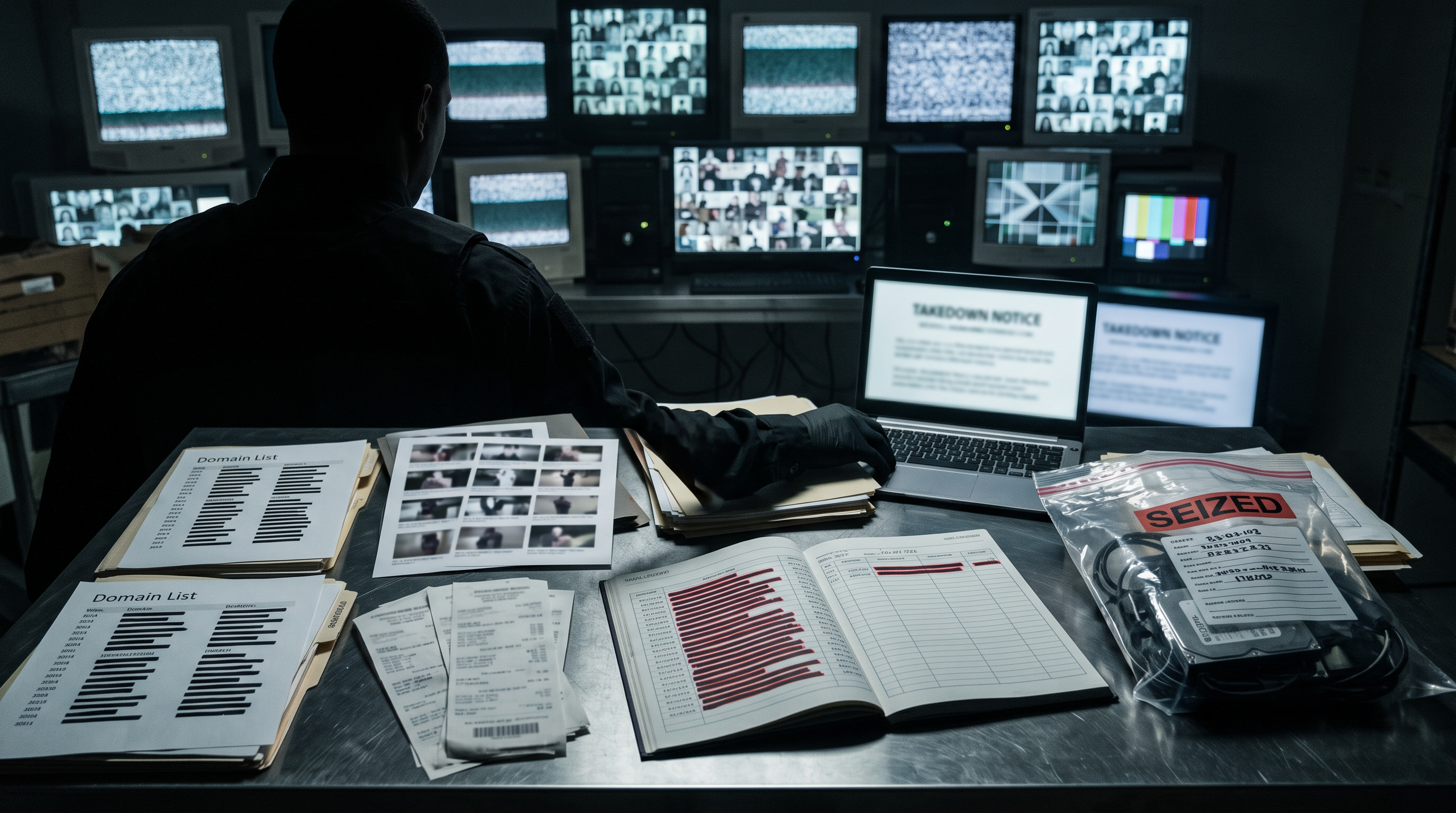
The Manhattan District Attorney's Office has taken aggressive action against deepfake infrastructure in the United States, as seen in the seizure of deepfake websites used in fraud schemes, but international coordination remains inconsistent. Spanish regulators and European consumer protection bodies have been notified of the Banderas campaign, according to Euro Weekly News, though no enforcement action had been publicly announced at the time of publication.
How to Spot a Celebrity Deepfake Health Ad
- Watch for unnatural blinking, stiff neck movement, or lip sync that slightly lags behind the audio.
- Check the celebrity's official website and verified social media accounts before believing any endorsement claim.
- Search the product name alongside words like scam, review, or complaint on independent fact-check sites.
- Be suspicious of any health product promoted exclusively through video ads rather than official retailer listings.
- Refuse to pay by wire transfer, gift card, or cryptocurrency, as these payment methods offer no fraud protection.
What to Do If You Have Already Paid
If you have already purchased a product through a link in a suspicious celebrity health ad, act immediately. Contact your bank or credit card issuer to dispute the charge and request a chargeback. Credit cards offer far stronger consumer protections than debit cards in these situations, so always prefer them for online purchases.
Screenshot every ad, email, and receipt you can find and report the incident to your national consumer protection authority. In the United States, you can file a report directly with the Federal Trade Commission at reportfraud.ftc.gov and with the FBI Internet Crime Complaint Center at ic3.gov. In Spain, reports can be directed to the Agencia Espanola de Proteccion de Datos and the Guardia Civil's cybercrime unit.
Also report the original video or ad to the platform where you saw it, providing the URL and any saved screenshots. Even if the content is already down, your report contributes to patterns that platforms use to identify repeat offenders and linked ad accounts.
Conclusion
The Antonio Banderas deepfake health scam is a sharp reminder of how quickly AI tools can be weaponised against consumers and against the celebrities whose reputations are stolen without consent. Health fraud is particularly harmful because it targets people at their most vulnerable, promising relief from real conditions through products that have never been tested or approved. Always verify celebrity endorsements through official channels, apply extra skepticism to any health claim promoted through video alone, and report suspicious ads the moment you spot them. Staying informed is the first and most powerful line of defense.
Frequently Asked Questions
What is the Antonio Banderas deepfake health scam?
The Antonio Banderas deepfake health scam is a fraudulent advertising campaign in which AI-manipulated video falsely depicts the Spanish actor endorsing a natural prostate remedy. Fact-checkers confirmed the clip reused old footage and applied voice cloning and lip-sync tools to fabricate the testimonial. Banderas has no connection to the product or the companies behind it.
How can I tell if a celebrity health endorsement video is a deepfake?
Look for unnatural lip sync, stiff jaw or neck movement, and slight audio inconsistencies between the voice and ambient sound. Always cross-check any celebrity endorsement against the person's official website and verified social channels before trusting a health claim. Independent fact-check sites such as Maldita.es or Snopes can also help confirm or debunk viral health claims quickly.
What should I do if I bought a product through a fake celebrity health ad?
Contact your bank or credit card provider immediately to dispute the charge and request a chargeback. Save screenshots of the ad, confirmation emails, and any receipts as evidence. Report the fraud to the FTC at reportfraud.ftc.gov and to the FBI IC3 at ic3.gov, and flag the original ad to the platform where you saw it.
Why do scammers use celebrity faces for health product fraud?
Celebrities carry built-in trust and recognition that dramatically increases the likelihood that a viewer will believe an endorsement and act on it. Health products add an extra layer of emotional urgency, particularly for older audiences seeking solutions to genuine medical concerns. Combining a trusted face with a compelling health story is one of the most effective conversion tactics in online fraud.
Are deepfake celebrity scams illegal?
Yes. Using a person's likeness without consent to sell a product is unlawful in most jurisdictions, and fabricating an endorsement through AI manipulation compounds the offense with fraud and consumer protection violations. Platforms, regulators, and law enforcement agencies in Spain and internationally have been alerted to the Banderas campaign, and enforcement actions against deepfake fraud infrastructure are increasing globally.