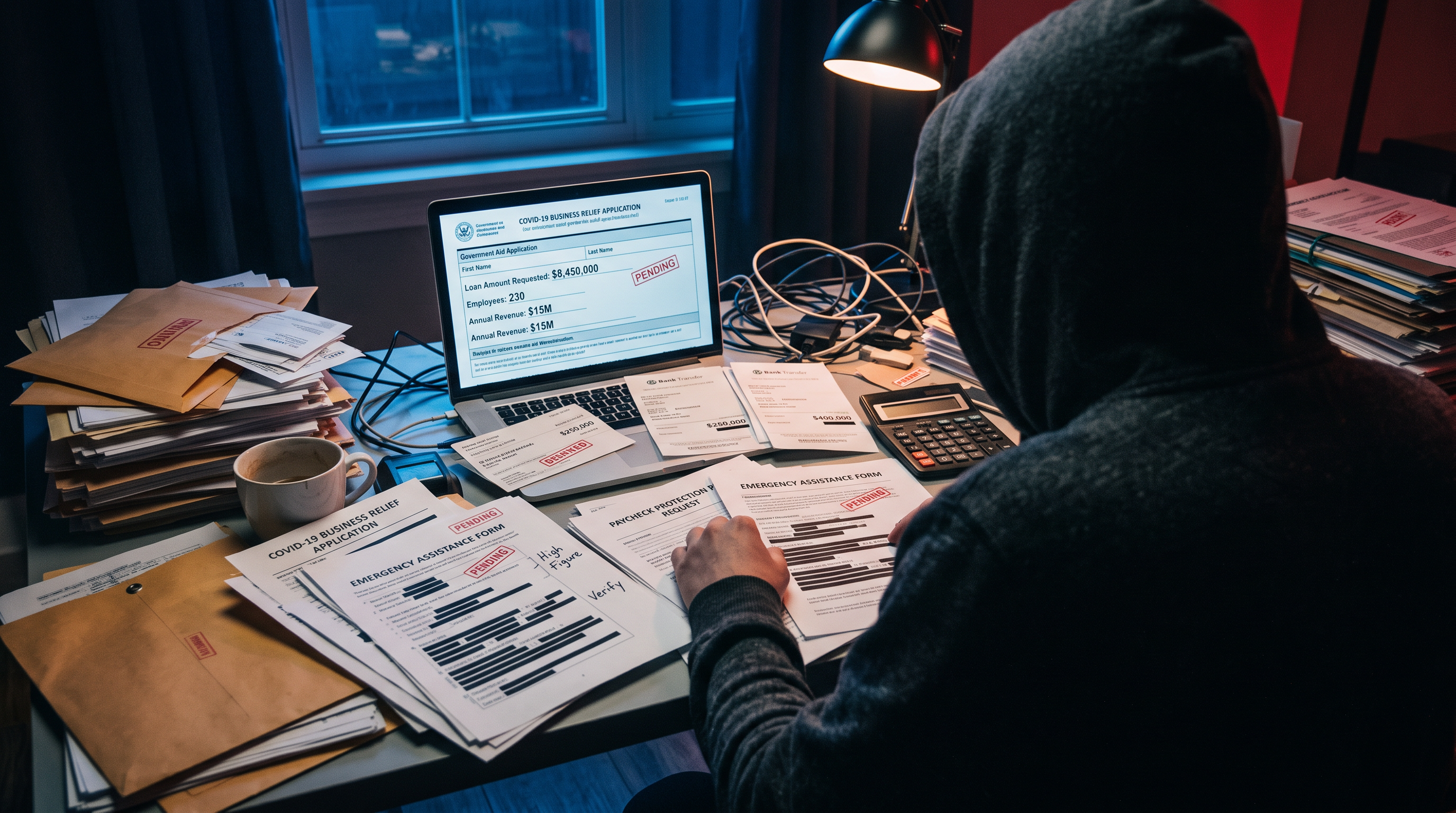
A Los Angeles woman is facing federal charges over an alleged plan to obtain more than $18 million in pandemic relief money. Prosecutors say Marisela Nuno, 53, submitted fraudulent applications to two of the largest emergency business aid programs created during the COVID-19 crisis. The Marisela Nuno COVID relief fraud case is a reminder that the headline number in a federal indictment does not always match the money that actually changed hands. These are allegations only, and Nuno is presumed innocent unless proven guilty in court.
Key facts
- According to a November 5, 2026 Department of Justice announcement, Marisela Nuno, 53, of Los Angeles, was charged in a scheme to obtain more than $18 million in COVID-19 relief funds through fraudulent applications.
- The indictment was reportedly returned on November 4, 2026, and covers more than $15.7 million in Paycheck Protection Program (PPP) loan applications, according to federal prosecutors.
- The same indictment also covers more than $2.6 million in Economic Injury Disaster Loan (EIDL) applications, according to the Department of Justice.
- Nuno faces three counts of wire fraud and one count of money laundering, according to the DOJ announcement.
What Prosecutors Allege in the Marisela Nuno COVID Relief Fraud Case
According to the Department of Justice, the case centers on applications submitted to pandemic relief programs that were meant to keep struggling businesses afloat. Prosecutors allege those applications were fraudulent. The government has not asked anyone to treat the allegations as proven facts, and the case now moves through the federal court process.
The story was covered by the New York Post and by KTLA in Los Angeles. The primary source is the Department of Justice press release, which lays out the charges and dollar figures.
The charges against Nuno
The indictment lists four counts in total. Three are wire fraud counts and one is a money laundering count. Wire fraud generally covers schemes to obtain money by false pretenses that use electronic communications, such as online loan submissions. Money laundering generally involves moving or concealing money tied to unlawful activity.
Each count carries its own legal definition and potential penalties, which a judge would weigh only after any conviction. Nothing has been proven at this stage.
The dollar figures in the indictment
The total of more than $18 million comes from adding two groups of applications together. The figures break down as follows:
- More than $15.7 million in Paycheck Protection Program loan applications
- More than $2.6 million in Economic Injury Disaster Loan applications
That combined figure describes the value of applications that prosecutors say were part of the alleged scheme. It does not automatically mean $18 million was paid out, and it does not mean Nuno personally kept that amount.
Applications, Approved Loans and Proven Losses Are Not the Same Thing
Readers often see a large number in a fraud headline and assume it equals stolen cash. In pandemic relief cases, three different figures can come into play, and they rarely match.
- Applications submitted: the total amount requested across all alleged filings. A lender or agency can deny or stop an application before any money moves.
- Loans approved or funded: the portion that was actually disbursed. This can be much lower than the amount requested.
- Proven losses: the amount a court finds was lost to fraud after a plea or verdict. This is often decided at sentencing and can differ from both earlier figures.
In this case, the DOJ announcement describes the value of the applications. Public reporting so far does not say how much was approved, how much was paid out, or how much was recovered. Until more court filings appear, the $18 million figure is best read as the scale of the alleged scheme, not a confirmed loss to taxpayers.
How the PPP and EIDL Programs Worked
The two programs named in the indictment were central to the federal response to COVID-19 business closures. Both were created under emergency legislation, and KTLA's coverage ties the case to the CARES Act.
Paycheck Protection Program loans
The PPP offered forgivable loans to eligible businesses so they could keep paying employees and cover certain costs. Applications typically went through private lenders and were backed by the Small Business Administration (SBA). Applicants generally had to describe their business and payroll, which is where false statements can lead to charges.
Economic Injury Disaster Loans
The EIDL program provided low interest loans directly from the SBA to businesses hurt by the pandemic. Applicants again had to certify details about their operations. Because both programs relied heavily on self reported information, they moved money quickly, and prosecutors have said in many cases across the country that this speed created openings for fraud.
Why Pandemic Relief Fraud Cases Keep Making Headlines
The Nuno indictment arrives years after the first emergency loans were issued, yet cases like it continue. Federal investigators have been working through large volumes of applications, and charges can come long after the money was requested. That timeline is common in financial fraud, where investigators trace bank records, business filings and electronic communications before bringing a case.
Government benefit programs are a frequent target for alleged schemes. For another example of prosecutors pursuing public program abuse, see our report on the Quality Healthcare Services Medicaid fraud case. Fraud that relies on technology to deceive is also growing, as shown in the AI CEO impersonation scheme charges.
What Happens Next in the Nuno Case
After an indictment, a defendant is typically arraigned and asked to enter a plea. The case then moves into discovery, where prosecutors share evidence with the defense. Pretrial motions follow, and the case may end in a plea agreement or a trial.
Public reporting does not yet detail Nuno's plea or any defense statement. This article will be accurate only to the extent of the sources cited, and readers should check the court docket and the DOJ site for updates. Under U.S. law, a defendant is presumed innocent until the government proves guilt beyond a reasonable doubt.
What You Can Do If You Suspect Pandemic Relief Fraud
Relief program fraud affects taxpayers and the legitimate businesses that depend on these programs. If you have information about suspicious loan applications, or you believe someone used your identity or business details to apply for aid, you can act.
- Report the issue to the FTC at reportfraud.ftc.gov.
- File a complaint with the FBI Internet Crime Complaint Center at ic3.gov.
- Check your credit reports and SBA records if you think your identity was used on a loan you never requested.
- Keep copies of any letters, emails or notices about loans you do not recognize.
The Bottom Line on the Marisela Nuno COVID Relief Fraud Case
The Nuno indictment shows how federal prosecutors are still pursuing alleged abuse of pandemic aid years after the programs launched. The charges are serious, with more than $15.7 million in PPP applications and more than $2.6 million in EIDL applications at issue. Still, the key detail is that those totals reflect applications, not confirmed payouts or proven losses, and the allegations have not been tested in court.
Follow Blacklist for updates as this case develops, and report anything suspicious through the FTC or FBI channels above. Staying informed is one of the best ways to spot and stop fraud before it spreads.
Frequently Asked Questions
Who is Marisela Nuno?
Marisela Nuno is a 53-year-old woman from Los Angeles who was charged in a federal indictment over alleged COVID-19 relief fraud. According to the Department of Justice, she faces three counts of wire fraud and one count of money laundering. She is presumed innocent unless proven guilty.
How much money is Marisela Nuno accused of fraudulently seeking?
Prosecutors say the scheme involved more than $18 million in applications. That includes more than $15.7 million in Paycheck Protection Program loan applications and more than $2.6 million in Economic Injury Disaster Loan applications, according to the DOJ.
Did Marisela Nuno actually receive $18 million?
Public reporting does not say. The $18 million figure describes the value of the applications alleged by prosecutors, not necessarily the amount approved, paid out or personally kept. Final loss figures are usually determined later in the court process.
What is the difference between PPP and EIDL loans?
PPP loans were forgivable loans for eligible businesses, generally processed through private lenders and backed by the Small Business Administration. EIDL loans were low interest loans made directly by the SBA to businesses hurt by the pandemic. Both programs are named in the Nuno indictment.
How do I report suspected COVID relief fraud?
You can report it to the FTC at reportfraud.ftc.gov or to the FBI Internet Crime Complaint Center at ic3.gov. Include details such as names, dates, loan amounts and any documents you have. If your identity was used, also review your credit reports and contact the SBA.