Taylor Swift deepfake giveaway scams are spreading rapidly across social media platforms, using AI-generated video clips and cloned posts to lure fans into handing over payment card details, personal data, and money. Security researchers and major news outlets including CBS News have documented a clear surge in these campaigns, with one high-profile wave falsely advertising a Le Creuset cookware giveaway. Le Creuset publicly denied any partnership with the pop star or the promotions. Fans who engage with these ads are funneled to convincing fake landing pages designed to harvest their financial information.
Key Facts
- Scammers created AI-generated video ads impersonating Taylor Swift to promote a fake Le Creuset cookware giveaway, according to CBS News, with Le Creuset confirming it had no involvement in the promotion.
- Victims are directed to counterfeit landing pages that collect credit card details under the guise of covering a "shipping fee" for a supposedly free item, per security researchers cited by McAfee.
- Congress introduced the NO FAKES Act to address AI-generated impersonation of real people, according to ABC News reporting from 2024.
- Fan communities have reported ticket and merchandise fraud tied to fake social posts and groups ahead of major tour dates, with collective financial losses estimated to be significant by consumer groups.
- Brands, ad platforms, and advertisers face mounting pressure to verify sponsored content after paid promotion tools were exploited to amplify these deepfake campaigns.
How Taylor Swift Deepfake Giveaway Scams Work
The mechanics behind these scams are calculated and disturbingly effective. Fraudsters use AI video synthesis tools to generate realistic clips that appear to show the celebrity endorsing a product or announcing a giveaway. These synthetic videos are then promoted through paid social media advertising or shared virally across fan groups, maximizing reach quickly.
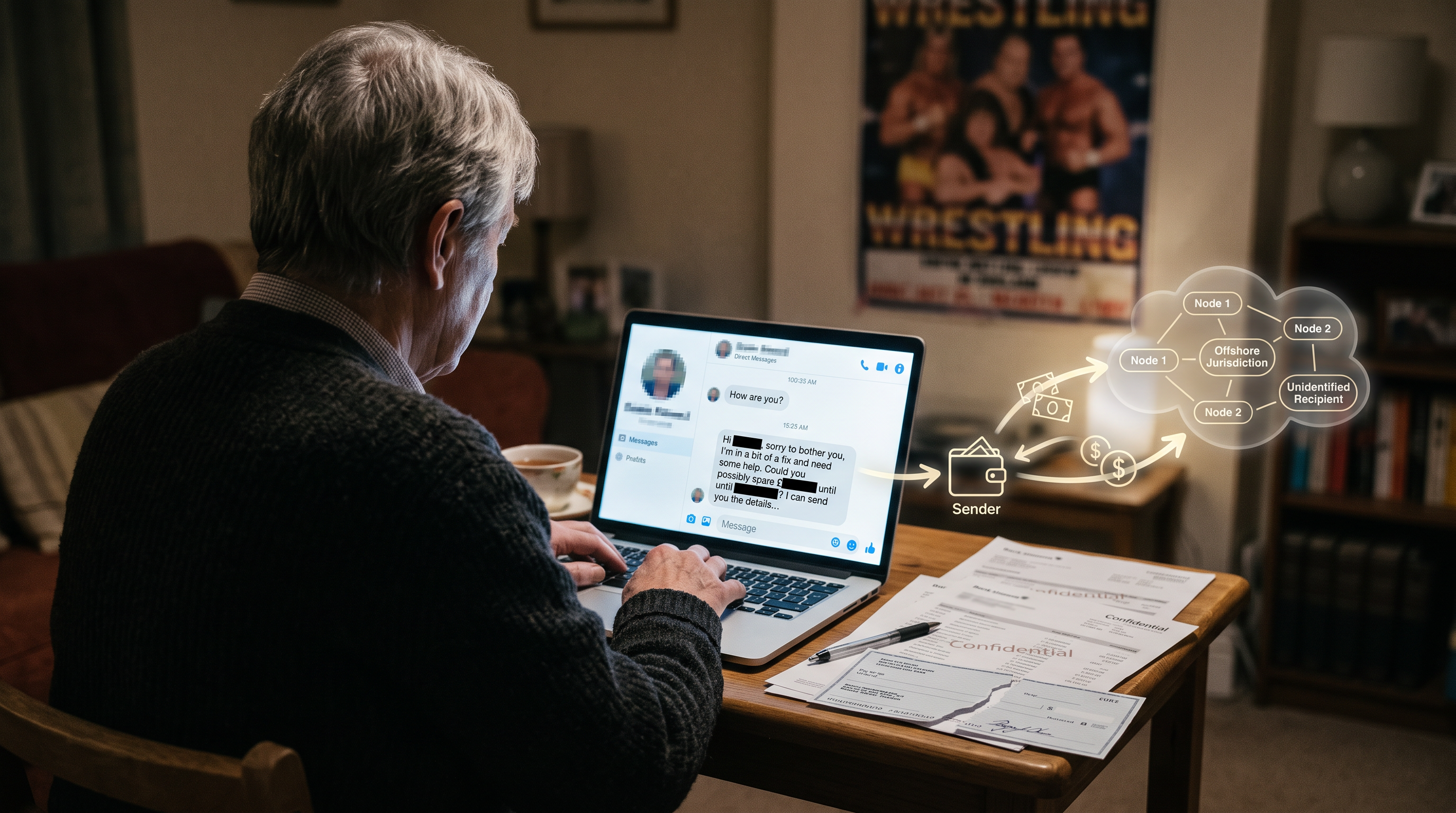
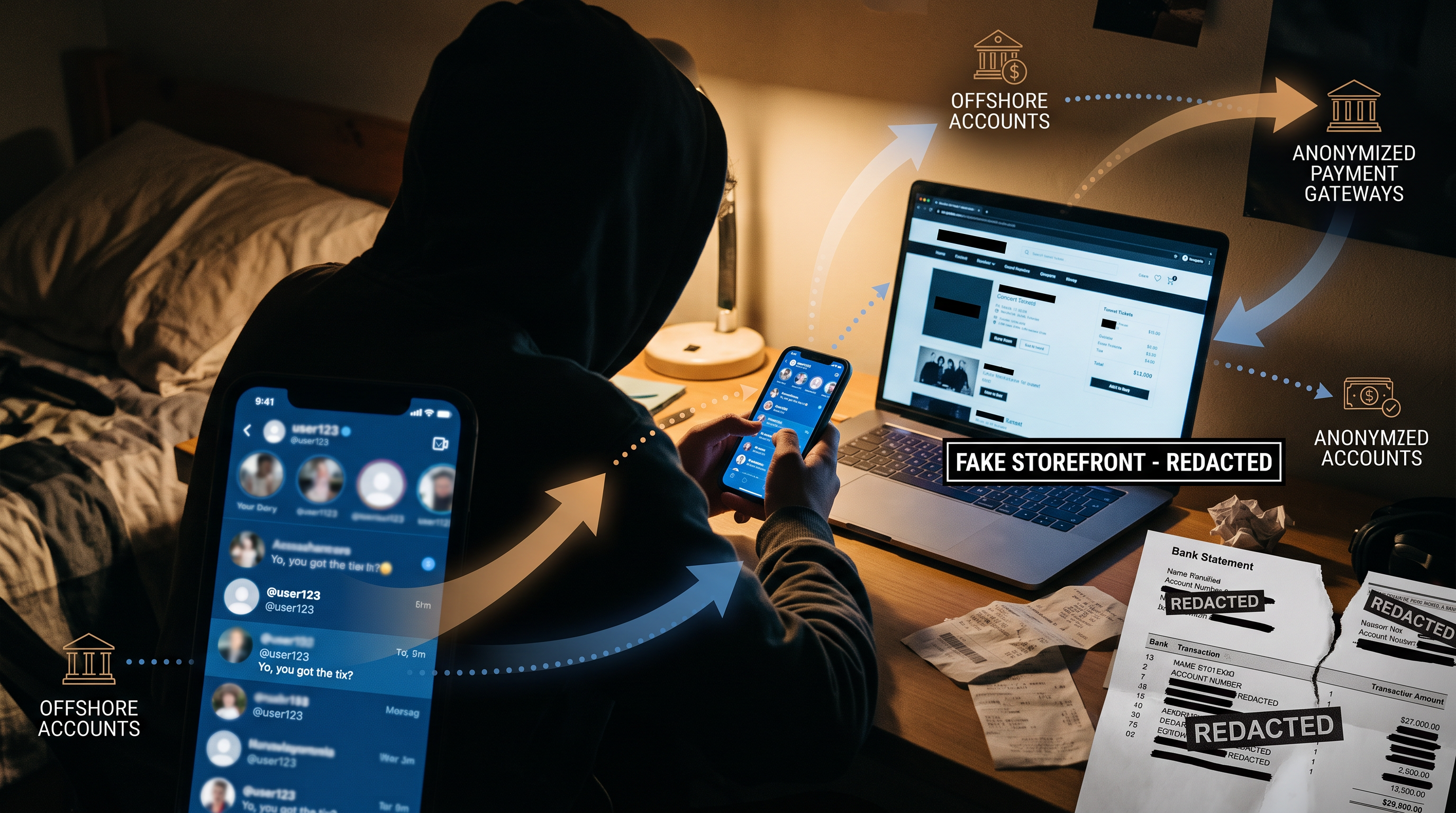
Once a user clicks through, they land on a polished fake storefront or giveaway page that asks for a small "shipping fee" or requires survey completion. Some pages go further, requesting full payment card details and billing addresses. Others push users toward cryptocurrency payment options or collect personal information through survey forms, which is then sold or used in follow-up fraud attempts.
The combination of a trusted celebrity face, a valuable brand like Le Creuset, and a time-limited free offer creates a powerful psychological trap. Taylor Swift's devoted and highly motivated fanbase, known as Swifties, represents a large and particularly vulnerable victim pool because of their strong emotional connection to the artist.
Why AI Makes Celebrity Impersonation Scams So Dangerous Now
As McAfee's security researchers noted, AI tools have dramatically lowered the technical barrier to creating convincing deepfake content. What once required a professional production team can now be produced in minutes using widely available software. The resulting videos are realistic enough to fool even cautious viewers, especially when viewed quickly on a mobile feed.
This shift has serious implications beyond individual scams. Platforms and advertisers are struggling to keep pace with the volume and quality of AI-generated fraudulent content. Ad safety tools built to catch low-quality spam struggle against synthetic media that passes basic visual checks. The speed at which these campaigns can scale using paid promotion tools means thousands of users may see fake content before a takedown request is even filed.
These Taylor Swift deepfake giveaway scams follow a broader pattern of AI-powered celebrity fraud. Similar tactics have been used against other public figures, and fans of other celebrities have faced comparable dangers. For context on how this same method has hit other well-known names, see this detailed report on a Reese Witherspoon deepfake impersonation scam and how scammers used a Mark Cuban deepfake ad scam to defraud victims through fake investment promotions.
Fake Tickets, Counterfeit Merch, and Crypto Payment Traps
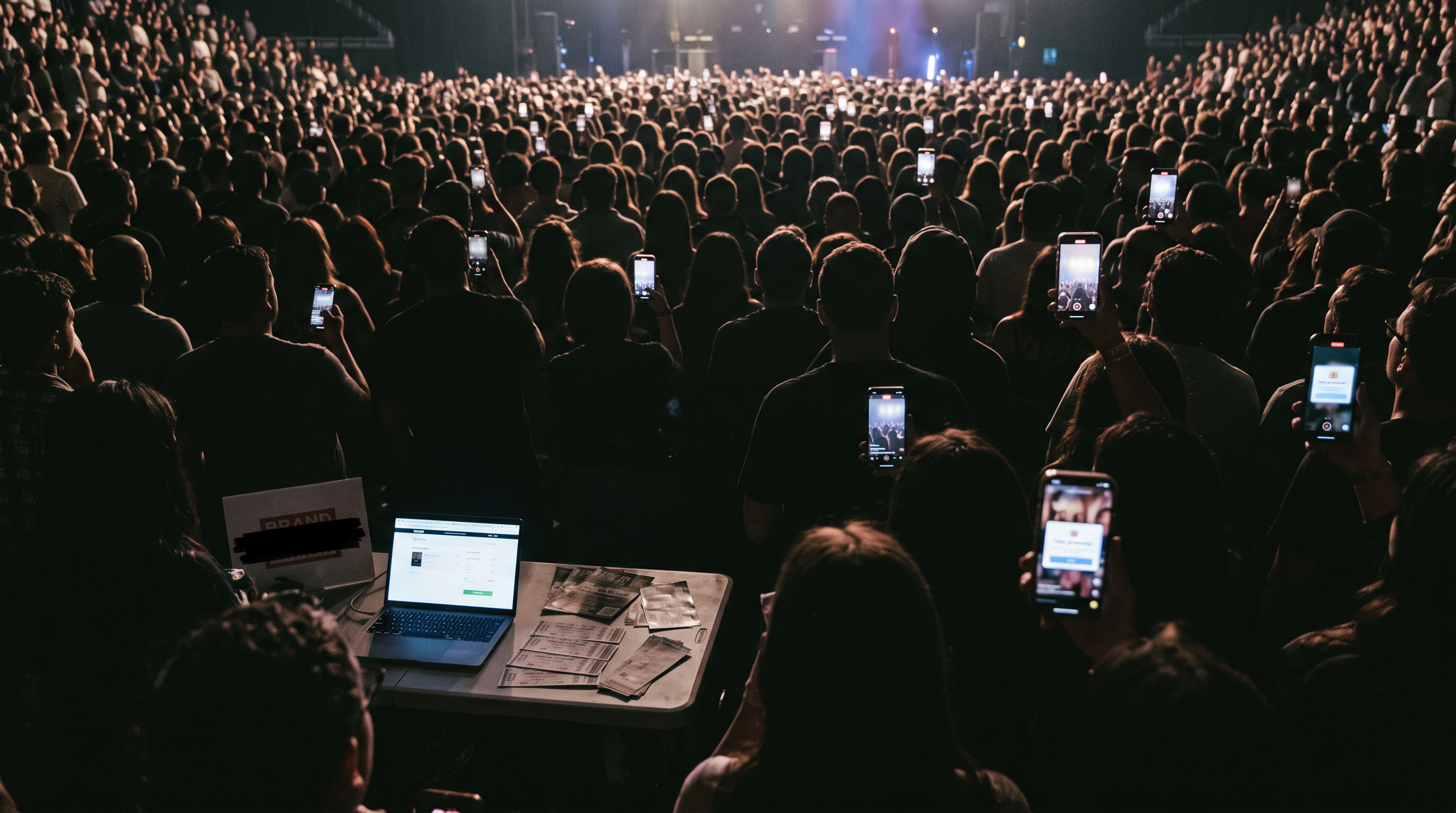
The giveaway angle is just one variant of a broader scam ecosystem targeting Swift's fanbase. Consumer reports tied to major tour dates describe fake ticket listings promoted through social media groups and ads that impersonate official presale announcements. Victims pay hundreds or even thousands of dollars for tickets that never arrive or that turn out to be invalid barcodes.
Counterfeit merchandise operations run a parallel track, setting up fake storefronts that mimic official tour stores and collecting payment before disappearing. Some campaigns combine multiple fraud vectors in a single funnel, starting with a fake giveaway, then offering discounted tickets or exclusive merch to users who complete a form, and finally requesting cryptocurrency for the final transaction to avoid chargebacks.
The use of crypto as a payment mechanism is deliberate. Once a victim sends cryptocurrency to a fraudulent wallet, recovery is extremely difficult. This tactic mirrors methods documented in large-scale fraud operations tracked by financial regulators.
What Lawmakers and Platforms Are Doing
The scale of AI impersonation scams has drawn attention from legislators. According to ABC News, Congress introduced the NO FAKES Act specifically to create legal liability for the unauthorized use of a person's likeness in AI-generated content. Advocates argue that existing laws were not written with synthetic media in mind and that the current legal gap lets scammers operate with limited consequences.
Social media platforms have published updated policies on synthetic and manipulated media, but enforcement remains inconsistent. Ad libraries and transparency tools that should surface fraudulent sponsored content often lag behind fast-moving campaigns. Researchers recommend that platforms implement real-time deepfake detection at the ad review stage, rather than relying solely on user reports after the fact.
How to Spot and Avoid These Scams
- Always verify giveaways and promotions directly on the celebrity's or brand's official verified social media accounts or official website before engaging.
- Never pay a shipping fee or any other charge to claim a supposedly free giveaway prize. Legitimate giveaways do not require payment.
- Check the URL of any landing page carefully. Look for misspellings, unusual domain extensions, or domains that do not match the brand's official web address.
- Be skeptical of any video ad where the speaker's lip movements, voice tone, or facial expressions look slightly off or unnatural.
- Use a credit card rather than a debit card or cryptocurrency for any online purchase, and review your statements for unauthorized charges immediately.
- Report suspicious ads directly to the platform and to your bank if you have shared payment information.
How to Report Taylor Swift Deepfake Giveaway Scams
If you or someone you know has been targeted by a Taylor Swift deepfake giveaway scam or a similar celebrity impersonation fraud, report it immediately. You can file a complaint with the Federal Trade Commission at reportfraud.ftc.gov and submit a tip to the FBI's Internet Crime Complaint Center at ic3.gov. Both agencies track these complaints to identify patterns and pursue enforcement actions against fraud networks.
Contact your bank or card issuer immediately if you submitted payment details to a suspicious page. Request a chargeback and ask for the card to be flagged or reissued. Acting quickly significantly increases your chances of recovering funds.
Conclusion
Taylor Swift deepfake giveaway scams are a clear sign that AI-powered fraud has entered a new and more dangerous phase. The technology is accessible, the victim pool is large, and the financial and personal data losses are real. Fans, brands, platforms, and lawmakers all have a role to play in slowing this wave down. Until stronger detection and legal frameworks are in place, the most effective defense is awareness. Verify before you click, never pay for free, and report every suspicious ad you see.
Frequently Asked Questions
What are Taylor Swift deepfake giveaway scams?
Taylor Swift deepfake giveaway scams are fraudulent social media campaigns that use AI-generated videos or cloned posts to impersonate the pop star and promote fake giveaways, counterfeit merchandise, or bogus ticket offers. Victims who click through are taken to convincing fake landing pages designed to steal credit card details or charge small fees for items that never arrive. Le Creuset confirmed it had no involvement in one widely circulated cookware giveaway promoted using this method.
How do I know if a Taylor Swift giveaway is real?
A legitimate giveaway from Taylor Swift or an associated brand will always be announced on the artist's official verified social media accounts and the brand's official website. If you only see the promotion in a paid ad or a fan group post, treat it as suspicious. Real giveaways never ask winners to pay a shipping fee or provide full card details to claim a prize.
What should I do if I already gave my card details to one of these scams?
Contact your bank or card issuer immediately to report the fraud, request a chargeback, and ask for your card to be flagged or reissued to prevent further unauthorized charges. Then file a complaint with the FTC at reportfraud.ftc.gov and the FBI IC3 at ic3.gov. Acting quickly gives you the best chance of recovering any money lost.
Are there laws against AI deepfake celebrity impersonation scams?
The NO FAKES Act, introduced in the US Congress and reported on by ABC News, aims to create legal liability for using a person's likeness in unauthorized AI-generated content. Existing fraud and wire fraud statutes can also apply to these schemes, but enforcement is complicated by the speed and scale at which AI-generated campaigns operate. Many advocates argue that dedicated legislation is urgently needed.
Why is Taylor Swift specifically targeted by deepfake scammers?
Taylor Swift's massive and highly engaged global fanbase, known as Swifties, makes her an attractive target because the potential victim pool is both large and highly motivated to engage with anything connected to the artist. Scammers exploit the strong emotional connection fans have with the star to lower their skepticism. The same AI impersonation tactics have been applied to other celebrities, but the scale of Swift's following makes campaigns using her likeness especially profitable for fraudsters.