Reese Witherspoon has gone public with a direct warning to her millions of followers after scammers used her likeness in a deepfake impersonation scam, creating fake social media profiles, splicing AI-generated audio into authentic clips, and running paid advertisements to push bogus health products and phishing portals. According to reporting by The Independent, the actress confirmed the fraudulent accounts are not affiliated with her in any way, and urged fans to stop engaging with them immediately. The scheme is part of a rapidly growing wave of celebrity deepfake fraud that consumer advocates say is accelerating alongside advances in generative AI.
Key Facts
- Reese Witherspoon publicly warned her followers in 2025 that scammers were impersonating her using deepfake video and cloned social media profiles to solicit money and personal data from fans.
- Fraudsters reportedly used authentic clips, AI-edited footage, and synthesized audio attributed to Witherspoon to make fake accounts appear credible before directing victims to suspicious product pages.
- The scam used paid social media ad placements to amplify reach, bypassing organic scepticism and funneling victims toward checkout pages for fake supplements and phishing portals requesting card details.
- The Better Business Bureau has warned that deepfake AI scams using celebrity likenesses to push fake supplements are a growing threat, according to WGEM reporting on a BBB alert.
- CBS News has reported that deepfake video scams involving celebrities are causing financial losses across multiple demographics, with victims often unaware the content is fabricated.
How the Reese Witherspoon Deepfake Impersonation Scam Works
The operation follows a playbook that fraud researchers are seeing replicated across dozens of celebrity identities. Scammers first harvest authentic video clips from Witherspoon's verified social channels, interviews, and press appearances. They then use AI voice synthesis and video manipulation tools to graft new dialogue onto those clips, creating content that appears to show the actress endorsing a product or inviting fans to message her directly.
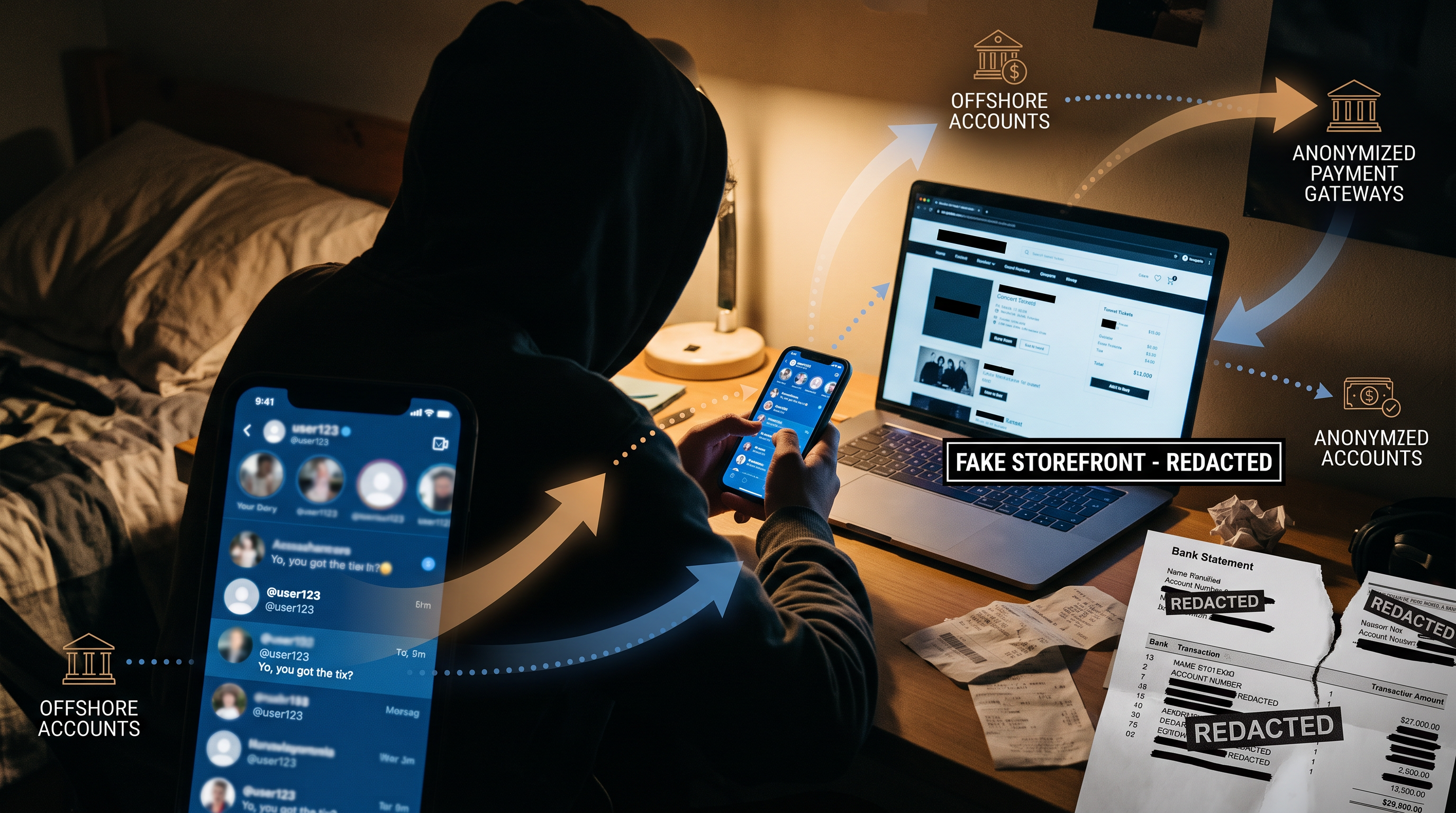
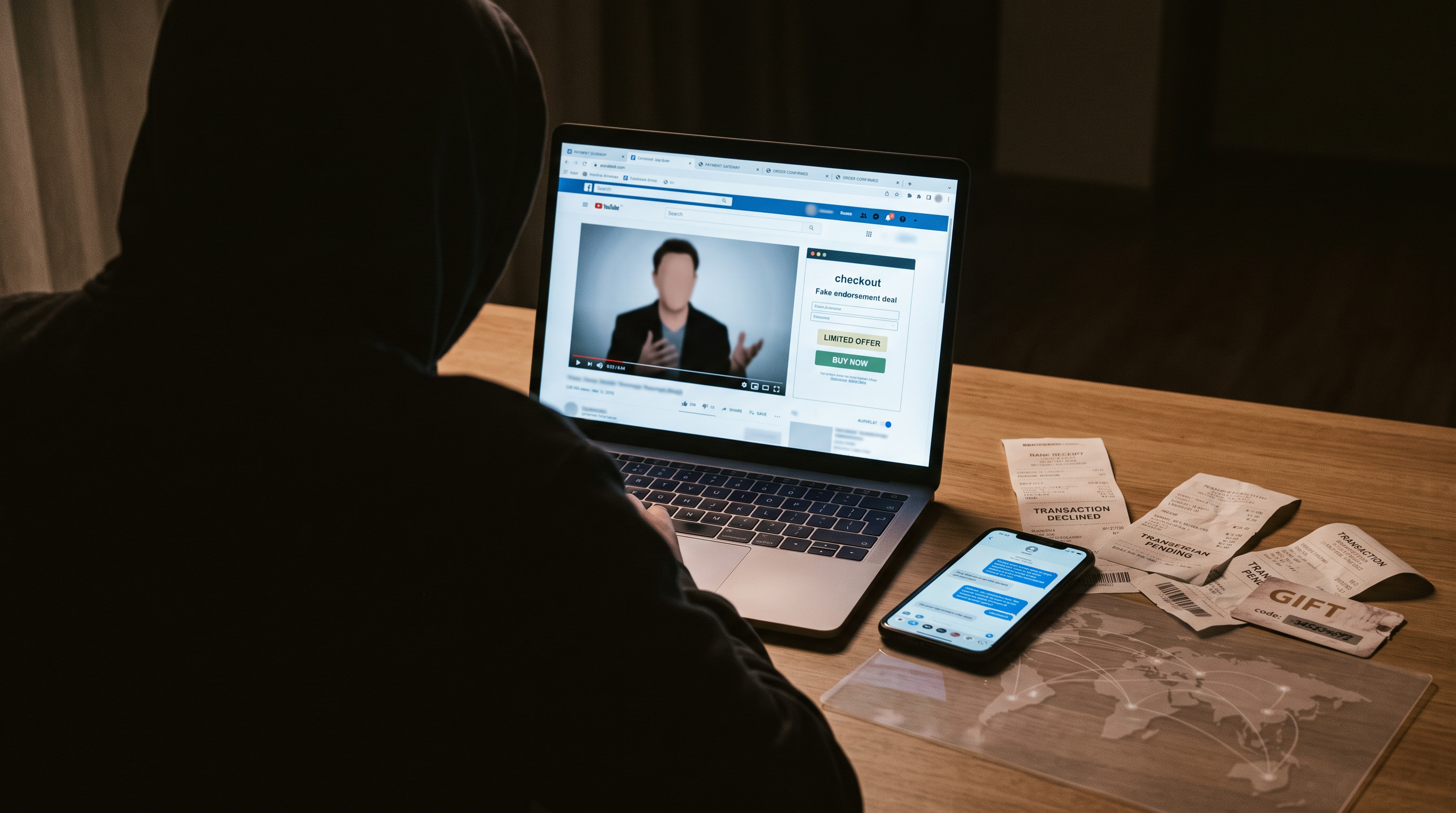
Those fabricated videos are packaged into polished creatives and boosted through paid ad placements on major social platforms. The ads reach users who already follow Witherspoon or fit a demographic profile likely to trust her recommendations. When a user clicks, they are sent to one of two destinations: a checkout page for counterfeit health supplements, or a phishing portal designed to capture credit card numbers and personal information.
Direct Message Harvesting and Gift Card Requests
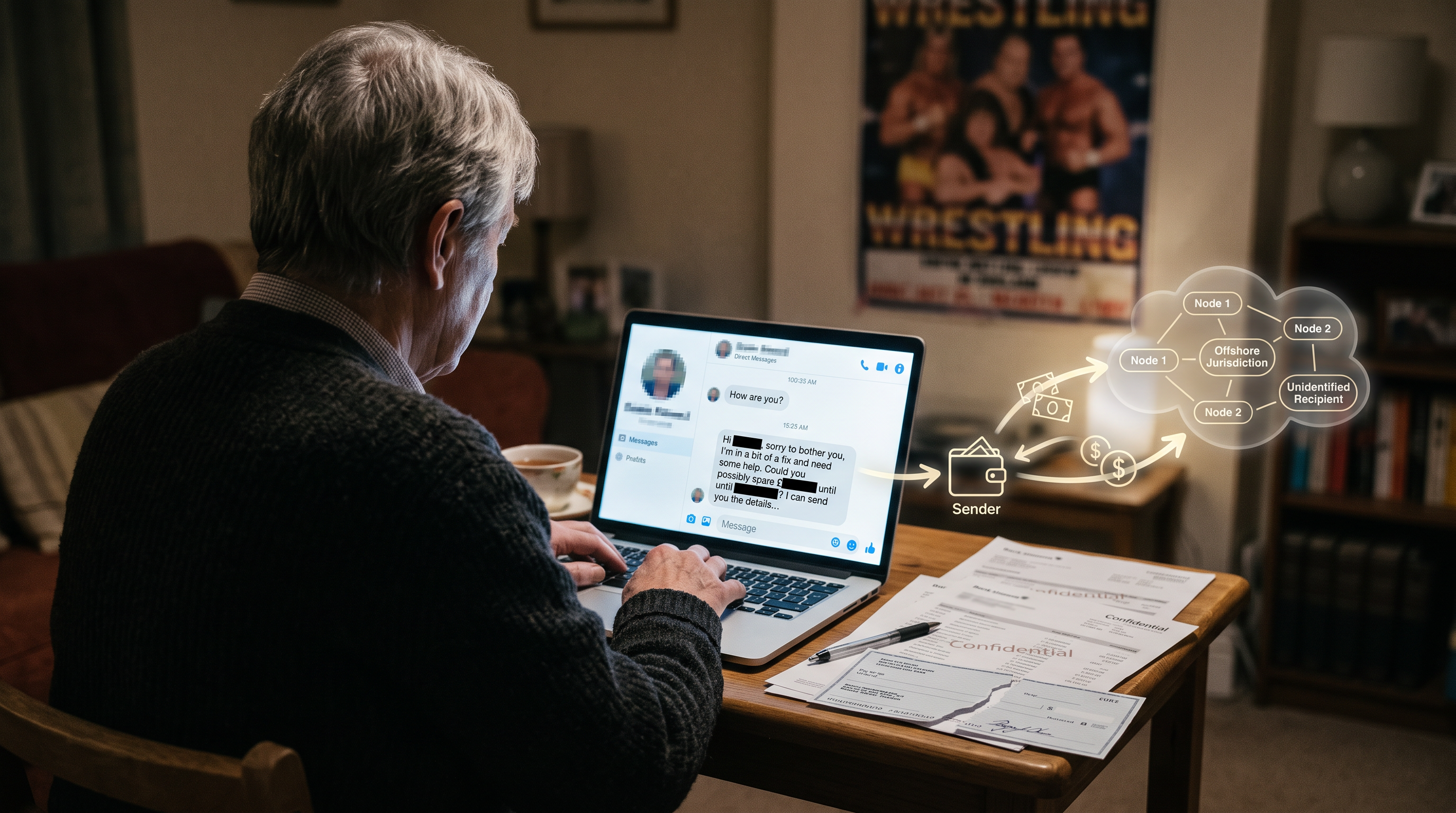
Beyond paid ads, cloned profiles also send direct messages to fans, often mimicking the tone and cadence of Witherspoon's real posts. Victims have reportedly received requests for money transfers, gift card codes, and even personal identification details framed as part of a celebrity giveaway or charity drive. Because the accounts use real photos and authentic-sounding language, many fans do not question them until money has already left their account.
This kind of social engineering is effective precisely because it weaponises the trust that a fan has built toward a real public figure over years of following her career. The rise of fake investment ads using celebrity endorsements follows the same psychological blueprint, substituting financial products for supplements or giveaways.
Why Celebrity Deepfake Scams Are Surging
According to CBS News, deepfake video scams targeting consumers through celebrity likenesses have grown significantly as the cost of AI video generation has dropped to near zero. What once required a professional studio and significant technical expertise can now be produced in minutes using consumer-grade software. Platforms' ad review systems are struggling to distinguish authentic celebrity content from AI-fabricated impersonations at scale.
The Better Business Bureau has specifically flagged fake supplement campaigns as a dominant monetisation strategy in these scams. Victims purchase products that never arrive, or receive low-quality counterfeits with no recourse because the merchant entities dissolve after a short operating window. A similar pattern was documented in the Mark Cuban deepfake ad scam, where AI-generated footage of the entrepreneur was used to promote fraudulent investment products through paid social placements.
Platform Ad Safety and Accountability Questions
The Witherspoon case raises pointed questions about platform liability. Fraudsters are purchasing ad placements, meaning the platforms are collecting revenue from campaigns that victimise their own users. Witherspoon's warning, and the broader wave of celebrity deepfake complaints, is adding pressure on Meta, TikTok, YouTube, and others to implement stronger identity verification for ad creatives that feature recognisable public figures.
This is not an isolated platform problem. The Ellen DeGeneres and Sandra Bullock fake beauty ads case showed that even well-resourced celebrities with large legal teams struggle to get fraudulent paid placements removed quickly enough to prevent consumer harm.
How to Spot a Fake Celebrity Account
- Check for a verified badge on the account's profile and cross-reference it against the celebrity's official website.
- Look closely at the video. AI-generated footage often shows subtle glitches around the hairline, teeth, or ear area, and lip sync may be slightly off.
- Real celebrities do not send unsolicited direct messages asking for gift cards, wire transfers, or personal financial details.
- Reverse-search product pages linked from ads. If the domain was registered recently and has no independent reviews, treat it as a red flag.
- Check the platform's ad library to see who paid for a promoted post and when the account was created.
What to Do If You Were Targeted
If you responded to a fake Witherspoon account or similar celebrity impersonation scam, act immediately. Contact your bank or credit card issuer to dispute any charges and request a chargeback. Credit cards offer stronger consumer protections than debit cards or wire transfers, so always prefer them for online purchases from unfamiliar merchants.
Report the fraudulent account and any associated ads directly to the platform. Then file a complaint with the Federal Trade Commission at ReportFraud.ftc.gov and submit an internet crime complaint with the FBI's Internet Crime Complaint Center at IC3.gov. Screenshot every interaction, including the ad, the profile URL, the DM thread, and any payment confirmation, before the account is deleted.
Frequently Asked Questions
Is Reese Witherspoon actually messaging fans on social media?
No. Witherspoon has publicly stated that accounts impersonating her and messaging fans are not affiliated with her. Any account sending unsolicited direct messages claiming to be Witherspoon and requesting money, gift cards, or personal information is a scam. Always verify through her official verified channels before engaging.
How do deepfake celebrity scams work?
Scammers take authentic video clips of a celebrity, then use AI tools to overlay new dialogue or synthesize matching audio. The resulting video is used in paid social media ads or posted on cloned profiles to make fraudulent product pages and phishing portals appear legitimate. The technology has become cheap and fast enough that new campaigns can be launched within hours of a celebrity trending online.
What should I do if I paid money through a fake Reese Witherspoon ad?
Contact your bank or credit card provider immediately to dispute the charge and request a chargeback. Report the scam to the platform that ran the ad, the FTC at ReportFraud.ftc.gov, and the FBI IC3 at IC3.gov. Preserve all screenshots and transaction records, as these will support your dispute and any law enforcement investigation.
Can social media platforms stop deepfake celebrity scams?
Platforms are under increasing pressure to improve ad review systems and identity verification for content featuring public figures. However, the volume of content uploaded daily makes real-time detection difficult. Users remain the last line of defence, which is why celebrity warnings like Witherspoon's and consumer education from bodies like the BBB are important complements to platform-level controls.
What products are most commonly pushed through celebrity deepfake ads?
Fake health supplements and weight-loss products are the most frequently reported category, according to the BBB. Investment and cryptocurrency products are also common, as documented in multiple cases involving fabricated endorsements from business figures. Gift card requests and phishing portals that harvest credit card details round out the most prevalent monetisation methods.