Manhattan prosecutors have seized roughly a dozen websites that built a commercial empire on AI-generated explicit imagery of real people, marking one of the most aggressive government actions against nonconsensual deepfake content in U.S. history. The operation targeted operators who monetized approximately 1,200 victims through subscriptions and ad networks, many of them public figures who had repeatedly demanded takedowns. According to reporting from Wired and 404 Media, officials described the network as a large-scale commercial enterprise in nonconsensual synthetic imagery, not a fringe hobby project.
Key Facts
- The Manhattan District Attorney's office seized approximately 12 websites in September 2026 that hosted AI-generated explicit videos and images of roughly 1,200 named individuals.
- Many victims were public figures whose likenesses were used without consent to generate and distribute synthetic sexual content across subscription-based platforms.
- Operators reportedly profited through paid subscriptions and ad network revenue, treating the production and sale of deepfake imagery as a recurring commercial business.
- Investigators flagged cross-border server hosting and international or cryptocurrency payment processing as significant enforcement hurdles in building the case.
- The sites repeatedly ignored or skirted formal takedown requests before prosecutors obtained seizure warrants, according to officials cited in reporting by CBS News and Malwarebytes.
How the Manhattan DA Deepfake Website Operation Unfolded
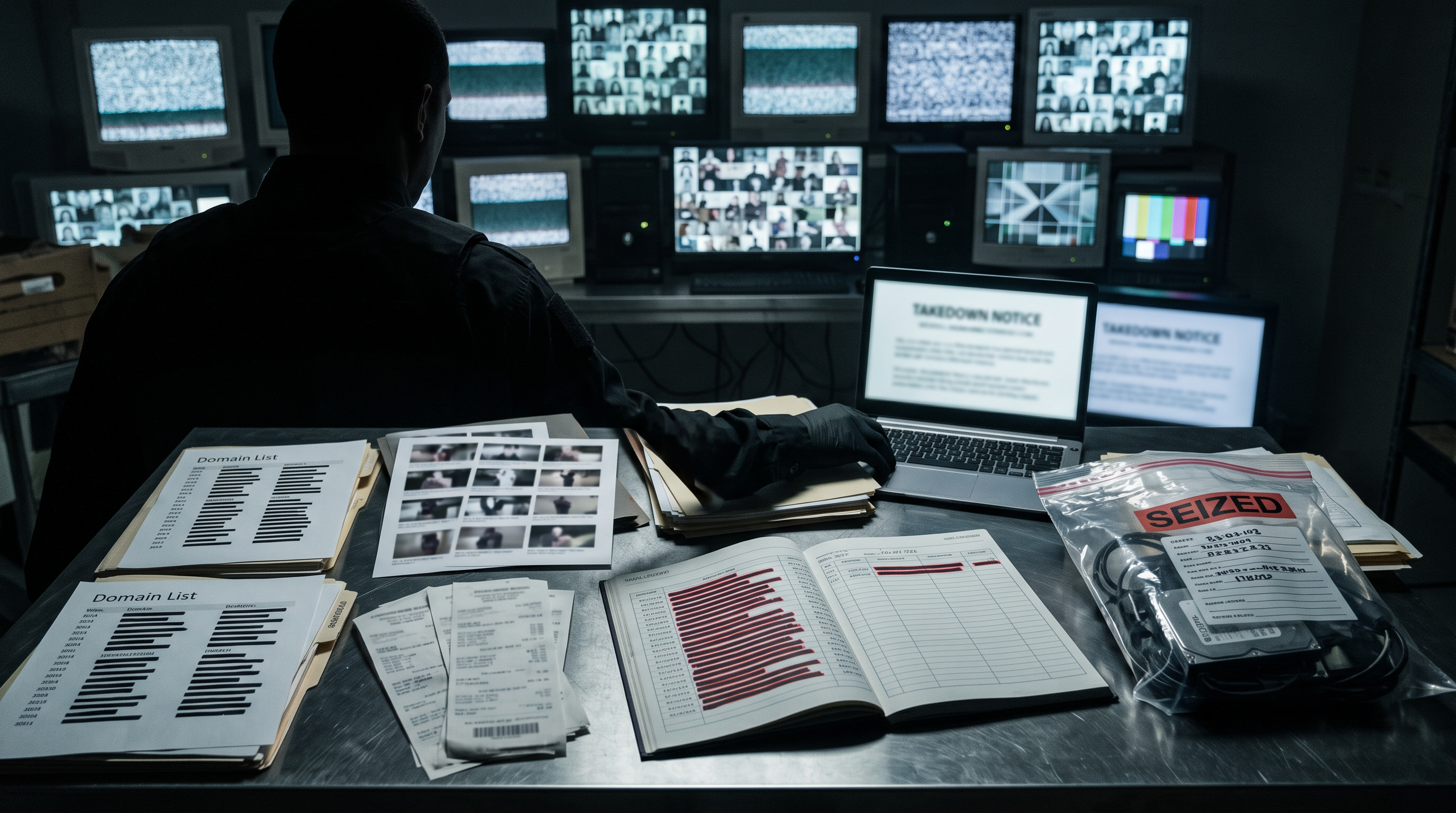
The seizure warrants gave prosecutors direct control over the domain names, effectively pulling the sites offline and cutting off operator revenue streams. Investigators worked to trace server hosting locations, payment processors, and domain registrars that had, in many cases, spanned multiple countries. Officials said the cross-border architecture was deliberate, designed to complicate any single jurisdiction's ability to act.
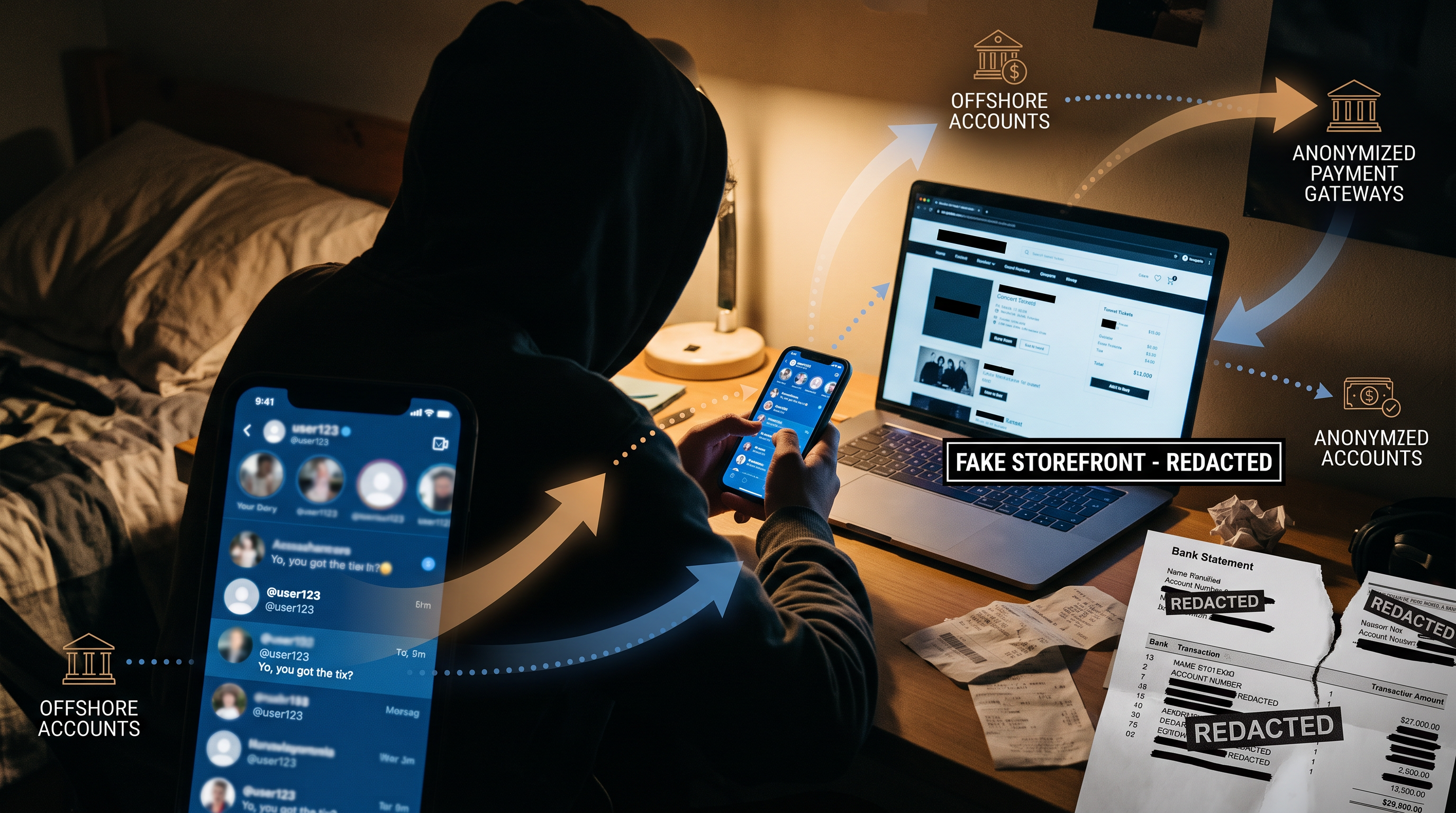
The sites charged users recurring subscription fees to access libraries of AI-generated explicit content. Ad networks also placed advertising on pages, creating a dual revenue stream. That commercial structure is precisely what prosecutors say elevates the conduct beyond a simple privacy violation and into prosecutable commercial exploitation of victims.
Why This Action Sets a New Legal Precedent
For years, nonconsensual intimate imagery, including deepfakes, was treated as a civil matter in most jurisdictions. The Manhattan DA's office is now treating the commercial distribution of synthetic explicit content as a prosecutable criminal enterprise. Legal observers say that framing matters enormously because it unlocks tools like seizure warrants, asset forfeiture, and potential racketeering statutes that are unavailable in purely civil proceedings.
The deepfake problem has grown alongside the plummeting cost of generative AI tools. What once required specialized technical skill can now be accomplished with consumer-grade hardware and widely available open-source models. That accessibility has fueled an explosion of harmful content, and cases like the Taylor Swift deepfake giveaway scams and the ongoing wave of Martin Lewis fake ad scam deepfakes illustrate how broadly synthetic media is now weaponized against real people for financial gain.
The Role of Crypto and Anonymous Payment Rails
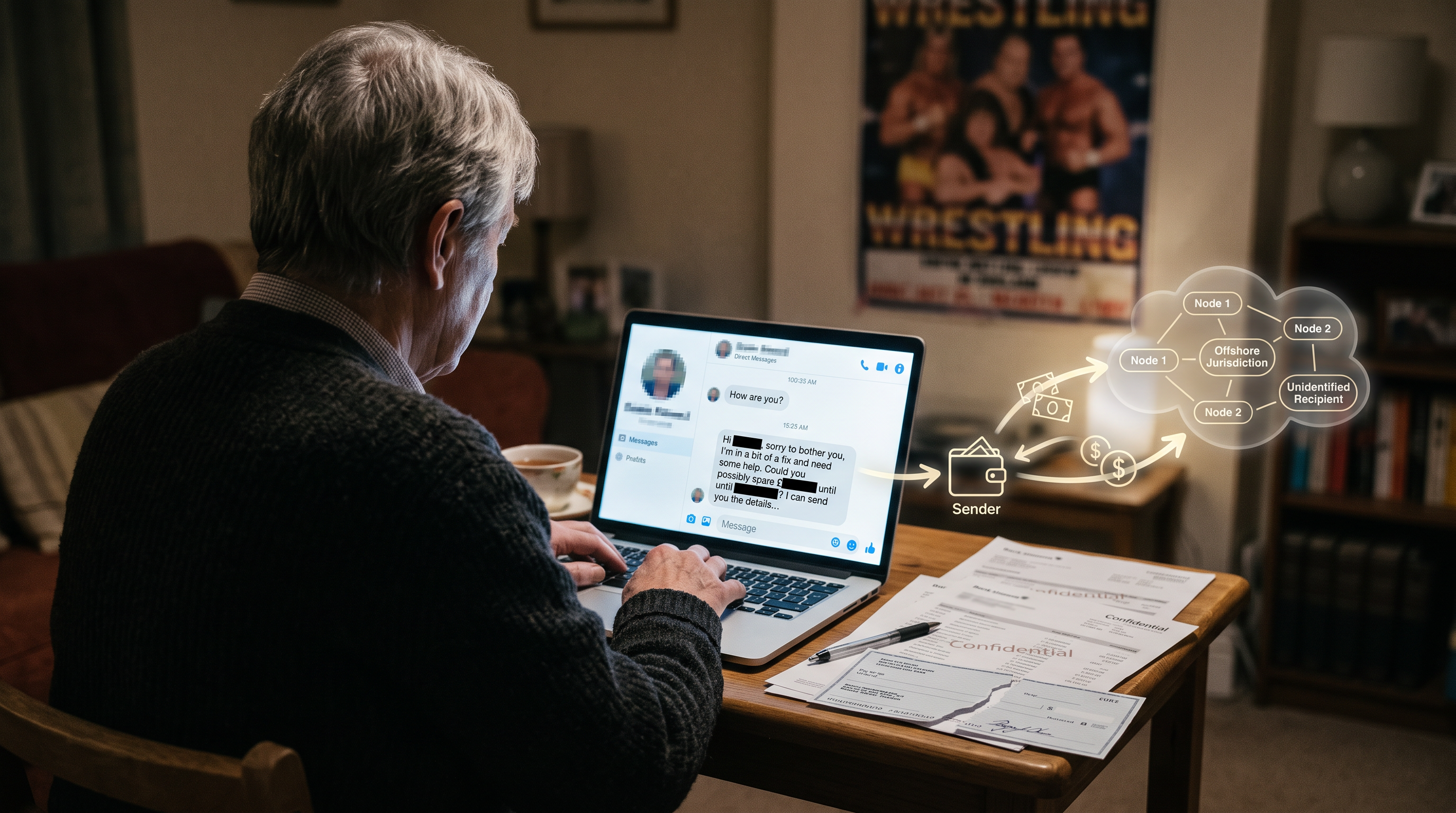
One of the most detailed findings in the investigation involves how operators accepted payments. Prosecutors noted that international payment processors and cryptocurrency transactions were used to collect subscription revenue in ways that obscured the identities of the people running the sites. Anonymous domain registrations compounded the problem, allowing operators to cycle through hosting providers when one terminated their accounts.
This payment layer is a recurring theme in AI-enabled fraud. The FinCEN report on crypto investment scams totaling 12 billion dollars documented similar tactics, where bad actors use decentralized payment rails to stay ahead of financial investigators. Prosecutors in the deepfake case reportedly worked with financial institutions and payment networks to trace and freeze revenue flows before executing the domain seizures.
Takedown Requests That Went Nowhere
Multiple victims and their representatives had submitted formal takedown requests to the sites before the DA's office stepped in. Those requests were largely ignored or met with superficial compliance, where individual URLs were removed while the underlying content remained available elsewhere on the same platforms. That pattern of bad-faith compliance is detailed in court affidavits as evidence of willful conduct rather than inadvertent violation.
Platform trust teams and ad networks that served advertising on these pages are also under scrutiny. Investigators are examining whether any of those intermediaries received notice of the harmful content and failed to act, which could expose them to secondary liability claims.
What Victims and Advocates Are Saying
Civil rights attorneys and digital advocacy groups welcomed the seizures but cautioned that enforcement alone will not solve the structural problem. New generative AI sites can launch within hours of a shutdown, often on hosting providers in jurisdictions with weaker content moderation requirements. Advocates are calling for platform liability reforms, mandatory takedown timelines enforced by law, and criminal penalties for ad networks that knowingly monetize nonconsensual intimate imagery.
For the roughly 1,200 individuals named in the warrant, the immediate relief is real. Their likenesses are no longer being sold on the seized domains. But legal experts note that cached content, mirrored archives, and Telegram channels mean full remediation is nearly impossible once synthetic imagery circulates.
How to Report Deepfake Abuse and Protect Yourself
If you or someone you know has been victimized by nonconsensual deepfake imagery, there are concrete steps to take right now.
- Preserve evidence by taking screenshots and saving URLs before content disappears or operators scrub pages in response to enforcement actions.
- Document every takedown request you submit, including the date, the platform, and any response you receive.
- Report to platform trust and safety teams using their formal reporting channels, not just flagging buttons.
- Notify your bank or payment provider if you can identify that a service is commercially profiting from your likeness, since financial institutions can block merchant accounts.
- File a complaint with the FTC at reportfraud.ftc.gov and the FBI's Internet Crime Complaint Center at ic3.gov.
- Consult a civil attorney who specializes in privacy or digital rights, as several states now have specific causes of action for nonconsensual intimate imagery.
What Comes Next in the Investigation
Prosecutors have not yet announced criminal charges against named individuals, but the seizure warrants are typically a precursor to indictments. Investigators are working to identify the operators behind the domains, which were registered anonymously or through shell entities. Forensic AI experts are reportedly assisting by analyzing artifacts embedded in generated content that can link images to specific model versions or fine-tuned training datasets, potentially tying output back to a specific operator's infrastructure.
The Malwarebytes analysis of the case notes that registrar cooperation and hosting provider compliance will determine how quickly follow-on actions can move. International coordination with law enforcement partners in the countries where servers were hosted is also ongoing.
The Manhattan DA's action sends a clear signal to operators of similar platforms: running a commercial business on synthetic intimate imagery of real people without consent is no longer a gray area. It is, according to New York prosecutors, a criminal enterprise, and one that leaves financial and technical fingerprints that investigators are now trained to follow.
Frequently Asked Questions
What did the Manhattan DA seize in the deepfake website operation?
The Manhattan District Attorney's office seized approximately 12 websites that hosted AI-generated explicit videos and images of roughly 1,200 individuals, many of them public figures. The sites operated as subscription-based commercial platforms and also generated revenue through ad networks. Prosecutors obtained seizure warrants to take control of the domain names directly, effectively shutting the sites down.
How were the deepfake websites making money?
The sites used a dual revenue model that combined paid user subscriptions with advertising placements from ad networks. Operators accepted payments through international payment processors and reportedly used cryptocurrency to obscure the flow of funds. This commercial structure is central to the prosecution's argument that the conduct constitutes criminal enterprise rather than a simple privacy violation.
Why is this deepfake crackdown legally significant?
Most prior enforcement against nonconsensual intimate imagery was civil rather than criminal. By obtaining seizure warrants and framing the operation as a commercial criminal enterprise, the Manhattan DA's office has opened the door to criminal charges, asset forfeiture, and the kind of cross-border cooperation typically reserved for organized crime cases. Legal experts say this approach could set a template for prosecutors in other jurisdictions.
What should someone do if they are a victim of deepfake abuse?
Victims should immediately preserve evidence by screenshotting content and saving URLs, then document all takedown requests they submit. Complaints should be filed with the FTC at reportfraud.ftc.gov and the FBI IC3 at ic3.gov. Consulting a civil attorney who specializes in digital privacy rights is also advisable, as many states now have specific legal remedies for nonconsensual intimate imagery.
Can seized deepfake sites come back online after a domain seizure?
Domain seizures remove specific web addresses but do not destroy the underlying content or servers, which means operators can potentially re-launch on new domains or in other jurisdictions. Advocates warn that cached content, mirrored archives, and messaging apps mean harmful imagery can persist even after a site goes offline. Sustained enforcement, registrar cooperation, and platform-level liability reforms are considered necessary to prevent rapid re-emergence.