A 64-year-old man in Kittanning, Pennsylvania lost $42,700 to someone who claimed to be WWE superstar Rhea Ripley online, according to local authorities. The case, reported by WTAE Pittsburgh and confirmed by NDTV Sports, has drawn national attention as yet another example of celebrity impersonation fraud targeting everyday fans. The victim's own refusal to cooperate with investigators has since complicated the case, leaving authorities with limited options to pursue the suspect.
Key Facts
- A 64-year-old man from Kittanning, Pennsylvania was scammed out of $42,700 by an unidentified person impersonating WWE star Rhea Ripley on social media, according to police reports.
- The suspect used private online messages and social engineering tactics to persuade the victim to transfer funds, according to reporting by WTAE Pittsburgh.
- Early coverage by Fightful misreported the loss figure as over $400,000, but official police sources confirmed the amount as $42,700.
- No arrests have been announced as of the time of reporting, and the victim later refused to cooperate with law enforcement investigators.
- The incident was reported to police in Kittanning, Pennsylvania, the county seat of Armstrong County.
How the Rhea Ripley Impersonator Scam Unfolded
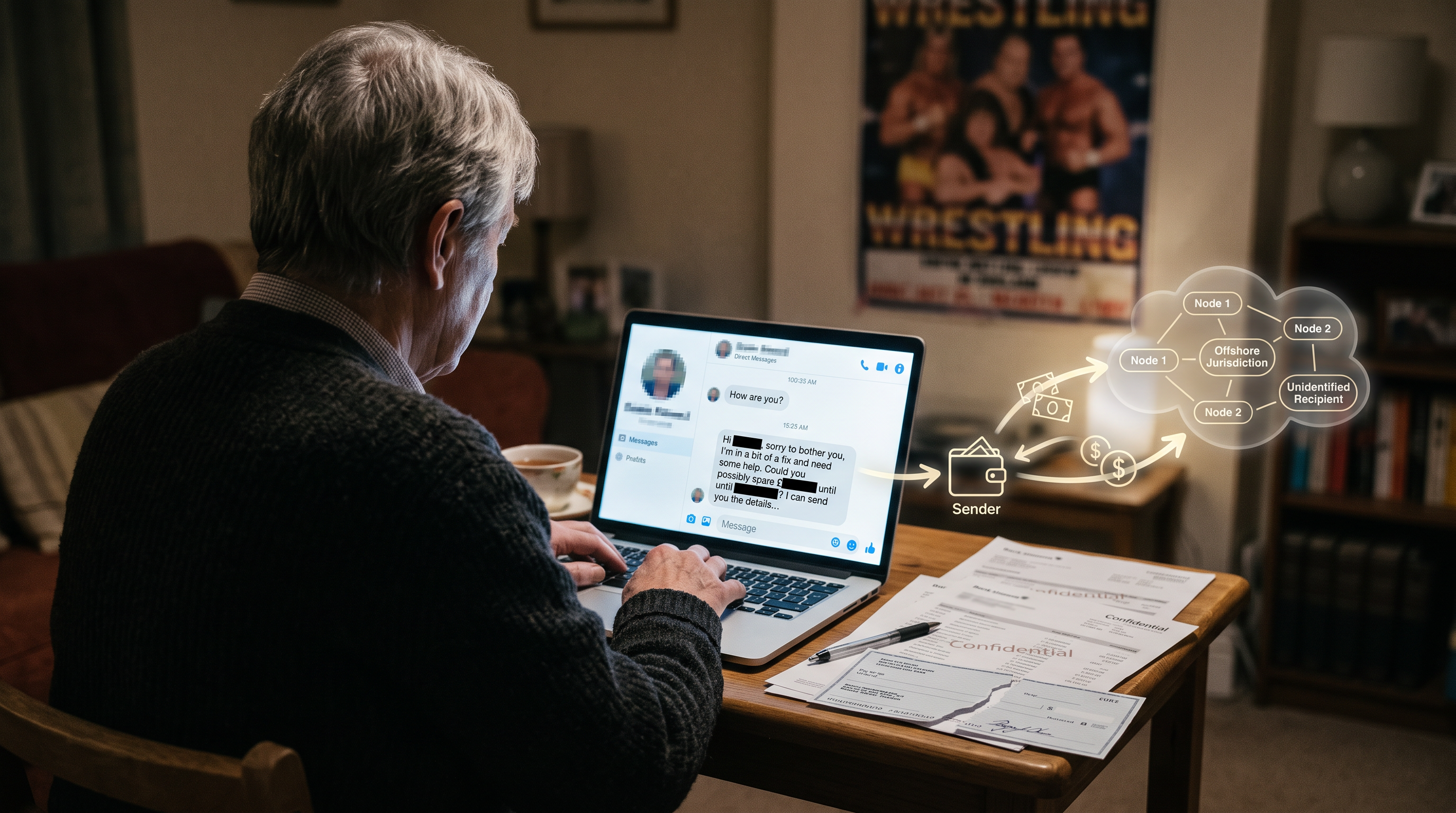
According to authorities, the scam began when the victim made contact with a social media account presenting itself as WWE superstar Rhea Ripley. The impersonator used private direct messages to build a rapport with the victim, a method commonly used in what investigators call "romance-adjacent" or "celebrity lure" fraud schemes.
Over the course of their communications, the suspect allegedly persuaded the 64-year-old to transfer money. The total sent reached $42,700 before the victim or someone close to him alerted police. Investigators have not publicly confirmed the specific payment methods used, though impersonation scams of this type frequently rely on wire transfers, peer-to-peer payment apps, or gift cards to move funds quickly and reduce traceability.
This type of fraud preys on genuine fan admiration for public figures. Victims often feel they have formed a real personal connection before any financial request is made, which makes them far less likely to question the interaction. By the time red flags appear, significant money has already changed hands.
Victim Refuses to Cooperate, Complicating the Investigation
One of the most unusual elements of this case is that the victim reportedly refused to cooperate with investigators after the incident was reported. This decision significantly limits what authorities can do next. Without the victim's account, communication logs, payment receipts, or other evidence, tracing where the money went or identifying the perpetrator becomes much harder.
This pattern is more common than many people realize. Victims of impersonation scams sometimes feel embarrassed, still believe some version of the story they were told, or fear judgment from family and friends. Some have even continued sending money after initial police contact. These emotional barriers are a known and exploited feature of these schemes, not an accident.
This case shares troubling similarities with a Keanu Reeves impersonation scam that cost one victim $160,000, where the same pattern of private-message grooming and incremental financial requests was used to drain a victim's savings before anyone intervened.
Celebrity Impersonation Scams Are a Growing Crisis
The Rhea Ripley impersonator scam in Pennsylvania is not an isolated event. Fraud networks around the world have been systematically cloning the social media profiles of athletes, actors, musicians, and entertainers to target their fan bases. The playbook rarely changes: create a convincing fake profile, initiate private contact with a fan, build trust over days or weeks, and then introduce a financial request framed around urgency or a unique opportunity.
Celebrities from across the entertainment spectrum have been impersonated in this way. Fans of professional wrestling, in particular, often follow their favorite performers closely on social media, which gives fraudsters a ready-made pool of engaged and trusting potential victims. The parasocial relationships fans develop with performers create a vulnerability that scammers are happy to exploit.
Similar schemes have targeted fans of other sports stars. A Coco Gauff impersonation scam warning highlighted how tennis fans were targeted in nearly identical ways, with fake accounts sending direct messages designed to establish trust before requesting money. The tactics are consistent because they work.
How to Spot a Celebrity Impersonation Scam
Knowing the warning signs of a celebrity impersonator scam can prevent devastating financial losses. Here is what to look for before you engage or send anything of value:
- No verification badge or a suspicious handle: Most major celebrities carry verified badges on platforms like Instagram, X (formerly Twitter), and TikTok. Fake accounts often mimic the real profile name with slight spelling changes or added characters.
- Unsolicited private messages: Real celebrities with millions of followers do not typically slide into a fan's DMs unprompted. Any such message should be treated with extreme suspicion.
- Financial requests of any kind: Whether it is a request for a wire transfer, gift cards, cryptocurrency, or even a small "processing fee," any financial ask from a celebrity online is almost certainly fraud.
- Urgency and secrecy: Scammers routinely tell victims not to tell family members or law enforcement, and push for fast payments before the victim has time to think clearly.
- Inconsistent story details: Fake personas often contradict themselves across messages. Save all communications and review them carefully before taking any action.
What to Do If You Suspect a Celebrity Impersonation Scam
If you believe you are being targeted by a celebrity impersonator online, stop all communication immediately and do not send any additional money. Take screenshots of every message and the suspect account profile. Report the account directly to the platform using its built-in abuse reporting tools.
Then report the fraud to your local police, to the Federal Trade Commission at ReportFraud.ftc.gov, and to the FBI's Internet Crime Complaint Center at IC3.gov. If money has already been sent, contact your bank or payment provider immediately and ask about reversing or freezing the transaction. Speed matters, as funds are often moved within hours.
Fraud involving voice cloning or deepfake technology is also escalating alongside traditional impersonation. Reviewing our coverage of homebuyer voice cloning in real estate wire fraud shows how quickly these techniques are moving into everyday financial crimes, making skepticism and verification more important than ever.
What Happens to the Money in Impersonation Scams
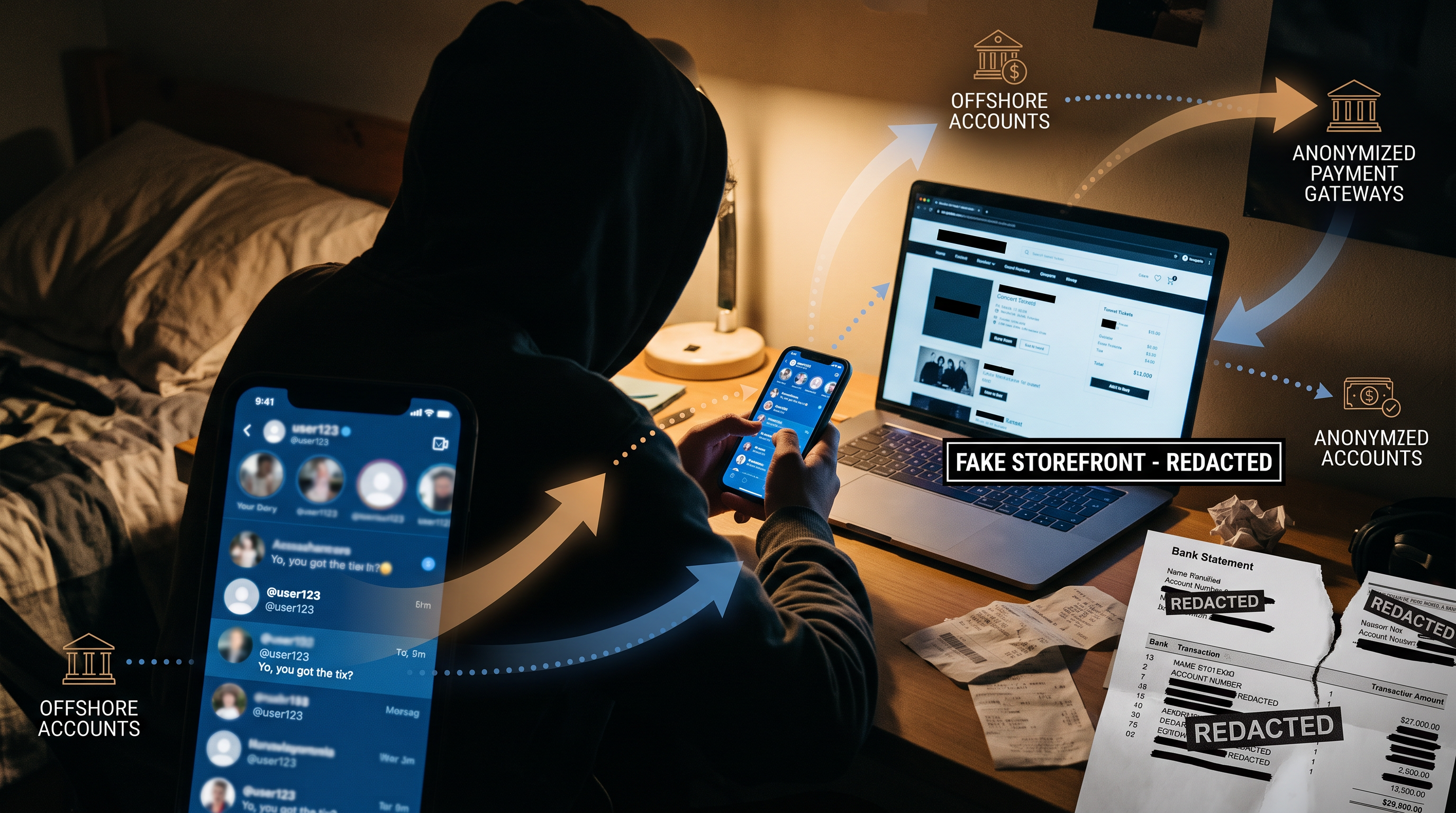
One reason impersonation scams are so difficult to prosecute is the speed at which funds are moved after they are received. Fraudsters typically convert transferred money into cryptocurrency, prepaid cards, or wire it through multiple international accounts within hours. By the time a victim reports the crime and police begin tracing the funds, the trail is cold.
In the Kittanning case, the lack of victim cooperation makes fund recovery almost impossible without independent evidence. Law enforcement would need access to payment platform data, social media account records, or digital evidence obtained through warrants to move forward. That process takes time and resources that local police departments are often stretched to provide.
Conclusion: Protect Yourself Before It Is Too Late
The Rhea Ripley impersonator scam in Pennsylvania is a sharp reminder that no amount of fan loyalty or online familiarity should override basic financial caution. Losing $42,700 to a social media fraudster is a life-altering event, and the emotional fallout can last far longer than the financial recovery. Scammers count on victims being too embarrassed to report what happened, which is exactly why speaking up matters.
If someone you know has fallen victim to a celebrity impersonation scam, encourage them to report it without judgment. The more reports investigators receive, the better chance they have of identifying fraud networks and shutting them down. Check every social media profile claiming to represent a public figure, never send money based on an online request, and share this information with family members who may be at risk. Your vigilance could save someone thousands of dollars and months of heartache.
Frequently Asked Questions
How much money did the victim lose in the Rhea Ripley impersonator scam?
According to police and multiple news outlets including WTAE Pittsburgh, the victim lost $42,700 to someone impersonating WWE star Rhea Ripley online. An early report incorrectly stated the figure as over $400,000, but official sources confirmed the correct amount as $42,700.
Where did the Rhea Ripley impersonation scam take place?
The scam was reported in Kittanning, Pennsylvania, the county seat of Armstrong County. The victim is described as a 64-year-old man who was contacted through social media by someone posing as Rhea Ripley.
Has anyone been arrested in connection with the Rhea Ripley impersonator scam?
As of the latest reports, no arrests have been announced. The investigation has also been complicated by the fact that the victim reportedly refused to cooperate with law enforcement after the initial report was made.
How do celebrity impersonation scams typically work?
Fraudsters create fake social media profiles mimicking a celebrity's name and appearance, then send private messages to fans to build a personal rapport. Once trust is established, they introduce financial requests framed around urgency or exclusive opportunities, using gift cards, wire transfers, or payment apps to collect money quickly.
Where should I report a celebrity impersonation scam?
You should report it to your local police department, to the FTC at ReportFraud.ftc.gov, and to the FBI's Internet Crime Complaint Center at IC3.gov. You should also report the fake account directly to the social media platform where the contact occurred and notify your bank or payment provider if money has already been sent.