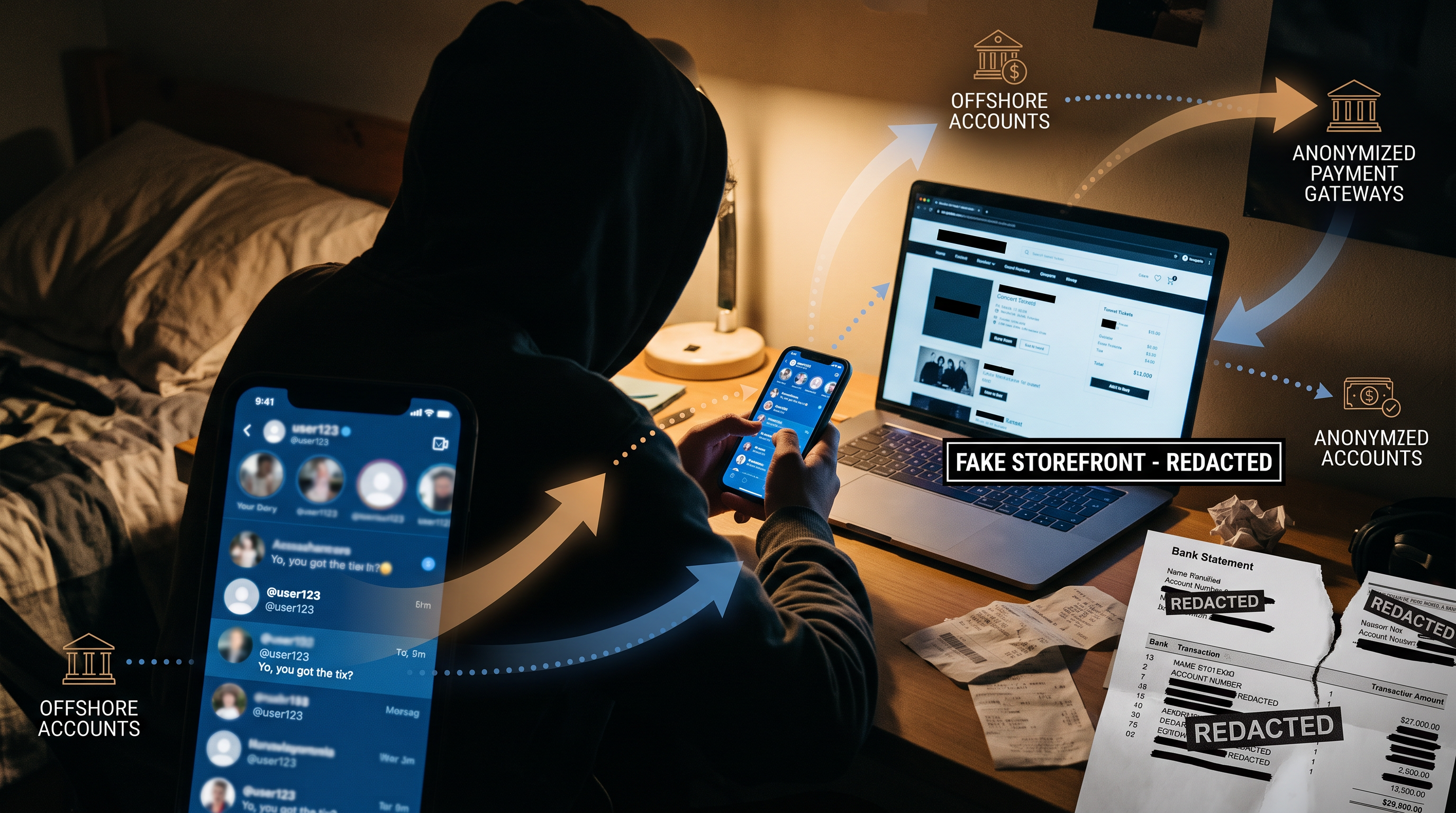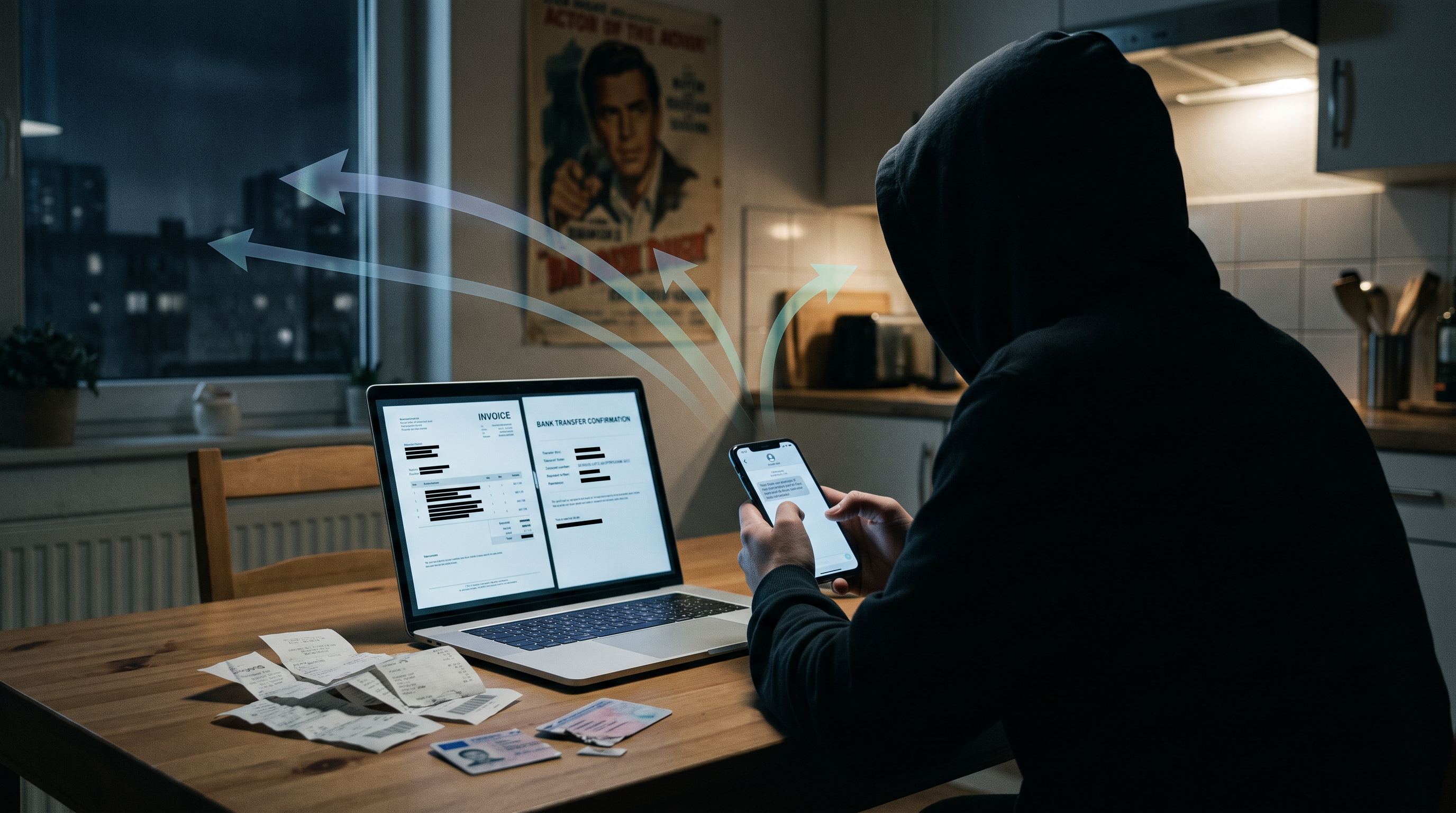
A Bay Area woman has reportedly lost approximately $160,000 after falling victim to a Keanu Reeves impersonation scam, in what authorities describe as a sophisticated social engineering operation. According to Fox 13 News, the fraudster used phone contact, online messaging, and forged documents to convince the victim she was in a genuine relationship with the Hollywood actor. The case is a stark reminder of how celebrity impersonation fraud has evolved into a high-stakes, organized criminal enterprise.
Key Facts
- A Bay Area woman was allegedly defrauded of approximately $160,000 by a scammer impersonating actor Keanu Reeves, according to Fox 13 News.
- The fraudster reportedly used phone calls, online messaging, and forged documents to establish trust with the victim before requesting wire transfers.
- Celebrity impersonation scams cost Americans hundreds of millions of dollars each year, according to the Federal Trade Commission.
- The scam involved urgent pressure tactics and requests for wire transfers, methods specifically chosen because they make fund recovery extremely difficult.
- Investigators have not publicly confirmed whether the impersonator is linked to a broader criminal network operating similar schemes.
How the Keanu Reeves Impersonation Scam Unfolded
According to reporting by Fox 13 News, the scammer made contact with the victim through phone and digital channels, presenting themselves as Keanu Reeves. Over time, the fraudster built what appeared to be a personal and trusting relationship with the woman. This phase of relationship-building is a hallmark of romance-style celebrity impersonation fraud, where criminals invest weeks or months before making financial requests.
Once trust was established, the alleged scammer introduced forged paperwork, fake invoices, and other fabricated documents to add legitimacy to their requests. The victim was then pressured into wire transferring funds, a payment method scammers deliberately choose because wire transfers are nearly impossible to reverse once completed. By the time the fraud was discovered, approximately $160,000 had been sent.
Tactics Used in Celebrity Impersonation Fraud
This case follows a well-documented pattern that law enforcement agencies across the country have repeatedly warned about. Scammers posing as celebrities typically employ a layered set of deception tools designed to defeat a victim's natural skepticism.
- Cloned or fake social media accounts: Fraudsters create profiles that mimic a celebrity's real account, copying profile photos, bios, and posting styles.
- Forged documents: Fake contracts, identification documents, and financial paperwork are used to make requests seem official and credible.
- Urgency and isolation: Victims are told to keep the relationship secret and pressured to act quickly, cutting off the time they might use to seek outside advice.
- Wire transfers and gift cards: These payment methods are specifically requested because they are difficult or impossible to trace and recover.
- Off-platform communication: Victims are moved away from monitored platforms to private messaging apps or phone calls, removing a layer of potential detection.
This type of scheme is increasingly overlapping with deepfake technology. Researchers and platforms have documented how AI-generated video and audio are being deployed to make celebrity impersonation even more convincing, as NBC News has reported in its ongoing coverage of deepfake scams spreading across Facebook, TikTok, and YouTube. A related case covered here explored a similar scheme in an AI deepfake investment scam that cost a victim $250,000, illustrating how quickly these tactics are escalating.
Why Celebrity Impersonation Scams Are So Effective
The psychological power behind a Keanu Reeves impersonation scam, or any celebrity impersonation fraud, lies in the public's pre-existing positive associations with famous names. Victims are not naive. They are targeted with precision and subjected to sustained, carefully crafted manipulation.
Keanu Reeves in particular has a widely known public persona built around kindness and authenticity, which scammers deliberately exploit. When someone believes they are in contact with a celebrity who has chosen them specifically, the emotional stakes become very high. That emotional investment is what fraudsters count on to override rational financial judgment.
The FTC has consistently flagged celebrity impersonation as one of the fastest-growing fraud categories in the United States. Losses from impersonation scams involving celebrities, government officials, and businesses reached staggering levels in recent years. It is worth noting that a similar scam targeting fans of a public figure was documented in the Reese Witherspoon deepfake impersonation scam, which used fabricated video to defraud victims across multiple states.
How to Recognize and Avoid Celebrity Impersonation Fraud
Understanding the warning signs can prevent catastrophic financial loss. Law enforcement and consumer protection agencies recommend the following steps if you believe you have been contacted by someone claiming to be a celebrity.
- Verify through official channels: Check the celebrity's verified social media accounts and official website. Real celebrities do not initiate personal contact with fans through unsolicited messages.
- Never send wire transfers or gift cards: Legitimate individuals and organizations do not request payment through gift cards or wire transfers. These are universally recognized red flags.
- Preserve all communications: Screenshot messages, note phone numbers, and save any documents received. This evidence is critical for law enforcement investigations.
- Contact your bank immediately: If funds have been transferred, your bank may be able to initiate a recall process, though success is not guaranteed.
- File a report: Report the fraud to local police, to the FTC at reportfraud.ftc.gov, and to the FBI's Internet Crime Complaint Center at ic3.gov.
The Scale of the Broader Problem
The $160,000 loss suffered by this Bay Area woman is not an outlier. It reflects a broader surge in high-value, organized impersonation schemes that are increasingly targeting individuals with access to significant savings or retirement funds. These are not opportunistic, low-level scams. They are planned operations with infrastructure, forged materials, and scripted social engineering playbooks.
Financial crime analysts have noted that impersonation fraud frequently intersects with other schemes such as investment fraud and romance scams. In some cases, victims who respond to celebrity impersonators are subsequently introduced to fake investment platforms designed to extract additional funds over time. The scale of digital fraud across the board continues to grow, with crypto and wire-transfer-based losses reaching billions annually according to financial crime reporting.
For anyone who has been contacted by someone claiming to be a celebrity and asking for money, the answer should always be the same: stop, verify, and report. The emotional difficulty of accepting that a relationship was fabricated is real, but acting quickly gives victims the best chance of limiting their losses.
Frequently Asked Questions
How does a Keanu Reeves impersonation scam typically work?
A scammer creates a fake social media profile or uses direct messaging to pose as Keanu Reeves, building a personal relationship with the victim over time. Once trust is established, the fraudster uses forged documents and urgent pressure to convince the victim to send wire transfers or gift card payments. The funds are almost always unrecoverable once sent. Real celebrities do not initiate unsolicited personal contact with fans online.
How much money did the Bay Area woman lose to the Keanu Reeves scammer?
According to Fox 13 News, the Bay Area woman lost approximately $160,000 to the scammer who was impersonating Keanu Reeves. The fraud involved phone contact, online messaging, and forged paperwork used to build trust and justify the transfer of funds. Investigators have not publicly named a suspect at this time.
Can victims of celebrity impersonation scams get their money back?
Recovery of funds lost to wire transfer fraud is extremely difficult because transfers are processed quickly and often routed through multiple accounts or overseas. Victims should contact their bank immediately, file a police report, and report the crime to the FTC and FBI IC3 to maximize any chance of recovery. In some cases, international law enforcement cooperation has led to partial fund recovery, but this is rare.
What should I do if I think a celebrity is contacting me online?
You should assume any unsolicited online contact claiming to be from a celebrity is fraudulent until proven otherwise through verifiable, official channels. Check the celebrity's verified social accounts and official website for any confirmation of the contact. Never send money, share personal financial information, or move communication to private channels at the request of an unverified contact.
Where can I report a celebrity impersonation scam?
You should report celebrity impersonation fraud to your local police department, to the FTC at reportfraud.ftc.gov, and to the FBI's Internet Crime Complaint Center at ic3.gov. You should also report the fake account directly to the platform where the contact was made. Preserving all communications, screenshots, and transaction records before making these reports will significantly help investigators.