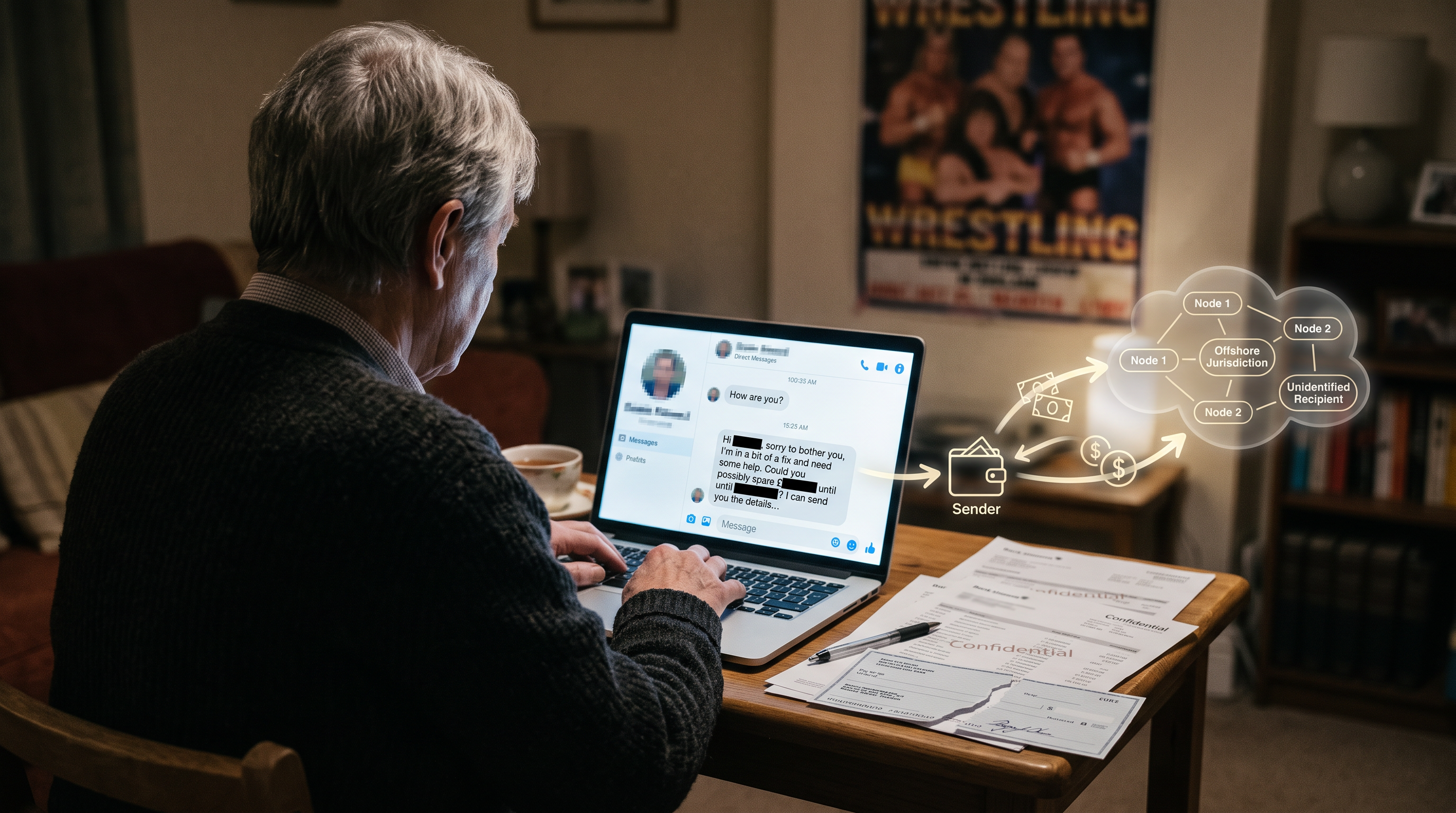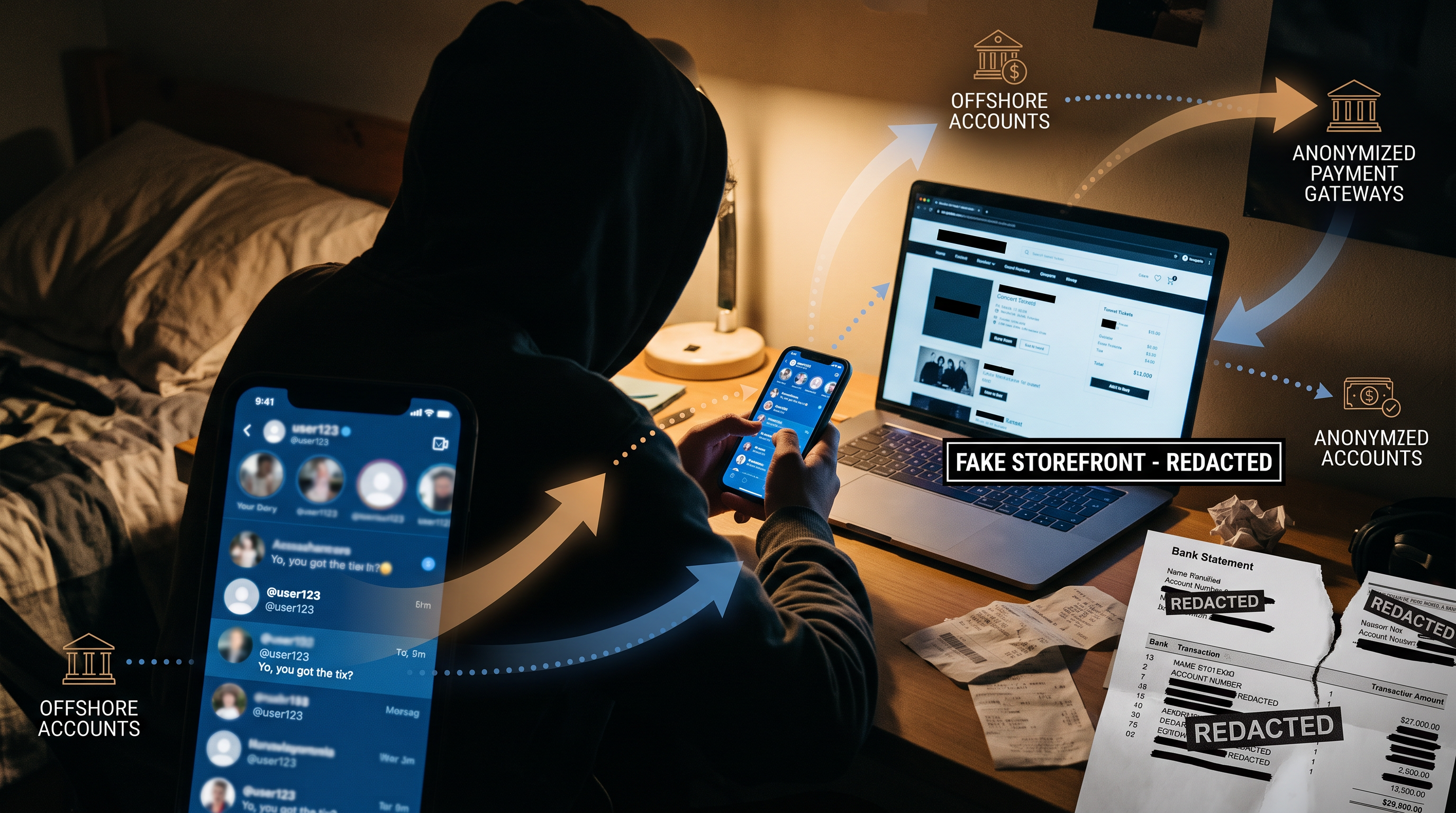
AI voice-cloning scams are the latest threat facing homebuyers during real estate closings. Scammers are using advanced artificial intelligence tools to mimic the voices of real estate agents and attorneys, tricking unsuspecting buyers into wiring their down payment and closing costs to fraudulent bank accounts. This highly convincing form of wire fraud can result in six-figure losses for victims—in many cases, with little chance to recover stolen funds.
How the Scam Works
- A scammer hacks the email account of a real estate professional involved in the transaction or gathers information through phishing.
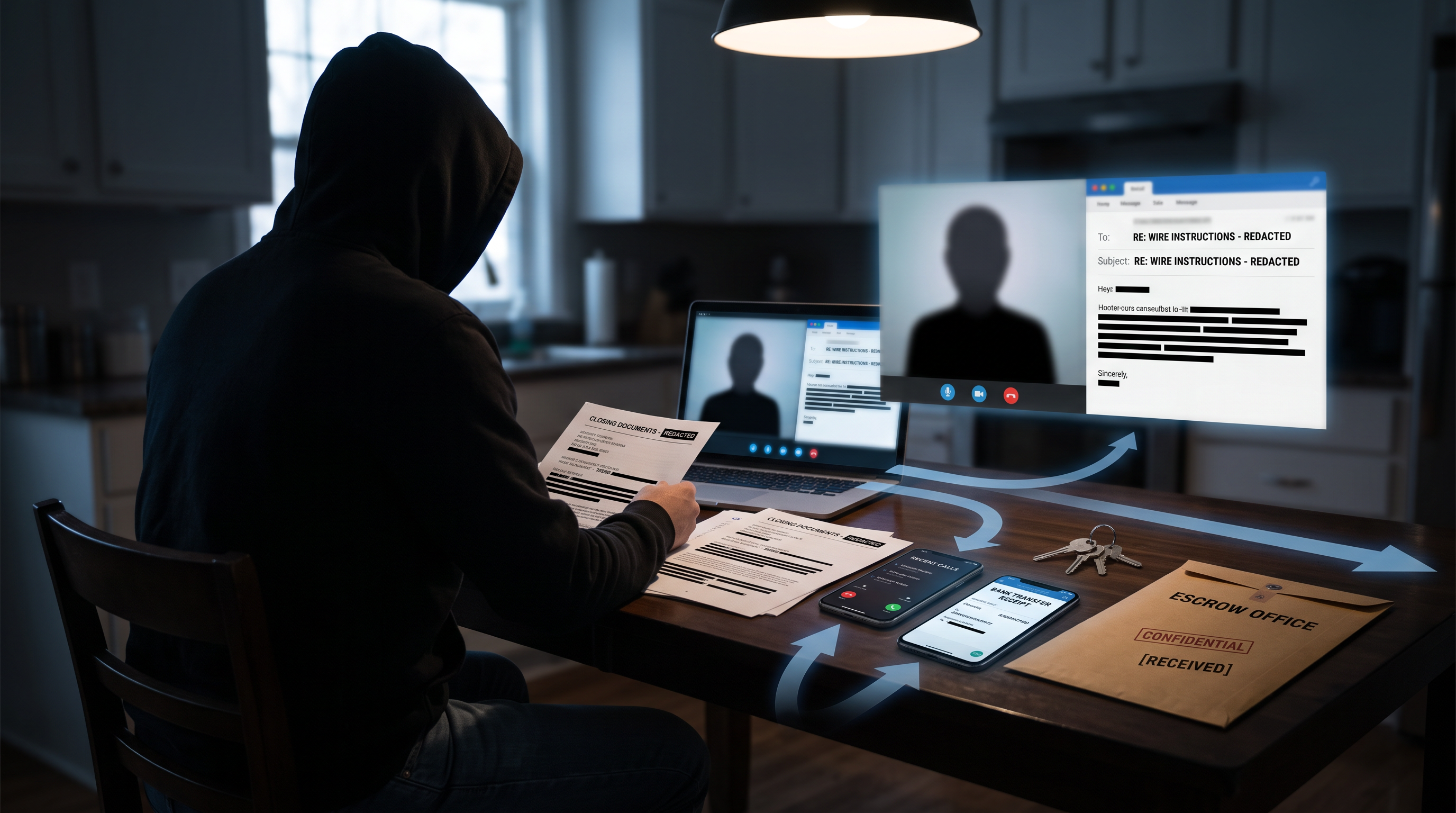
- As the closing date nears, the scammer uses AI tools to clone the voice of the buyer's agent or attorney, often training the model on recordings found in voicemails or social media.
- The buyer receives a phone call from a voice nearly identical to their agent, instructing them to expect new wiring instructions to finalize their purchase.
- Shortly after the call, a forged email arrives with urgent instructions and fake wiring details. The buyer, reassured by the familiar voice, wires their life savings to a criminal account.
- By the time the actual agent contacts the buyer, the funds are often gone.
Why Voice-Cloning Makes Real Estate Wire Fraud So Dangerous
- It adds a powerful layer of credibility to traditional email scams. Buyers are far less likely to doubt a wire request after speaking to a voice they recognize and trust.
- AI-generated audio can now be created with just a few minutes of voice samples, making it accessible to many criminals.
- Most buyers are under pressure during closing and may not stop to independently verify new wiring instructions, especially after a convincing call.
Recent Case Examples
According to reports from the FBI and CNN, individual homebuyers have lost hundreds of thousands of dollars in a single fraudulent transaction. Real estate wire fraud complaints and total losses have reached record levels in the US, with new cases using sophisticated AI impersonation tactics.
How Buyers Can Protect Themselves
- Always verify wiring instructions by phone using a trusted number from the company website—not from any recent email or call.
- Establish a code word or special phrase with your agent or attorney early in the process for confirming changes.
- Be suspicious of any urgency around wiring money or requests for immediate action, especially just before closing.
- Request written wiring instructions in-person where possible, and never rely on last-minute changes sent via email or text.
- Ask your title or escrow company about their dual-verification protocols for any wire changes.
If You've Been Targeted
Contact your bank immediately to request a reversal, and report the fraud to the FBI's Internet Crime Complaint Center (IC3) at ic3.gov as well as the FTC at reportfraud.ftc.gov. The sooner you act, the better your chances of recovering your funds.
Conclusion
AI voice-cloning is making real estate wire fraud more convincing and more costly than ever before. Education and multi-channel verification are the best defenses for homebuyers facing a closing date.