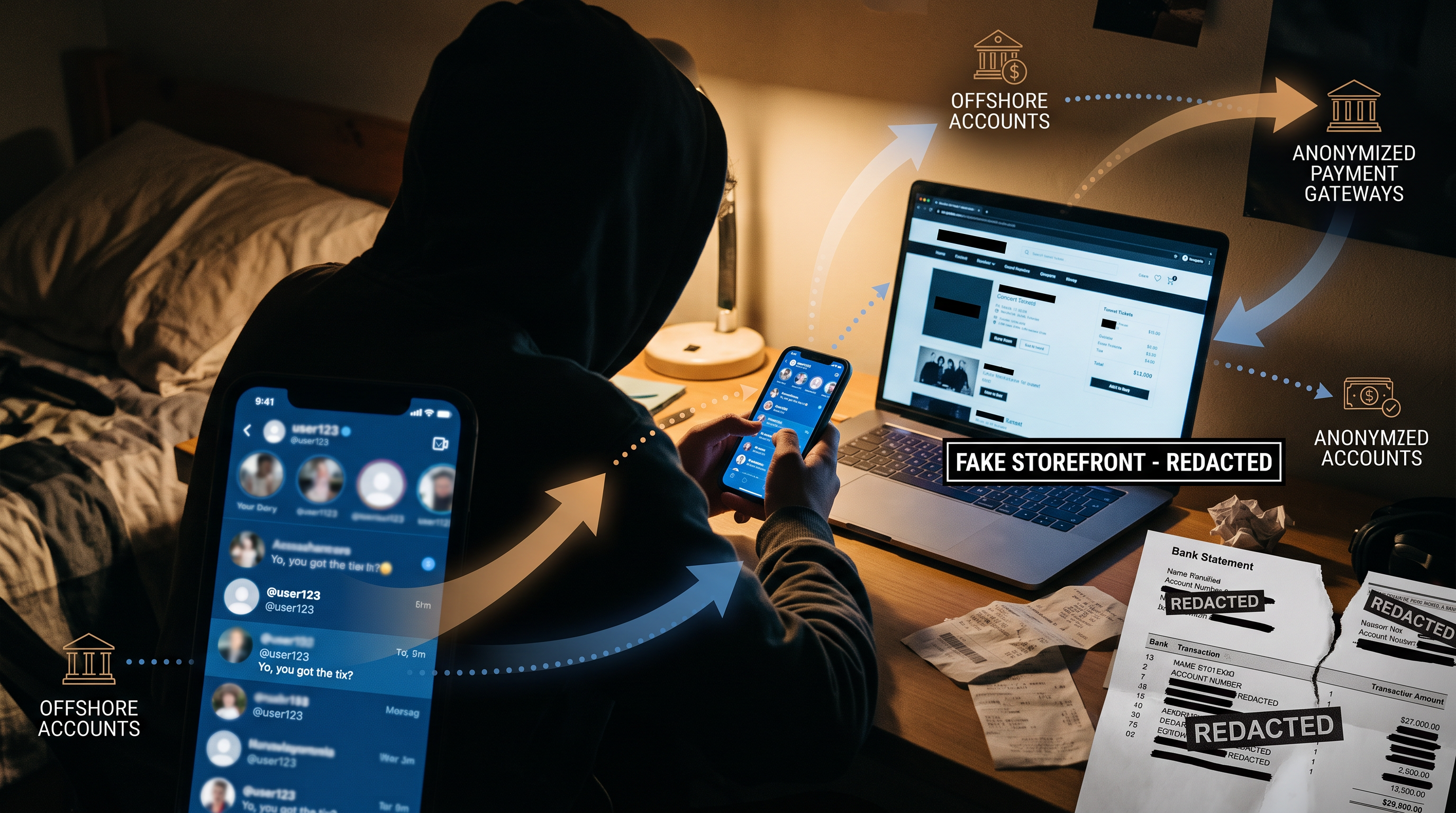
The U.S. Financial Crimes Enforcement Network (FinCEN) has released a new report revealing that approximately $12.7 billion in suspicious financial flows have been flagged in connection with crypto investment scams. The agency’s analysis uncovers the alarming speed, scale, and sophistication with which digital asset fraudsters operate—using fake trading platforms, romance-based manipulation, social media schemes, and mixing services to move and launder illicit funds out of reach from victims and law enforcement.
Key Findings
- FinCEN’s data comes primarily from Suspicious Activity Reports (SARs) filed by U.S. banks and crypto platforms as required under the Bank Secrecy Act.
- Investment scams often target individuals via social media, online dating apps, and messaging platforms, then trick victims into sending cryptocurrency to fake platforms or fraudulent wallet addresses.
- Fraudsters use mixing services and chain-hopping—moving funds between multiple cryptocurrencies and blockchains—to obscure the money trail.
- Weak Know Your Customer (KYC) controls at some crypto venues were identified as a vulnerability exploited by criminals.
FinCEN’s report urges banks, exchanges, and other financial firms to update their fraud monitoring procedures and emphasizes the need for rapid action once scams are detected.
How These Crypto Investment Scams Work
Scammers contact potential victims (sometimes over months), gain their trust—often via romance or impersonation scams—and gradually convince them to try out a new ‘lucrative’ crypto trading platform or app. These websites and apps are convincing fakes, designed to appear legitimate and sometimes allow small withdrawals initially to bolster trust. After a major deposit is made, the scam platform vanishes or locks the victim’s account.
Once the criminals control the funds, they use services called ‘mixers’ to jumble and redistribute the cryptocurrency, and quickly transfer funds between blockchains (chain-hopping), often making recovery all but impossible.
What Victims and Institutions Should Do
- Never send crypto based on an online relationship or message, no matter how trustworthy the person seems.
- Always verify crypto trading platforms with official regulators before investing.
- Report suspicious activity to your bank, crypto exchange, and authorities immediately—speed can make a difference in recovery.
Regulators and lawmakers are expected to push for stricter reporting requirements, enhanced real-time transaction monitoring, and better KYC at all points where crypto and fiat money intersect.