She believed she was talking to a rock legend. According to reports, Leslie Pickett, 55, of Louisiana, lost about $10,000 in a Jon Bon Jovi romance scam that ran for roughly 10 months. The story has spread widely because it shows how a famous name can be used as a tool to win trust, and how quickly that trust can be turned into payment demands.
Key facts
- Leslie Pickett, 55, of Louisiana, says she lost approximately $10,000 to an online romance scammer who impersonated rock star Jon Bon Jovi, according to an October 16, 2026 report.
- Pickett says the contact began in late 2024 and continued for roughly 10 months, and the impostor allegedly spent about six months building her trust before asking for money.
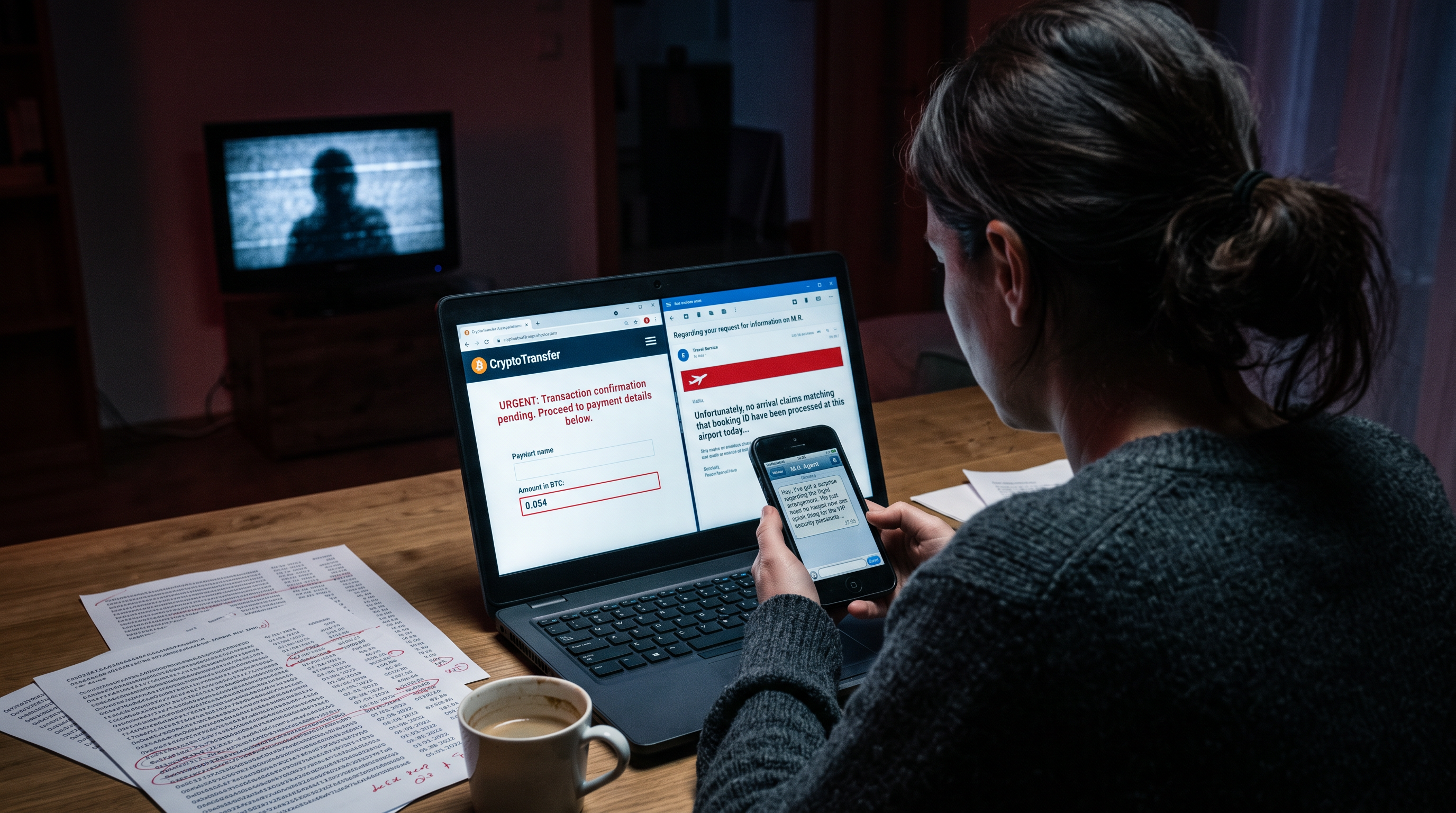
- In July 2025, the impostor allegedly claimed to have flown to Louisiana to meet Pickett, and the supposed visit led to further demands, including Bitcoin for an alleged security issue.
- Jon Bon Jovi is not accused of wrongdoing, and the case appears in the documentary Super Scam Me, featuring investigative journalist Mariana van Zeller.
What Happened in the Jon Bon Jovi Romance Scam
Pickett described her experience in the documentary Super Scam Me, which features investigative journalist Mariana van Zeller. Business Insider and ABC7 Chicago have also reported on her account.
According to Pickett, the contact started in late 2024. The person on the other end presented himself as Jon Bon Jovi and stayed in touch for about 10 months. She later went through her transfers with police and estimated her total losses at $10,000.
The events described here reflect Pickett's reported experience. No one has been reported convicted in connection with her case, and the reports reviewed do not say her money was recovered.
A Timeline of the Reported Contact
- Late 2024: Pickett says contact with the alleged impostor began online.
- About six months of trust building: The impostor reportedly spent roughly half a year cultivating a relationship before raising the subject of money.
- July 2025: The scammer allegedly claimed to have flown to Louisiana to meet her. The supposed visit reportedly led to more demands.
- Security issue claim: The impostor allegedly asked for Bitcoin to deal with a supposed security problem.
- After the contact ended: Pickett reviewed her transfers with police and estimated her losses at $10,000.
How a Celebrity Impersonation Romance Scam Builds Trust
The most important detail in this case is the timing. The impostor reportedly waited about six months before asking for money. That patience is a hallmark of romance fraud, where the goal is to make a victim feel known, valued, and emotionally invested before any request appears.
A famous identity adds a second layer. Many people find it hard to believe a stranger would invent such a bold lie, so the claim itself can lower a person's guard. In this story, the celebrity identity was a tool for cultivating trust. It was not evidence that the singer was involved in any way.
Why a Promised Meeting Can Backfire
The reported July 2025 visit is a common turning point in these schemes. A scammer announces a trip to meet the target, and then an obstacle appears. The obstacle usually requires money, and the victim is asked to help so the long awaited meeting can happen.
In Pickett's account, the supposed visit to Louisiana did not end in a meeting. It led to further demands instead, including the request for Bitcoin tied to an alleged security issue.
Why the Bitcoin Request Is a Red Flag
The contrast at the center of this story is stark. On one side is the promise of meeting a world famous musician. On the other is a demand for cryptocurrency. That gap is exactly what makes the case a useful warning.
Cryptocurrency payments are difficult to reverse and hard to trace for the average person. Scammers favor them for that reason. A legitimate public figure would not ask a fan to send Bitcoin to solve a personal security problem.
Common Warning Signs of Romance Fraud
- A famous person contacts you privately and shows unusual interest in you.
- The relationship moves quickly to private chat apps or constant messaging.
- The person always has a reason not to appear on a live video call.
- A planned meeting falls through because of an emergency or a sudden cost.
- You are asked to pay in Bitcoin, gift cards, or wire transfers.
- The story involves secrecy, urgency, or a security threat.
The Super Scam Me Documentary
Pickett's story appears in Super Scam Me, a documentary featuring Mariana van Zeller. ABC7 Chicago reported on the film's look at the dark side of romance scams. Ars Technica also covered the documentary and its focus on love bombing, the practice of overwhelming a target with affection to speed up emotional attachment.
Documentaries like this matter because they put real faces to a crime that victims often hide out of embarrassment. Pickett speaking publicly gives other people a concrete example to compare against their own online relationships.
Jon Bon Jovi Is Not Accused of Wrongdoing
It is worth stating plainly that Jon Bon Jovi is not accused of any wrongdoing in this case. He is described as the identity the impostor used, not as a participant. Scammers borrow the names and photos of well known people because those names carry instant credibility.
This pattern is not limited to musicians. Readers can see similar tactics in our coverage of the Jennifer Aniston deepfake scam, where a celebrity likeness was used to lure victims. The same playbook shows up in MrBeast impersonation giveaway scams, and in the Antonio Banderas deepfake health scam.
What to Do If You Suspect a Celebrity Romance Scam
Anyone who thinks they are being targeted can take several steps right away.
- Stop sending money. Do not pay any further fees, even if the request sounds urgent or official.
- Keep records. Save messages, account names, wallet addresses, and receipts for every transfer.
- Contact your bank or exchange. Ask whether any transfer can be flagged or stopped.
- Report it. File a report with the FTC at reportfraud.ftc.gov and with the FBI Internet Crime Complaint Center at ic3.gov.
- Tell someone you trust. Isolation helps scammers, and a second opinion often breaks the spell.
Pickett took a similar step by going over her transfers with police, which gave her a clear estimate of what she lost.
Lessons From the Jon Bon Jovi Romance Scam
The case offers a few takeaways that apply well beyond one victim. Patience is a weapon, since the impostor reportedly spent about six months on trust before any request for money. A famous name is not proof of identity. And a request for Bitcoin, especially tied to a security story, should end the conversation.
Anyone can be targeted. Pickett chose to share her story so others might recognize the signs sooner than she did.
Conclusion: Verify Before You Trust
The reported Jon Bon Jovi romance scam shows how an emotional bond and a celebrity name can be combined to pull money from someone over many months. Pickett's estimated $10,000 loss is a reminder that these schemes reward patience and punish skepticism that arrives too late.
If a famous person contacts you online and eventually asks for money, treat it as fraud until proven otherwise. Share this article with a friend or relative who spends time on social media, and report any suspicious contact to the FTC and the FBI.
Frequently Asked Questions
Who is Leslie Pickett and what happened to her?
Leslie Pickett, 55, of Louisiana, says she lost approximately $10,000 to an online romance scammer who impersonated rock star Jon Bon Jovi. She says the contact began in late 2024 and lasted about 10 months. Her account appears in the documentary Super Scam Me.
Was Jon Bon Jovi involved in the scam?
No. Jon Bon Jovi is not accused of any wrongdoing. According to the reports, an impostor used his identity to build trust with Pickett.
Why did the scammer ask for Bitcoin?
According to Pickett's account, the impostor requested Bitcoin for an alleged security issue after a supposed visit to Louisiana in July 2025. Scammers often prefer cryptocurrency because transfers are difficult to reverse and trace. A legitimate public figure would not ask a fan for Bitcoin.
How can I spot a celebrity romance scam?
Warning signs include a famous person contacting you privately, refusing live video calls, canceling meetings because of sudden problems, and asking for money in Bitcoin or gift cards. Slow trust building followed by an urgent payment request is a common pattern. When in doubt, stop communicating and verify through official channels.
Where do I report a romance scam?
In the United States, you can report it to the FTC at reportfraud.ftc.gov and to the FBI Internet Crime Complaint Center at ic3.gov. You should also contact your bank or crypto exchange right away and keep copies of all messages and receipts.