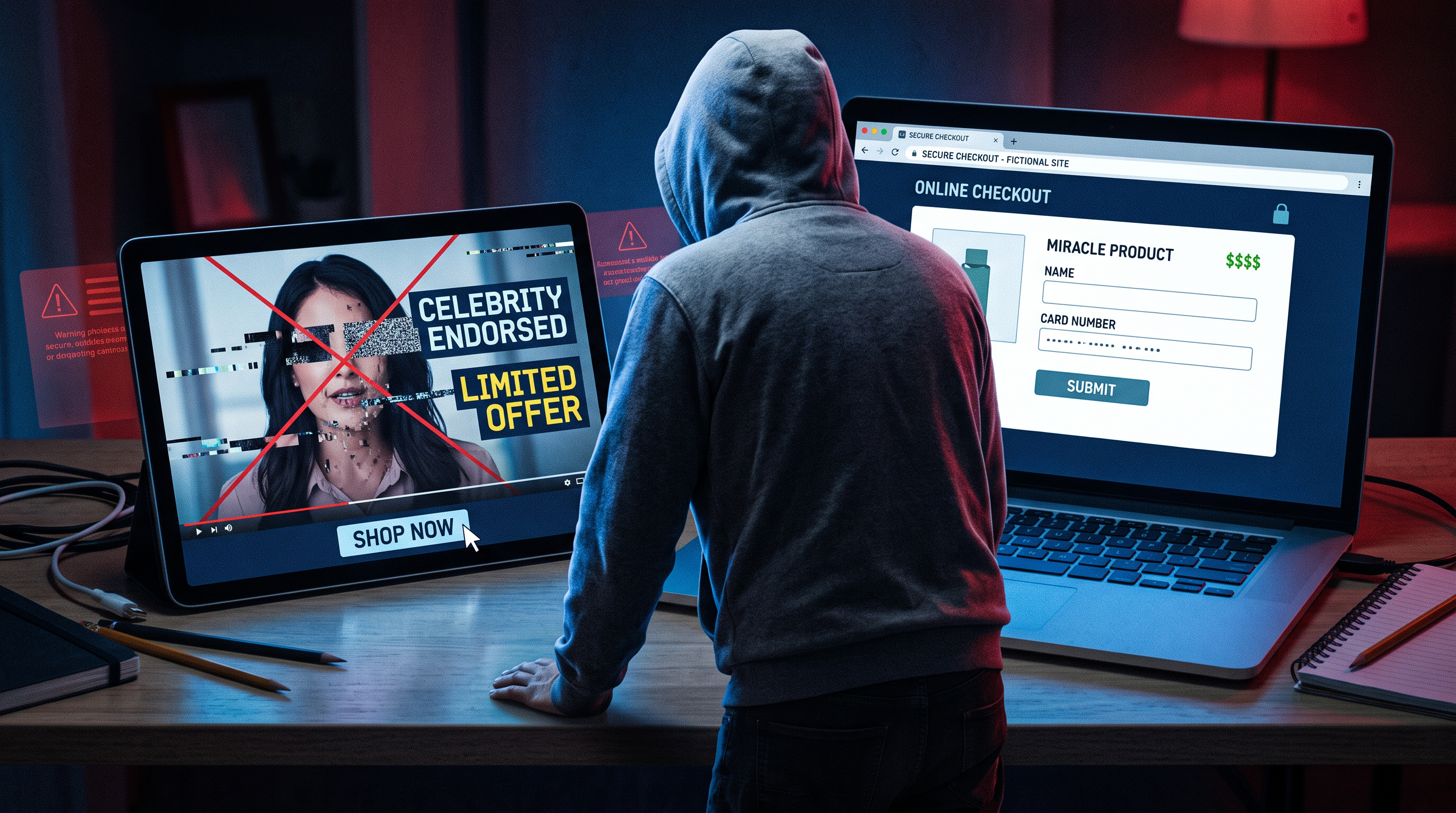
A familiar face, a smiling taste test, and a link to buy. For viewers who saw the video, it looked like South Korean singer and television personality Lee Ji-hye was personally recommending a product. According to SBS News, she never filmed it. The Lee Ji-hye fake AI ad is the latest example of how convincing manipulated footage has become, and how easily it can steer shoppers toward a purchase.
Key facts
- SBS News reported on October 27, 2026 that AI-generated advertising falsely showed South Korean entertainer Lee Ji-hye eating and promoting a product she never agreed to endorse.
- According to SBS, consumers bought products after seeing the manipulated footage because they believed Lee's endorsement was genuine.
- Lee publicly denied any involvement, warned audiences not to follow the promotional sales links, and discussed taking legal action against those responsible, according to the cited coverage.
- Sports Chosun earlier documented Lee's warning about the AI-composited advertisement, so the October 27 SBS report revisits an issue she had already raised.
What SBS Reported About the Lee Ji-hye Fake AI Ad
SBS News published its report on October 27, 2026. It described advertising built with artificial intelligence that appeared to show Lee eating a product and recommending it to viewers. The footage was manipulated. Lee did not film the commercial.
The report said buyers purchased items on the strength of that apparent endorsement. That detail matters because celebrity trust is the whole point of this kind of ad. A viewer who would scroll past an unknown seller may pause for a face they recognize.
Lee responded by denying any role in the promotion. She told audiences not to click the sales links attached to the advertising. She also discussed pursuing legal action against whoever is responsible.
Lee Ji-hye's Response to the Fake AI Endorsement
Lee has spoken about this problem before. Sports Chosun covered her warning about an AI-composited advertisement that used her likeness. A separate Times of India report carried the headline that she speaks out against false AI ads and says she never filmed these commercials.
The message across the coverage is consistent. Lee says the commercials are not hers, and she wants fans to stay away from the links. Nothing in the cited reporting suggests she took part in or profited from the promotion.
Has a lawsuit been filed?
Not according to the sources reviewed. Lee discussed pursuing legal action, but the cited coverage does not say a case has been filed. Readers should treat any claim of a filed lawsuit as unconfirmed until a court record or official statement says otherwise.
How a Fake AI Endorsement Video Works
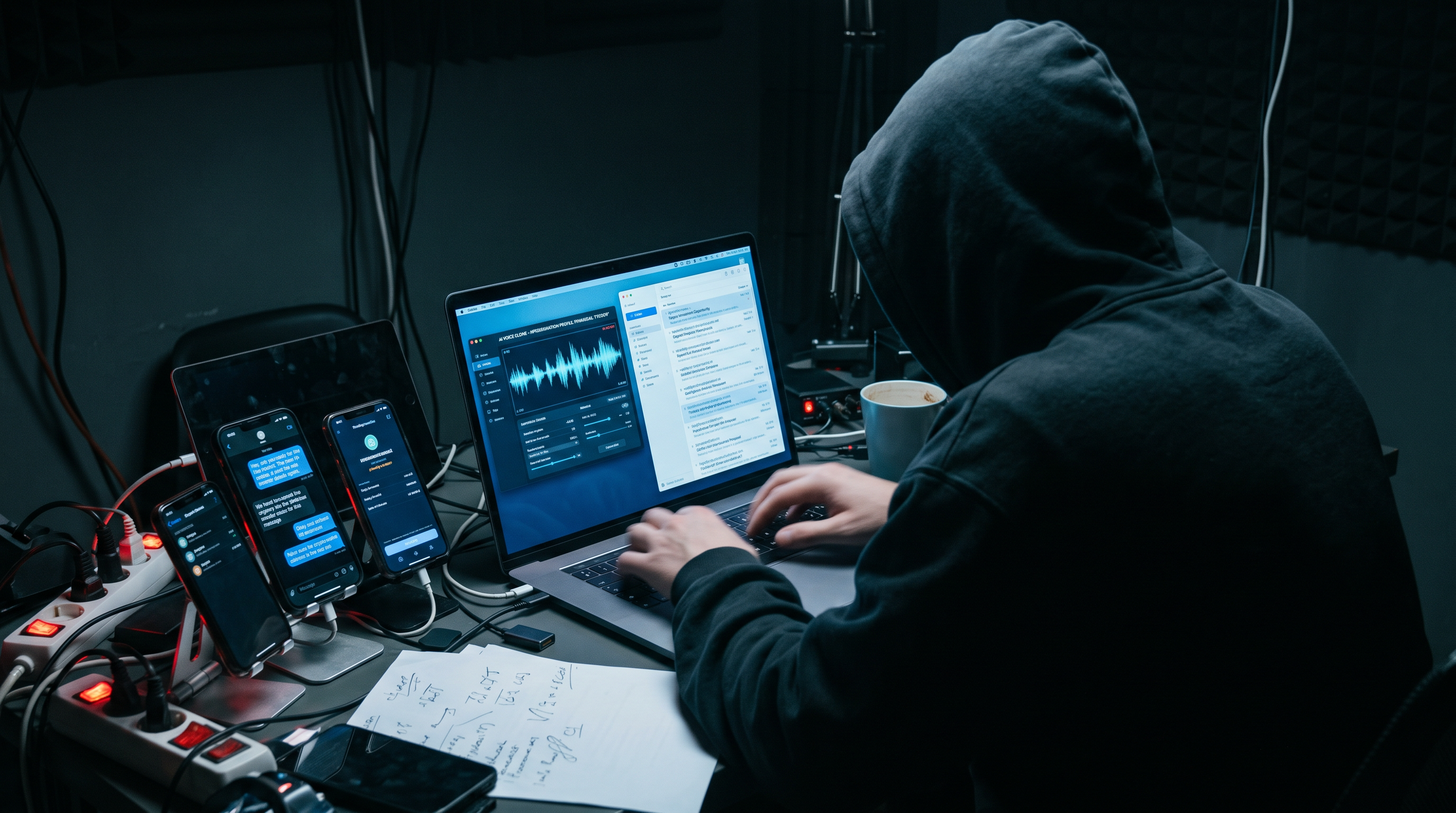
Tools that clone faces and voices are now cheap and widely available. A scammer can take publicly available footage of a well known person, then composite their likeness into a new clip. The result can show the celebrity speaking, smiling, or eating on camera, even though the scene never happened.
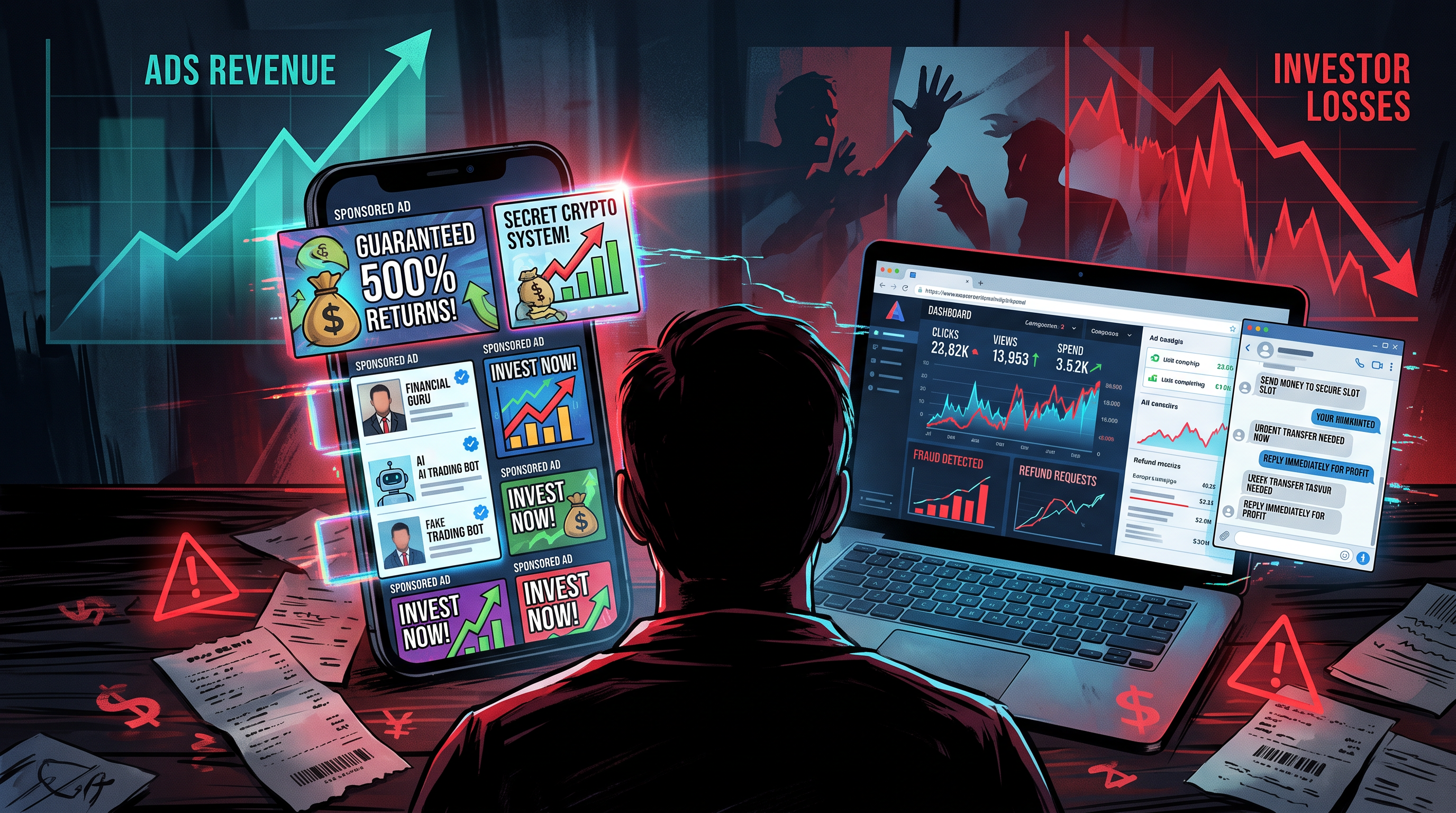
The video is then pushed through social media ads or short clips with a link to an online shop. The shopper sees a trusted figure, assumes the product has been vetted, and buys. In this case, SBS reported that exactly that kind of buying took place.
Why the footage looks so convincing
Eating scenes are especially persuasive. They feel casual and unscripted, and they seem to show a natural reaction to the product. That is why a fabricated food testimonial can feel more believable than a stiff, obviously staged ad.
What Is Still Unknown
Several basic questions remain open in the cited coverage. Readers should be careful not to fill the gaps with guesses.
- The operator behind the advertising has not been reliably identified.
- The specific product has not been independently established.
- The number of affected buyers has not been confirmed.
- Total financial losses have not been independently established.
- It is not confirmed that buyers were deprived of goods, only that they bought believing the endorsement was real.
The October 27 report also does not name a newly identified perpetrator. It revisits a problem Lee had already raised, which is why the story reads as an ongoing warning rather than a breaking arrest.
Why AI Celebrity Endorsement Scams Keep Spreading
Lee is far from the only public figure whose image has been borrowed. Our coverage of an Elon Musk deepfake scam arrest shows how fake videos of famous people have been used to lure victims. The pattern is the same: a trusted face, a persuasive pitch, and a link.
Platforms also sit at the center of the problem, since the ads need somewhere to run. One example is the state action covered in our report on Rhode Island suing Meta over scam ads. And fake celebrity identities are not limited to video, as seen in the Kenny Chesney impersonator scam.
The common thread is borrowed trust. The more recognizable the person, the less scrutiny many viewers apply to the offer.
How to Spot a Fake AI Ad Before You Buy
No single check is perfect, but a few habits can cut the risk sharply. Run through this list before you pay for anything advertised by a celebrity.
- Check the celebrity's official channels. If a star really endorses a product, it is usually posted on their verified accounts or announced by their agency.
- Watch for odd details. Look for lip movements that do not match the voice, blurry edges around the face, or stiff, repeated gestures.
- Inspect the seller. A brand new shop with no reviews, no business address, and pressure to buy fast is a warning sign.
- Be wary of urgent offers. Countdown timers and limited stock claims are common tools in deceptive marketing.
- Pay with protection. Credit cards and some payment services offer dispute options that bank transfers do not.
If you already bought something
Contact your card issuer or payment provider right away and ask about a dispute. Keep screenshots of the ad, the seller page, and your receipt. Then file a report. In the United States, you can report fraud to the FTC or the FBI Internet Crime Complaint Center. Readers elsewhere should contact their national consumer protection or police cybercrime unit.
The Bigger Lesson From the Lee Ji-hye Fake AI Ad
This case is not evidence of wrongdoing by Lee. It is an example of alleged deceptive marketing built on the unauthorized use of a person's likeness. The victims include the celebrity whose image was used and the shoppers who trusted it.
Her public denial also shows one of the few defenses available. When a person speaks up quickly, fans have a chance to hear the correction before they buy. That is why her warning, first covered earlier and repeated in the October 27 SBS report, is worth sharing.
Conclusion: Verify Before You Click
The Lee Ji-hye fake AI ad shows how far manipulated video can travel and how real the consequences can be for buyers. According to SBS, shoppers bought products believing a genuine endorsement, while Lee says she never filmed any such commercial. Key details, including who ran the ads and how many people were affected, remain unconfirmed.
Do not buy a product just because a famous face seems to recommend it. Check the celebrity's official accounts, research the seller, and use a payment method that allows disputes. If you spot a suspicious ad, report it to the platform and to your local fraud authority, and share this article so others can do the same.
Frequently Asked Questions
Did Lee Ji-hye really endorse the product in the AI video?
No. According to SBS News, the footage was AI-generated and Lee never filmed the advertisement. She publicly denied involvement and warned people not to follow the sales links.
Has Lee Ji-hye filed a lawsuit over the fake AI ad?
The cited coverage says Lee discussed pursuing legal action against those responsible. It does not confirm that a lawsuit has been filed. The person or group behind the ad has not been reliably identified.
How can I tell if a celebrity endorsement video is AI-generated?
Look for mismatched lip movements, blurry facial edges, and unnatural gestures. Then check whether the celebrity or their agency posted the endorsement on official, verified accounts. If you cannot find it there, treat the ad as suspect.
What should I do if I bought a product from a fake celebrity ad?
Contact your card issuer or payment provider to ask about a dispute, and save screenshots of the ad, the seller page, and your receipt. You can also report the scam to the FTC at reportfraud.ftc.gov or the FBI IC3 at ic3.gov if you are in the United States.