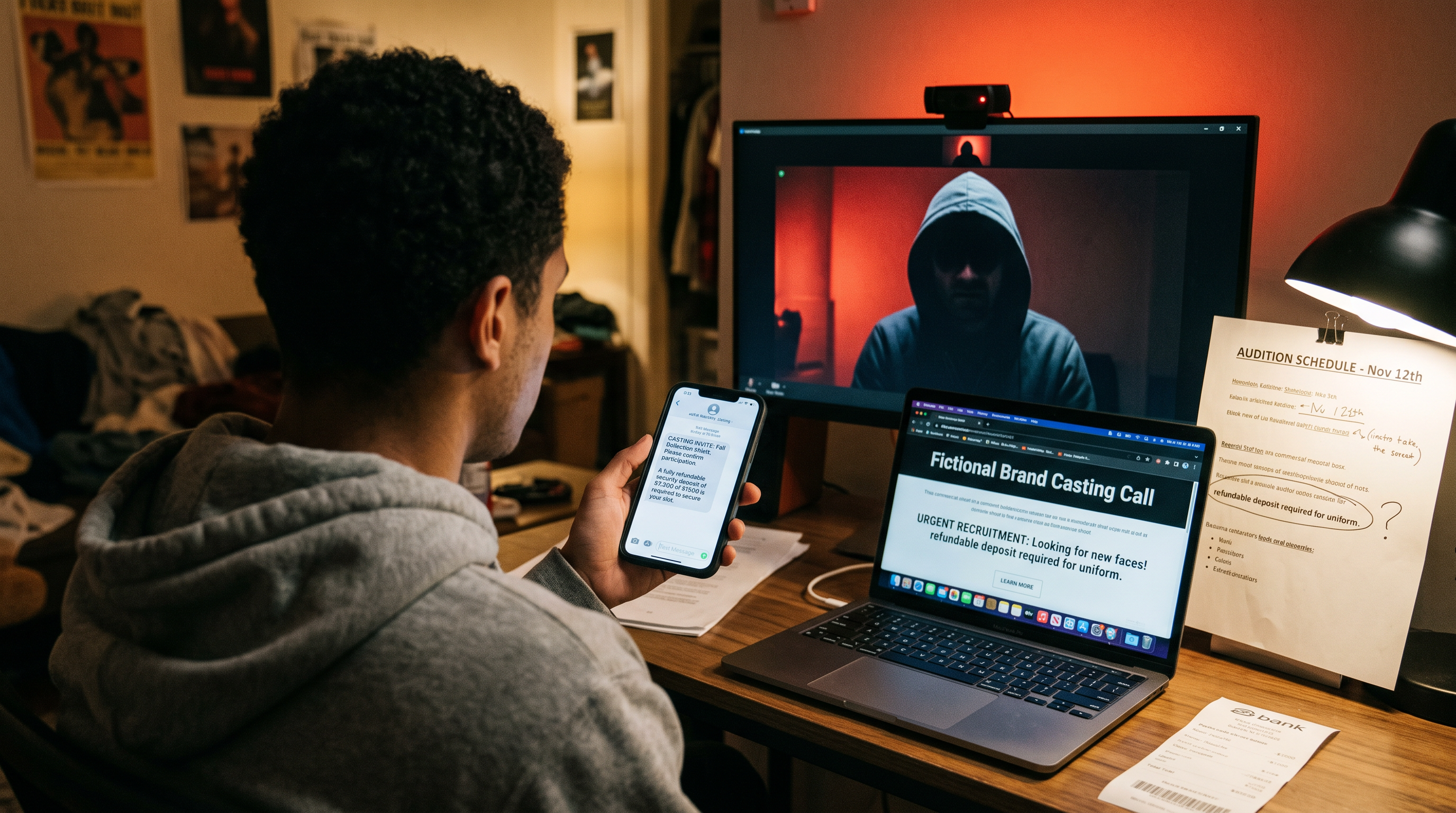
A man accused of helping launder money from a fake crypto trading operation is now in a U.S. courtroom. Zheng Zhao, a 44-year-old Chinese national, appeared in federal court in California on October 23, 2026, after he was extradited from the Netherlands. Prosecutors say the scheme used counterfeit trading websites and fake dashboards to convince 174 Americans their investments were growing, while the deposits were allegedly diverted overseas.
Key facts
- Chinese national Zheng Zhao, 44, appeared in federal court in California on October 23, 2026, after being extradited from the Netherlands, according to the Justice Department.
- Zhao is charged with conspiracy to commit money laundering in connection with an alleged cryptocurrency investment scam that targeted 174 U.S. victims, according to prosecutors.
- Investigators say more than $36.9 million moved from U.S. bank accounts controlled by co-conspirators to an account at Deltec Bank in the Bahamas, according to the Justice Department.
- Zhao was charged in August 2025 and faces a maximum of 20 years in prison if convicted, but he has not been convicted and is presumed innocent.
Zheng Zhao Extradited: What Happened
The Zheng Zhao extradited case moved forward this week when the defendant made his first appearance in a California federal court. He had been held in the Netherlands while the extradition process played out. According to the Justice Department, he was charged in August 2025.
The charge is conspiracy to commit money laundering. If convicted, Zhao faces a maximum penalty of 20 years in prison. A conviction has not happened, and under U.S. law he is presumed innocent until proven guilty in court.
The case drew wider attention after UPI reported on the extradition. The Justice Department published its own details in a press release on the extradition, and the U.S. Attorney's Office for the Central District of California posted a companion notice.
How the Alleged Cryptocurrency Investment Scam Worked
According to the Justice Department, the operators were based in Cambodia. They allegedly contacted people online and steered them toward cryptocurrency trading websites that looked real but were counterfeit.
Once a victim signed up, the site displayed an account dashboard. The numbers on that dashboard made the investment appear profitable. Prosecutors allege the balances were fake and the deposits were diverted to the people running the scheme.
The step by step pattern prosecutors describe
- Scam operators in Cambodia reach out to targets online.
- Victims are directed to counterfeit crypto trading websites.
- Fake dashboards show rising balances and apparent gains.
- Victims send more money, believing the platform is legitimate.
- The deposits are allegedly diverted instead of being invested.
This pattern is a familiar one for investigators. The false profits do the persuading, because a person who sees gains on a screen is more likely to deposit more.
The Alleged Money Laundering Pipeline
The charge against Zhao centers on what happened after the money left victims. Investigators say more than $36.9 million flowed from U.S. bank accounts controlled by co-conspirators to an account at Deltec Bank in the Bahamas. Zhao and others allegedly helped convert those funds into Tether, a widely used cryptocurrency.
From there, prosecutors allege the Tether was sent to a wallet controlled in Cambodia. The money was then allegedly distributed to leaders of the scam centers.
Why the $36.9 million figure needs context
The $36.9 million number describes transfers identified by prosecutors. It is not a court-established amount that Zhao personally stole. The allegations are also not proven, and the case will turn on what the government can show at trial or in any resolution.
That distinction matters. A money laundering conspiracy charge targets the movement and concealment of funds, not necessarily the first contact with victims. Prosecutors say Zhao's alleged role was in converting and routing the proceeds.
Why Crypto Investment Scam Extraditions Matter
Cross-border fraud is hard to prosecute. The people who contact victims may sit in one country, the bank accounts in another, and the wallets in a third. Extradition gives U.S. prosecutors a way to bring a defendant before a U.S. judge when he is arrested abroad.
In this case, the Netherlands handed over a suspect accused of working in the financial middle of the chain. That is the part of a scam operation where stolen deposits get cleaned up and moved out of reach.
Similar cases show how prosecutors treat the laundering side of fraud as a serious crime in its own right. For example, we covered a Medicare fraud money laundering guilty plea where the movement of proceeds was central to the charges. We also reported on the sentencing of Adam Iza in a crypto fraud case, another reminder that digital assets are now a regular feature of federal fraud prosecutions.
Warning Signs of a Fake Crypto Trading Platform
The allegations in this case line up with red flags that consumer protection agencies repeat often. If you invest in crypto, or someone is urging you to, check for these signs.
- A stranger contacts you online and quickly steers the conversation toward investing.
- You are told to use a trading website or app you have never heard of.
- The platform shows steady, impressive profits that seem too good to be true.
- You can see gains on screen but struggle to withdraw money.
- You are asked to pay fees or taxes before you can access your balance.
- The promoter pressures you to deposit more, fast.
A dashboard is only a display. It does not prove that your money is invested anywhere. Before sending funds, verify the platform's registration with financial regulators and search for independent complaints.
Pyramid and investment schemes share the same playbook
Fake returns are not limited to crypto. Our report on the Novatechfx pyramid scheme founders shows how promised profits can keep new money flowing in until the structure collapses. The common thread is a promise of easy gains backed by numbers the victim cannot independently check.
What To Do If You Lost Money to a Crypto Scam
Speed matters. Funds that move through bank accounts and crypto wallets can be hard to trace the longer you wait. If you think you were targeted, take these steps:
- Stop sending money and cut off contact with the people involved.
- Save screenshots, wallet addresses, transaction records, emails, and chat logs.
- Report the loss to the FTC at reportfraud.ftc.gov.
- File a complaint with the FBI Internet Crime Complaint Center at ic3.gov.
- Contact your bank right away if you wired funds from a bank account.
Be wary of anyone who offers to recover your money for an upfront fee. Recovery scams often target people who have already been defrauded.
What Happens Next in the Zhao Case
Zhao now faces proceedings in federal court in California. The next steps will include his formal response to the charge and scheduling of further hearings. The government will need to prove its allegations beyond a reasonable doubt if the case goes to trial.
The allegations also point to a larger network. Prosecutors describe co-conspirators who controlled U.S. bank accounts, a Bahamas bank account, a Cambodian wallet, and scam-center leaders who allegedly received the proceeds. Zhao is accused of one role in that chain, and the court will decide whether the evidence supports the charge.
Bottom Line on the Zheng Zhao Extradition
The Zheng Zhao extradition shows how far U.S. prosecutors will go to pursue alleged crypto fraud networks that operate across borders. The core allegation is simple: fake dashboards displayed profits that did not exist, and the real deposits were routed through a Bahamas bank and Tether wallets to Cambodia. Zhao has not been convicted, and the $36.9 million figure reflects transfers identified by prosecutors rather than a court finding.
If you or someone you know has been approached about a crypto investment that seems too good to be true, pause before you send anything. Report suspicious platforms to the FTC and the FBI, and share this article with anyone who is considering an online investment from a stranger.
Frequently Asked Questions
Who is Zheng Zhao and what is he charged with?
Zheng Zhao is a 44-year-old Chinese national who was extradited from the Netherlands to face charges in California. Prosecutors charge him with conspiracy to commit money laundering tied to an alleged cryptocurrency investment scam. He has not been convicted and is presumed innocent.
How much money is involved in the Zheng Zhao case?
The Justice Department says more than $36.9 million flowed from U.S. bank accounts controlled by co-conspirators to a Deltec Bank account in the Bahamas. That figure describes transfers identified by prosecutors. It is not a court-established amount that Zhao personally stole.
How did the alleged crypto investment scam work?
According to prosecutors, operators in Cambodia contacted victims online and directed them to counterfeit cryptocurrency trading websites. Fake account dashboards made the investments look profitable, while the deposits were allegedly diverted. Funds were then converted into Tether and sent to a wallet controlled in Cambodia.
What is the maximum penalty Zheng Zhao faces?
Zhao faces a maximum of 20 years in prison if he is convicted of conspiracy to commit money laundering. He was charged in August 2025. Any sentence would be decided by a federal judge only after a conviction or guilty plea.
Where can I report a cryptocurrency investment scam?
You can report it to the FTC at reportfraud.ftc.gov and to the FBI Internet Crime Complaint Center at ic3.gov. Include transaction records, wallet addresses, and screenshots of the website and any messages. Contact your bank immediately if you sent money by wire or bank transfer.