Imagine getting a message from the richest man in the world, complete with a voice that sounds exactly like his. According to Nigerian police, that is the trick a 23-year-old suspect allegedly used on strangers online. The Elon Musk deepfake scam arrest has drawn wide attention because it shows how cheap AI tools can turn a stranger into a convincing celebrity. Here is what police have said so far, what remains unproven, and how to protect yourself.
Key facts
- Nigerian police identified Adebayo Adewale Basit, 23, as a suspect accused of impersonating Elon Musk using AI-generated voice cloning and deepfake technology, according to reporting on October 25, 2026.
- Basit was reportedly among three suspects arrested in Lekki, Lagos, on October 14 in an investigation into alleged identity theft, investment fraud and money laundering.
- Investigators say Basit created email addresses resembling Musk's name and used Facebook, WhatsApp, Telegram and X to reinforce the false identity.
- Elon Musk is not accused of any involvement, and the police allegations against Basit have not been proven in court.
What Nigerian Police Say About the Elon Musk Deepfake Scammer
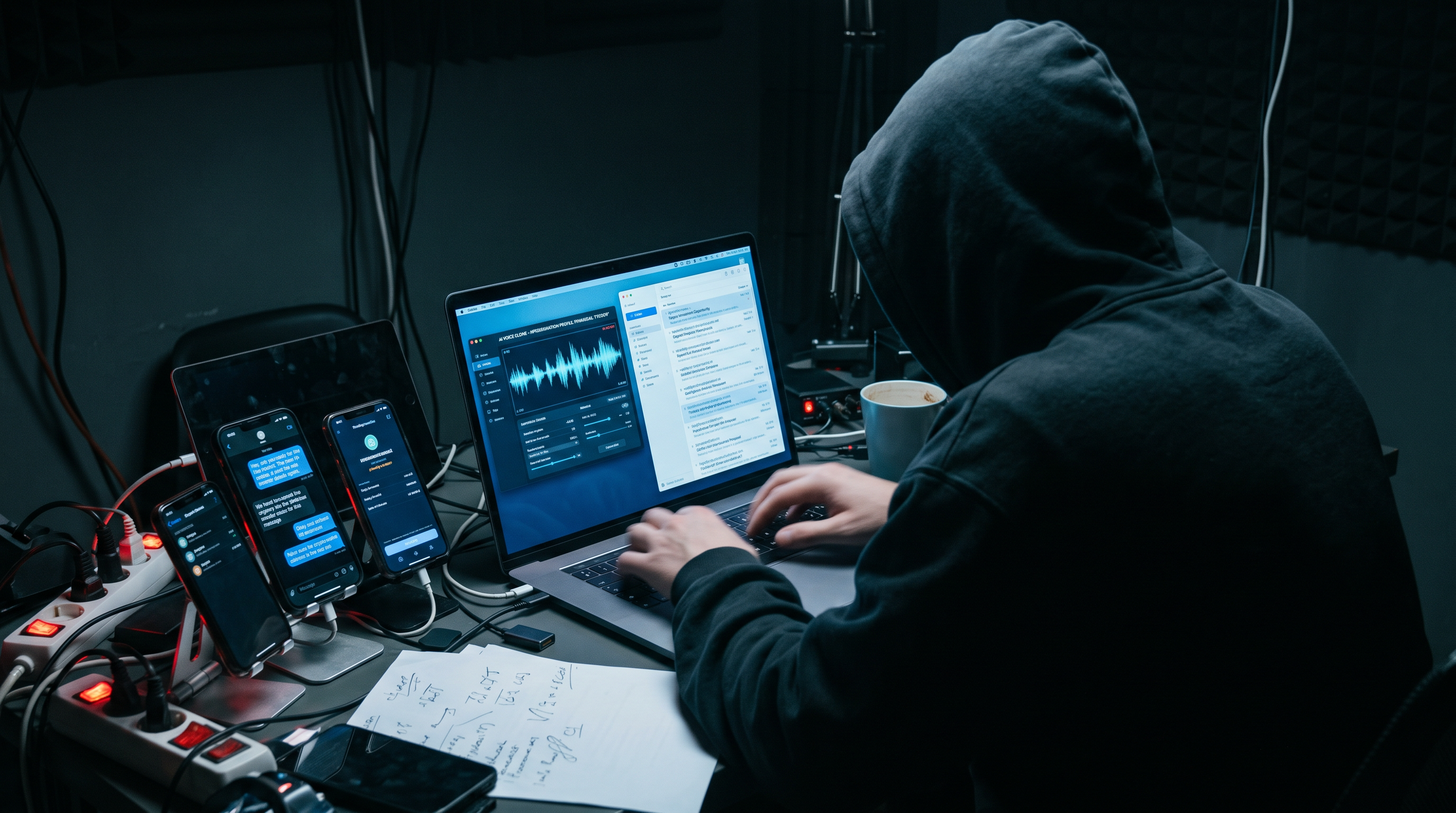
Police named Adebayo Adewale Basit as the suspect linked to the Musk impersonation. According to BusinessDay, investigators allege he used AI-generated voice cloning and deepfake technology to pose as the billionaire. The goal, according to the allegations, was to convince strangers they were speaking with the real person.
Investigators also say Basit set up email addresses that resembled Musk's name. He then reportedly used social media and messaging platforms to make the false identity look consistent. Those platforms included Facebook, WhatsApp, Telegram and X.
The arrest is a police allegation, not a court finding. No conviction has been reported, and the cited coverage does not establish how much money, if any, any individual victim lost to Basit.
The Lekki, Lagos arrest on October 14
Basit was reportedly one of three suspects arrested in Lekki, a district of Lagos, on October 14. Police described the wider case as an investigation into alleged identity theft, investment fraud and money laundering. The details were made public in a police announcement covered by several Nigerian and international outlets.
You can read parallel coverage from Vanguard and the Voice of Nigeria, which both summarize the crackdown on cybercrime syndicates.
The Bitcoin Trading Hub Connection
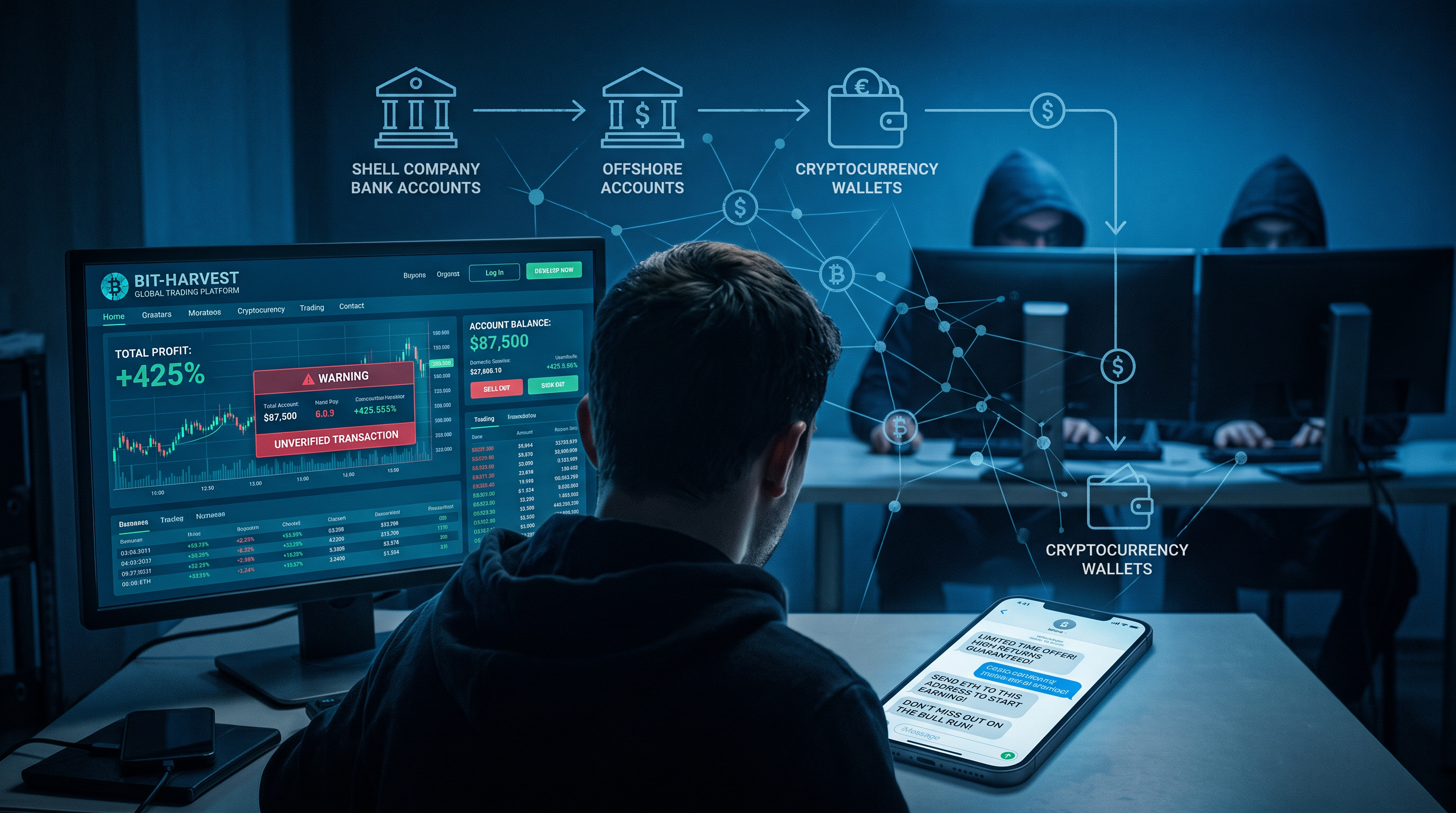
Police also discussed a purported investment platform called Bitcoin Trading Hub. The announcement tied the platform to the broader investigation into alleged investment fraud. The reports do not give a full public breakdown of how the platform operated or how many people used it.
Fake trading platforms often rely on trust borrowed from a famous name. A message that appears to come from a well-known tech founder can make an unknown crypto site look legitimate. That is the pattern police appear to be describing, though the specifics remain allegations.
How the $2 Million Figure Fits In
Much of the coverage mentions more than $2 million in alleged fraud. It is important to read that number correctly. The figure covers multiple separate investigations announced together, not money personally stolen by Basit.
No individual loss amount for Basit has been established in the cited reports. Anyone sharing this story should avoid attributing the $2 million total to him alone.
Separate strands of the police operation
The police announcement covered several different cybercrime networks. Four other suspects arrested in Delta State belong to a separate strand of the investigation and are not part of the Lekki group. According to EconoTimes, the broader operation involved cross-border cybercrime probes, with a headline figure of nine arrests.
- Lekki, Lagos: three suspects arrested on October 14, including Basit.
- Delta State: four suspects in a separate strand of the investigation.
- Overall: multiple probes into investment and romance-style online fraud, with more than $2 million in alleged fraud across them.
Why a Deepfake Scam Using Elon Musk Works
Elon Musk is one of the most recognizable people on the planet. His name carries instant credibility with people interested in crypto, space or electric cars. Scammers know that and borrow his image to lower a target's guard.
Voice cloning makes the trick harder to spot. A short audio sample can be enough for modern software to produce speech that sounds close to the original. When a fake voice is paired with a plausible email address and active social accounts, a stranger can feel they have reached someone real.
Musk impersonation is not new, and the same playbook is used with other famous names. Our coverage of the Jon Bon Jovi romance scam and the Kenny Chesney impersonator scam shows how often celebrity identities get used to build false trust.
Red Flags of a Celebrity Deepfake Scam
Few people expect to be targeted by a billionaire, which is exactly why these scams succeed. Watch for these warning signs:
- Unsolicited contact. A famous person does not message strangers out of the blue to offer investments.
- Look-alike email addresses. Small spelling changes or free email domains are a sign of a fake. Police say Basit used addresses resembling Musk's name.
- Pressure to move platforms. A push to continue on WhatsApp or Telegram is a common tactic.
- Guaranteed returns. Real investments never promise fixed profits, especially in crypto.
- Requests for crypto or gift cards. These payments are hard to trace and nearly impossible to reverse.
- Voice or video that feels slightly off. Odd pauses, flat emotion or lip movement that does not match can point to AI generation.
Impersonation fraud on social platforms
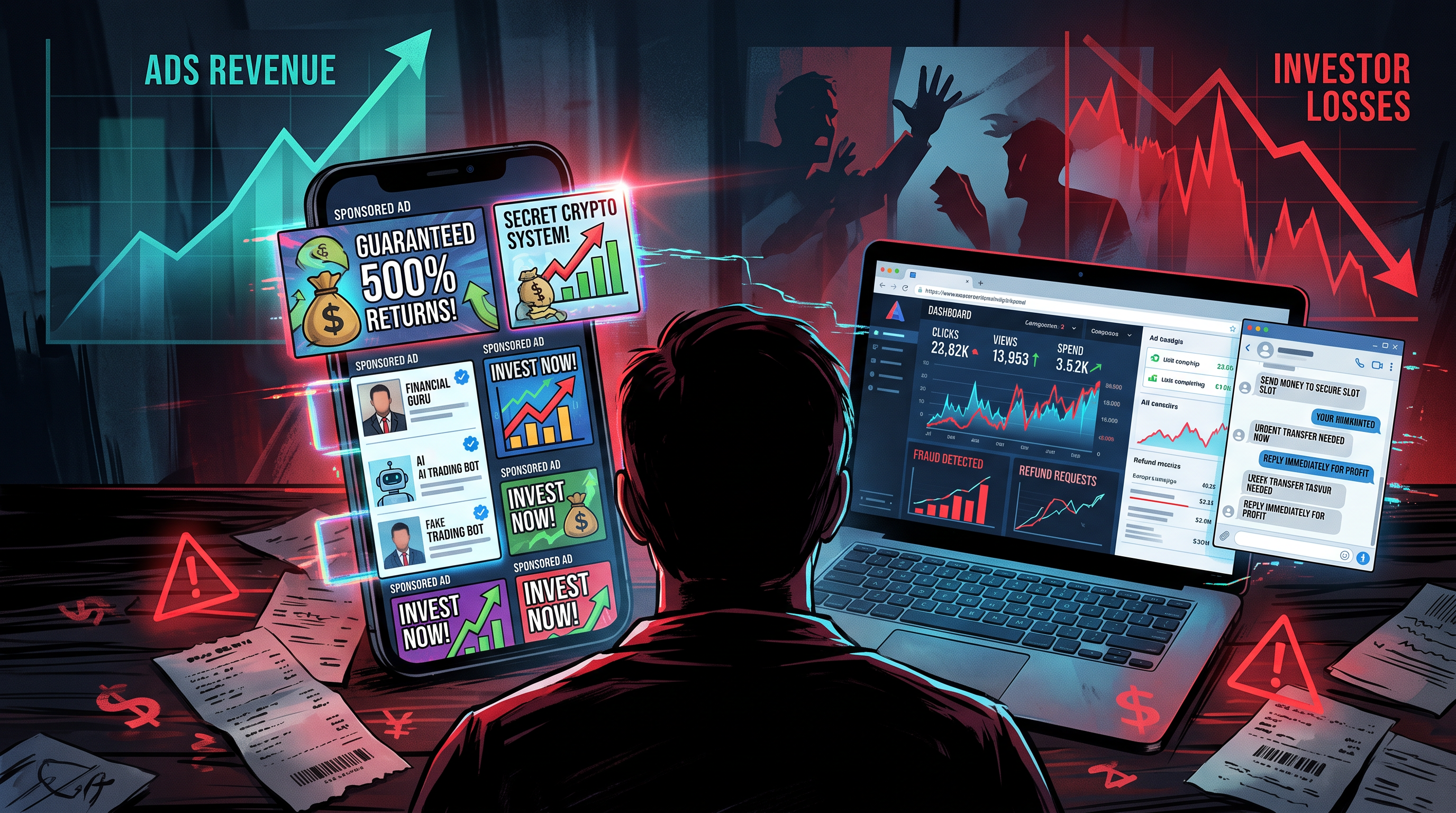
Fake celebrity accounts and ads remain a major problem on large platforms. For a related look at the pressure on tech companies, see our report on Rhode Island suing Meta over scam ads. Impersonation fraud often starts with a convincing profile or paid advertisement before a victim ever receives a private message.
How to Protect Yourself From AI Impersonation Scams
A few habits can stop most of these schemes before money changes hands.
- Verify identity through an official, independently confirmed channel before you act.
- Never send money or crypto to someone you have only met online.
- Search the investment platform's name along with the word "scam" before you register.
- Agree on a family code word to confirm a caller is who they claim to be.
- Slow down. Urgency is a tool scammers use to prevent you from thinking.
What to do if you were targeted
Stop all contact and keep screenshots, email headers, wallet addresses and payment records. Contact your bank or exchange right away if you sent funds. In the United States, report the incident to the Federal Trade Commission and the FBI Internet Crime Complaint Center. Victims elsewhere should contact local police or their national cybercrime unit.
What Happens Next in the Basit Case
The reports describe arrests and allegations, not verdicts. Basit has not been convicted in the cited coverage, and he is entitled to a presumption of innocence. Prosecutors would need to prove the case in court, and further details on charges may emerge as the investigation continues.
The case still highlights a wider trend. AI tools have lowered the skill needed to fake a voice or a face, and police agencies are now treating deepfake impersonation as part of ordinary investment fraud. Expect more cases where synthetic media is cited as part of the scheme.
Bottom Line on the Elon Musk Deepfake Scam Arrest
Nigerian police allege a 23-year-old in Lagos used AI voice cloning, look-alike emails and social media accounts to pose as Elon Musk. Musk is not accused of any involvement, and the allegations remain unproven. The $2 million figure refers to several investigations combined, not to one person's alleged haul.
The practical lesson is simple. If a famous name contacts you about money, assume it is fake until you confirm otherwise through an official source. Share this story with anyone who invests in crypto, and report suspicious messages to the FTC or IC3 so investigators can connect the dots. For more alerts on impersonation and investment fraud, keep following Blacklist.
Frequently Asked Questions
Who is Adebayo Adewale Basit?
Adebayo Adewale Basit is a 23-year-old identified by Nigerian police as a suspect accused of impersonating Elon Musk with AI voice cloning and deepfake technology. He was reportedly among three suspects arrested in Lekki, Lagos, on October 14. The allegations have not been proven in court.
Was Elon Musk involved in the deepfake scam?
No. Elon Musk is not accused of any involvement. According to police, he was the person being impersonated, and the scheme allegedly used his identity without permission to gain victims' trust.
Did Basit steal $2 million?
No, that is not what the reports say. The more than $2 million figure covers alleged fraud across multiple separate investigations announced together. No individual loss amount for Basit has been established in the cited reports.
How can I tell if a celebrity message is a deepfake scam?
Be suspicious of any unsolicited message from a famous person, especially one that promotes an investment or asks for crypto. Check for look-alike email addresses, pressure to switch to WhatsApp or Telegram, and promises of guaranteed returns. Verify through the person's official channels before responding.
Where can I report an AI impersonation or investment scam?
In the United States, you can file a report with the FTC at reportfraud.ftc.gov and with the FBI Internet Crime Complaint Center at ic3.gov. Contact your bank or crypto exchange immediately if you sent money. People in other countries should report to local police or their national cybercrime agency.