A fan thought she was talking to a country music superstar. She ended up sending roughly $310,000 to someone else. Then she sued the real star, and a California appeals court has now said no. The Kenny Chesney impersonator scam case is a blunt lesson in how celebrity fraud works and where the law draws the line.
Key facts
- According to a California appellate court opinion and press reports, fan Patricia Linson sent approximately $310,000 to a person impersonating country singer Kenny Chesney.
- Reportedly, the impostor first contacted Linson on LinkedIn and asked for money for supposed music industry costs, including an awards appearance, damaged instruments and music videos.
- On August 11, 2026, California's Second District Court of Appeal upheld the dismissal of Linson's claims against Chesney, finding no special legal relationship that required him to protect fans from third-party impostors.
- Chesney was not accused of personally receiving the scam payments, and the ruling does not establish who operated the fake account.
What Happened in the Kenny Chesney Impersonator Scam
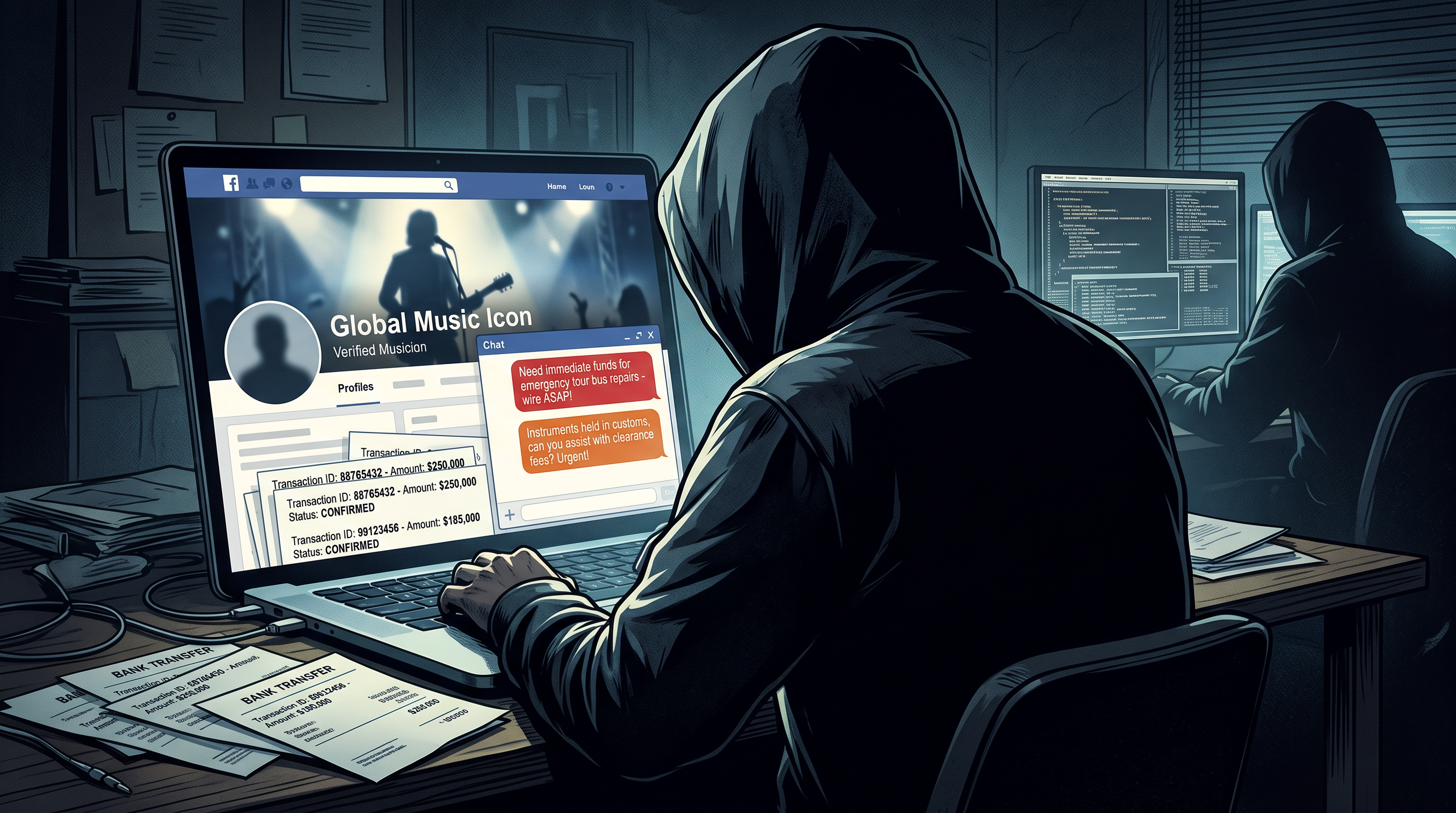
According to the court opinion and legal coverage, the scheme began with a message on LinkedIn. The sender claimed to be Kenny Chesney and built a relationship with Linson over time. Over the course of the contact, the impostor reportedly asked her for money.
The requests were framed as business needs. The reported reasons included an appearance at an awards show, damaged instruments and the production of music videos. Each ask sounded plausible enough to someone who believed she was helping a star she admired.
By the end, Linson had sent approximately $310,000. The sources do not identify the person behind the account, and the appellate ruling did not decide that question.
How a fake celebrity account earns trust
Impersonation scams of this type tend to follow a familiar pattern. The scammer picks a public figure with a devoted fan base. They then use personal attention, flattery and a sense of secrecy to lower the target's guard.
Common features include:
- Contact on a platform not usually tied to celebrity outreach, such as LinkedIn.
- A steady stream of reasons that money is needed for work or career costs.
- Requests framed as temporary, with the promise of repayment or reward.
- Pressure to keep the relationship private.
Similar tactics appear in other cases we have covered, including the Jon Bon Jovi romance scam, where a famous name was used as bait.
Why the Fan Sued the Real Kenny Chesney
After losing the money, Linson filed a lawsuit against Chesney. Her argument, as described in the reporting, was that the singer should have warned fans that impersonators were using his name. In her view, his failure to do so contributed to her loss.
The theory is a legal one known as a duty to warn. It asks whether a person in a position of fame or influence has an obligation to alert others to risks created by third parties. Courts generally require a special relationship before they impose that kind of duty.
The trial court dismissed her claims. She appealed.
The August 2026 Appeals Court Ruling
On August 11, 2026, California's Second District Court of Appeal affirmed the dismissal. According to MetNews coverage of the duty to warn decision, the court found no special relationship that would require a celebrity to protect fans from impostors acting independently.
You can read the opinion itself in the Courthouse News copy of the ruling. A summary from FindLaw's Celebrity Justice blog reached the same conclusion: the fan could not hold Chesney legally responsible for the actions of a stranger using his name.
What the court did not decide
The ruling is narrow, and it is worth being precise about its limits. The court did not find that Chesney took part in the fraud. Chesney was not accused of personally receiving the scam payments.
The court also did not identify the person who ran the fake account. Its decision turned on whether the singer owed Linson a legal duty, not on who took the money.
Timing of the story
This is not a newly exposed scam. The appellate decision dates to August, and a legal commentary piece on the case was updated on October 21, 2026. The case is trending because of its mix of a famous name, a large dollar figure and a clear legal outcome. A further summary is available from Law Commentary on the not liable ruling.
What the Ruling Means for Fans and Celebrities
For fans, the practical message is hard but clear. If a scammer uses a celebrity's name, the celebrity is unlikely to be held liable for your losses under this reasoning. Recovery, if it happens at all, is more likely to come from pursuing the actual wrongdoer or from financial institutions involved in the transfers.
For public figures, the decision suggests that courts are reluctant to turn fame into a duty to police every fake account. That does not stop celebrities from speaking out voluntarily. Many already post notices telling fans they never ask for money.
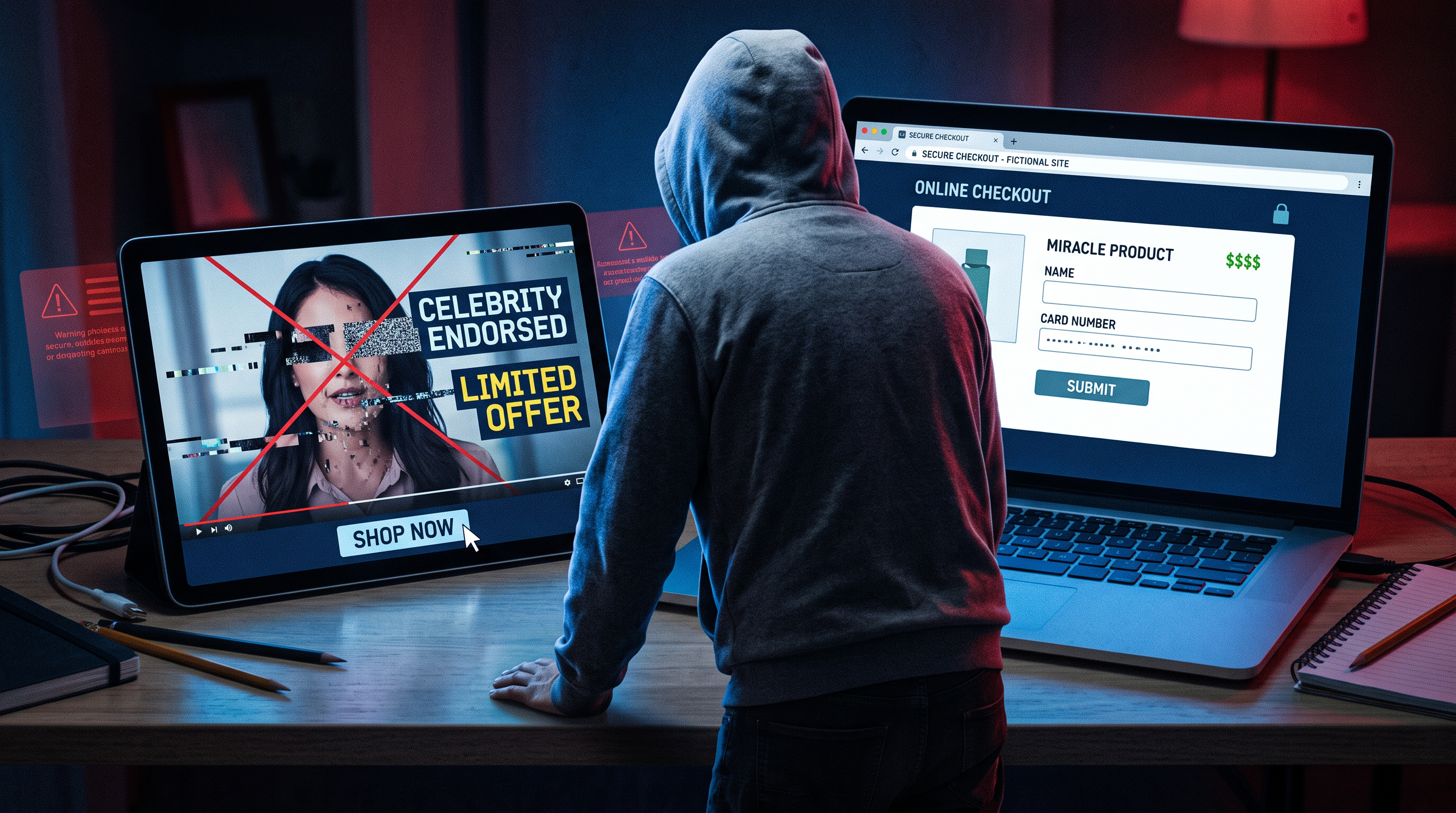
The case also fits a wider trend. Scammers borrow famous faces and voices because they work. We have seen that in the Jennifer Aniston deepfake scam, where manipulated content was used to lure victims.
How to Spot a Celebrity Impersonation Scam
No one is immune to a convincing story, so it helps to have a checklist. Treat any of the following as a reason to stop.
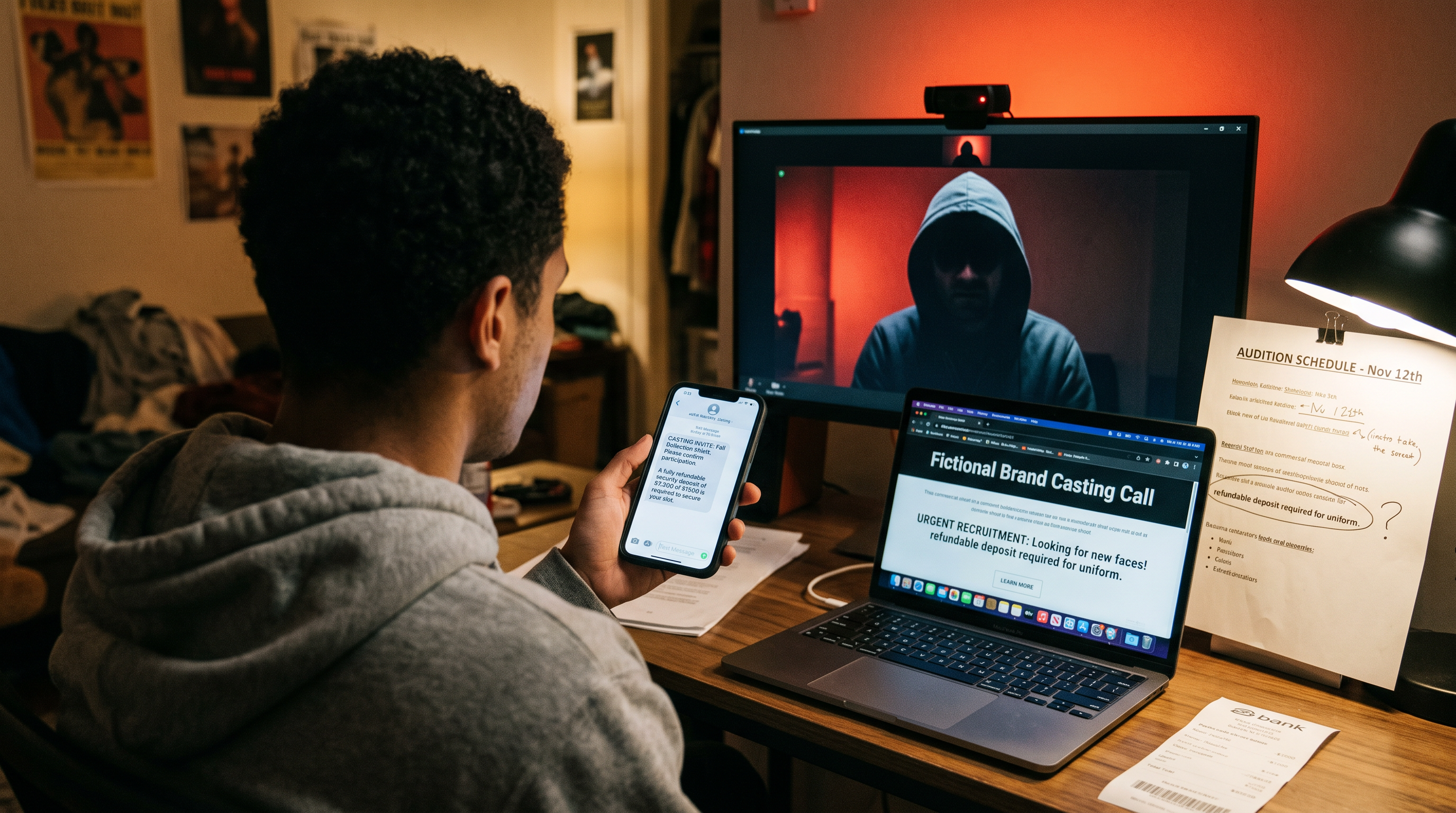
- A famous person contacts you first. Real stars rarely message individual fans, least of all on professional networking sites.
- Money enters the conversation. A genuine celebrity has managers, agents and accountants. They do not need fan funds for instruments, videos or travel.
- The account lacks verification. Check for official badges, but remember that badges can also be faked or purchased.
- You are asked for secrecy. Isolation is a core manipulation tactic.
- Payment methods are unusual. Wire transfers, gift cards and crypto are common in these schemes.
Steps to take if you have already sent money
- Contact your bank or payment provider right away and ask about a recall or fraud claim.
- Stop all contact with the account and save every message, receipt and screenshot.
- Report the fraud to the FTC at ReportFraud.ftc.gov.
- File a complaint with the FBI's Internet Crime Complaint Center at IC3.gov.
- Report the account to the platform where the contact took place.
Speed matters. Early reports give banks and investigators a better chance of tracing funds.
Why This Kenny Chesney Case Matters
The headline number, $310,000, is striking. But the larger point is how ordinary the setup was. A message, a famous name and a series of believable requests were enough to move a very large sum.
The legal outcome adds a second lesson. Responsibility for this kind of loss falls on the fraudster, not the person being impersonated. Until the person behind the account is found, victims have limited options.
Conclusion
The Kenny Chesney impersonator scam story shows two things at once. Fake celebrity accounts can drain life savings, and the law does not currently make the real celebrity pay for it. The ruling does not suggest Chesney did anything wrong, and nothing in the sources links him to the payments.
The safest move is to assume that any unexpected money request from a famous name is a scam. Share this article with a friend or relative who follows celebrities online, and report any impersonation attempt to the FTC and the FBI's IC3. A short warning today could save someone a great deal of money.
Frequently Asked Questions
Who scammed the fan in the Kenny Chesney impersonator case?
The sources do not identify the person behind the fake Kenny Chesney account. The California appeals court ruling addressed only whether Chesney owed the fan a legal duty. It did not establish who operated the account or received the money.
How much money did the fan lose to the fake Kenny Chesney?
According to the court opinion and reporting, fan Patricia Linson sent approximately $310,000. The impostor reportedly asked for money for an awards appearance, damaged instruments and music videos. The contact reportedly began on LinkedIn.
Can a celebrity be sued over an impersonator scam?
Under this ruling, it is unlikely. On August 11, 2026, California's Second District Court of Appeal upheld dismissal of the fan's claims, finding no special relationship that required Chesney to protect fans from third-party impostors. The decision is specific to this case but shows how courts may treat duty to warn arguments.
Was Kenny Chesney accused of taking part in the scam?
No. Chesney was not accused of personally receiving the scam payments. The fan sued him on the theory that he should have warned fans about impersonators, and the court rejected that claim.
Where do I report a celebrity impersonation scam?
You can report it to the FTC at ReportFraud.ftc.gov and to the FBI's Internet Crime Complaint Center at IC3.gov. Also contact your bank right away if you sent money, and report the fake account to the platform where it appeared.