Scammers are weaponizing artificial intelligence to put words and endorsements in Jennifer Aniston's mouth that she never said. Multiple viral posts and security reports confirm that AI-generated video clips, face-swapped images, and voice-cloned audio have been deployed across social media platforms to deceive victims into handing over money, either through bogus product purchases or elaborate romance fraud schemes. At least one British man reportedly sent funds after interacting with fabricated identity materials and AI-generated media, according to documentation reviewed by Cybernews.
Key Facts
- AI-generated video clips falsely depicting Jennifer Aniston endorsing products have been circulating across major social media platforms, according to Cybernews reporting on the ongoing deepfake scam campaign.
- A British man reportedly transferred money to scammers after being deceived by AI-generated media and fabricated identity materials linked to the Jennifer Aniston deepfake scheme.
- Scammers use face-swap technology, lip-sync tools, and voice-cloning software to repurpose old footage of the actress into convincing fake advertisements and personal messages.
- Exit rails for stolen funds include cryptocurrency wallets, gift cards, and rapid bank transfers, making recovery extremely difficult for victims.
- The fraud spans two primary vectors: health product advertising fraud and romance scams, both exploiting the actress's recognizable public image to build false credibility.
How the Jennifer Aniston Deepfake Scam Works
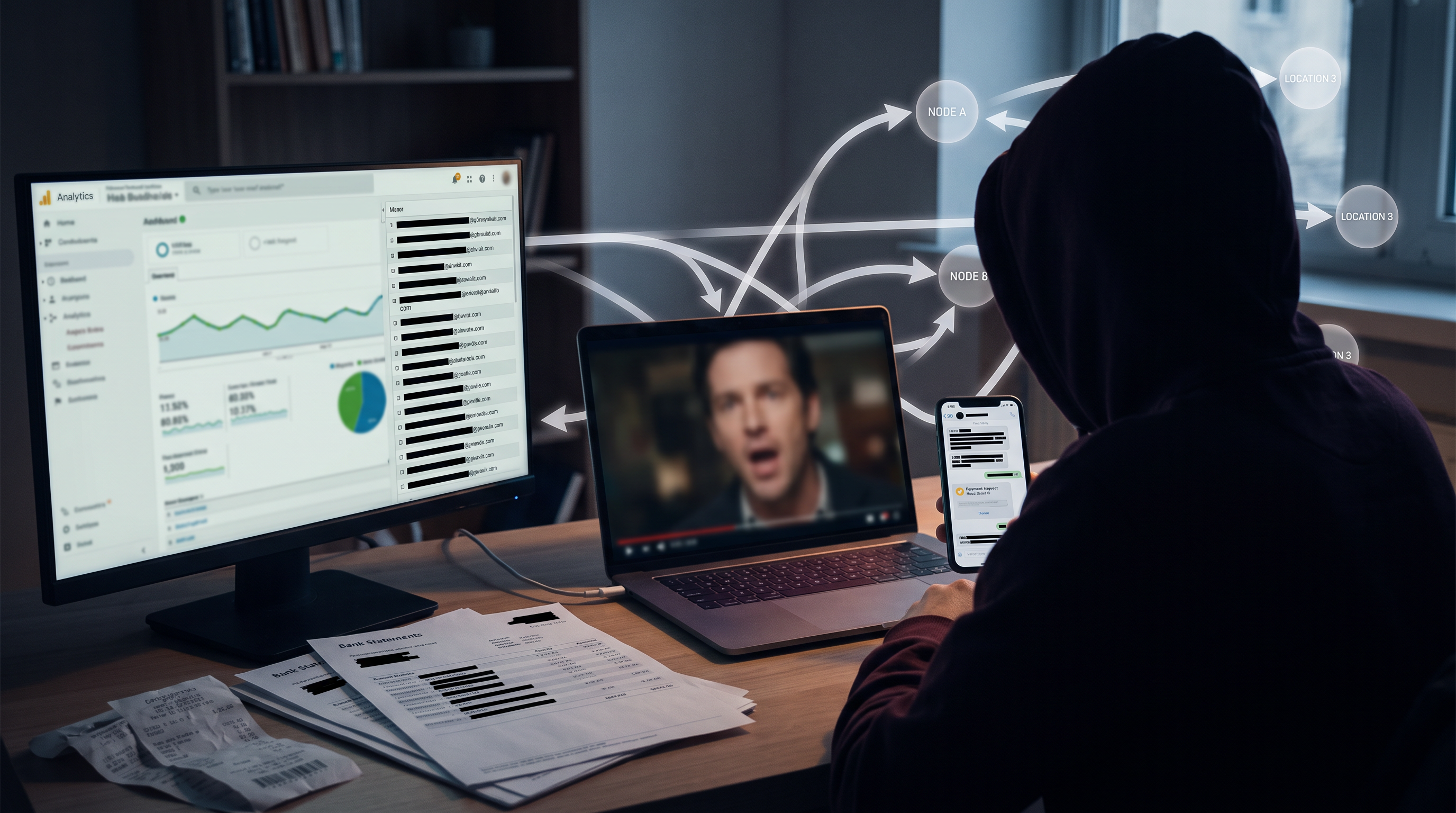
The mechanics behind this fraud are more sophisticated than most people realize. Attackers source old interview footage, red carpet appearances, or social media videos of Aniston. They then apply face-swap algorithms and lip-sync AI to overlay new speech patterns, while voice-cloning software reproduces her vocal tone and cadence with alarming accuracy.
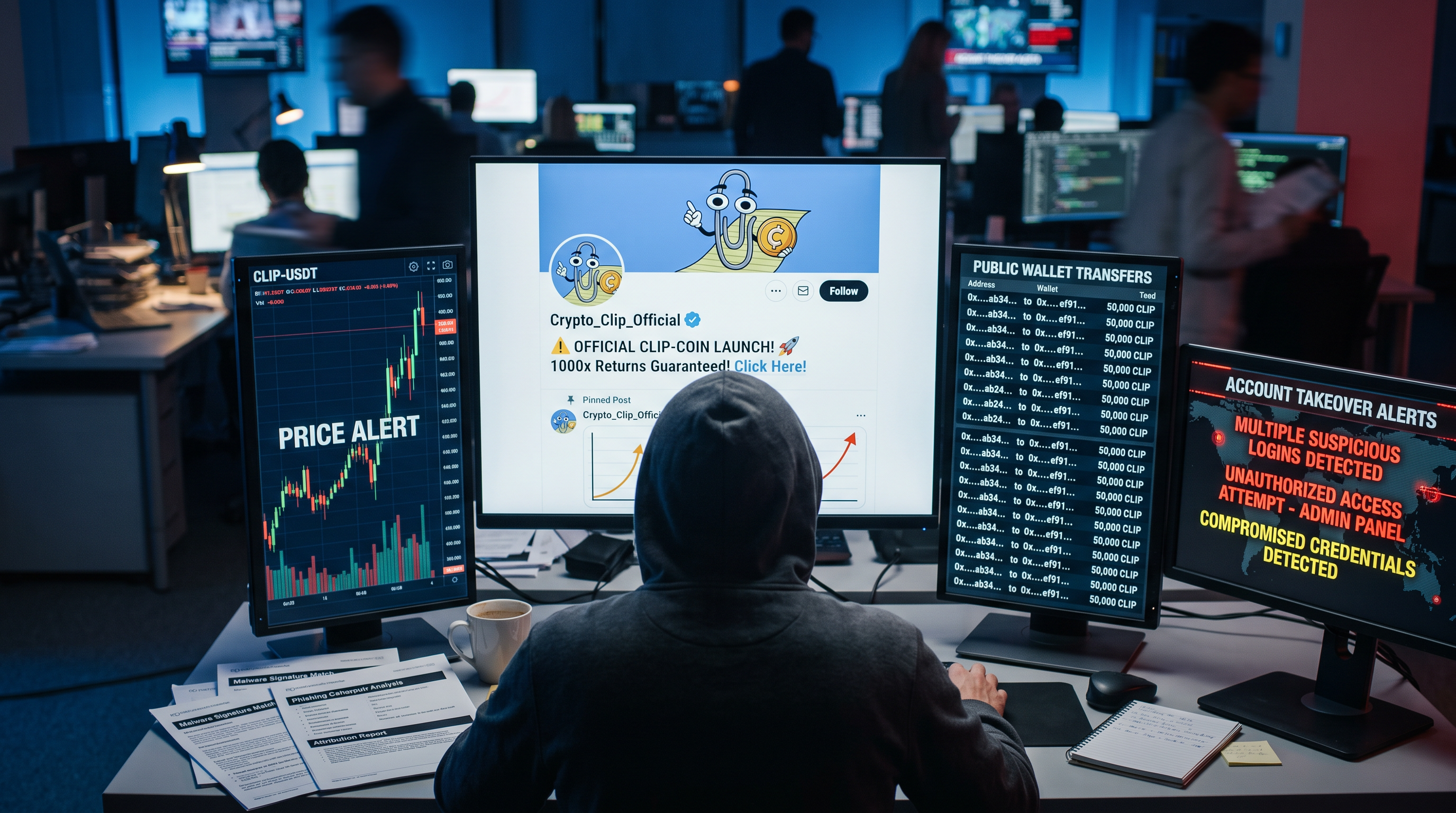
The finished product looks and sounds convincing enough to fool even vigilant viewers, particularly when compressed and served through a fast-scrolling social media feed. These synthetic clips are then attached to paid advertisement campaigns, cloned social media profiles, and phishing landing pages designed to capture payment card data or push victims toward crypto transfers.
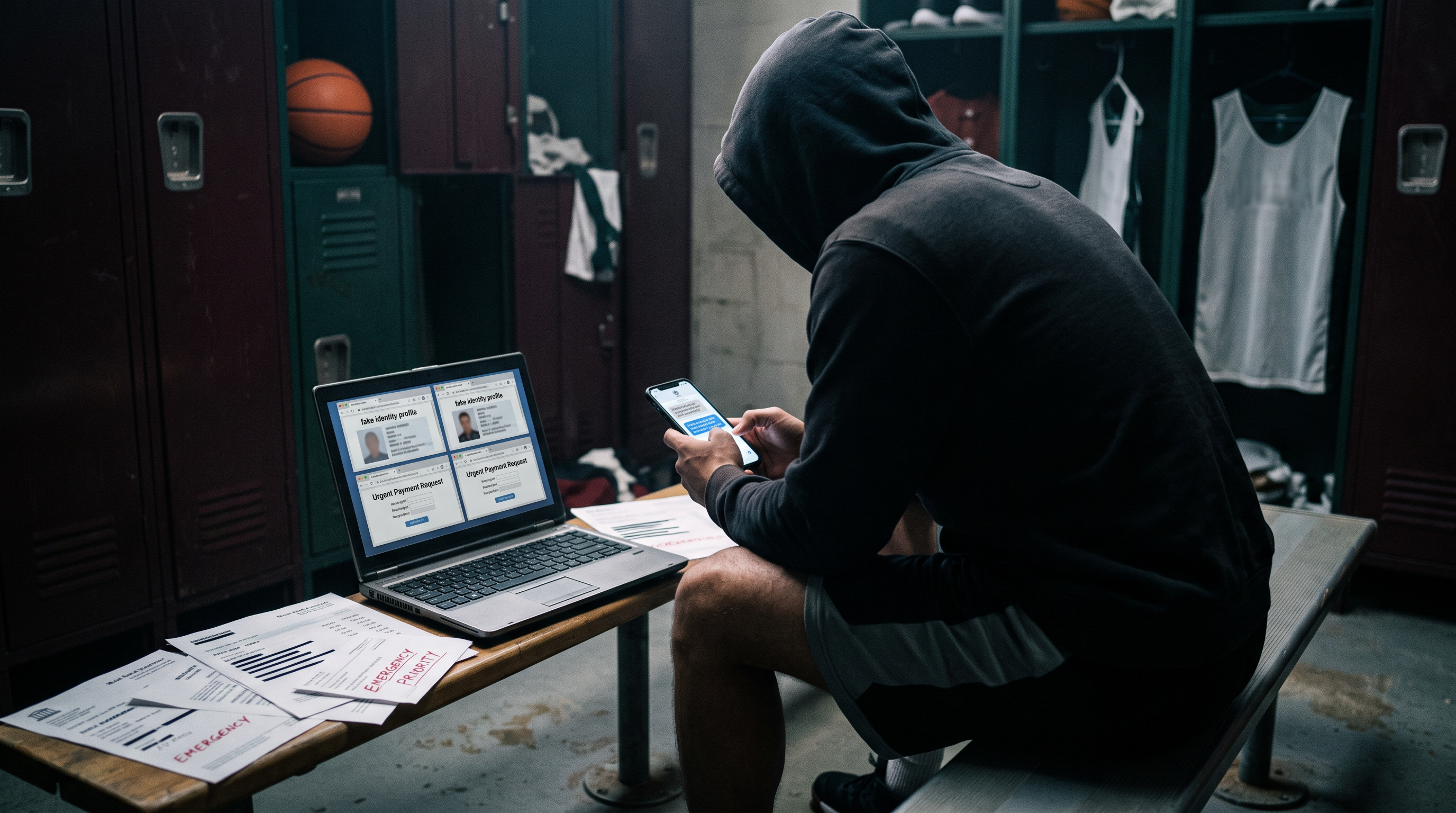
Romance scam variants take a more personal approach. Fraudsters use AI-generated images and videos to pose as the celebrity in private direct messages, building emotional rapport over days or weeks before requesting money. Victims are often told the funds are needed for an emergency, a business investment, or to claim a prize. By the time the deception is uncovered, the money is gone.
Why Celebrities Are Prime Deepfake Targets
Jennifer Aniston is far from the only public figure being exploited this way. Scammers target recognizable celebrities because their faces carry instant credibility. When a viewer sees someone they trust endorsing a product, their guard drops. This dynamic is especially dangerous in health product advertising, where fake celebrity endorsements push unproven supplements or weight-loss products through deceptive before-and-after narratives.
Similar tactics have been used against other well-known figures. A comparable scheme targeted Antonio Banderas in a deepfake health scam that circulated fake product endorsements through paid social media ads. The Indian subcontinent has also seen a surge in this activity, with a documented deepfake investment scam impersonating Indian political leaders to lure victims into fraudulent financial schemes.
The common thread is platform ad infrastructure. Paid ad systems allow precise audience targeting, which means scammers can serve fake celebrity endorsements specifically to demographics most likely to convert, whether that is older adults interested in health products or lonely individuals vulnerable to romance fraud.
Platform Ad Vetting and Enforcement Gaps
Security researchers and law enforcement officials have repeatedly flagged the gap between how fast deepfake content spreads and how slowly platforms respond. Paid ad campaigns can reach millions of people within hours of launch. Takedown requests, by contrast, often take days and require sufficient proof that the content is synthetic.
Cross-border enforcement adds another layer of complexity. Scam operations frequently run their infrastructure from multiple jurisdictions, making coordinated action between law enforcement agencies slow and resource-intensive. Crypto exit rails compound the problem because funds move across blockchains in minutes, often through mixers or chain-hopping services that obscure the trail.
According to the Cybernews investigation into the Jennifer Aniston deepfake campaign, the fraud operation used a combination of compromised community channels and phishing pages to amplify reach beyond the initial paid ad placements. The AI Incident Database has also catalogued related reports, highlighting the frequency with which synthetic media fraud is now being documented by researchers and victims alike.
Red Flags to Watch For
Knowing how to spot a deepfake scam ad before it costs you money is the most practical defense available right now. Look for these warning signs:
- Unnatural blinking patterns, lip movements that do not quite sync with audio, or facial edges that blur or shimmer during movement.
- Product endorsements that seem out of character for the celebrity involved, particularly for health supplements, financial schemes, or prizes.
- Landing pages with no verifiable business address, missing privacy policies, or URLs that misspell the brand name.
- Requests for payment via cryptocurrency, gift cards, or wire transfer, especially under urgency or time pressure.
- Social media profiles created recently, with few posts, no verifiable history, and follower counts that do not match engagement levels.
How to Verify a Celebrity Endorsement
Always go directly to the celebrity's verified official accounts or their management's published press statements before accepting any endorsement as real. A genuine brand partnership will be announced through official channels on both the brand's and the celebrity's verified pages. If you cannot find a matching announcement within seconds of searching, treat the ad as suspicious.
You can also run reverse image searches on profile photos and upload video screenshots to AI detection tools, several of which are freely available online. These steps take under two minutes and can prevent significant financial and emotional harm.
What to Do If You Have Been Targeted
If you believe you have encountered a Jennifer Aniston deepfake scam or a similar AI-generated fraud, act quickly. Preserve all evidence first: take screenshots of ads, profiles, chat logs, and any payment confirmation pages before the scammers delete them. Do not transfer any additional funds under any circumstances.
Report the incident to the platform where you encountered the content using their dedicated fraud reporting tools. Then file a complaint with the Federal Trade Commission at reportfraud.ftc.gov and with the FBI's Internet Crime Complaint Center at ic3.gov. If you have already lost money, contact your bank or payment processor immediately to explore chargeback or recall options.
Romance scam victims in particular should not feel embarrassed about coming forward. These operations are professionally run and psychologically sophisticated. Reporting your experience helps investigators map the broader network and potentially recover funds for other victims.
Frequently Asked Questions
What is the Jennifer Aniston deepfake scam?
The Jennifer Aniston deepfake scam involves AI-generated videos and images that falsely show the actress endorsing products or messaging people directly. Scammers use face-swap technology, lip-sync tools, and voice-cloning software to create convincing fake content, then distribute it through paid social media ads and cloned profiles to steal money from victims.
How can I tell if a celebrity endorsement video is a deepfake?
Watch for unnatural blinking, lip movements that do not sync with the audio, and blurry or shimmering edges around the face. Always verify endorsements through the celebrity's official verified social media accounts or their management's press releases. If no matching announcement exists on official channels, treat the ad as a likely fake.
What types of scams use Jennifer Aniston deepfake videos?
Documented cases include health product advertising fraud, where fake clips push unproven supplements, and romance scams, where AI-generated media is used to build personal rapport and then request money transfers. Both types funnel stolen funds through crypto wallets, gift cards, or rapid bank transfers to avoid recovery.
Where should I report a deepfake celebrity scam?
Report the content directly to the platform where you found it, then file a complaint with the FTC at reportfraud.ftc.gov and the FBI's Internet Crime Complaint Center at ic3.gov. If you transferred money, contact your bank or payment processor immediately to explore recovery options and preserve all screenshots and transaction records as evidence.
Are platforms doing enough to stop deepfake scam ads?
Security researchers say no. Paid ad campaigns can reach millions of users within hours, while platform takedowns often take days and require substantial proof. Cross-border enforcement gaps and crypto exit rails make prosecution difficult. Experts recommend stronger AI detection tools in ad review pipelines and faster mandatory takedown timelines for synthetic media fraud.