Scammers impersonating Sabrina Carpenter are defrauding devoted fans at an alarming scale, and security researchers say the problem is only getting worse. A widely cited report now estimates that celebrity impersonator scams drained roughly $5.3 billion from victims in 2025 alone, with Carpenter named among the most frequently cloned public figures alongside Taylor Swift, BTS members, and others. The tactics are sophisticated, the losses are real, and fans who feel a deep personal connection to artists are the primary targets.
Key Facts
- Celebrity impersonation scams cost victims an estimated $5.3 billion in 2025, according to a report highlighted by Complex and India Times, with Sabrina Carpenter among the most frequently impersonated artists.
- Scammers use fake social media profiles, deepfake videos, and cloned storefronts to pose as Carpenter and other celebrities, luring fans with fake meet-and-greets, phony presale ticket links, and counterfeit merchandise offers.
- Fraudsters routinely move victims off major platforms onto WhatsApp or Telegram before requesting payment via gift card codes, bank wire transfers, or cryptocurrency, according to security researchers cited in coverage.
- Common cashout routes identified in the research include fake ticket checkout pages, gift card redemption requests, and crypto wallet transfers, all designed to avoid chargebacks or transaction reversals.
- Platform operators reported that scam accounts use rapid profile churn and domain rotation to evade takedowns, making it difficult for both fans and social networks to identify fraud before money changes hands.
How the Sabrina Carpenter Impersonation Scam Works
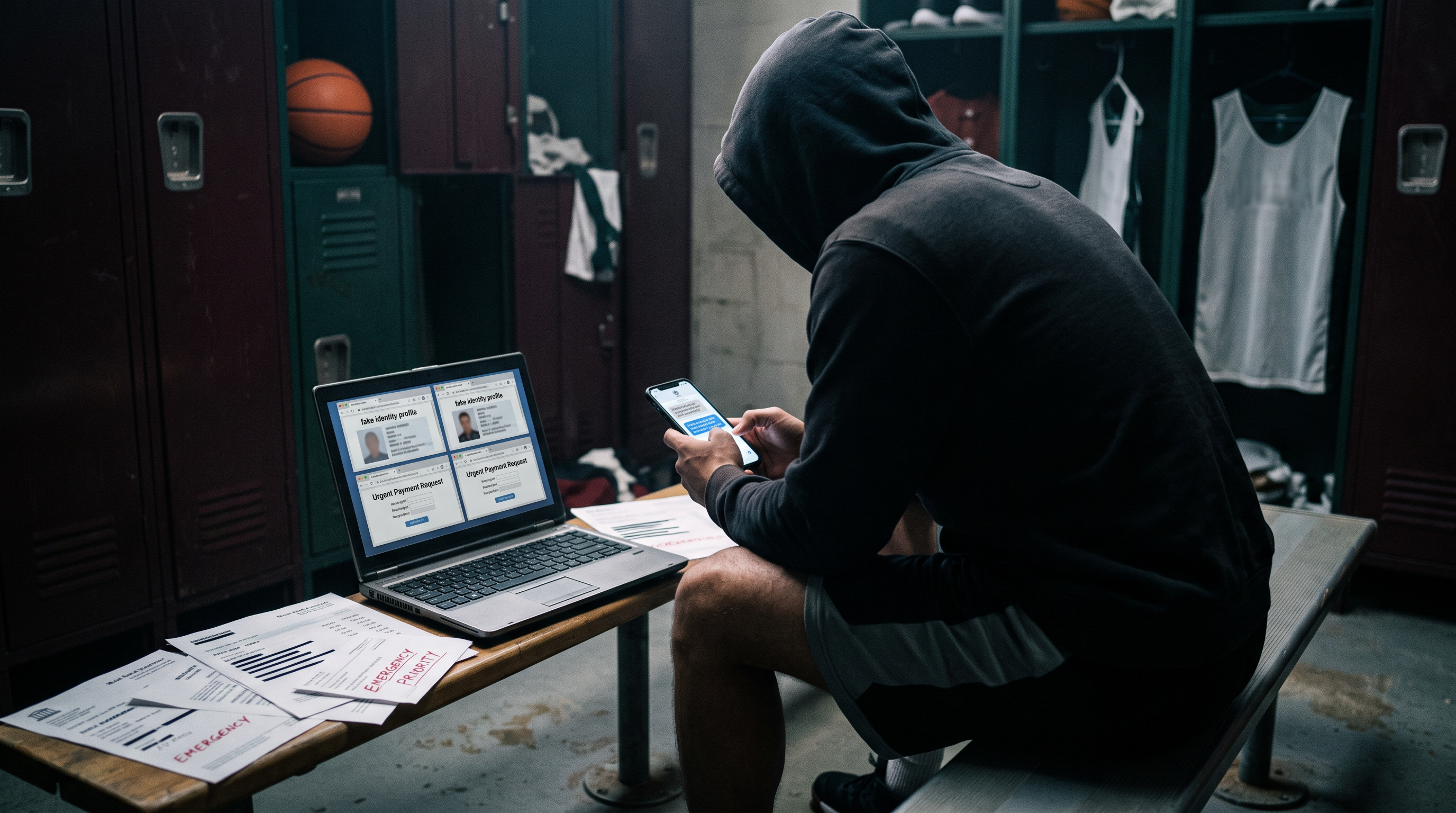
The Sabrina Carpenter impersonation scam follows a well-documented playbook used across celebrity fraud campaigns. Attackers first build a convincing fake profile, often cloning real photos, bios, and post styles from Carpenter's verified accounts. Some operations go further, producing deepfake video or audio content designed to pass as genuine clips of the artist speaking directly to fans.
Once the fake profile is live, scammers reach out to fans through direct messages, sliding into comment sections or fan group threads where engagement is high. The initial message typically offers something irresistible: exclusive meet-and-greet access, early ticket presale links, or limited-edition signed merchandise at a discount. The hook is always tied to urgency, with messages warning that spots or stock are almost gone.
The Off-Platform Move: Where Victims Lose Money
After making first contact on Instagram, X, or TikTok, the fraudster quickly pushes the conversation to WhatsApp or Telegram. This move is deliberate. Those platforms offer end-to-end encryption, making it harder for investigators to trace communications, and they fall outside the moderation reach of the original social network where the scam began.
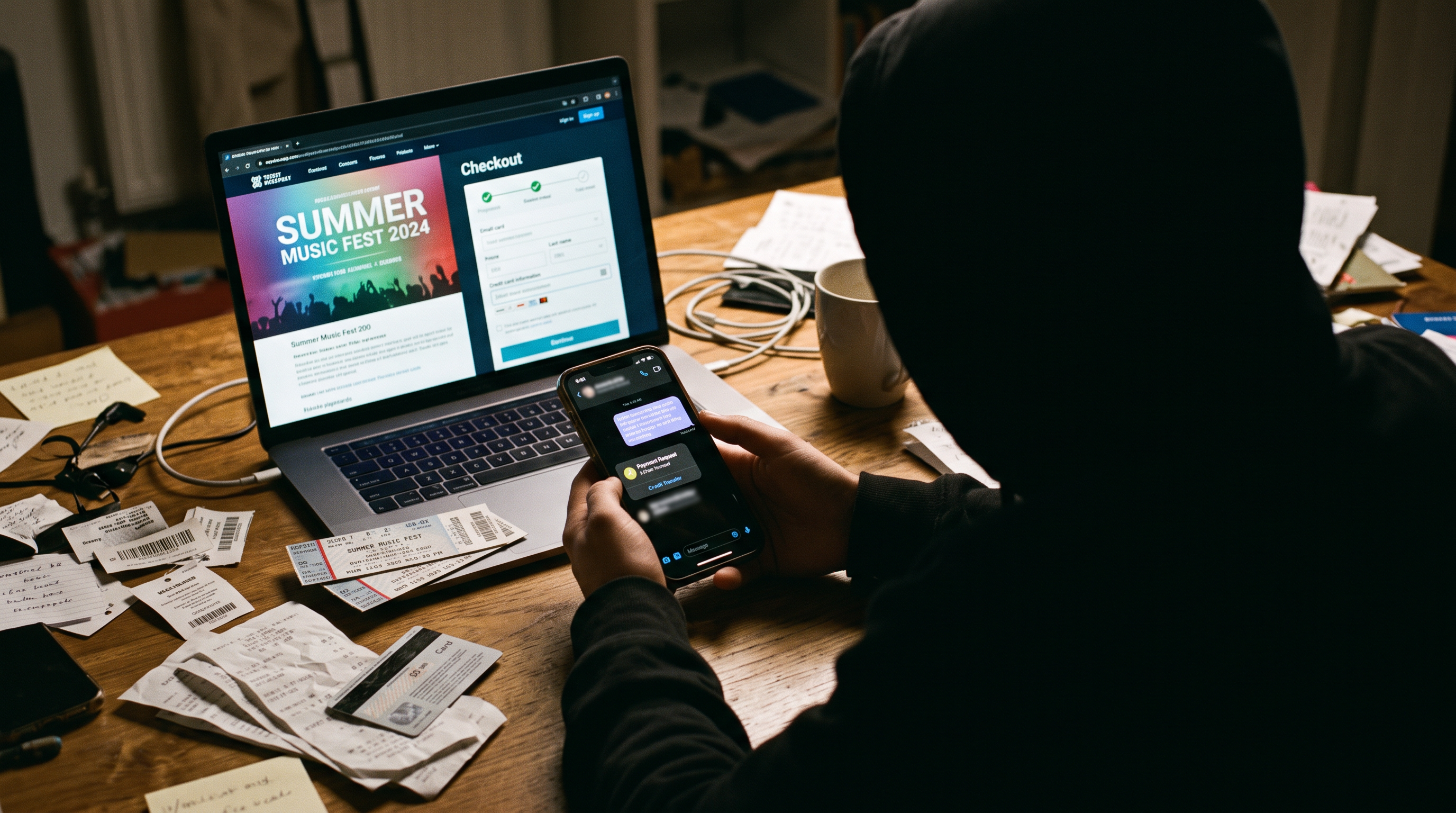
Once off-platform, the ask for money arrives. Victims are directed to click a phony checkout link for tickets, asked to send gift card codes as a "verification fee," or pressured into a bank wire or crypto transfer. By the time the fan realizes the concert tickets do not exist or the meet-and-greet never materializes, the scammer has moved on and the profile has been deleted or renamed.
Why Fan Communities Are Prime Targets
Fan bases built around artists like Sabrina Carpenter are uniquely vulnerable to trust-based social engineering. Dedicated fans already feel an emotional connection to the artist, which lowers skepticism when a message appears to come from that person directly. Scammers exploit that parasocial bond with precision.
Security researchers cited in Complex's reporting on the $5.3 billion scam wave noted that impersonation paired with commerce scams scales quickly because operators can run dozens of fake profiles simultaneously, targeting thousands of fans with automated or semi-automated outreach. The financial and reputational harm extends beyond individual victims, damaging trust in legitimate artist communications as well.
This pattern is not unique to Carpenter. Similar operations have targeted other high-profile celebrities, and you can read about one detailed case involving Taylor Swift impersonation scams that have collectively cost fans billions, showing how the same infrastructure moves between celebrity identities.
Deepfakes Raise the Stakes
What makes the current wave of celebrity impersonation fraud especially dangerous is the integration of AI-generated deepfake content. Fraudsters no longer need to rely solely on stolen photos. They can produce convincing video clips of an artist appearing to announce a giveaway, endorse a product, or speak directly to a fan, complete with lip sync and voice cloning.
According to India Times coverage of the AI impersonation heist, these deepfake tools are increasingly accessible and cheap to operate, meaning even small criminal operations can produce content that fools fans who are not specifically looking for manipulation signals. Earlier this year, a separate but related wave of celebrity deepfake scams also linked to the $5 billion loss figure showed how rapidly the tactic is spreading across different platforms and artist identities.
How Scam Operators Evade Detection
Staying ahead of platform takedowns is a core part of the scam operation. Researchers have documented several evasion tactics used by groups running Sabrina Carpenter impersonation scam campaigns and similar celebrity fraud operations.
- Domain rotation: Fake merchandise or ticket storefronts use rapidly cycling domains so that blacklists cannot keep up.
- Profile churn: Scam accounts are created in bulk. When one is reported and removed, a replacement is already active.
- Cloned storefronts: Fraudsters copy the design of legitimate artist merchandise sites, changing only the payment destination.
- Crypto and gift card cashout: Both methods produce transactions that are nearly impossible to reverse, making recovery difficult even when victims report quickly.
Norton's research on social media threats highlights that impersonation scams of this type are among the fastest-growing categories of online fraud, driven by the ease of creating convincing fake personas at scale.
How to Spot a Fake Sabrina Carpenter Account
Protecting yourself starts with knowing what legitimate artist communications look like and what they do not. Here are the clearest warning signs that you may be dealing with an impersonator.
- The account reached out to you first via DM, especially about an exclusive offer.
- The profile lacks a verified badge, has a slightly misspelled handle, or was created recently.
- The offer involves a link that does not match the artist's official website domain.
- You are asked to move the conversation to WhatsApp or Telegram before completing a purchase.
- Payment is requested via gift card codes, bank wire, or cryptocurrency with no buyer protection.
What to Do If You Have Been Targeted
If you believe you have encountered a Sabrina Carpenter impersonation scam or any celebrity impersonator fraud, act quickly. Preserve every screenshot, transaction record, and message thread before reporting. The faster you document, the stronger your case will be.
Report the fraudulent account directly to the social platform where you encountered it. Then file a report with the FTC's fraud reporting portal and submit a complaint to the FBI's Internet Crime Complaint Center (IC3). If you made a payment by credit card, contact your card issuer immediately to initiate a chargeback. Wire transfers and crypto payments are harder to reverse, but reporting them early still builds the paper trail investigators need.
Fans of Stranger Things cast members faced near-identical tactics in a documented case, and the Stranger Things celebrity impersonation romance scam breakdown provides a useful look at how these grooming and purchase funnels unfold step by step.
Protecting Yourself Going Forward
A few habits dramatically reduce your exposure to celebrity impersonation fraud. Always verify presale or meet-and-greet links by navigating directly to the artist's official website or checking the verified social profiles listed there. Never share gift card codes with anyone claiming to be a celebrity or a representative. Use a credit card for any fan merchandise or ticket purchase so you retain chargeback rights. And always buy event tickets through verified vendors with buyer guarantees.
The $5.3 billion loss figure makes clear that this is not a niche problem affecting only a handful of careless fans. It is an industrialized fraud ecosystem that specifically engineers trust, urgency, and excitement to override normal caution. Awareness is your first and most effective defense.
Frequently Asked Questions
Is there a real Sabrina Carpenter impersonation scam targeting fans?
Yes. Security researchers and multiple news outlets, including Complex and India Times, have confirmed that scammers are actively cloning Sabrina Carpenter's identity across social media platforms. These fraudulent accounts offer fake meet-and-greets, phony ticket presales, and counterfeit merchandise to trick fans into sending money. The broader celebrity impersonation scam wave is estimated to have cost victims $5.3 billion in 2025.
How do I tell if a Sabrina Carpenter social media account is fake?
Look for a missing or unverifiable verification badge, a slightly altered username, a recently created account, or an unsolicited DM offering an exclusive deal. Legitimate artists do not cold-message fans with ticket offers or ask you to move conversations to WhatsApp or Telegram. Any request for payment via gift card, wire transfer, or cryptocurrency is a near-certain sign of fraud.
What should I do if I sent money to a Sabrina Carpenter impersonator?
Stop all contact with the account immediately and preserve every screenshot and transaction record. If you paid by credit card, call your card issuer right away and request a chargeback. Then report the fraud to the FTC at reportfraud.ftc.gov and the FBI's IC3 at ic3.gov. Report the fake account to the social platform where you encountered it so it can be removed before other fans are targeted.
Why do scammers target Sabrina Carpenter fans specifically?
Dedicated fan communities are high-value targets because members already have a strong emotional connection to the artist, which reduces natural skepticism toward messages that appear to come from her. Scammers exploit this parasocial trust combined with excitement around concerts and merchandise drops. The combination of emotional investment and commercial opportunity makes fan bases one of the most reliably profitable targets for impersonation fraud operations.
Are deepfakes being used in celebrity impersonation scams?
Yes. Researchers documented the use of AI-generated deepfake video and voice cloning in celebrity impersonation campaigns targeting music fans. These tools are now cheap and widely available, allowing fraudsters to create convincing fake clips of an artist speaking directly to fans or announcing a giveaway. The accessibility of deepfake technology is a key reason why losses from celebrity impersonation fraud have grown so rapidly.