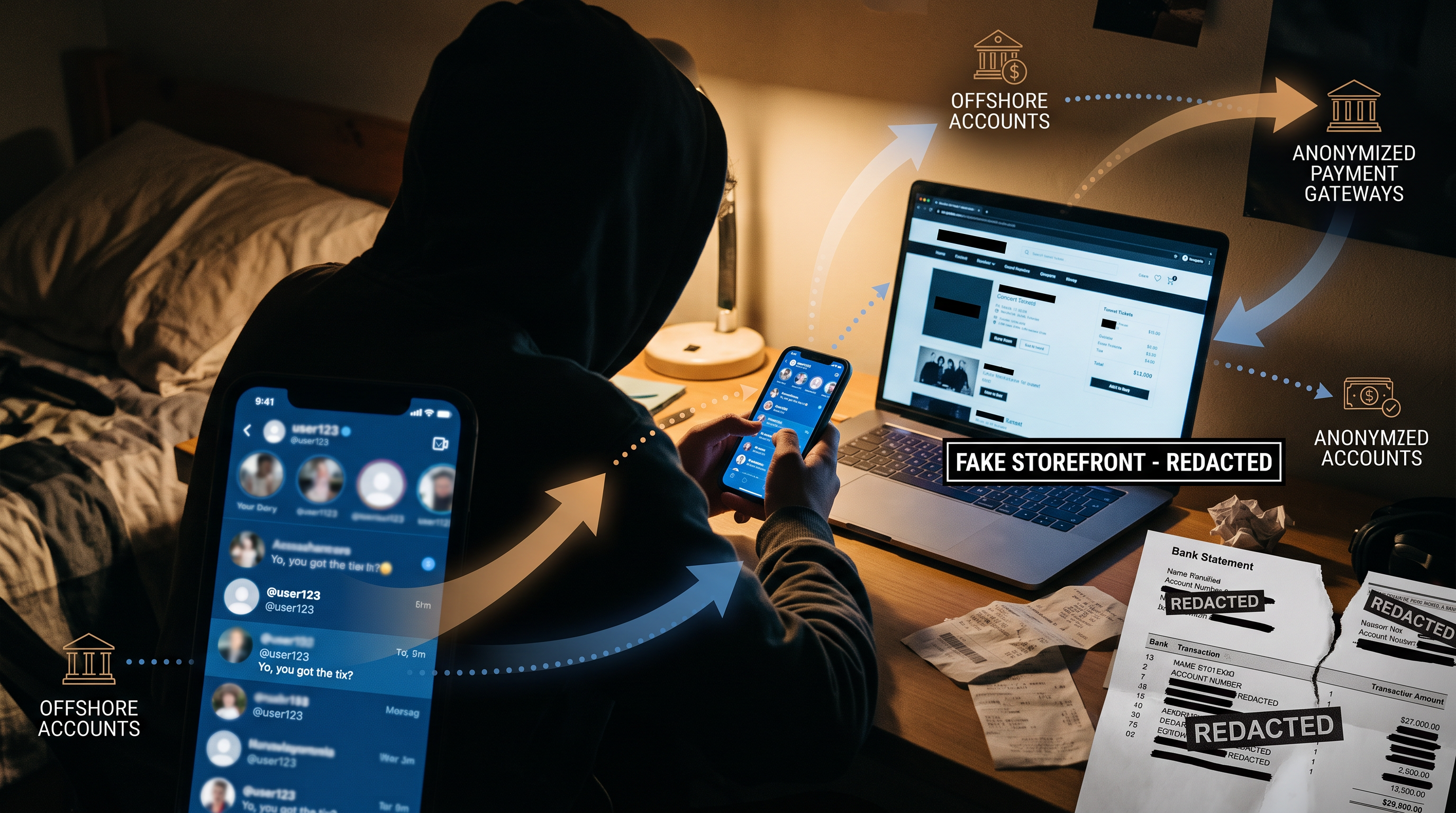
A woman lost approximately $10,000 after a fraudster posed as a cast member from the hit Netflix series Stranger Things, luring her into a manufactured romantic relationship before draining her finances through fabricated emergencies and untraceable payments. The case has drawn fresh attention to the booming industry of celebrity impersonation fraud, which regulators now describe as one of the fastest-growing threats to consumers online. According to the FTC, imposter scams were the single leading fraud category reported in 2025, with Americans losing a staggering $3.5 billion to this type of scheme alone.
How the Stranger Things Romance Scam Unfolded
The scam followed a playbook that security researchers have documented with increasing frequency. Initial contact came through a social media direct message, with the fraudster presenting a convincing profile complete with photos and references associated with the Stranger Things cast. The victim had no obvious reason to doubt the account’s authenticity at first glance.
From there, the impostor worked quickly to build emotional intimacy, a tactic known as love bombing. Within days, conversations shifted away from the original platform to WhatsApp or Telegram, where there is less automated moderation and fewer tools to flag suspicious behavior. The move off-platform is deliberate. It isolates the victim and removes the safety net that major social networks provide.
Over several weeks, the fraudster invented a series of urgent personal crises, each requiring immediate financial help. Requests came in the form of wire transfers, gift card codes, and cryptocurrency payments. All three methods share one critical characteristic: they are extremely difficult or impossible to reverse once sent.
Why Celebrity Impersonation Scams Are So Effective
Celebrities carry built-in social credibility. A victim who believes they are speaking with a recognizable actor is far more likely to lower their guard than they would be with a stranger. Fraudsters exploit that cachet aggressively, and modern tools have made the deception far easier to execute at scale.
According to a report highlighted by Yahoo Finance, deepfake technology and easy account spoofing are now amplifying the reach and believability of celebrity impersonation campaigns. AI-generated voice clones, synthetic profile photos, and fabricated video snippets can all be produced quickly and cheaply, making it harder than ever for victims to distinguish real contacts from fraudulent ones.
The pattern in the Stranger Things case fits neatly into the broader trend. Key tactics documented across these scams include:
- Initial contact through social media DMs or dating apps
- Rapid escalation of emotional intimacy, often described as unusually fast
- Insistence on secrecy and moving to private messaging apps
- Fabricated emergencies such as medical crises, legal trouble, or travel problems
- Persistent pressure to send money through untraceable channels
- Quick account deletion or domain churn after funds are received
The Scale of the Imposter Scam Crisis in 2025
The FTC’s data paints a sobering picture. According to the FTC’s official press release, Americans reported losing $3.5 billion to imposter scams in 2025, making it the top fraud category by reported loss for the year. That figure almost certainly undercounts the true total, since a large share of fraud victims never report their losses out of embarrassment or because they do not know where to turn.
Bitdefender’s security research team has noted that AI-enabled impersonation is driving a new wave of these schemes, with fraudsters now capable of spinning up convincing fake personas faster than platforms can remove them. Cross-border operations and anonymized payment methods make recovery and prosecution exceptionally difficult for law enforcement.
In the Stranger Things case specifically, no public arrest has been linked to the impersonator at the time of publication. Investigators face the familiar challenge of tracking operators who use disposable accounts, encrypted messaging, and cryptocurrency wallets that span multiple jurisdictions.
The Emotional and Financial Toll on Victims
The documented financial loss in this case stands at roughly $10,000, a significant sum for most households. But security experts and victim advocates consistently point out that the emotional damage often exceeds the financial harm. Victims who believed they had formed a genuine romantic bond face grief, shame, and a lasting erosion of trust in online relationships.
That psychological dimension is part of what makes these scams so insidious. The fraudster does not simply steal money. They construct a relationship, then weaponize it. Recovery from that kind of betrayal can take far longer than recovering financially, and many victims report reluctance to discuss what happened even with close friends or family.
Staying informed about emerging fraud tactics is one of the most effective defenses available. Resources like UseBlacklist help consumers identify known scammers and fraudulent accounts before any harm occurs.
How to Protect Yourself From Celebrity Impersonation Romance Scams
Regulators and cybersecurity professionals offer consistent guidance for anyone who suspects they may be targeted by this type of fraud. The steps are straightforward but require discipline, especially when emotions are involved.
- Never send money to someone you have not met in person, regardless of how convincing their story sounds.
- Verify identity through live video using a verified official channel. A real celebrity will not ask to video chat with you privately on WhatsApp.
- Refuse any request for gift cards, wire transfers, or cryptocurrency. Legitimate people do not ask for payment in these forms.
- Preserve all evidence. Screenshot conversations, save transaction records, and document every interaction before reporting.
- Contact your bank immediately if you have sent money. Some wire transfers can be recalled in a narrow window.
- Report the incident to the platform where contact was made, to the FTC at reportfraud.ftc.gov, and to the FBI Internet Crime Complaint Center at ic3.gov.
Platform Accountability and the Limits of Moderation
Social platforms remove fraudulent profiles after reports, but the speed of account churn means a new fake profile can appear within minutes of a takedown. Industry observers argue that platforms need to invest more heavily in proactive detection, particularly for accounts that claim to belong to public figures.
Verified badges exist for this purpose, but fraudsters have adapted by mimicking the visual style of verification indicators or by operating just below the threshold that triggers automated review. The result is a persistent gap between the tools platforms offer and the sophistication of the attacks consumers face.
Conclusion
The Stranger Things romance scam is not an isolated incident. It is a textbook example of how celebrity impersonation, emotional manipulation, and untraceable payments combine into a highly effective fraud formula. With $3.5 billion lost to imposter scams in 2025 alone, the threat is growing and evolving faster than most consumers realize. If you or someone you know receives an unexpected romantic message from a claimed celebrity, treat it as a red flag immediately. Report suspicious accounts, share this information with people you care about, and use every available tool to verify before you trust.
Frequently Asked Questions
What is the Stranger Things romance scam?
It is a fraud scheme in which a scammer posed as a cast member from the Netflix show Stranger Things, built a fake romantic relationship with a victim online, and then stole approximately $10,000 through fabricated emergencies and untraceable payment requests.
How do celebrity impersonation romance scams typically start?
They usually begin with an unsolicited direct message on social media or a match on a dating app. The fraudster uses photos and references associated with a real celebrity, then moves the conversation to a private app like WhatsApp or Telegram to avoid platform moderation.
Why are gift cards and cryptocurrency requested in romance scams?
Both payment methods are difficult or impossible to reverse once sent, and they are harder to trace than bank transfers. Scammers prefer them precisely because victims have very little recourse once funds are handed over.
How much money do imposter scams cost Americans each year?
According to the FTC, Americans reported losing $3.5 billion to imposter scams in 2025, making it the leading fraud category by reported losses for that year.
Where should I report a celebrity impersonation romance scam?
Report to the platform where you were contacted, file a complaint with the FTC at reportfraud.ftc.gov, and submit a report to the FBI Internet Crime Complaint Center at ic3.gov. If you sent money, contact your bank immediately to explore any available recovery options.