South Korean entertainer and broadcaster Hong Seokcheon issued an urgent public warning on September 7 and 8, 2025, alerting his fans to a deceptive social media account actively impersonating him online. He shared a screenshot of the fraudulent profile and urged followers to stay alert, noting that the fake account used a carefully crafted ID designed to appear authentic at first glance. The warning is a stark reminder that celebrity impersonation scams are accelerating globally, and fans of public figures are increasingly in the crosshairs.
Key Facts
- Hong Seokcheon, a well-known South Korean entertainer and broadcaster, publicly warned fans on September 7 and 8, 2025, about a social media account impersonating him, according to Chosun Biz.
- The impersonator account used a misleading user ID engineered to look like Hong Seokcheon's legitimate profile, as shown in a screenshot he shared with followers.
- No specific monetary losses were reported in connection with this incident as of the date of his warning.
- The fake account follows a well-documented fraud pattern in which celebrity impersonators use direct messages to solicit money, harvest personal data, or promote investment schemes.
- The incident highlights ongoing failures by social media platforms to prevent unauthorized impersonation of verified public figures.
How the Hong Seokcheon Impersonator Account Operated
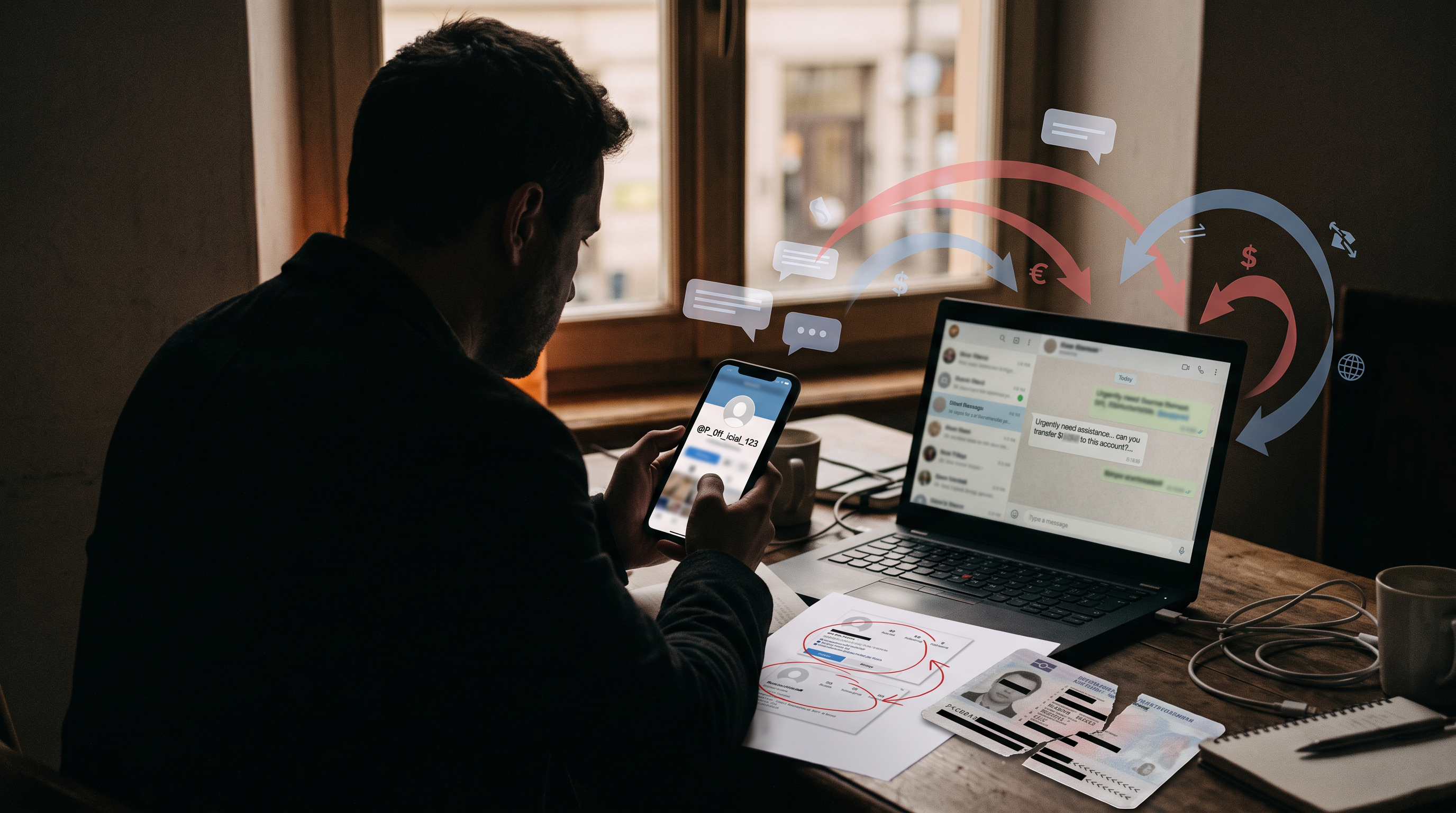
According to Chosun Biz, Hong Seokcheon took to his own verified channels to flag the fraudulent account, sharing a direct screenshot so fans could identify and avoid it. The fake profile used an ID that mimicked his real handle closely enough to deceive casual observers. This tactic, known as username spoofing, is one of the most common entry points for celebrity impersonation fraud.
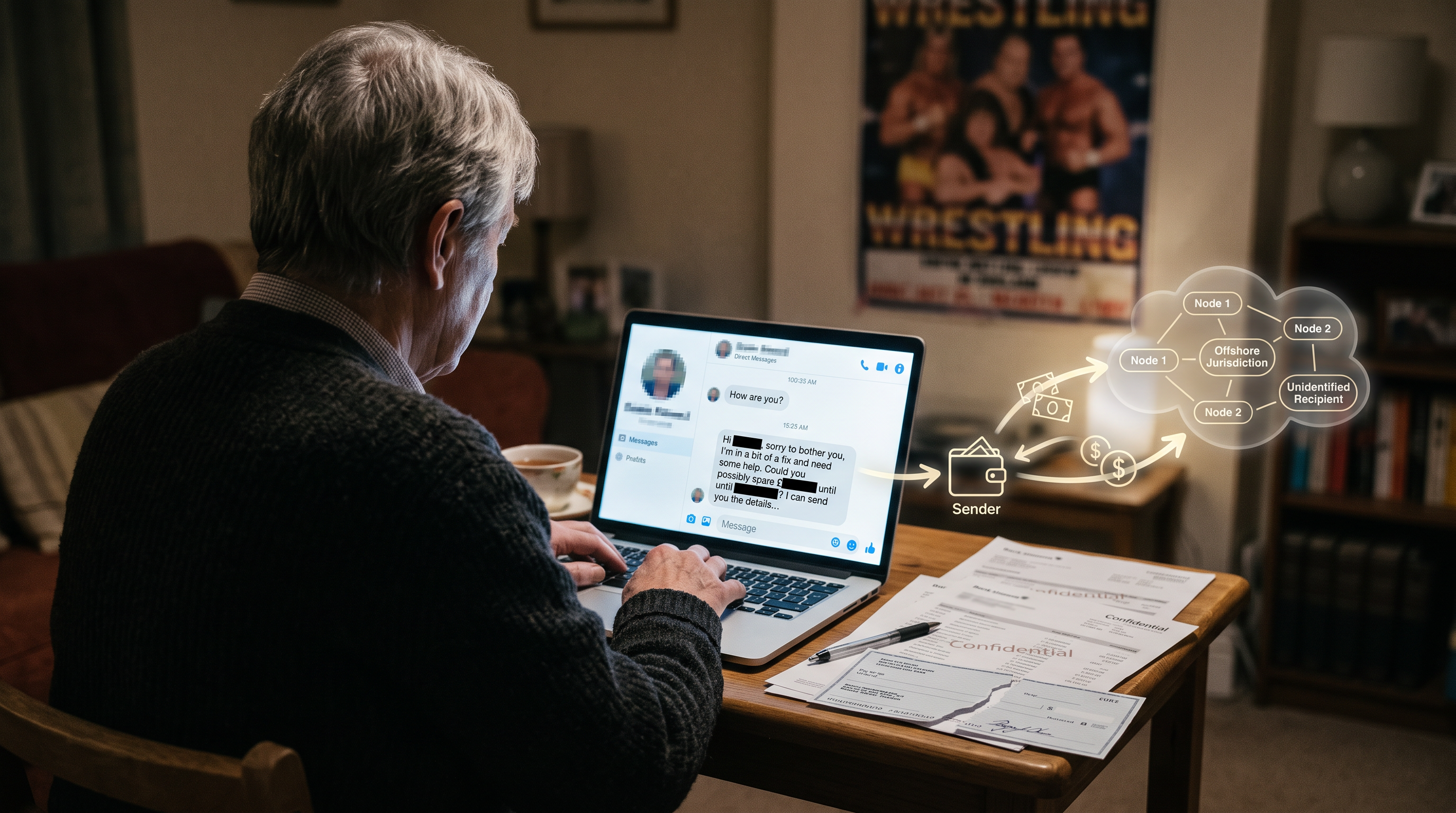
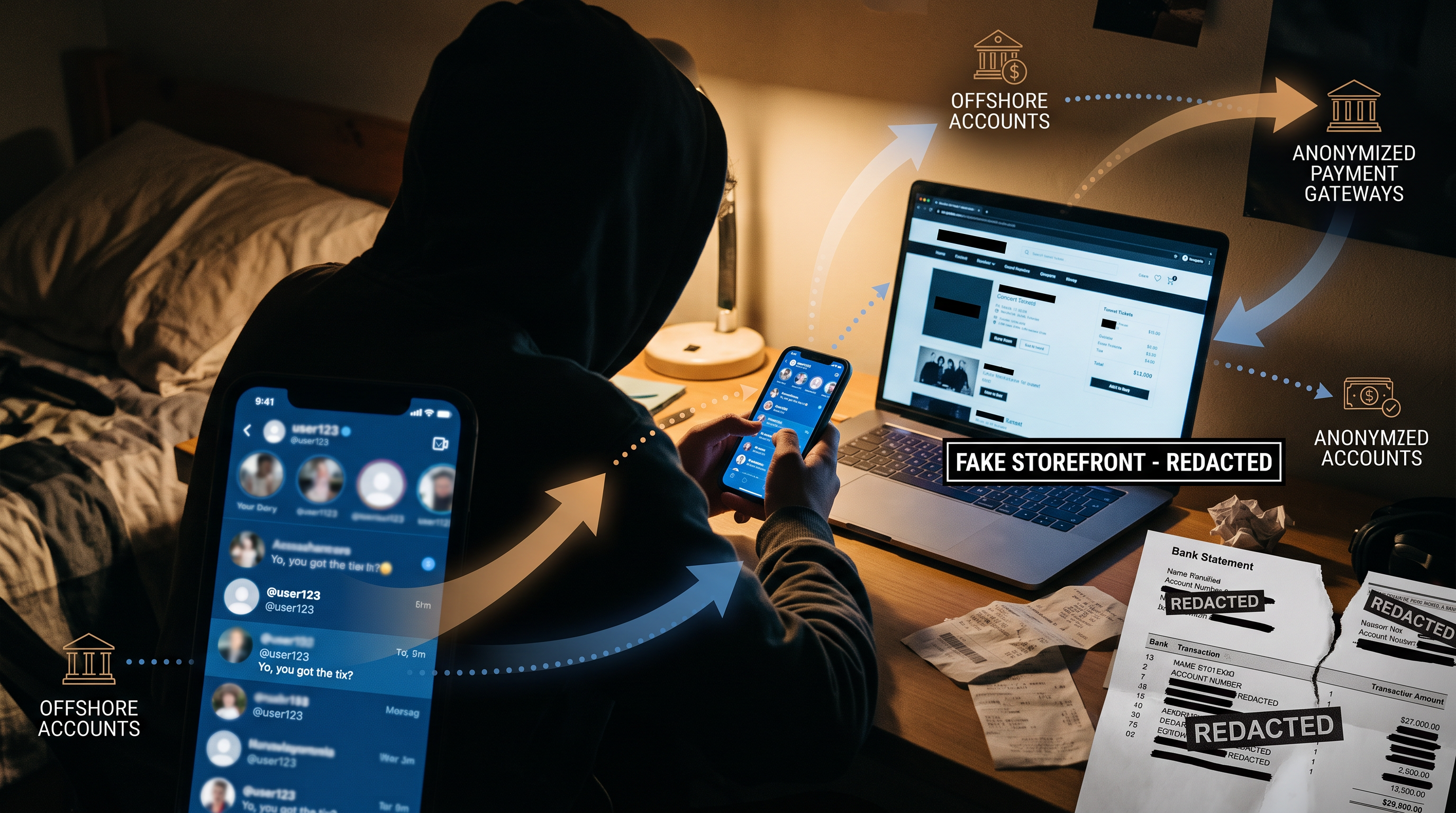
Impersonators typically repurpose publicly available photos from a celebrity's real accounts to make their fake profiles look credible. Once a follower engages, the fraudster moves quickly into private direct messages, where the scam escalates. Common next steps include requests for gift cards, wire transfers, cryptocurrency payments, or personal information.
Why Celebrity Impersonation Scams Are Growing
This incident fits squarely into a broader and accelerating global trend. Impersonation fraud is no longer limited to clumsy fake accounts with obviously stolen photos. Artificial intelligence tools now allow bad actors to generate realistic deepfake videos, clone voices, and manufacture convincing content at scale, making it significantly harder for fans to distinguish real celebrities from fraudsters.
Australian regulators at ASIC have issued pointed warnings about AI-powered impersonation scams that use fabricated endorsements from well-known public figures to push fraudulent investment products. The same playbook is used across social media platforms worldwide, targeting fans who trust the names and faces of people they admire.
Korean pop culture celebrities are particularly attractive targets because of their massive, internationally engaged fan bases. A fake account impersonating a beloved Korean entertainer can cast an extremely wide net across multiple countries simultaneously. This case involving Hong Seokcheon is not isolated. A similar situation unfolded with fellow Korean star Kim Seon Ho, whose likeness was used in a deepfake impersonation scam that targeted fans through fabricated video content.
The Platform Verification Problem
A recurring issue in these cases is the failure of social media platforms to prevent impersonation before it causes harm. Verification systems are inconsistent, and bad actors frequently create accounts that sail past automated detection. Paid promotional tools on major platforms can even amplify fake accounts to larger audiences before a report is ever filed.
Fans often discover impersonators only after receiving an unsolicited direct message, by which point the fraudster has already identified a potential victim. Platform reporting mechanisms exist but are slow, and impersonators can open new accounts almost immediately after one is taken down.
The Financial Stakes of Impersonator Scams
While Hong Seokcheon's warning did not cite specific dollar losses in this case, the broader category of imposter scams carries an enormous financial toll. The FTC has documented billions of dollars in annual losses tied to impersonation fraud in the United States alone, and the numbers continue to climb year over year. You can read more about the scale of this problem in our coverage of imposter scam losses reported by the FTC.
Celebrities are not the only targets either. Financial institutions, government agencies, and well-known brands are routinely impersonated. What makes the celebrity version particularly damaging is the emotional connection fans have with the person being faked. That parasocial trust lowers defenses in ways that a stranger cold-calling with a scam pitch simply cannot.
Bollywood actress Ameesha Patel faced a nearly identical situation, where fraudsters used her identity in an impersonator phone scam targeting unsuspecting fans, underscoring that this threat crosses entertainment industries and national borders.
Romance and Investment Scam Crossover
Many celebrity impersonation cases evolve into romance scams or investment fraud. A fraudster posing as a celebrity builds emotional rapport with a fan over days or weeks through private messages, then introduces a financial ask. These can range from small gift card requests to large cryptocurrency transfers tied to fake investment platforms.
NBC News has documented how deepfake scam videos spread rapidly across Facebook, TikTok, and YouTube, accelerating the reach and believability of these impersonation campaigns well beyond what a static fake account could achieve alone.
How to Protect Yourself from Celebrity Impersonation Scams
Hong Seokcheon's proactive warning gives fans a clear model to follow. Awareness and quick action are the most effective defenses. Here are concrete steps to protect yourself:
- Always verify that any celebrity account you follow is the official verified account before engaging in private conversation.
- Never send money, gift cards, cryptocurrency, or personal information to anyone contacting you via unsolicited direct messages, regardless of who they claim to be.
- Screenshot and report impersonator accounts immediately using the platform's built-in reporting tools.
- Enable two-factor authentication on your own social media accounts to limit exposure if your data is compromised.
- Cross-reference any message claiming to come from a celebrity against their official website or verified profiles on multiple platforms.
- If you believe you have been targeted or defrauded, file a report with the FTC at reportfraud.ftc.gov and the FBI Internet Crime Complaint Center at ic3.gov.
Conclusion
Hong Seokcheon did his fans a genuine service by publicly naming and exposing the account impersonating him rather than staying silent. That kind of direct transparency is exactly what fans need to stay safe in an environment where fake celebrity profiles are spreading faster than platforms can remove them. The combination of lookalike usernames, stolen photos, and AI-assisted content has made these scams more convincing than ever, and the financial and emotional harm they cause is very real.
If you spotted the fake Hong Seokcheon account or have been contacted by a celebrity impersonator on any platform, report it immediately through the platform's abuse tools and then file a complaint with the FTC or FBI IC3. Sharing this warning within fan communities is one of the most effective ways to reduce the reach of these fraudulent accounts before they find their next victim.
Frequently Asked Questions
Who is Hong Seokcheon and why was he targeted by an impersonator?
Hong Seokcheon is a well-known South Korean entertainer and broadcaster with a large and loyal fan following. Celebrities like him are frequent targets of impersonator accounts because their fame gives fake profiles instant credibility with fans who are eager to connect with them online.
What did Hong Seokcheon say about the fake account?
According to Chosun Biz, Hong Seokcheon posted a warning on September 7 and 8, 2025, sharing a screenshot of the impersonator account and advising followers to beware. He noted that the account used a misleading user ID designed to appear as his authentic profile.
How do celebrity impersonator account scams typically work?
Scammers create social media accounts with usernames that closely mimic a real celebrity's handle and fill the profile with stolen photos. They then contact fans through direct messages, building trust before requesting money, gift cards, cryptocurrency, or personal information.
What should I do if I find a fake celebrity account online?
Take a screenshot of the impersonator account and report it immediately using the social media platform's reporting tools. Do not send any money or personal information. You can also file a report with the FTC at reportfraud.ftc.gov or the FBI at ic3.gov if you have already been contacted or defrauded.
Are celebrity impersonation scams increasing in South Korea and Asia?
Yes, impersonation scams targeting fans of Korean and broader Asian entertainment figures are on the rise globally. Cases involving celebrities such as Kim Seon Ho and others show that fraudsters actively exploit the strong parasocial bonds between K-pop and K-drama fans and the public figures they follow.