Bollywood actress Ameesha Patel has issued a public warning to her fans after discovering that an imposter was using a fake phone number to contact people in her name. The alert, which surfaced in January 2026, came alongside a screenshot posted by Patel herself urging followers to ignore and report the fraudulent contact. The incident has drawn fresh attention to a growing wave of celebrity impersonation scams that exploit fan trust to steal money and personal data.
Key Facts
- Ameesha Patel publicly warned fans in January 2026 after an imposter used a fake phone number to message people while posing as her, according to Moneycontrol.
- Patel posted a screenshot of the fraudulent contact on her official social media, instructing followers not to respond or engage with the number.
- The scheme follows a well-documented pattern in which fraudsters impersonate celebrities via phone or messaging apps to solicit money or personal information from victims.
- Multiple Indian media outlets including Times of India and ABP Live confirmed and amplified Patel's warning to reduce further harm to fans.
- No specific financial loss figure has been publicly disclosed in connection with this particular scam as of the time of reporting.
How the Ameesha Patel Imposter Phone Scam Works
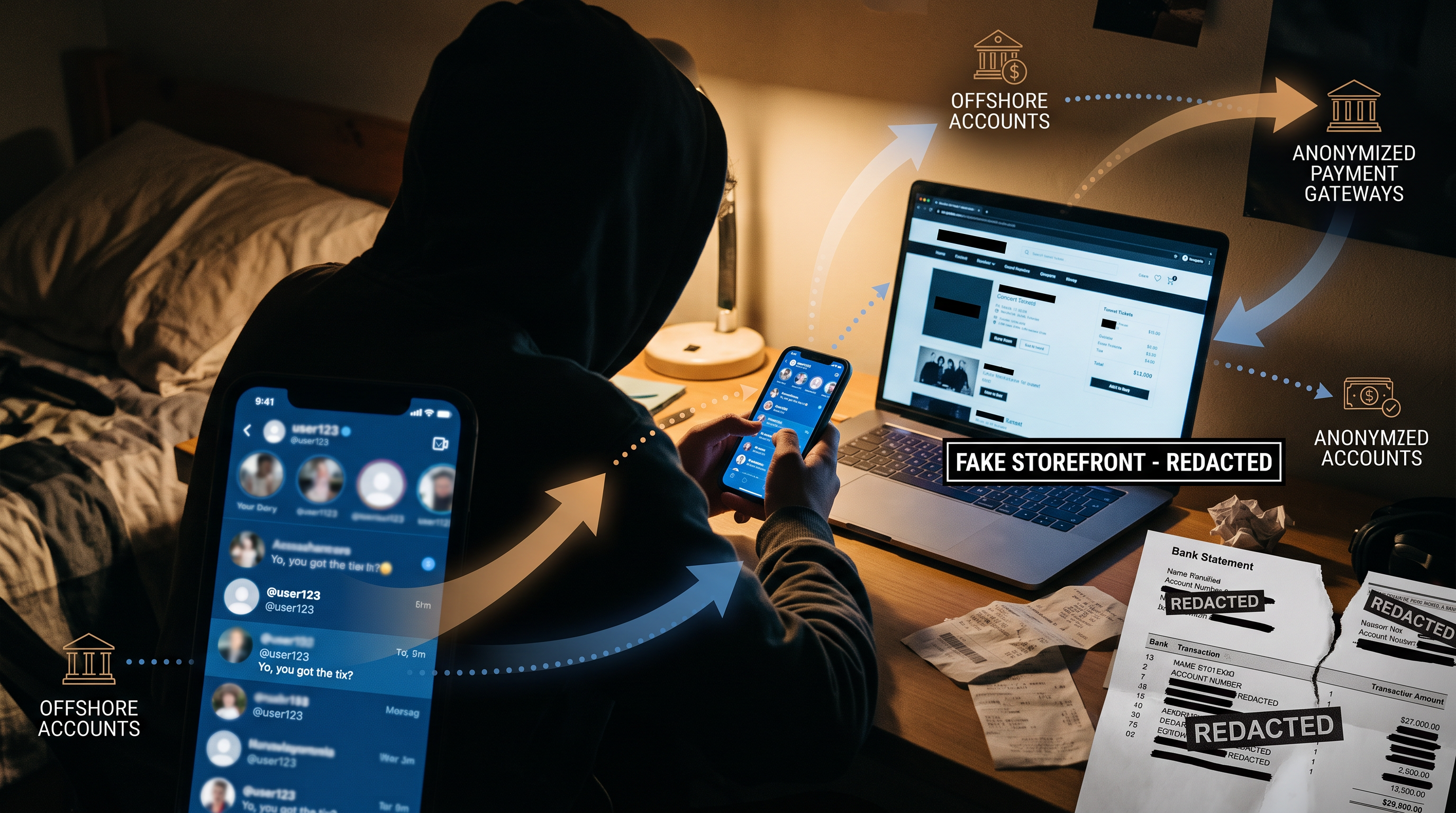
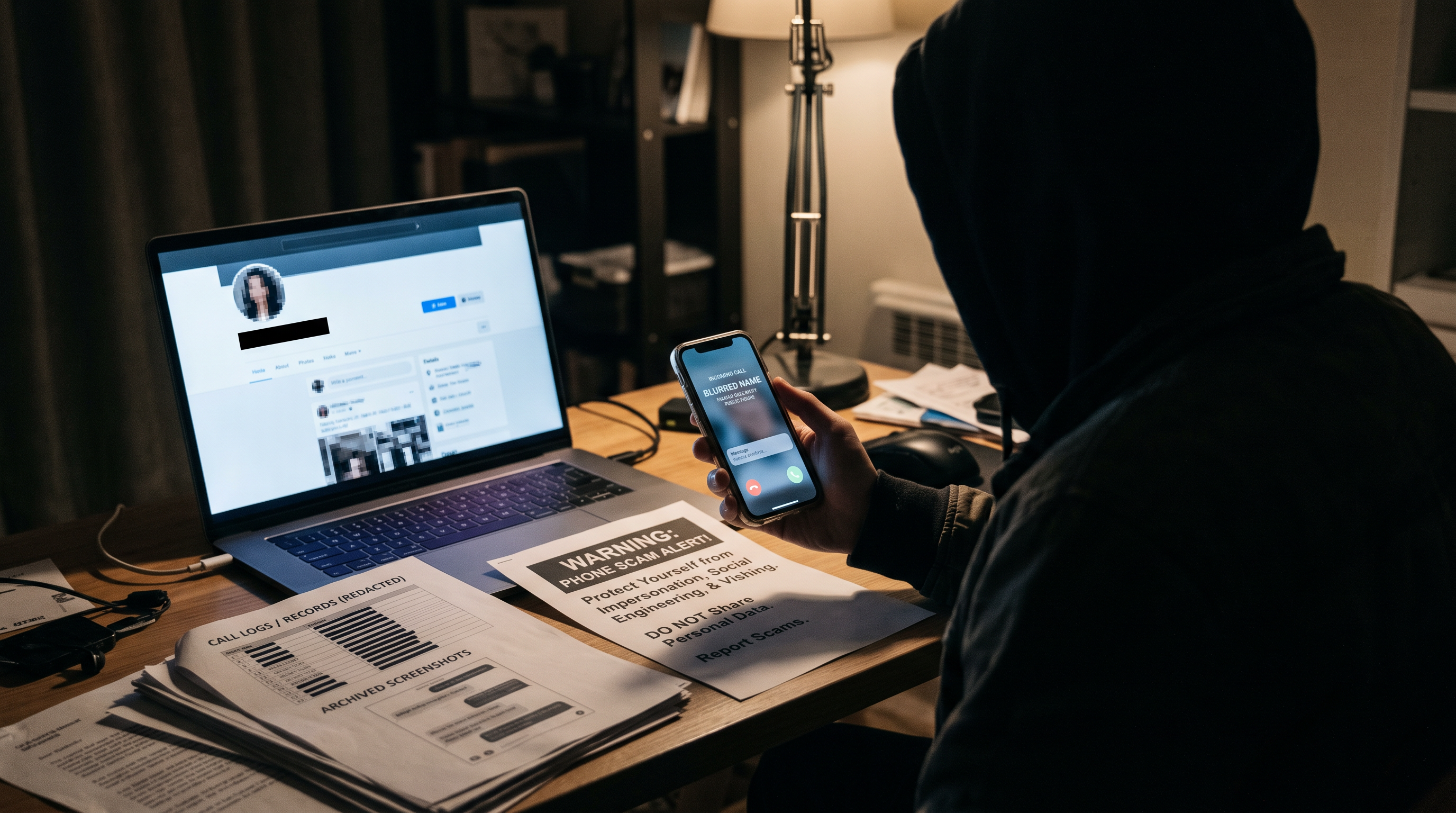
The mechanics of this scam are straightforward but highly effective. A fraudster obtains or spoofs a phone number, then contacts fans directly via SMS or a messaging app, presenting themselves as Ameesha Patel. The conversation is engineered to feel personal and exclusive, leveraging the emotional pull that fans naturally feel toward a celebrity they admire.
Once trust is established, the imposter typically introduces an urgent request. This could be a demand for money framed as a personal favor, a request for sensitive personal details under the guise of a fan contest or meet-and-greet, or a link to a phishing site designed to harvest login credentials or payment information. The spoofed number adds a layer of apparent legitimacy that makes many victims lower their guard.
Tactics Used in Celebrity Impersonation Scams
- Spoofed caller IDs that mimic real or plausible numbers associated with public figures
- Cloned social media profiles with stolen photos and similar usernames
- Fake verification cues such as blue tick emojis in messaging apps
- Urgent or emotionally charged narratives designed to bypass critical thinking
- Requests routed through third-party payment apps to avoid traceability
Why Celebrity Impersonation Scams Are Rising
This is far from an isolated case. Celebrity impersonation has become one of the most scalable tools in a fraudster's playbook because it borrows real social capital built by real people. Fans who would never send money to a stranger will sometimes respond very differently when they believe a beloved public figure is on the other end of the conversation.
According to the Moneycontrol report, Patel's warning came as part of a broader pattern where fraudsters target Bollywood fan communities, which are large, engaged, and emotionally invested. Similar tactics have been used against fans of international stars as well. The FTC reported staggering losses tied to imposter scams in 2025, underscoring just how widespread the problem has become across geographies and fan bases.
The situation is compounded by the fact that telecom verification systems in many countries still have gaps that allow number spoofing to occur with relative ease. Platform safety teams have improved detection in some areas, but direct messaging via personal phone numbers largely bypasses the content moderation tools that social media companies deploy.
Similar Scams Targeting Celebrity Fan Bases
Ameesha Patel is not alone. Fans of Korean actor Kim Seon Ho were targeted in a deepfake impersonation scam that used fabricated video and audio to make the deception even more convincing. Country music fans faced similar dangers when a Kenny Chesney impersonator used social engineering to exploit emotional connections and extract money from victims.
Across these cases, a common thread emerges: fraudsters study fan behavior, adopt the language and references fans associate with their idol, and then deploy that knowledge to manufacture believable interactions. The more devoted the fan base, the more effective the scam tends to be.
What Ameesha Patel Did Right
Patel's response sets a positive example for other public figures facing similar situations. By posting a screenshot and naming the fraudulent contact publicly, she accomplished several things at once. She alerted fans who may have already received the message, she provided visual evidence that others could use to identify the scam, and she put potential victims on notice before any financial harm could occur.
According to the Times of India coverage, the actress specifically asked fans not to engage with the number and to report it. That two-step instruction, ignore and report, is exactly what consumer protection experts recommend. Public figures who stay silent after discovering impersonation allow the scam to run longer and harm more people.
How to Protect Yourself From Celebrity Phone Scams
Whether you are a fan of Bollywood stars, Hollywood actors, or any other public figure, the protective steps are the same. Fraudsters rely on speed and emotion, so slowing down and verifying is your strongest defense.
- Verify through official channels only. If someone claims to be a celebrity, check their verified social media accounts for any mention of a personal outreach campaign. Celebrities do not cold-call fans.
- Never send money or share personal data. No legitimate celebrity will ask a fan for payment, gift cards, cryptocurrency, or login credentials through a private message or phone call.
- Screenshot and report. Capture the fraudulent message and report it to the platform, your mobile carrier, and national cybercrime or consumer protection authorities.
- Block the number immediately. Continued engagement gives fraudsters more opportunities to manipulate you.
- File a formal complaint. In the United States, you can report phone-based scams to the FTC at reportfraud.ftc.gov or to the FBI's Internet Crime Complaint Center at ic3.gov. In India, complaints can be filed through the National Cyber Crime Reporting Portal.
The Broader Lesson for Fans and Platforms
The Ameesha Patel imposter phone scam is a reminder that the combination of celebrity fame and digital communication creates a permanent attack surface for fraudsters. Platforms and telecoms need stronger verification tools, but those solutions take time to implement and enforce. In the meantime, the most effective defense remains an informed public.
Fans who understand how these scams work are far less likely to become victims. Celebrities who speak out quickly and clearly reduce the window of opportunity for fraudsters. And news coverage that explains the mechanics, rather than just naming the incident, gives audiences actionable knowledge they can apply the next time an unexpected message lands in their inbox.
If you received a message from someone claiming to be Ameesha Patel or any other celebrity, do not engage. Report it, block it, and share the warning with others in your community who may be at risk.
Frequently Asked Questions
What is the Ameesha Patel imposter phone scam?
The Ameesha Patel imposter phone scam involves a fraudster using a fake or spoofed phone number to contact fans while pretending to be the Bollywood actress. Patel publicly warned fans about the scheme in January 2026, sharing a screenshot of the fraudulent number and urging people not to respond. The scam follows a common pattern of celebrity impersonation used to solicit money or personal information.
How do I know if a message from a celebrity is real?
Celebrities do not reach out to fans via unsolicited phone calls or private messages requesting money, personal details, or clicks on unknown links. Always verify any celebrity communication by checking their official, verified social media accounts. If the outreach does not match anything on those channels, treat it as fraudulent and report it immediately.
What should I do if I receive a fake celebrity message?
Do not reply or engage with the message. Take a screenshot for your records, then report the number or account to your mobile carrier and to the platform where the message was received. You can also file a formal complaint with the FTC at reportfraud.ftc.gov or the FBI IC3 at ic3.gov if you are in the United States. Block the contact after reporting.
Why do fraudsters impersonate celebrities?
Fraudsters impersonate celebrities because fan trust is a powerful social engineering tool. People who are emotionally invested in a public figure are more likely to comply with requests that would otherwise raise red flags. The impersonator borrows the celebrity's real social capital, making the deception far more effective than a cold scam from an unknown contact.
Where can I report a celebrity impersonation scam in the US?
In the United States, you can report celebrity impersonation scams to the Federal Trade Commission at reportfraud.ftc.gov and to the FBI's Internet Crime Complaint Center at ic3.gov. You should also report the fraudulent number or account directly to your mobile carrier and to the messaging platform where the contact occurred. Keeping a screenshot of the fraudulent message will support any formal complaint.