A woman allegedly lost $310,000 to a fraudster posing as country music superstar Kenny Chesney online, and her attempt to hold the real Chesney legally responsible has failed in court. The ruling, which found no evidence that Chesney participated in or endorsed the scheme, is drawing widespread attention from fraud researchers, legal experts, and fans who follow celebrity impersonation cases. The decision raises urgent questions about who, if anyone, can be held accountable when criminals exploit a celebrity's identity to financially destroy innocent victims.
Key Facts
- A fan reportedly lost approximately $310,000 to an online fraudster impersonating Kenny Chesney, according to court documents reviewed by FindLaw.
- A court ruled that Kenny Chesney cannot be held legally liable for a third party's impersonation because there is no evidence he participated in or endorsed the scheme.
- The alleged scam involved cloned profiles and off-platform messaging designed to build trust before soliciting large sums of money from the victim.
- The case is one of a growing number of civil suits in which victims of celebrity impersonation fraud attempt to seek recovery directly from the named celebrity.
- Legal analysts say the ruling sets a meaningful precedent about the limits of celebrity liability in third-party fraud cases.
How the Kenny Chesney Impersonator Scam Unfolded
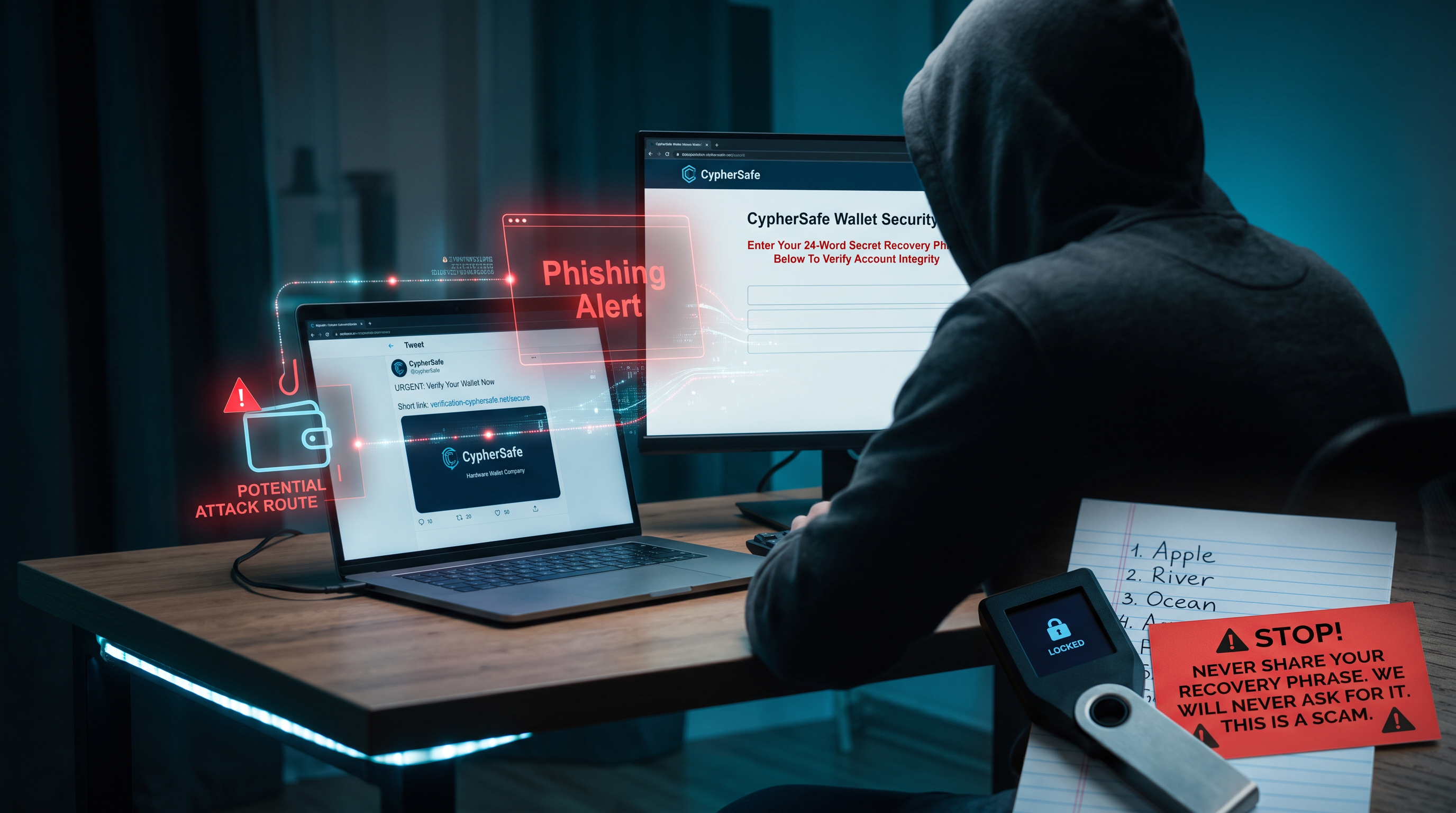
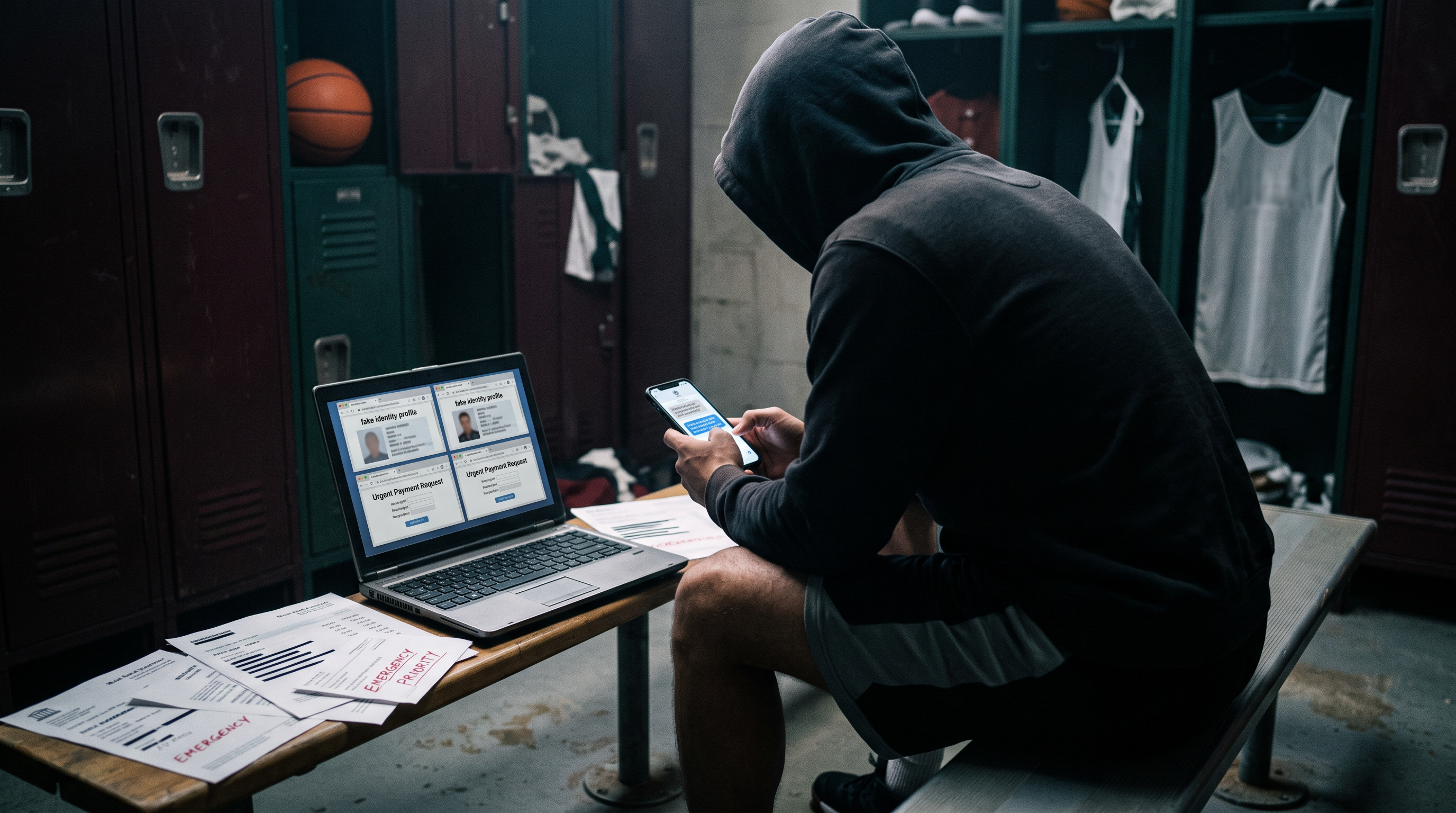
According to reporting by FindLaw's Celebrity Justice blog, the victim was contacted online by someone claiming to be the Grammy-nominated country artist. The fraudster built a relationship with the victim over time, using what appear to be cloned social media profiles and messaging conducted away from official, verified platforms.
This tactic, moving conversations off public platforms and onto private messaging apps, is a hallmark of romance and impersonation scams. It reduces the chance of platform-level detection and makes it harder for victims to verify who they are actually speaking with. Once trust was established, the impersonator began soliciting money, ultimately extracting roughly $310,000 from the victim before the fraud was discovered.
The Victim's Legal Argument Against Chesney
The victim filed a civil lawsuit arguing that Chesney bore some responsibility for the harm she suffered. Her legal team's argument likely rested on theories related to negligence or a duty to warn fans about impersonation activity targeting his name and likeness. However, courts have consistently required plaintiffs to show a direct connection between a defendant's conduct and the harm suffered.
The court found no such connection here. There was no evidence that Chesney knew about the specific scheme, encouraged it, profited from it, or failed to act on a clear legal obligation to prevent it. Without that link, the lawsuit could not survive. The ruling reflects how difficult it is to assign civil liability to a public figure whose identity is stolen and weaponized by a third party.
What the Court Ruling Means for Celebrity Impersonation Cases
Legal analysts say the decision is significant because it draws a firm line around what celebrities can and cannot be held responsible for in fraud cases. According to Metropolitan News-Enterprise, the question of whether a celebrity has a duty to warn fans about impersonators is an emerging area of law, and rulings like this one help shape those boundaries.
The practical effect of the ruling is that it shifts attention to other actors in the fraud ecosystem. Platforms where fake profiles are created, payment processors who move stolen funds, and affiliate networks that may inadvertently support scam infrastructure are increasingly seen as the more viable targets for disruption and accountability.
Impersonation Scams Are a Billion-Dollar Problem
The Kenny Chesney case is far from isolated. Celebrity impersonation and romance scams have become one of the fastest-growing categories of consumer fraud. Criminals create fake profiles using stolen photos, fabricated biographies, and sometimes AI-generated voice or video content to convince victims they are communicating with a real public figure.
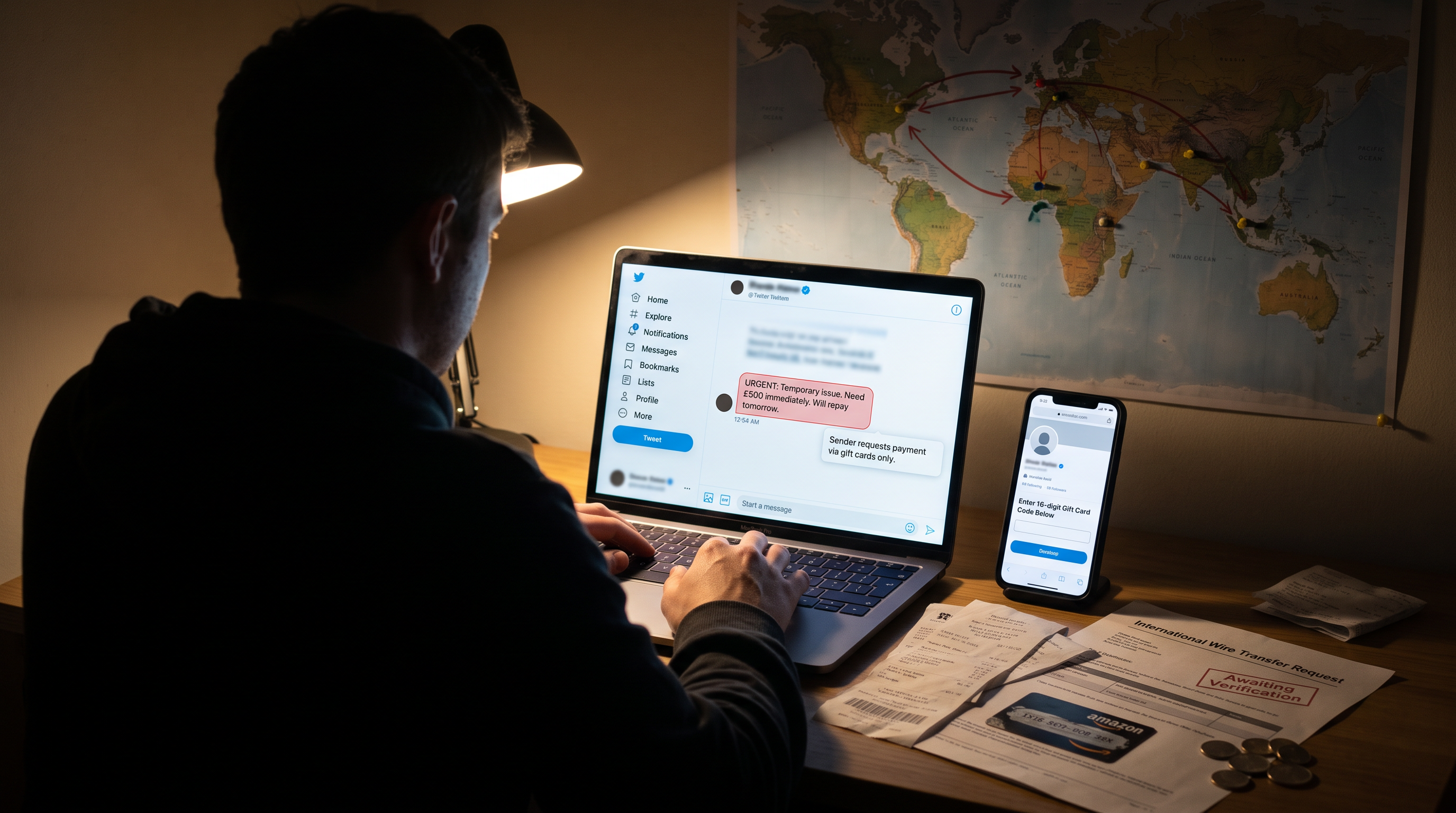
Cases involving music stars, actors, and athletes are reported daily. A Jason Momoa impersonator scam on Facebook, for example, follows the same basic playbook: build rapport, establish emotional connection, then request money through untraceable channels like gift cards or cryptocurrency. The Jason Momoa impersonator scam on Facebook illustrates just how widespread this threat has become across social platforms.
Similarly, the scale of celebrity impersonation scams has been estimated at $5 billion annually, according to research cited by cybersecurity firm Spikerz, reflecting a crisis that continues to accelerate as AI tools make fake personas more convincing and accessible to criminals.
Why Fans Are Vulnerable to This Type of Fraud
Fans often follow celebrities closely and feel a genuine emotional connection to them. Scammers exploit that connection deliberately. They study a target artist's public persona, interview clips, social media habits, and fan community language to create a convincing impersonation. When a fan receives a message that appears to come from their favorite artist, the emotional response can override rational skepticism.
The off-platform communication tactic amplifies this vulnerability. Once a victim is messaging privately, there is no public verification system, no blue checkmark, and no way for mutual contacts to flag suspicious behavior. The fraudster controls the entire narrative.
In cases like this one, victims may also feel shame after realizing they have been deceived, which delays reporting and allows scammers to continue operating. Victim advocacy groups emphasize that this type of fraud is sophisticated and that intelligent, cautious people are victimized regularly.
Criminal Liability vs. Civil Liability in Impersonation Fraud
While the civil case against Chesney failed, the criminal exposure for the actual fraudster is a separate matter entirely. Federal prosecutors have secured significant sentences in similar cases. In one comparable NFL impersonation fraud case, Law360 reported that a man received a six-year federal prison sentence for his role in an alleged scheme that used fake athlete identities to steal money from victims.
Wire fraud, identity theft, and money laundering charges are the typical criminal statutes applied in these cases. Sentences can be substantial, particularly when victims suffer large financial losses or when the fraud involves interstate or international money movement.
How to Protect Yourself From Celebrity Impersonation Scams
There are concrete steps anyone can take to avoid becoming a victim of this type of fraud.
- Demand a live video call through a verified channel. Real celebrities do not initiate private contact with random fans. A live, unscripted video call on a known platform is the closest thing to proof of identity available.
- Never send money to an unsolicited contact. No legitimate celebrity will ask a fan they have never met in person for financial help, gifts, or investment capital.
- Avoid gift cards and cryptocurrency. These payment methods are nearly impossible to reverse and are the preferred tools of scammers for exactly that reason.
- Keep records of every interaction. Screenshots, transaction records, usernames, email addresses, and phone numbers used by the impersonator are all valuable evidence for investigators.
- Contact your bank immediately if you have sent money. Some wire transfers and card payments can be recalled if reported within a short window of time.
- Report the fake account to the platform and file a complaint with the FTC at reportfraud.ftc.gov and the FBI's Internet Crime Complaint Center at ic3.gov.
The Broader Legal Landscape for Celebrity Identity Fraud
Courts are still working out the boundaries of celebrity responsibility in impersonation cases. While this ruling protects Chesney, legal pressure on platforms and payment processors is growing. Regulators in the United States and abroad are pushing for faster takedowns of fake profiles and stronger identity verification requirements for high-follower accounts.
Until those systemic changes take hold, the burden falls disproportionately on consumers to protect themselves. If someone contacts you claiming to be a famous person and asking for money, treat it as a scam until proven otherwise. The emotional appeal is designed to override your judgment, and it works far more often than most people expect.
Frequently Asked Questions
Can a celebrity be sued if someone impersonates them online and steals money from fans?
Generally, no. Courts have found that celebrities cannot be held civilly liable for third-party impersonation fraud unless there is direct evidence they participated in, endorsed, or had a legal duty to prevent the specific scheme. The Kenny Chesney case is a recent example of this principle being applied and upheld by a court.
How do Kenny Chesney impersonator scams typically work?
Fraudsters create fake social media profiles using the celebrity's photos and biographical details, then contact fans directly. They move conversations to private messaging apps to avoid detection, build an emotional connection over days or weeks, and eventually request money through gift cards, wire transfers, or cryptocurrency. The victim in the Chesney case reportedly lost around $310,000 through this method.
What should I do if I think I am talking to a celebrity impersonator?
Stop sending money immediately and do not send any more regardless of what the contact says. Document everything, including screenshots of conversations and payment receipts. Report the account to the social media platform, contact your bank to attempt a reversal, and file a complaint with the FTC at reportfraud.ftc.gov and the FBI IC3 at ic3.gov.
Are celebrity impersonation scams common?
Yes, and they are growing rapidly. Research cited by cybersecurity firm Spikerz estimates that celebrity impersonation scams cost victims billions of dollars each year. Music stars, athletes, and actors are all targeted, with scammers using increasingly sophisticated tools including AI-generated images and voice cloning to make fake personas more convincing.
Who is legally responsible for losses caused by a celebrity impersonation scam?
The fraudster who runs the scam bears primary criminal and civil liability. However, identifying and recovering money from anonymous online criminals is extremely difficult. Legal attention is increasingly turning to social media platforms and payment processors as potential points of accountability, though victims often face significant challenges recovering their losses through any legal channel.