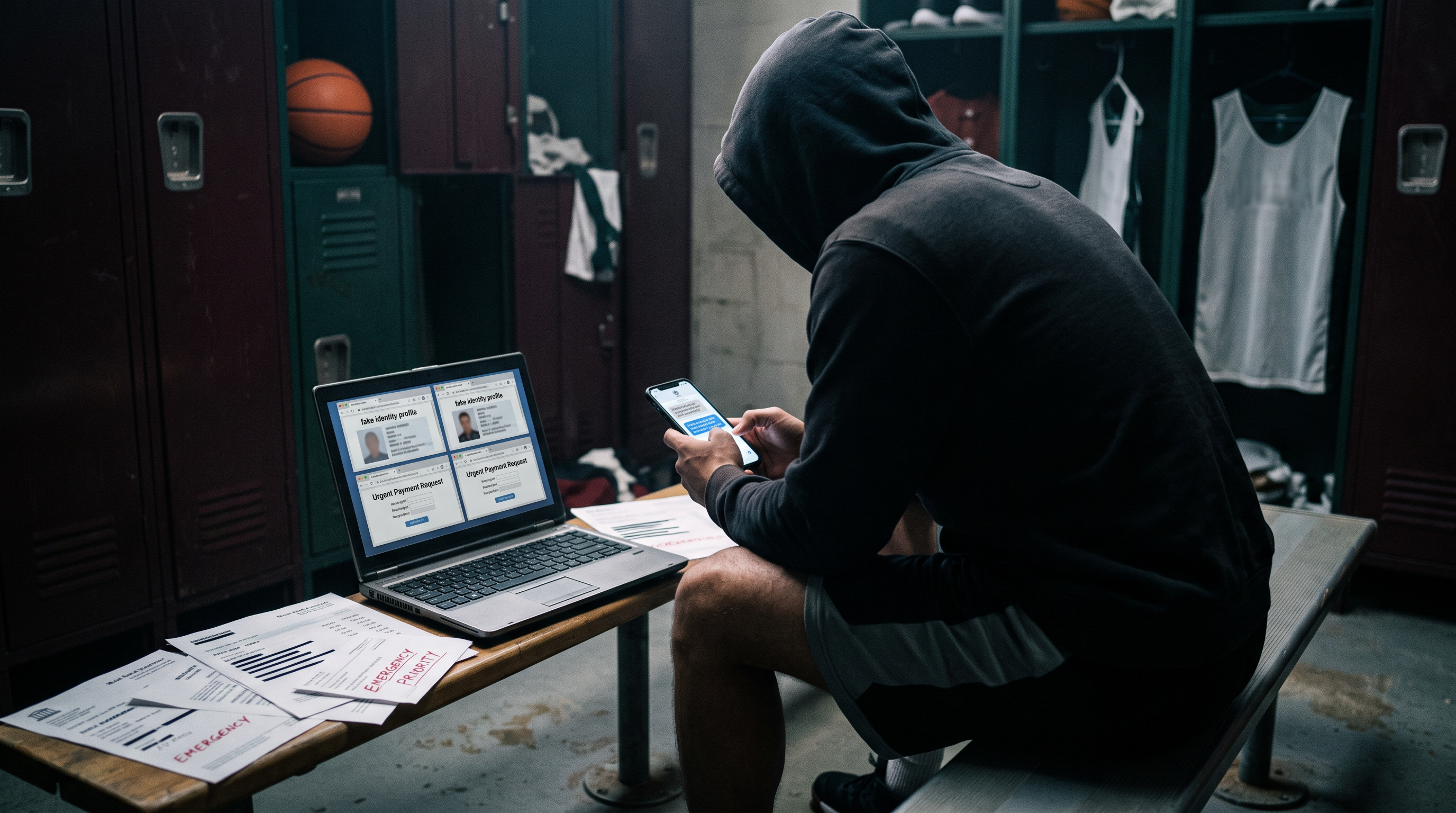
A UK woman has come forward with a devastating account of how fraudsters posing as Hollywood actor Jason Momoa on Facebook manipulated her into sending roughly £80,000 over several months. The case, reported in detail by the BBC, has shocked observers and reignited urgent questions about how social media platforms handle celebrity impersonation. Investigators and consumer advocates say this incident is far from isolated, and the tactics used are becoming more sophisticated by the day.
How the Jason Momoa Impersonator Scam Unfolded
According to the BBC's reporting, the victim was initially contacted through Facebook by an account presenting itself as the Aquaman star. The fraudsters behind the profile crafted a convincing digital persona, using photographs, biographical details, and a warm, attentive messaging style designed to build emotional trust over time.
Rather than asking for money immediately, the scammers invested weeks building a relationship. This grooming phase is a hallmark of what investigators call romance fraud or pig butchering, where the target is nurtured before any financial request is made. By the time payment demands arrived, the victim reportedly believed she had formed a genuine personal connection with the actor.
Payments were requested through multiple channels, including bank transfers and methods that are difficult to trace or reverse. The total loss climbed to approximately £80,000 before the victim realized she had been deceived. Her willingness to speak publicly about the experience has helped draw widespread attention to how these schemes operate at scale.
Why Celebrity Impersonation Scams Are So Effective
Celebrity impersonation works because it instantly borrows credibility. Victims are far less suspicious of a message that appears to come from a famous, verified-looking persona than one from a total stranger. The Federal Trade Commission has warned consumers since at least 2018 that scammers impersonate celebrities on social media to extract money and personal information.
Several factors make these scams especially dangerous today:
- AI-generated content: Fraudsters can now produce convincing profile photos, voice clips, and even short video clips using freely available tools, making fake accounts harder to detect.
- Easy account spoofing: Creating a Facebook profile with a celebrity's name and photos takes minutes. Platforms struggle to remove them before real damage is done.
- Emotional manipulation: Scammers are trained communicators who exploit loneliness, admiration, and trust.
- Cross-border operations: Many of these fraud networks operate internationally, complicating law enforcement efforts and making financial recovery extremely difficult.
Investigations by the Organized Crime and Corruption Reporting Project have found that celebrities themselves have expressed anger and frustration over their likenesses being used without consent to defraud fans. The problem has grown dramatically as AI tools lower the barrier to producing fake but believable content.
Platform Moderation Failures and Policy Gaps
One of the most troubling aspects of the Jason Momoa impersonator scam is how long the fake profile apparently remained active. Social media platforms have policies against impersonation, but enforcement is reactive rather than proactive. By the time a fake account is reported and taken down, the financial damage is often already done.
Critics argue that platforms need to invest more heavily in proactive detection systems, particularly for accounts claiming to be verified public figures. The speed at which impostor profiles can gain credibility through follower counts and shared content outpaces current moderation capabilities. Without stricter pre-verification requirements and faster takedown response times, consumers remain exposed.
How Scammers Move and Hide the Money
Once victims send funds, recovery is extraordinarily difficult. Fraud networks typically use layered payment pathways to obscure the trail. Common methods include:
- Directing victims to make bank transfers to seemingly legitimate accounts that are themselves controlled by money mules.
- Requesting gift cards, whose codes can be redeemed immediately and anonymously anywhere in the world.
- Using cryptocurrency wallets that can be rapidly split across dozens of addresses, making tracing highly resource-intensive.
Cross-border transfers add another layer of complexity. Funds can move through multiple jurisdictions in hours, and recovering assets once they leave a victim's bank account is rarely straightforward. Victims are strongly encouraged to contact their bank the moment they suspect fraud, as some transactions may still be reversible in the early stages.
Red Flags to Watch for in Celebrity Impersonation Scams
Understanding the warning signs is the first line of defense. Be alert if an account claiming to be a celebrity does any of the following:
- Sends you an unsolicited direct message out of nowhere.
- Builds an unusually close personal connection very quickly.
- Claims to need financial help or asks you to invest money on their behalf.
- Refuses to conduct a live, unscripted video call through a verified official channel.
- Requests payment via gift cards, wire transfer, or cryptocurrency.
- Asks you to keep the relationship secret from friends or family.
Legitimate celebrities do not message fans privately to ask for money. If any of these patterns appear, cease contact immediately and report the account to the platform. You can also check whether a profile appears on a tool like Blacklist, which aggregates reports of known scam accounts and fraudulent identities.
What to Do If You Have Been Targeted
If you believe you have encountered a Jason Momoa impersonator scam or any celebrity impersonation fraud, take action immediately:
- Stop all contact with the account and do not send any further payments.
- Contact your bank or card provider to report the fraud and request a transaction review.
- Preserve all evidence, including screenshots of messages, payment receipts, and profile details.
- Report the fake account directly to the social media platform using its impersonation reporting tools.
- File a report with the FTC at reportfraud.ftc.gov or, for cyber-enabled fraud, with the FBI's Internet Crime Complaint Center at ic3.gov. UK residents should report to Action Fraud.
The Broader Trend of AI-Driven Celebrity Fraud
This case is not an outlier. Reports of Nigerian and other internationally organized fraud networks using AI-driven impersonation techniques have surged in recent years, with celebrities ranging from actors to entrepreneurs being cloned without their knowledge or consent. The combination of emotional manipulation, platform gaps, and increasingly convincing synthetic content creates a threat environment that demands both better platform accountability and stronger consumer awareness.
The victim in this case has done something genuinely valuable by speaking publicly. Her story puts a human face on statistics that can otherwise feel abstract, and it may prompt other victims to come forward and report losses they might otherwise feel too embarrassed to disclose.
Conclusion
The Jason Momoa impersonator scam serves as a stark reminder that anyone can be targeted by celebrity fraud, regardless of age, education, or online experience. Fraudsters are skilled, patient, and increasingly well-equipped with technology. The best defense is awareness. Verify identities through official, confirmed channels before ever engaging financially. Share this story with friends and family who may be vulnerable. And if something feels wrong, trust that instinct and report it immediately.
Frequently Asked Questions
How do Jason Momoa impersonator scams work on Facebook?
Fraudsters create a fake Facebook profile using the actor's photos and name, then send unsolicited messages to fans. They build trust over weeks or months before requesting money through bank transfers, gift cards, or cryptocurrency.
How can I tell if a celebrity profile on Facebook is real?
Look for the official blue verification badge and cross-reference the account with the celebrity's confirmed social handles listed on their official website or agency pages. Real celebrities will never contact fans privately to request money.
What should I do if I already sent money to a scammer?
Contact your bank immediately to attempt a recall, preserve all message and payment records, report the fraud to your national fraud authority, and file a complaint with the FTC or FBI IC3 if you are in the United States.
Can social media platforms be held responsible for celebrity impersonation scams?
Currently, platforms in most jurisdictions enjoy broad liability protections, but regulatory pressure is mounting. Proposed legislation in several countries would require faster takedown times and stricter identity verification for accounts claiming to represent public figures.
Are celebrity impersonation scams becoming more common?
Yes. Consumer protection agencies and investigative outlets report a sharp rise in these schemes, driven by AI tools that make fake profiles more convincing and by the growing scale of organized fraud networks operating across borders.