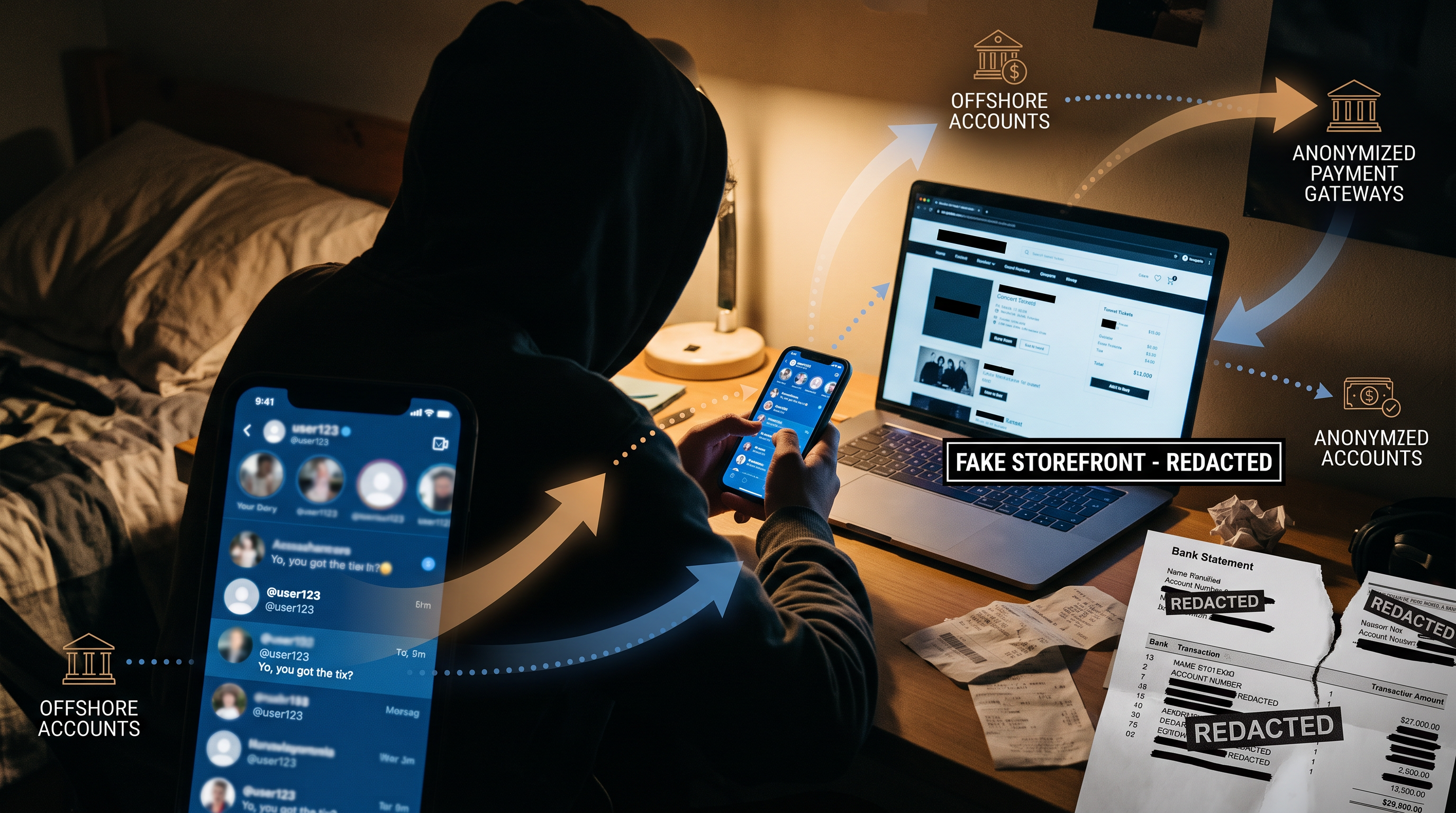
Celebrity impersonation scams have exploded into a multi-billion dollar crisis, with cybersecurity firm Spikerz reporting that fans lost an estimated $5.3 billion to fraudulent accounts impersonating stars like Taylor Swift, Sabrina Carpenter, and Billie Eilish in 2025 alone. Scammers are using a potent combination of account takeovers, AI-generated deepfakes, and aggressive paid advertising to lure victims into sending money they will never recover. The scale and sophistication of these operations mark a significant escalation from earlier waves of social media fraud.
How Celebrity Impersonation Scams Work in 2025
According to Complex, Spikerz identified two primary attack vectors driving the surge. The first involves full account takeovers of real, already-verified social media pages, meaning victims see a legitimate blue checkmark and an established follower count. The second involves the creation of highly convincing fake accounts bolstered by AI deepfake video and audio, cloned profile assets, and fabricated post histories that closely mimic a celebrity’s authentic presence.
Once a fake or compromised account is live, scammers run paid social media ads or craft viral posts designed to generate rapid engagement. Fans who click are funneled into direct messages that appear to come from the celebrity or their management team. The conversation is then quickly moved off-platform to WhatsApp or Telegram, where the scammer operates with far less oversight.
The Payment Pressure Funnel
Once off-platform, victims face a carefully scripted pressure campaign. Scammers manufacture urgency around exclusive meet-and-greets, limited merchandise drops, charity fundraisers, or investment opportunities allegedly endorsed by the celebrity. Payment is demanded quickly, and preferred methods include gift cards, domestic or international bank wires, and cryptocurrency transfers. All three are chosen specifically because they are difficult or impossible to reverse.
To reinforce the illusion of legitimacy, scammers often send victims fake dashboards or fabricated receipts showing that a reward, prize, or return on investment is waiting for them. The promised payout is always contingent on one more payment, a classic advance-fee structure.
Why Platforms Struggle to Stop These Networks
Platform trust-and-safety teams do remove accounts after reports, but the fraudulent networks adapt faster than enforcement can act. Scammers rotate domains and advertising accounts rapidly, making it difficult for automated systems to flag repeat offenders. Comment farms amplify fake posts to boost their algorithmic reach, and the use of real compromised accounts means the fraud often originates from a profile that has years of authentic engagement history.
The Hollywood Reporter has documented a long pattern of scammers exploiting celebrity names including Taylor Swift, Scarlett Johansson, and Kylie Jenner, noting that the problem predates current AI tools and has only grown more sophisticated as synthetic media has become accessible and affordable.
AI Deepfakes Are Raising the Stakes
McAfee has separately ranked the celebrities most commonly targeted by deepfake technology, and many names overlap with the Spikerz findings. Deepfake video clips of a celebrity appearing to announce a giveaway or personally address a fan are now being embedded directly into paid ad creatives, making the initial hook far more convincing than a static image ever could be. Voice cloning adds another layer, with scammers sending short audio messages that sound indistinguishable from the real artist to reinforce trust during the DM stage.
The Real Human Cost Behind the Numbers
The $5.3 billion figure represents reported and estimated losses, but consumer advocates note that the true total is almost certainly higher. Many victims, particularly younger fans or those embarrassed by the loss, never report the fraud at all. Individual losses range from small amounts to life-changing sums, and the emotional harm of believing a beloved celebrity personally reached out, only to discover the entire interaction was manufactured, carries its own lasting damage.
Underreporting is a well-documented problem across all forms of online fraud. The FTC notes that consumers who fall victim to celebrity impersonators often feel personal shame, which suppresses complaint rates and distorts the data available to researchers and law enforcement alike.
Red Flags Every Fan Should Know
Knowing the warning signs is the most effective defense against celebrity impersonation scams. Here are the key indicators to watch for:
- Unsolicited contact: Real celebrities and their management teams do not cold-DM fans with prize offers or investment opportunities.
- Off-platform requests: Any request to continue a conversation on WhatsApp or Telegram should be treated as a major warning sign.
- Gift card or crypto payments: No legitimate promotion, charity, or meet-and-greet requires payment via gift card, wire transfer, or cryptocurrency.
- Urgency and secrecy: Pressure to act immediately or to keep the offer private is a classic manipulation tactic used across all fraud types.
- Fake dashboards: Screenshots or web pages showing a prize balance you can access after one more payment are fabricated.
What to Do If You Have Been Targeted
If you suspect you have encountered a celebrity impersonation scam, consumer agencies recommend taking the following steps immediately:
- Stop all communication with the account and do not send any additional funds.
- Preserve all screenshots, message logs, and any payment confirmation records.
- Contact your bank or cryptocurrency exchange right away to report the transaction and request a recall if possible.
- Report the scam to the FTC at reportfraud.ftc.gov and to the FBI Internet Crime Complaint Center at ic3.gov.
- Report the fake account directly to the social media platform using its built-in abuse reporting tools.
You can also use tools like Blacklist to check whether an account or contact has been flagged by other users for fraudulent behavior before engaging further.
Verify Before You Trust
The simplest and most reliable protection is independent verification. If an offer from a celebrity or their team seems real, look it up through the artist’s official website, their verified social media links listed there, or announcements from their label or publicist. Never act on a DM alone, no matter how convincing the profile looks or how authentic the voice or video message sounds. The technology to clone both has never been more accessible to bad actors.
With $5.3 billion in reported losses already on the board for 2025, celebrity impersonation scams represent one of the fastest-growing and most emotionally manipulative forms of online fraud active today. Awareness, skepticism, and fast reporting are the most powerful tools fans have to push back.
Frequently Asked Questions
What are celebrity impersonation scams?
Celebrity impersonation scams involve fraudsters creating fake social media accounts, or taking over real verified ones, to pose as famous artists or public figures. They use these accounts to trick fans into sending money, gift cards, or cryptocurrency under false pretenses such as meet-and-greets, giveaways, or exclusive investment opportunities.
How much money have celebrity impersonation scams stolen in 2025?
According to cybersecurity firm Spikerz, fans lost an estimated $5.3 billion to celebrity impersonation scams in 2025. The figure is based on reported losses and estimates, and the true total is likely higher due to widespread underreporting.
Which celebrities are most commonly impersonated by scammers?
Spikerz highlighted Taylor Swift, Sabrina Carpenter, and Billie Eilish as frequent targets. Research from McAfee and reporting by The Hollywood Reporter also identify Scarlett Johansson and Kylie Jenner among the names most commonly exploited by impersonation and deepfake scams.
How do I report a celebrity impersonation scam?
You should report the fraud to the FTC at reportfraud.ftc.gov and to the FBI Internet Crime Complaint Center at ic3.gov. You should also report the fake account to the social media platform where you encountered it, and contact your bank or crypto exchange immediately if you sent any funds.
Can AI deepfakes really fool fans into believing a celebrity is contacting them?
Yes. Scammers now use AI-generated video and voice cloning tools to create highly convincing clips of celebrities announcing giveaways or speaking directly to fans. These deepfakes are embedded in paid ads and sent as DM attachments, making them difficult to distinguish from authentic content without careful scrutiny.