Federal authorities have arrested two people accused of running a sweeping romance and investment fraud operation that allegedly cost 26 victims a combined $1.3 million. According to prosecutors, the suspects built a convincing fake persona of a San Francisco 49ers player on dating apps, cultivated deep emotional trust, and then steered targets into bogus investment schemes and repeated cash requests. The alleged scheme ran from February 2022 until the arrests in August 2026, making it one of the more sustained fake NFL player romance scam cases the FBI has publicly charged.
Key Facts
- Federal authorities arrested two suspects in August 2026 on charges of wire fraud and conspiracy to commit wire fraud related to the alleged scheme.
- Prosecutors allege the suspects impersonated a San Francisco 49ers player identified as Daejon Love on dating apps to defraud victims across multiple states.
- About 26 victims were identified, with total reported losses of approximately $1.3 million, according to federal charging documents.
- The alleged fraud ran continuously from February 2022 through August 2026, spanning more than four years of alleged criminal conduct.
- Victims were reportedly moved off dating platforms and directed to make payments and fake investments through off-platform channels.
How the Fake NFL Player Romance Scam Allegedly Worked
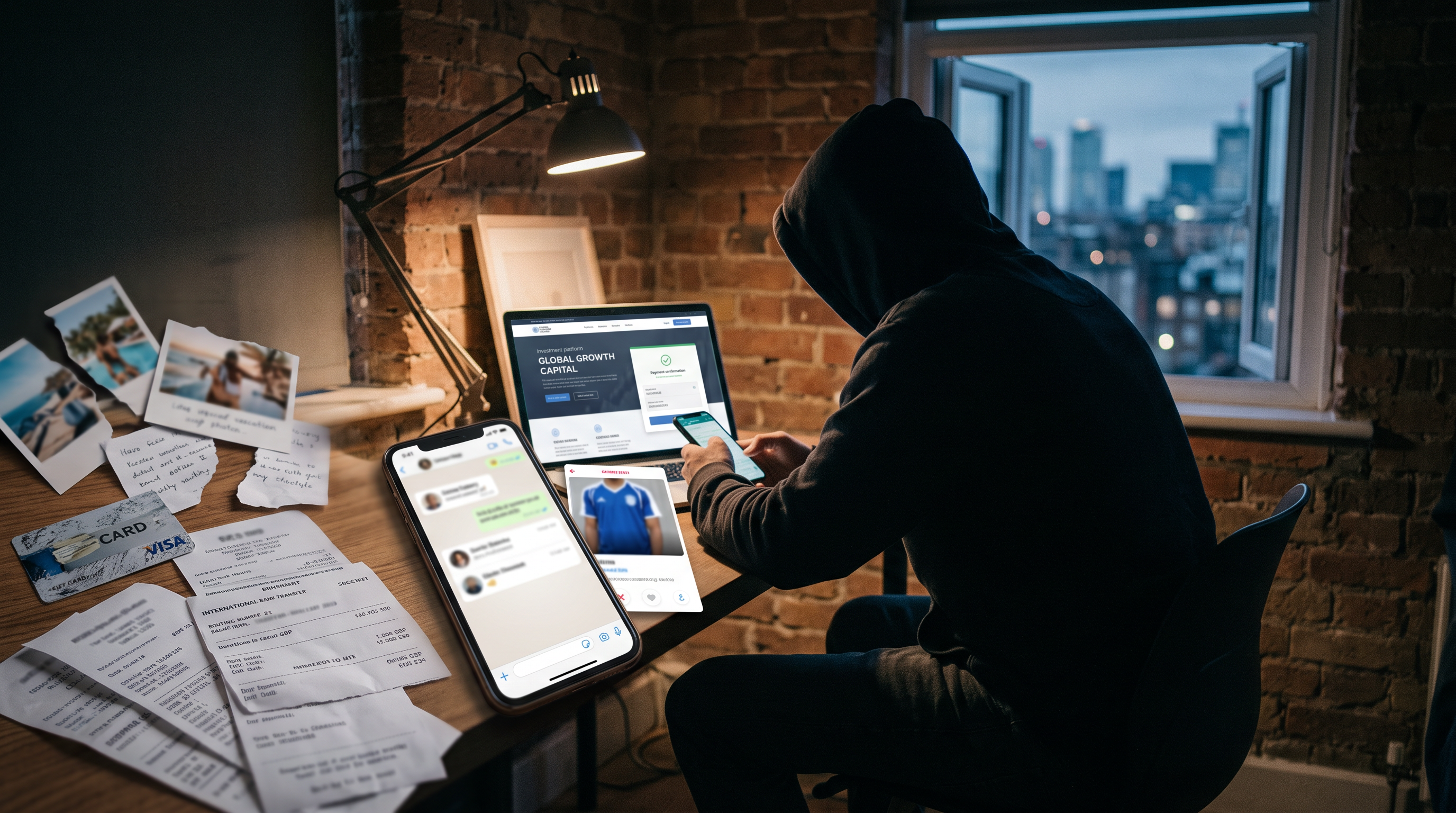
According to The Guardian's reporting on the case, the suspects allegedly constructed a believable online identity using staged photographs, team imagery, and a fabricated backstory designed to pass as a professional football player. The profile was engineered to signal wealth, status, and desirability, which are classic tools in romance fraud playbooks.
Once a victim matched or connected with the fake profile, the suspects allegedly devoted significant time and effort to building an emotional relationship. Investigators say the operation used scripted conversations and carefully timed affection to lower victims' defenses before any financial request was made. This slow-burn approach is increasingly common in high-yield impersonation scams, where fraudsters play a long game to maximize eventual payouts.
After earning trust, the suspects allegedly pivoted to financial exploitation in two main ways. First, they made direct money requests framed as personal emergencies or temporary needs. Second, they steered victims into what appeared to be exclusive investment opportunities tied to the fake player's supposed wealth and insider connections. Both tactics are hallmarks of what the FBI and FTC classify as romance-turned-investment fraud.
Why an NFL Persona Is an Effective Lure
Professional athletes carry a specific kind of social authority that makes them unusually effective as impersonation targets. They are publicly known, associated with wealth, and their busy travel schedules provide a ready-made excuse for why they cannot meet in person. That combination makes it harder for victims to spot the warning signs early.
Prosecutors allege the suspects leaned into this dynamic heavily, using photos featuring team gear and luxury props to reinforce the illusion. The NFL branding, in particular, lends an air of institutional credibility that a fabricated private-citizen persona simply cannot replicate. Similar tactics have been documented in other celebrity impersonation cases, including a Kenny Chesney impersonator scam where fraudsters leveraged a musician's fame to extract money from fans, and a case involving a Jason Momoa impersonator on Facebook who targeted victims with nearly identical emotional manipulation techniques.
Scale of the Alleged Fraud and Federal Charges
Federal prosecutors charged both suspects with wire fraud and conspiracy to commit wire fraud. Wire fraud alone carries a maximum sentence of 20 years per count in federal court, meaning both defendants face potentially serious prison time if convicted.
The scale of the operation, 26 identified victims and $1.3 million in losses over more than four years, places this case well above the average individual romance scam. The FBI's Internet Crime Complaint Center reported that romance fraud collectively cost Americans hundreds of millions of dollars annually in recent years, and cases like this one illustrate how organized and persistent these schemes can become. You can report suspected fraud directly to the FBI at the IC3 online portal.
According to Sporting News coverage of the arrests, the NFL world reacted with alarm to the news, with many pointing out that fans and dating app users have no reliable way to verify whether an account claiming to belong to a professional athlete is genuine.
How Victims Were Targeted and Payments Collected
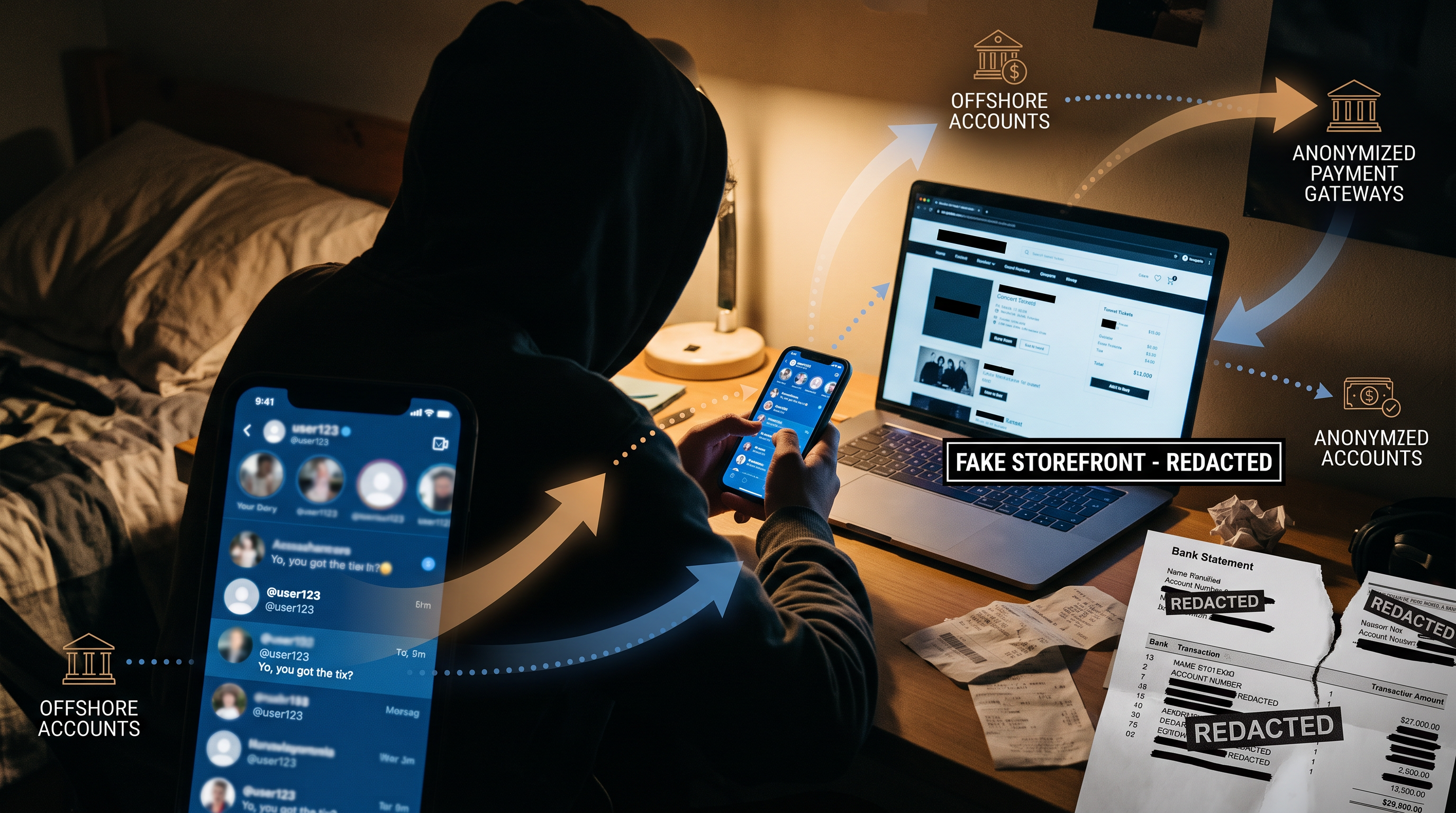
Investigators allege that after initial contact on dating platforms, the suspects moved conversations to private messaging apps where communications are harder to monitor and preserve. Payment requests were then made through channels that offer limited consumer protections, such as peer-to-peer transfer apps and cryptocurrency, making recovery of funds extremely difficult once sent.
This off-platform migration is a deliberate tactic. Dating apps have fraud detection systems and terms of service that, if triggered, can shut down a fraudulent account quickly. By moving off the platform early, the suspects allegedly reduced that risk while simultaneously creating an environment where victims felt they were in a private, exclusive relationship rather than a monitored transactional space.
Red Flags and How to Protect Yourself
This case shares structural similarities with a broader wave of impersonation-based fraud that has drawn regulatory and law enforcement attention. The FTC has specifically warned consumers about romance scams that escalate into fake investment pitches, a category sometimes called "pig butchering" or investment romance fraud. You can report suspected romance fraud to the FTC at reportfraud.ftc.gov.
Consumer protection experts recommend the following steps if you suspect you are being targeted by a fake NFL player romance scam or any similar impersonation scheme:
- Request a live video call early and watch for excuses that prevent it from happening.
- Reverse image search any photos shared by the contact to check for stolen images.
- Never send money, cryptocurrency, or investment funds to someone you have not met in person and verified through independent means.
- Search the person's name plus words like "scam" or "fraud" to see if others have reported similar contact.
- Preserve all communications, screenshots, and transaction records before reporting to your bank and law enforcement.
- Report the profile to the dating platform immediately and contact the FBI's IC3 if financial loss has occurred.
Broader data on impersonation fraud trends, including the scale of losses tied to these schemes in 2025, is covered in depth in this report on imposter scam losses tracked by the FTC.
What Happens Next in the Case
Both suspects are in federal custody following the August 2026 arrests. The case will proceed through the federal court system, where prosecutors will need to prove wire fraud and conspiracy charges beyond a reasonable doubt. Given the number of alleged victims and the documentary evidence typically preserved in digital fraud cases, messaging logs, payment records, and account data, federal prosecutors often build strong evidentiary foundations in these matters before filing charges.
Victims who have not yet come forward are encouraged to contact the FBI, as additional victim identification can both support prosecution and help individuals explore any potential restitution avenues that may arise from a conviction. The longer a victim waits to report, the harder it becomes to trace and freeze funds.
This arrest serves as a sharp reminder that online personas, no matter how polished, can be entirely fabricated. The more professionally constructed the profile, the more important it is to apply skepticism before any emotional or financial investment is made. If an online contact's story seems too flattering, too urgent, or too financially intertwined, those are signals worth heeding before a single dollar is transferred.
Frequently Asked Questions
What is the fake NFL player romance scam involving the 49ers?
Federal prosecutors allege two suspects impersonated a San Francisco 49ers player named Daejon Love on dating apps, built fake relationships with victims, and then stole money through direct requests and fraudulent investment pitches. About 26 victims were identified, with combined losses of roughly $1.3 million. The alleged scheme ran from February 2022 until the suspects were arrested in August 2026.
How many victims were affected and how much money was stolen?
According to federal charging documents, approximately 26 victims were identified in the case, and their combined losses totaled around $1.3 million. Investigators believe the actual victim count could be higher, as many romance scam victims do not come forward due to embarrassment or fear.
What charges are the two suspects facing?
Both suspects were charged with wire fraud and conspiracy to commit wire fraud in federal court. Wire fraud carries a maximum penalty of up to 20 years in prison per count under federal law, meaning both defendants could face significant sentences if convicted at trial.
How can I tell if a dating app profile claiming to be an NFL player is fake?
Key warning signs include an inability or repeated refusal to video call, stories that justify never meeting in person, requests for money or investment funds, and images that appear on other accounts when reverse searched. You should independently verify any claimed identity through official team channels before engaging further, and never send money to someone you have not met in person.
Where should I report a fake NFL player romance scam?
Report suspected romance fraud to the FBI's Internet Crime Complaint Center at ic3.gov and to the FTC at reportfraud.ftc.gov. You should also contact your bank or payment provider immediately if money was sent, preserve all screenshots and communications, and report the fake profile to the dating platform where contact was made.