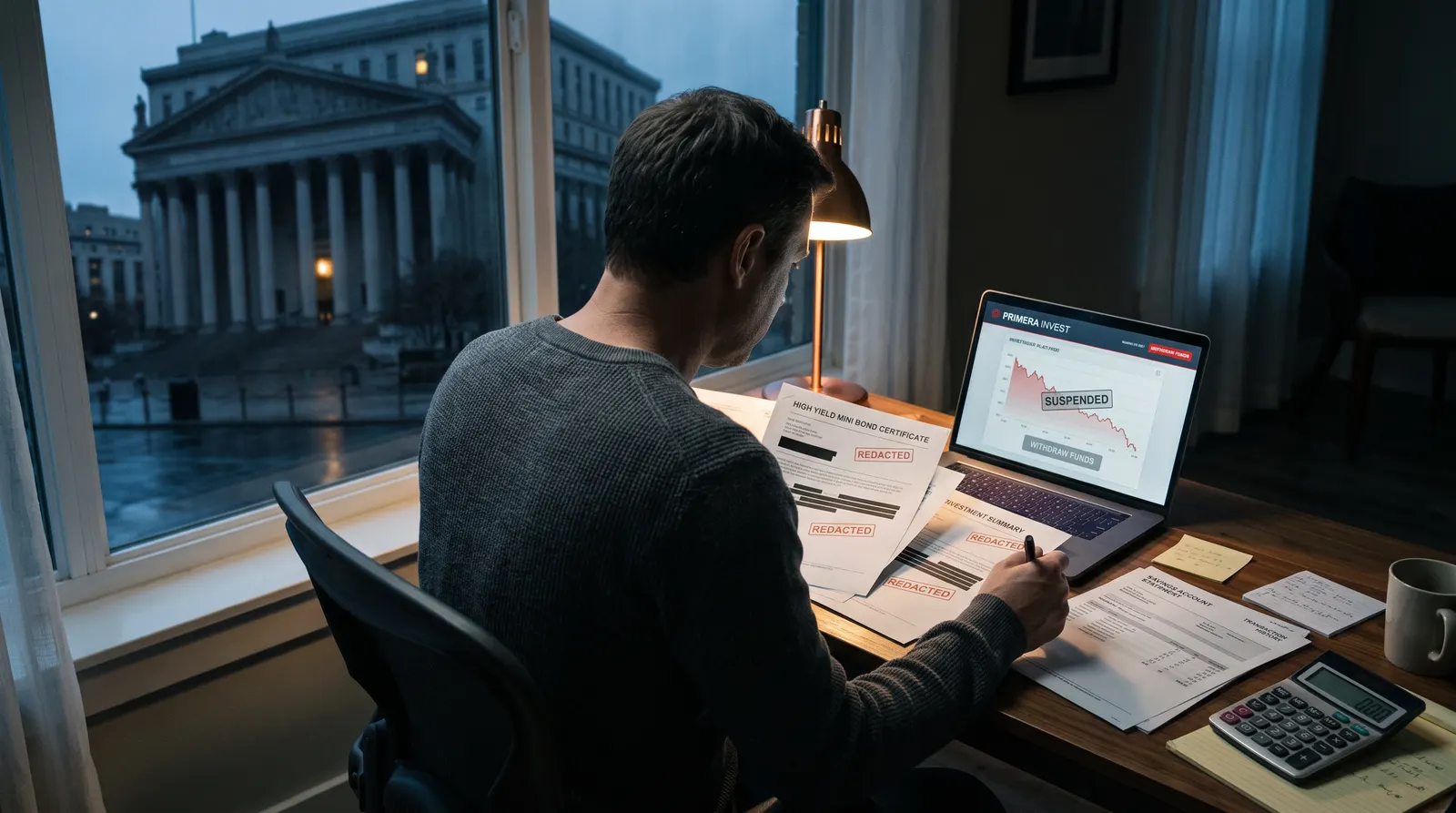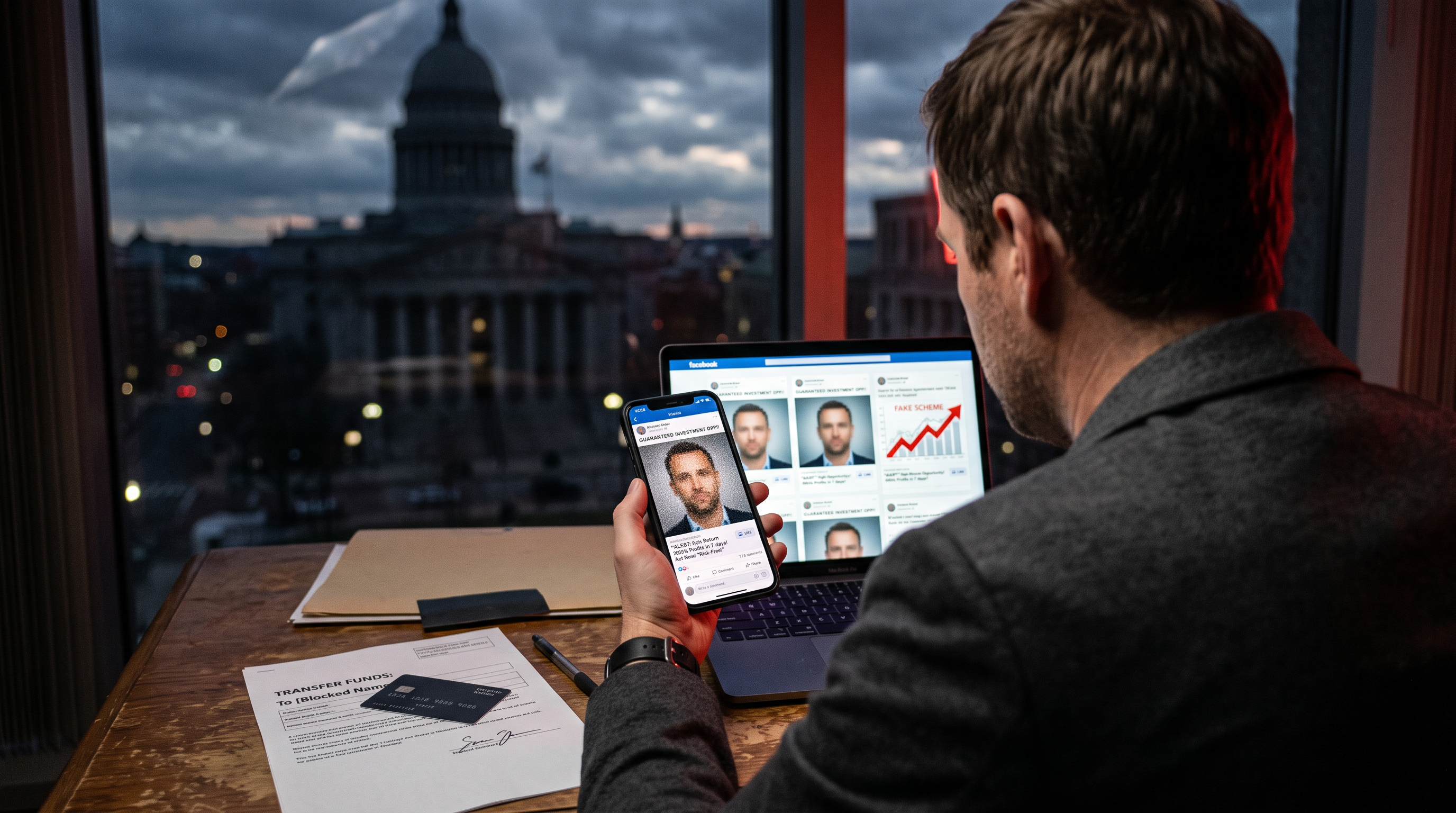
A billionaire whose face and name were allegedly used to sell fake investments took on one of the world's biggest social media companies in court. He lost. The Yusaku Maezawa Meta lawsuit ended in dismissal at the Tokyo District Court on November 10, 2026, even though the court reportedly acknowledged that his publicity rights had been infringed. The outcome raises a hard question for anyone who scrolls Facebook or Instagram: who is responsible when a scam ad borrows a famous identity?
Key facts
- The Tokyo District Court dismissed Zozotown founder Yusaku Maezawa's lawsuit against Meta and its Japanese subsidiary on November 10, 2026, according to The Japan Times.
- Maezawa sought damages and an injunction over fraudulent investment ads that allegedly impersonated him on Facebook and Instagram, according to reports of the ruling.
- The court reportedly acknowledged infringement of Maezawa's publicity rights but concluded Meta acted as a platform operator rather than as the creator of the fraudulent posts.
- The court reportedly found an injunction unnecessary in light of corrective measures, and the people behind the ads have not been identified in the reporting.
What the Tokyo District Court decided in the Yusaku Maezawa Meta lawsuit
Maezawa is the founder of the online fashion retailer Zozotown and one of Japan's best known entrepreneurs. According to The Japan Times, he sued Meta and its Japanese arm after fraudsters allegedly ran investment advertisements that used his identity to look trustworthy. The Tokyo District Court rejected his claims on November 10, 2026.
Japanese outlets including Nippon.com and the Jiji Press English service also covered the case. The reporting describes a civil dispute over platform responsibility, not a criminal prosecution of Meta.
Publicity rights were recognized
The most striking detail is that the court reportedly accepted that Maezawa's publicity rights were infringed. Publicity rights protect a person's ability to control commercial use of their name and likeness. In practical terms, the judges agreed that using his identity in these ads was a violation.
That finding did not translate into a win against Meta. Recognizing a violation and holding a specific defendant liable for it are two separate steps under the law.
Why Meta was treated as a platform operator
According to reports of the ruling, the court concluded that Meta was acting as a platform operator and was not the party that directly created the fraudulent posts. In other words, the judges reportedly viewed the company as the host of the ads, not their author.
This distinction sits at the center of the case. Platforms often argue that they provide a service and that advertisers, not the service, produce the content. Courts in many countries have had to decide how far that argument goes when the content is a paid advertisement.
The injunction request was also rejected
Maezawa also asked for an injunction, which would have ordered Meta to act against the ads. The court reportedly found an injunction unnecessary in light of corrective measures already taken. The reporting does not spell out here what those measures were, so readers should treat that point with caution until fuller court documents or coverage appear.
What the ruling does not mean
Headlines about this case can easily be misread, so a few limits are worth stating plainly.
- The court did not approve scam ads, and nothing in the reporting says it did.
- Meta was not convicted of fraud. It was the defendant in a civil platform-liability case.
- The ruling does not suggest the advertised investments were legitimate.
- It does not suggest Maezawa endorsed them. The claim in court was that his identity was used without permission.
- The fraudsters behind the ads are not identified in the available reporting.
It is also worth noting that the available reporting does not verify that this is the most viral fraud story of the day. It is, however, a significant case involving a prominent businessman and one of the largest advertising platforms in the world.
How fake investment ads exploit famous faces
The alleged scheme in Maezawa's case follows a pattern that consumer groups and regulators have warned about for years. Scammers pick a well-known, wealthy figure and attach that person's name or photo to an ad promising easy returns. The celebrity's reputation does the persuading, and the victim often clicks through to a chat group or a fake trading site.
Once a person is inside that funnel, the pressure usually builds. Fraudsters push for small deposits first, show fabricated gains, then press for larger transfers. Withdrawals are blocked or fees appear, and the money is gone.
Maezawa is far from the only public figure targeted this way. Similar stories include the Mark Cuban diabetes scam ads, where a famous name was attached to a product pitch, and the Lee Ji Hye fake AI ad, which involved an artificially generated promotion. In each case, the person pictured had nothing to do with the offer, according to the reports on those stories.
Why this scam ads lawsuit matters for platform liability
The Tokyo decision lands in a wider debate over whether social media companies should answer for scam advertising they profit from. Governments and regulators are testing different approaches. In the United States, for example, Rhode Island took a different route when it went after the company, as covered in our report on how Rhode Island sues Meta over scam ads.
Comparing the cases shows why the legal theory matters. A claim built on one person's publicity rights asks whether the platform infringed that person's rights. A claim built on consumer protection asks whether the platform's conduct harmed the public. Different claims can lead to very different results.
What the outcome signals for other public figures
For celebrities and executives whose images are misused, the ruling shows that proving a rights violation may not be enough. They may also need to show that the platform bears legal responsibility for the ad itself. That is a high bar if a court sees the platform as a host.
It does not close the door for future cases. Facts, claims, and national laws vary, and this is a single district court decision. An appeal is possible, though the reporting reviewed here does not say whether Maezawa plans one.
How to protect yourself from fake celebrity investment ads
Whatever the courts decide about liability, ordinary users are the ones who lose money. These habits reduce the risk:
- Treat any ad that pairs a famous person with guaranteed returns as suspect.
- Check the advertiser's page. Newly created pages, few followers, or mismatched names are warning signs.
- Never move a conversation to a private chat group at the request of a stranger who found you through an ad.
- Search the investment platform's name together with the word "scam" and check whether regulators in your country list it.
- Do not send money, cryptocurrency, or personal identification documents to unverified sites.
What to do if you already clicked or paid
Stop all contact and do not send further payments, even if the scammer says it will unlock your funds. Contact your bank or card provider right away and keep screenshots, links, and transaction records. In the United States, you can file a report with the FTC at ReportFraud and with the FBI Internet Crime Complaint Center. Readers elsewhere should contact their national police or financial regulator.
Report the ad to the platform
Use the report function on the ad itself. Even if a court finds a platform is not directly liable, user reports are one of the main ways ads get reviewed and removed. Reporting also builds a record that can help investigators.
The bottom line on the Maezawa ruling
The Yusaku Maezawa Meta lawsuit shows how complicated the fight against impersonation ads has become. A Tokyo court reportedly agreed that a billionaire's publicity rights were violated, yet it still dismissed his claims because Meta was seen as a platform operator and not the author of the posts. The fraudsters themselves remain unidentified in the reporting.
For readers, the lesson is practical. Do not assume a platform has screened an ad, and do not trust a famous name attached to a money-making offer. If you spot a suspicious ad, report it to the platform and to your local fraud authority, and share this article with someone who might be tempted by one.
Frequently Asked Questions
Why did Yusaku Maezawa lose his lawsuit against Meta?
The Tokyo District Court reportedly concluded that Meta acted as a platform operator and not as the creator of the fraudulent posts. It did acknowledge that Maezawa's publicity rights were infringed. The court also found an injunction unnecessary in light of corrective measures.
What was the Yusaku Maezawa Meta lawsuit about?
Maezawa, the founder of Zozotown, sued Meta and its Japanese subsidiary over fraudulent investment ads that allegedly used his identity on Facebook and Instagram. He sought damages and an injunction. The Tokyo District Court dismissed his claims on November 10, 2026.
Did the court say Meta was guilty of fraud?
No. The case was a civil platform-liability dispute, and Meta was not convicted of fraud. The ruling also does not say the advertised investments were legitimate or that Maezawa endorsed them.
Who is behind the fake Maezawa investment ads?
The people who ran the ads are not identified in the available reporting. Reports say fraudsters allegedly used Maezawa's identity to make the investment offers look credible. Meta was the defendant in the lawsuit, not an identified operator of the scams.
How can I report a fake celebrity investment ad?
Use the report option on the ad within Facebook or Instagram. In the United States, you can also file a complaint with the FTC at reportfraud.ftc.gov and the FBI at ic3.gov. If you lost money, contact your bank immediately and keep records of every transaction.