A federal jury in Brooklyn has found one of the world's biggest telecommunications companies guilty of fraud. On November 24, 2026, Huawei was convicted on 10 of 12 criminal counts after a trial that lasted about three months. This is a jury verdict, not an unproven allegation, and it lands at the center of a long running fight over sanctions, banking and technology. Here is what the jury decided and what comes next after Huawei convicted of fraud headlines spread worldwide.
Key facts
- On November 24, 2026, a federal jury in Brooklyn, New York, convicted Huawei Technologies and three subsidiaries on 10 of 12 criminal counts, according to reports from Bloomberg and the US Department of Justice.
- The convictions cover bank fraud, wire fraud, money laundering conspiracy, sanctions violations and conspiracy to steal trade secrets, following a trial of roughly three months.
- Prosecutors said Huawei hid the nature of its Iran business through an entity called Skycom and misrepresented that relationship to financial institutions including HSBC.
- Huawei was acquitted of racketeering conspiracy and conspiracy to obstruct justice, and sentencing is reportedly scheduled for September 2027.
What the Brooklyn Jury Decided in the Huawei Fraud Case
The defendants were Huawei Technologies and three of its subsidiaries. They are corporate defendants, and the verdict does not concern individual executives. The jury returned guilty verdicts on 10 of the 12 counts after weighing evidence for about three months.
According to the Justice Department and news reports, the convictions fall into these categories:
- Bank fraud
- Wire fraud
- Money laundering conspiracy
- Violations of US sanctions
- Conspiracy to steal trade secrets
The government's own announcements are available on the US Department of Justice website. Bloomberg also covered the ruling in its report on the landmark case.
Counts Where Huawei Was Acquitted
The verdict was not a clean sweep for prosecutors. The jury acquitted Huawei of racketeering conspiracy, a charge that often carries heavy consequences for organizations. It also acquitted the company of conspiracy to obstruct justice.
That split matters for the next phase. The two acquittals narrow the legal picture, even though the remaining convictions are serious and cover core business conduct.
How Huawei Concealed Its Iran Business Through Skycom
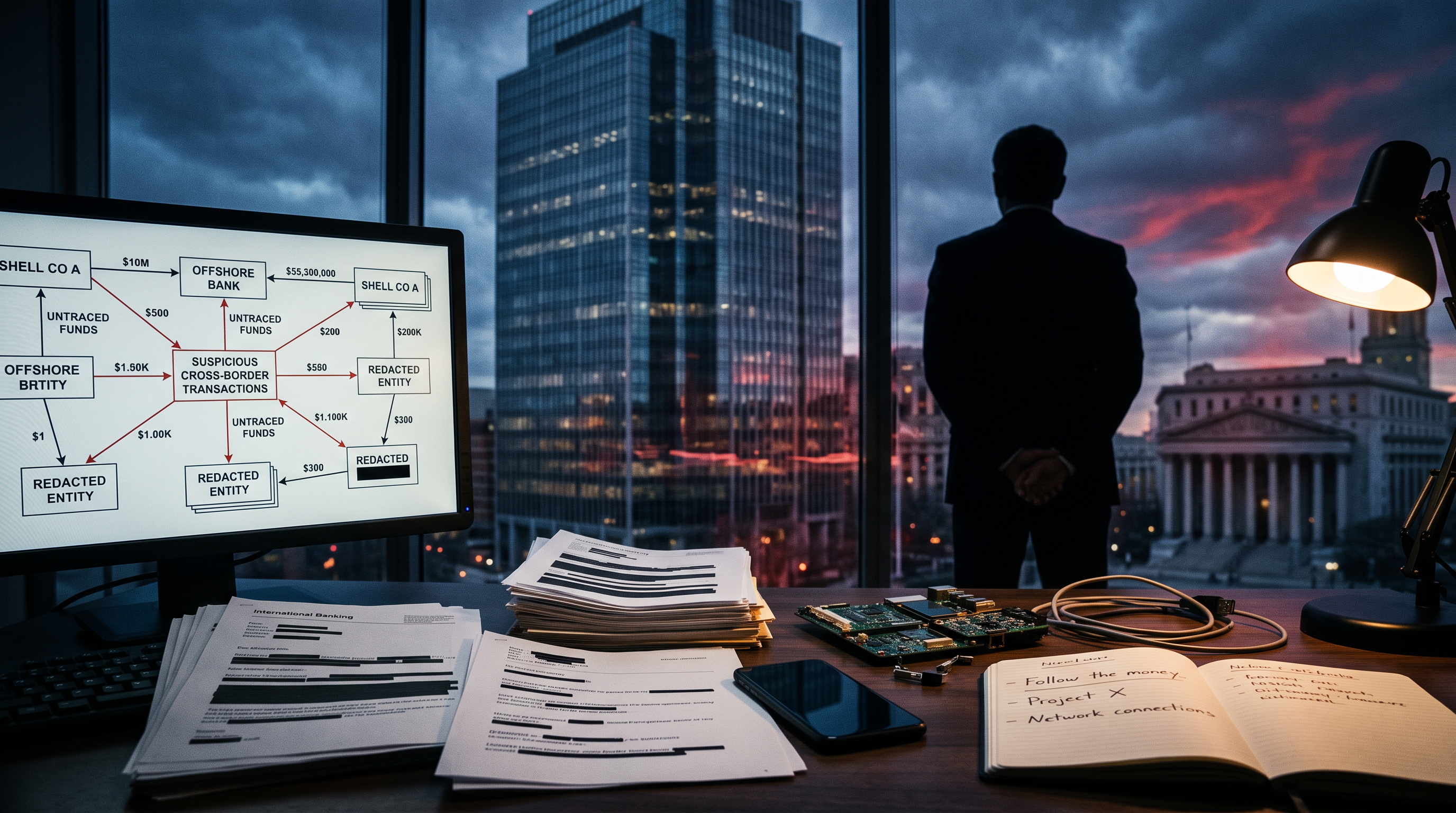
At the heart of the fraud counts is Skycom, an entity tied to Huawei's operations in Iran. Prosecutors argued that Huawei concealed the real nature of its business there. They said the company misrepresented its relationship with Skycom to international financial institutions.
The government's theory, as reported, is that these statements kept banks processing transactions they might otherwise have refused. The jury accepted enough of that case to convict on bank fraud, wire fraud and related counts.
Why HSBC and Other Banks Were Exposed
HSBC was named among the financial institutions that received the alleged misrepresentations. According to prosecutors, the deception exposed banks to potential violations of US sanctions. Banks rely on accurate information from clients to decide whether a transaction is permitted.
When a customer misstates who it is doing business with, the bank can end up moving money in ways that break sanctions rules without knowing it. That risk to the banks is a central reason the case was framed as fraud and not only as a sanctions matter.
Trade Secret Theft Allegations Against Huawei
The jury also convicted Huawei of conspiracy to steal trade secrets. Prosecutors presented evidence involving the unauthorized acquisition of proprietary American technology. ITV News reported on the trade secrets conviction as part of its coverage of the verdict.
The technology theft count adds a competitive and national security angle to what began as a banking and sanctions story. For US companies, it shows that prosecutors are willing to bring trade secret conspiracy charges against a global corporation and take them to a jury.
Huawei's Response and What Happens Next
Huawei rejected the outcome. The company argued that the charges lacked factual and legal merit, and it indicated that it would pursue further legal action. That usually points to post-trial motions and an appeal, though the company has not been reported to have detailed its next filings.
US News carried a report on the trial's links to Huawei's Iran business. UPI also reported that the jury convicted Huawei on November 25, a day after the verdict.
Sentencing and Potential Penalties
The companies face potentially substantial financial penalties. Sentencing is reportedly scheduled for September 2027. Because the defendants are corporations, penalties are expected to be financial and regulatory in nature rather than prison terms.
The exact amount has not been set. A judge will decide after hearing from both sides, and any appeal could affect the timeline.
Why This Corporate Fraud Conviction Matters
Corporate fraud cases often end in settlements or deferred agreements. This one went to a jury and ended in a conviction. That makes it unusual, and it sets a marker for how far prosecutors will go when a multinational is accused of deceiving banks.
Several groups are likely to watch what follows:
- Banks and compliance teams, which depend on truthful client disclosures to screen for sanctions risk.
- Technology companies, which may review how they protect proprietary information and manage joint ventures.
- Multinational firms, which may take a closer look at how they describe partners and affiliates in dealings with financial institutions.
Corporate Defendants Versus Individual Executives
It is worth being precise about who was convicted. The verdict covers Huawei Technologies and three subsidiaries. It does not find any individual executive guilty. Readers should avoid blending this case with other proceedings involving company personnel, which are separate matters.
What Businesses and Consumers Can Learn From the Huawei Verdict
Most people will never face a sanctions case. Still, the conduct alleged here, hiding who is really behind a transaction, is a familiar pattern in everyday fraud. Honest disclosure is the thing banks, regulators and customers all rely on.
Some practical steps for small businesses and individuals:
- Verify who you are paying and who is paying you before moving large sums.
- Keep clear records of every affiliate, intermediary and partner involved in a deal.
- Report suspected wire fraud or financial deception promptly to the FTC at ReportFraud or the FBI Internet Crime Complaint Center.
- Treat any request to hide a counterparty or reroute funds through an unexplained entity as a red flag.
For more coverage of verified fraud cases and the tactics behind them, browse the latest reports at Blacklist.
The Bottom Line on Huawei's Conviction
A Brooklyn jury has convicted Huawei Technologies and three subsidiaries on 10 of 12 counts, including bank fraud, wire fraud, money laundering conspiracy, sanctions violations and conspiracy to steal trade secrets. The company was cleared of racketeering conspiracy and conspiracy to obstruct justice, and it says it will keep fighting. Sentencing is reportedly set for September 2027, so the story is far from over.
Follow the case as post-trial motions and sentencing develop, and stay alert to the same warning signs in your own financial dealings. If you spot suspected fraud, report it to the authorities and share what you learn.
Frequently Asked Questions
Was Huawei really convicted of fraud?
Yes. On November 24, 2026, a federal jury in Brooklyn convicted Huawei Technologies and three subsidiaries on 10 of 12 criminal counts. The convictions include bank fraud and wire fraud, along with money laundering conspiracy, sanctions violations and conspiracy to steal trade secrets.
What was Huawei acquitted of?
The jury acquitted Huawei of racketeering conspiracy and conspiracy to obstruct justice. Those were two of the 12 counts. The company was found guilty on the other 10.
What is Skycom and why does it matter in the Huawei case?
Skycom is an entity connected to Huawei's business in Iran. Prosecutors said Huawei misrepresented its relationship with Skycom to financial institutions, including HSBC. According to the government, that deception exposed banks to potential violations of US sanctions.
Will Huawei appeal the conviction?
Huawei said the charges lacked factual and legal merit and indicated it would pursue further legal action. An appeal is a common next step after a federal conviction. The company has not publicly detailed its exact filings.
When is Huawei's sentencing?
Sentencing is reportedly scheduled for September 2027. The companies face potentially substantial financial penalties, though no figure has been set. The date could change if post-trial motions or appeals alter the schedule.