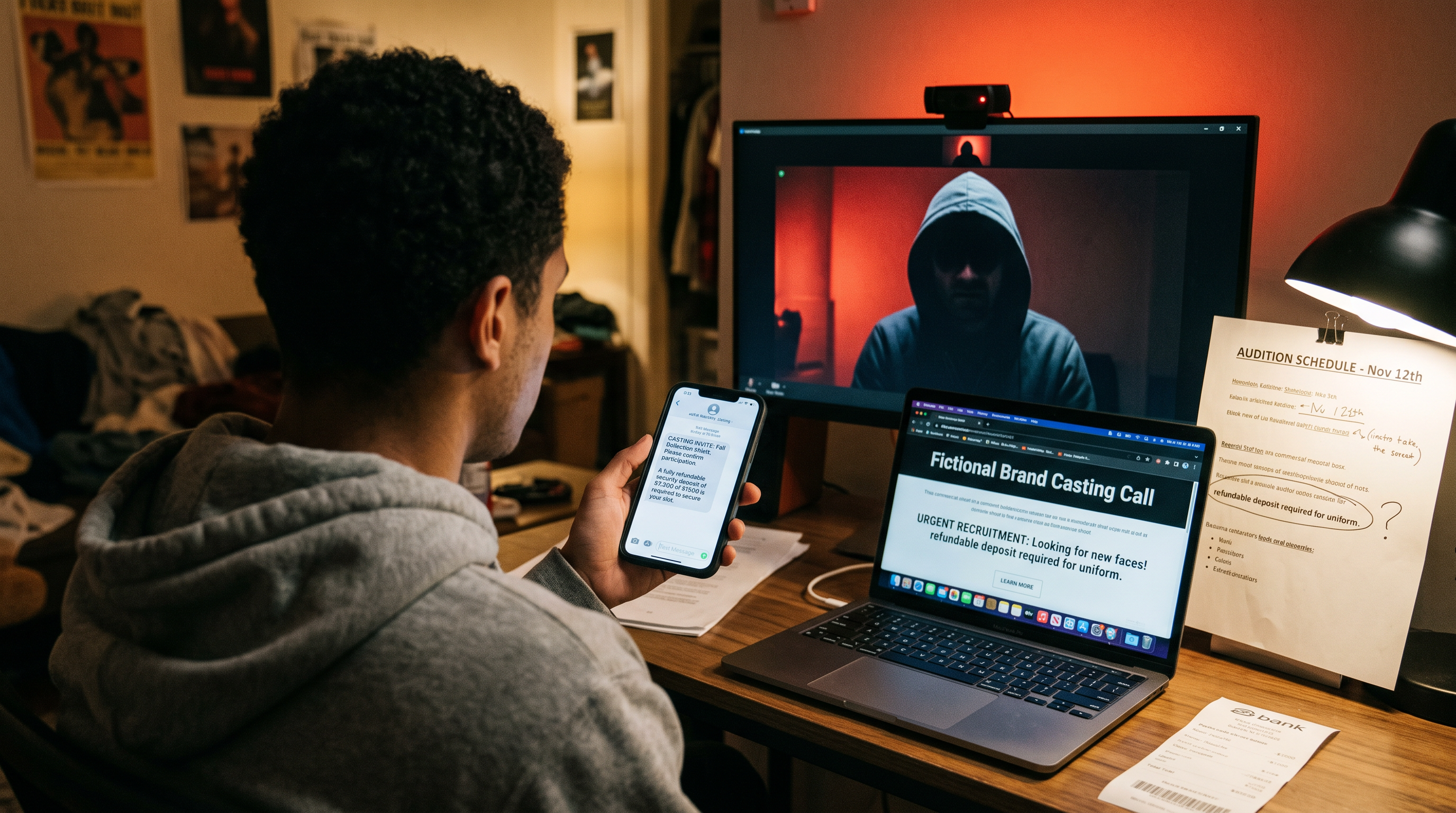
Imagine hiring a skilled remote developer, giving them a company laptop and system access, and paying them on time for months. Federal prosecutors now allege that, in dozens of cases, the person on the other end of the screen was not who they claimed to be. The alleged North Korean remote IT worker conspiracy, announced by the U.S. Justice Department on October 13, 2026, reportedly touched more than 70 American companies and generated about $3 million in revenue.
Key facts
- The U.S. Justice Department announced on October 13, 2026 that 14 defendants were indicted in an alleged North Korean remote IT worker conspiracy affecting more than 70 U.S. companies.
- According to the Justice Department, the indictment was returned on October 1, 2026, and the alleged scheme generated approximately $3 million in revenue.
- Named defendants include Michael James Bostelle of Pennsylvania and Juan Cecilio Pena Carrillo of Texas, alongside defendants based overseas, according to the indictment announcement.
- Charges include conspiracy offenses relating to wire fraud, money laundering and identity theft, and the indictment contains allegations, not convictions.
What prosecutors allege in the North Korean remote IT worker conspiracy
According to the U.S. Attorney's Office for the Northern District of Ohio, 14 people face charges tied to a plan to place overseas IT workers inside American businesses. Prosecutors allege the workers used deceptive identities and remote-work arrangements to win jobs they would not otherwise have been able to get.
The government says the effort affected more than 70 U.S. companies and brought in roughly $3 million. Local coverage by the Akron Beacon Journal followed on October 15, two days after the announcement.
The case highlights an unsettling kind of impersonation scam. A company believes it has hired a legitimate remote employee. In reality, the person logging in may be working under a false identity on behalf of a foreign operation.
The defendants named so far
The announcement names Michael James Bostelle of Pennsylvania and Juan Cecilio Pena Carrillo of Texas. Other defendants are described as being based overseas. Because the indictment was returned on October 1 and announced on October 13, the filing preceded the public disclosure by about two weeks.
The charges include conspiracy offenses relating to wire fraud, money laundering and identity theft. An indictment is a formal accusation. Every defendant is presumed innocent unless and until proven guilty in court.
How the alleged fake remote employee scheme works
The specifics of each defendant's role are laid out in court filings. In general terms, the Justice Department's description of this type of fraud follows a recognizable pattern.
- A false identity is presented. The applicant uses a name, résumé, and credentials that do not belong to the actual worker.
- A remote job is secured. Employers hire through online interviews and never meet the person face to face.
- Access is granted. The new hire receives accounts, equipment, or system permissions like any other employee.
- Pay is collected and moved. Salary flows out through accounts and intermediaries, which is where the money laundering allegations come in.
Each step looks ordinary on its own. That is exactly why the approach can slip past routine hiring checks.
Why this North Korean IT worker fraud matters to employers
The financial figure of $3 million is significant, but the bigger concern for many security teams is access. A fake employee with legitimate credentials can sit inside a network, view internal files, and appear to be a normal team member.
Reporting from Cybersecurity Dive places this case within a broader federal push against North Korean IT worker schemes. The Justice Department has also described coordinated actions to combat North Korean remote IT worker activity nationwide.
Small and mid-sized firms are not exempt
More than 70 companies reportedly were affected, which suggests this was not limited to a few large targets. Businesses that hire quickly, rely on contractors, or lack a formal identity verification process can be especially exposed.
Security-focused fraud cases like this one often share traits with other digital deception stories. For example, our coverage of the Monstercloud ransomware fraud charges shows how quickly cyber-enabled schemes can reach victims who assumed they were safe.
Keeping this case separate from other DOJ actions
Readers should be careful not to blend this indictment with other enforcement announcements. The Justice Department has taken other steps involving laptop farms and device seizures. Not every nationwide enforcement figure describes the defendants in this Ohio case specifically.
The figures tied to this indictment are the ones in the Northern District of Ohio announcement: 14 defendants, more than 70 companies, and about $3 million in revenue. Any numbers on raids, arrests, or seized devices belong to separate actions unless prosecutors say otherwise.
Warning signs of a fake remote hire
No single sign proves fraud, and many legitimate workers have good reasons to prefer remote work. Still, security professionals commonly suggest watching for patterns that do not add up.
- Candidates who refuse or avoid live video, or who always have camera problems.
- Résumés and online profiles that look thin, inconsistent, or recently created.
- Requests to ship company equipment to an address that differs from the one on file.
- Payment details that change often or point to unrelated third parties.
- Logins at unusual hours or from locations that do not match the stated home address.
- Reluctance to take part in in-person onboarding, even when it is offered.
Impersonation also appears in consumer-facing fraud. The Intesa Sanpaolo voice cloning scam is another example of criminals using a false identity to gain trust and access.
What companies should do next
Strengthen identity checks
Verify government-issued identification through a trusted process, and compare it against the person who appears on camera. Run background checks that confirm employment history directly with former employers, not through contact details supplied by the candidate.
Limit and monitor access
Apply least-privilege access for new hires and review activity during the first weeks of employment. Flag remote-access tools, unusual data transfers, and logins that conflict with a worker's claimed location.
Report suspected fraud
Businesses that believe they hired a fake worker can file a report with the FBI's Internet Crime Complaint Center. The FTC also accepts reports at ReportFraud.ftc.gov, which helps investigators spot patterns across cases.
The wider picture on cross-border fraud
Large international fraud networks often rely on layered identities, intermediaries, and financial transfers across borders. The allegations in this case, including wire fraud, money laundering and identity theft conspiracy charges, fit that model. A similar cross-border enforcement theme appears in our report on the Prince Group Taiwan indictment.
As the case proceeds, more details may emerge about how the alleged scheme operated and how funds moved. Court filings, not commentary, will determine what is ultimately proven.
Conclusion: verify every remote hire
The alleged North Korean remote IT worker conspiracy is a reminder that a convincing video interview and a polished résumé do not guarantee a real person with a real identity. Prosecutors say 14 defendants helped place workers inside more than 70 U.S. companies and collected about $3 million. Those are allegations, and the defendants have not been convicted.
If you hire remotely, review your identity verification and access controls this week. If you suspect a fake employee, report it to the FBI IC3 and the FTC, and share this article with your HR and security teams so they know what to look for.
Frequently Asked Questions
What is the North Korean remote IT worker conspiracy?
It is an alleged scheme in which overseas workers used deceptive identities and remote-work arrangements to get jobs at American companies. The Justice Department announced an indictment of 14 defendants on October 13, 2026. Prosecutors say it affected more than 70 U.S. companies and generated approximately $3 million in revenue.
Who was charged in the North Korean IT worker indictment?
The Justice Department named 14 defendants, including Michael James Bostelle of Pennsylvania and Juan Cecilio Pena Carrillo of Texas. Other defendants are based overseas. The charges include conspiracy offenses relating to wire fraud, money laundering and identity theft.
Have the defendants been convicted?
No. The October 2026 announcement describes an indictment, which contains allegations and not convictions. Every defendant is presumed innocent unless proven guilty in court.
How can a company tell if a remote hire is fake?
Warning signs include avoiding live video, inconsistent résumés, requests to send equipment to a different address, and unusual login locations. No single sign proves fraud, so companies should verify identity through trusted checks and monitor access for new hires. Suspected cases can be reported to the FBI IC3 or the FTC.
Is this case the same as the laptop farm raids?
Not necessarily. The Justice Department has announced other enforcement actions involving laptop farms and device seizures. Nationwide figures from those actions do not automatically describe the defendants in this Ohio indictment.