The U.S. Federal Trade Commission has confirmed what many consumer advocates have warned for years: imposter scams are not slowing down. New FTC data released in June 2026 show that Americans reported losing $3.5 billion to imposter scams in 2025, making it the single largest fraud category tracked by the agency. The numbers reflect a crisis that is growing more sophisticated by the year, fueled by artificial intelligence, spoofed phone numbers, and social media advertising that gives criminals a polished, almost indistinguishable disguise.
Key Facts
- The FTC confirmed Americans reported $3.5 billion in losses to imposter scams in 2025, making it the top fraud category for the year, according to the agency's official press release dated June 2026.
- Imposter scams in 2025 included government and IRS impersonation, tech support fraud, and family emergency schemes, all amplified by AI-generated scripts and synthetic media, per FTC data.
- Scammers demanded payment primarily through wire transfers, gift cards, and cryptocurrency in 2025, methods chosen specifically because they are difficult or impossible to reverse, according to the FTC.
- The FTC receives consumer fraud reports at ReportFraud.ftc.gov, and the data underpinning the 2025 findings was drawn directly from those consumer complaint submissions.
Why Imposter Scams Dominate Fraud in 2025
Imposter scams work because they exploit trust. A caller claims to be an IRS agent threatening arrest. A text message appears to come from your bank's real number. A sponsored social media ad shows a familiar face endorsing an investment opportunity. In every case, the goal is the same: convince the target that the person on the other end of the message is someone they should believe and obey.
According to the FTC's official press release, these schemes have now been turbocharged by widely available AI tools. Criminals use AI to generate convincing phone scripts, clone voices, and produce synthetic video that makes fake personas appear real. The result is a threat that scales globally and targets people of all ages and income levels.
The Most Common Imposter Scam Tactics in 2025
The FTC data and reporting from outlets including AP News and CNBC identify several recurring playbooks that accounted for the bulk of 2025 losses.
Government and IRS Impersonation
Scammers pose as IRS agents, Social Security Administration officials, or law enforcement officers. They tell victims they owe back taxes or face imminent arrest. Urgency is the engine that drives these calls. Victims are instructed to pay immediately using gift cards or wire transfers, and told not to discuss the matter with family members or their bank.
Tech Support Fraud
A pop-up warning appears on a victim's computer, displaying a toll-free number and claiming the device has been compromised. When the victim calls, a fake Microsoft or Apple technician offers to fix the problem remotely, then requests payment or remote access to the device. Once access is granted, criminals can steal banking credentials or drain accounts directly.
Family Emergency Scams
Often called the "grandparent scam," this scheme involves a caller pretending to be a grandchild, relative, or their lawyer, claiming the family member is in jail or injured and needs money immediately. The emotional pressure is designed to override rational thinking. Victims are told to keep the situation secret, which delays intervention from people who might recognize the fraud.
AI-Powered Celebrity and Social Media Impersonation
Paid social media ads and deepfake videos now routinely feature cloned celebrity likenesses promoting fake investment schemes or giveaways. This tactic has surged alongside the availability of consumer-grade AI video tools. Cases documented on this site, including a Kim Seon Ho deepfake impersonation scam and a deepfake of Al Roker promoting a fake health device, illustrate how convincing these fabrications have become. Celebrity impersonation accounted for billions in broader fraud losses, overlapping heavily with the FTC's imposter scam category.
How Scammers Convert Trust Into Cash
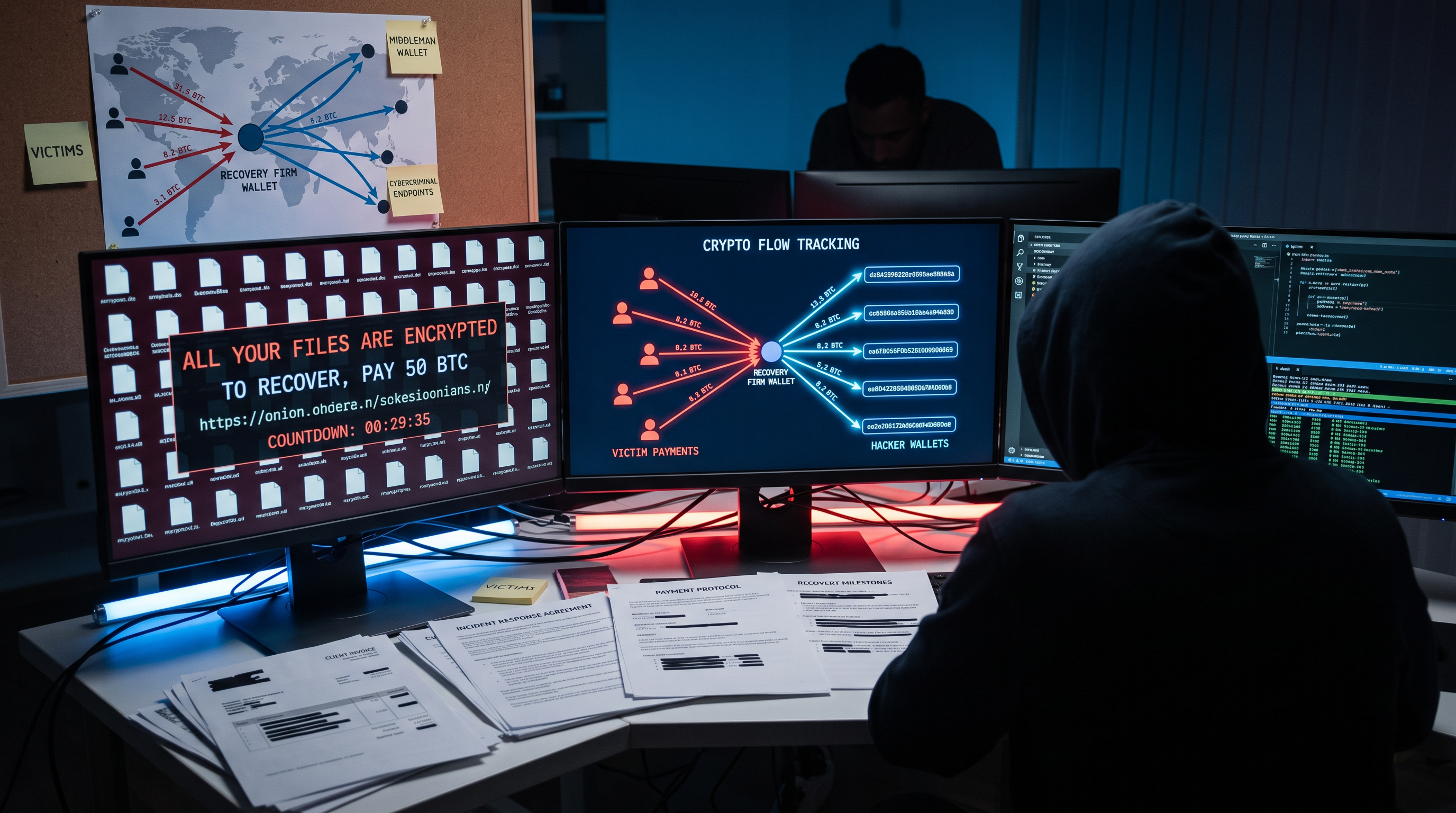
The payment methods demanded in imposter scams are not chosen at random. Wire transfers, prepaid gift cards, and cryptocurrency are all difficult or impossible to reverse once sent. Scammers instruct victims to purchase gift cards at major retailers and read the card numbers over the phone. They use cryptocurrency ATMs to receive funds instantly and anonymously. These cashout chains are intentionally designed to outpace any fraud dispute process a bank or regulator might initiate.
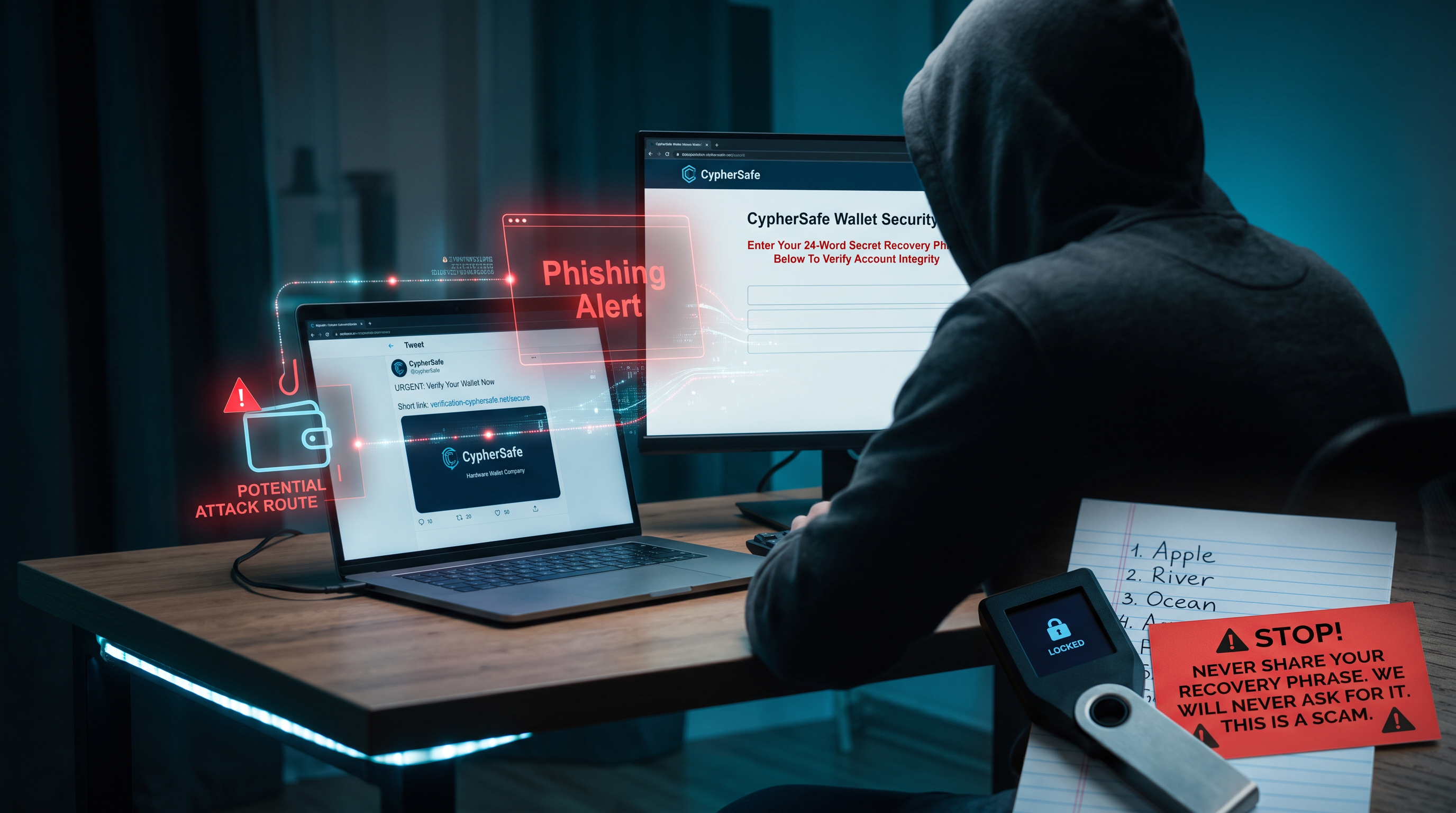
Platform weaknesses also play a role. Sponsored social media ads promoting fake giveaways or investment products often pass automated review systems before being flagged. Spoofed phone numbers make caller ID unreliable. Cloned websites mimic legitimate institutions down to the SSL certificate, making visual inspection alone an inadequate defense.
Who Is Most at Risk
The FTC data shows that while older adults are disproportionately targeted, younger adults are not immune. People aged 18 to 59 actually reported losing money to fraud at higher rates than older age groups in recent years, likely because they conduct more transactions online and through social media. However, when older adults do lose money, the individual dollar amounts tend to be significantly higher.
Losses are not limited to one region or demographic. The FTC's complaint data spans all 50 states, and international variants of these scams operate across the globe, targeting diaspora communities in particular languages and cultural contexts.
What Consumers Can Do Right Now
The FTC, state attorneys general, and consumer advocates are aligned on the core defensive steps every person should take.
- Treat all unsolicited contact as suspect. Whether it arrives by phone, text, email, or social media, an unexpected message claiming urgency is a red flag.
- Verify independently. Hang up and call the organization directly using a number from its official website, not a number provided in the suspicious message.
- Never pay with gift cards or cryptocurrency. No legitimate government agency, tech company, or financial institution will ever ask for payment this way.
- Use credit cards for online purchases where possible, since they offer stronger dispute protections than debit cards or bank transfers.
- Document everything. Save screenshots, phone numbers, email headers, and any other communications before reporting.
- Report immediately. File a complaint with the FTC at ReportFraud.ftc.gov and with the FBI's Internet Crime Complaint Center at IC3.gov. Also notify your bank and state attorney general.
The Regulatory and Platform Response
The FTC has pursued enforcement actions against companies that facilitate fraud, including payment processors and lead generators that knowingly route transactions for scammers. However, critics argue that enforcement moves far too slowly relative to the speed at which new schemes emerge. Phone carriers face ongoing pressure to implement stronger call authentication and to block spoofed numbers before they reach consumers. Social media platforms are under similar scrutiny for the speed and reliability of their ad review systems, particularly for financial promotions.
The intersection of AI capabilities and impersonation fraud represents the sharpest regulatory challenge. As synthetic voice and video become cheaper and more realistic, the traditional advice to "listen carefully" or "look closely" becomes less reliable guidance for the average consumer.
Frequently Asked Questions
What are imposter scams and why did the FTC flag them in 2025?
Imposter scams are fraud schemes in which criminals pretend to be a trusted person or institution, such as the IRS, a tech company, a family member, or a celebrity, to trick victims into sending money or sharing personal information. The FTC flagged them in 2025 because reported losses reached $3.5 billion, making imposter scams the single largest fraud category tracked by the agency that year.
How much money did Americans lose to imposter scams in 2025?
According to FTC data released in June 2026, Americans reported losing $3.5 billion to imposter scams in 2025. This figure is based on consumer complaints submitted directly to the FTC and is widely considered an undercount, since many victims never file a formal report.
What payment methods do imposter scammers demand and why?
Imposter scammers most commonly demand payment by wire transfer, gift card, or cryptocurrency. These methods are chosen because they are extremely difficult or impossible to reverse once completed, which means victims have little recourse after the money leaves their account.
How is AI making imposter scams worse?
Artificial intelligence tools allow scammers to clone voices, generate realistic video of real people, and produce highly convincing scripts at low cost and high volume. This means a criminal can impersonate a government official, a family member, or a celebrity with far greater credibility than was possible even a few years ago, making it harder for victims to detect the fraud in real time.
Where should I report an imposter scam?
You should report imposter scams to the FTC at ReportFraud.ftc.gov and to the FBI's Internet Crime Complaint Center at IC3.gov. You should also contact your bank or financial institution immediately to attempt to halt any transfers, and notify your state attorney general's office, which may have additional consumer protection resources.