A new wave of AI-generated deepfake advertisements is using the face and voice of beloved TODAY show weatherman Al Roker to push a fraudulent health device, according to a report from TODAY. The scam, which has been circulating across paid social media channels, exploits Roker's decades-long reputation as a trusted public figure to deceive ordinary consumers into purchasing a product that does not deliver on its promises. Consumer advocates warn that this incident is part of a much broader pattern, and the financial damage to victims continues to grow.
Key Facts
- Al Roker's image and likeness were used without his consent in AI-generated deepfake video ads, according to TODAY, to promote a fake health device to social media users.
- The scam landing pages reportedly displayed fake testimonials, doctored press logos, and bogus scientific claims designed to pressure consumers into completing a purchase.
- The Better Business Bureau has issued warnings about deepfake celebrity supplement scams, including a specific caution about Lipomax and similar products that use fabricated endorsements to lure buyers, as of 2024.
- Checkout funnels tied to these scam operations have been observed requesting payment via gift cards, cryptocurrency, or ACH transfers, making it difficult for victims to recover their money.
- Deepfake scam ads involving celebrities have been reported across Facebook, TikTok, and YouTube, with fraudulent ad accounts rotating quickly to avoid platform takedowns, according to NBC News.
How the Al Roker Deepfake Scam Works
Predatory operators behind the Al Roker deepfake scam follow a well-documented playbook. They produce short AI-manipulated video clips or still images that make it appear as though Roker is personally endorsing a health product. These creatives are then loaded into sponsored ad placements across major social platforms, where they reach a wide audience that has no reason to immediately question the authenticity of a familiar face.
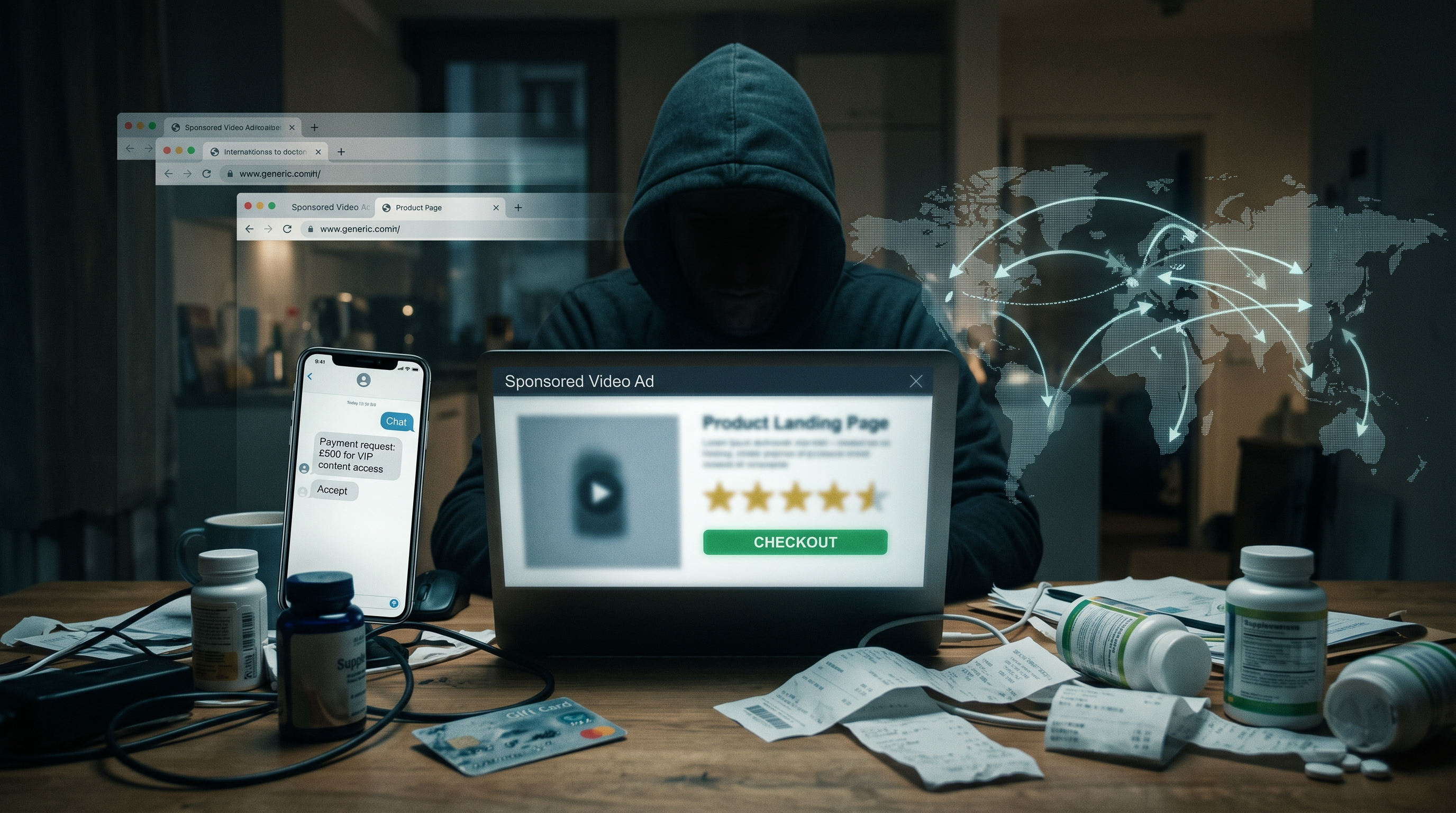
Once a user clicks the ad, they are taken to a counterfeit storefront. These pages are built to look professional, often featuring fabricated press logos from outlets like CNN or Forbes, invented customer reviews, and citations to scientific studies that either do not exist or do not support the claims being made. The entire environment is engineered to create urgency and trust simultaneously.
Aggressive Checkout Tactics Designed to Trap Buyers
After arriving on the landing page, consumers are pushed through a high-pressure checkout funnel. Operators layer in countdown timers, limited-availability warnings, and discounted bundle offers to rush buyers into completing a transaction. Some funnels escalate further by requesting payment through gift cards, crypto, or direct bank transfers rather than standard credit card options, specifically because those payment methods offer little to no consumer recourse.
Once payment is made, victims typically receive either a worthless product or nothing at all. Those who attempt refunds often find that phone numbers go unanswered and email addresses bounce. The merchant accounts processing these transactions are frequently layered or rotated, making it difficult for banks and regulators to trace and freeze the funds.
Why Celebrities Like Al Roker Are Targeted
Al Roker has spent more than four decades building a reputation as one of the most recognizable and trusted faces on American morning television. That trust is precisely what makes him a valuable target for deepfake scammers. Consumers who see a figure they associate with credibility and warmth are far less likely to pause and scrutinize the ad before clicking through.
This is not an isolated incident. The same generative AI tools have been used to fabricate endorsements from a wide range of public figures. For example, a similar Jennifer Aniston deepfake scam used manipulated video to exploit her public image for fraudulent purposes, and a Taylor Swift deepfake scam on TikTok demonstrated how quickly these campaigns can spread across platforms before moderators can act. According to NBC News, deepfake scam videos have already spread widely across Facebook, TikTok, and YouTube, with operators using affiliate networks and rotating ad accounts to stay ahead of content review teams.
The Scale of the Deepfake Scam Problem
The Al Roker case sits within a rapidly expanding fraud category. The BBB has specifically warned consumers about supplement scams like Lipomax that rely on fabricated celebrity endorsements, noting that the combination of doctored visuals and fake scientific backing makes these schemes unusually convincing. CBS News has also reported on the growing use of deepfakes to impersonate prominent figures like Elon Musk in investment fraud schemes, underscoring that no celebrity is off-limits for bad actors with access to modern AI tools.
Researchers and consumer advocates point out that generative AI has dramatically lowered the cost and technical skill required to produce convincing fake videos. What once required a production studio can now be achieved with a consumer-grade laptop and freely available software, meaning the barrier to launching this type of scam is lower than ever before.
How Scammers Avoid Detection
Platform ad review systems are built to catch policy violations at the point of submission, but deepfake operators have developed countermeasures. They use rotating ad accounts, often purchased in bulk or compromised from legitimate advertisers, to ensure that when one account is banned, another is ready to take its place. The deepfake video itself may be hosted on a third-party server rather than uploaded directly to the platform, making automated content scanning less effective.
Domain registration records for the scam landing pages frequently show privacy-protected WHOIS data and registrar details that point to offshore services. Domains are often registered just days before a campaign launches and abandoned shortly after, leaving little forensic trail for investigators to follow. Proceeds are then laundered through layered merchant accounts and prepaid debit cards before reaching the operators.
What to Do If You Have Been Targeted
If you encounter an ad that appears to show a celebrity endorsing a health product or financial opportunity, stop before clicking. Take the following steps to protect yourself and report the fraud.
- Verify any celebrity endorsement directly on the celebrity's official website or verified social media account before taking any action.
- Inspect the URL of any landing page carefully, looking for misspellings, extra hyphens, or unfamiliar domain extensions that signal a fake site.
- Pay only with a credit card if you choose to purchase anything online, since credit cards offer chargeback protection that gift cards, crypto, and ACH transfers do not.
- Screenshot the ad and report it to the platform where you saw it using the built-in reporting tools.
- Report the scam to the FTC at ReportFraud.ftc.gov and to the FBI's Internet Crime Complaint Center at IC3.gov.
- Contact your bank or credit card issuer immediately if you have already made a payment to dispute the charge.
The Broader Threat of AI Celebrity Impersonation
The Al Roker deepfake scam is a clear signal that AI-powered fraud is not slowing down. Scammers are investing in the technology because it delivers results, and platforms are struggling to keep pace with the volume and sophistication of these campaigns. For consumers, the most reliable defense remains healthy skepticism toward any unsolicited ad that promotes a product through a celebrity's face or voice.
Regulatory pressure is building. The FTC and other agencies have begun examining how platforms can be held more accountable for the ad content they distribute, and lawmakers in several countries are advancing legislation that would criminalize the non-consensual use of a person's likeness in AI-generated media. Until those protections are fully in place, consumer awareness remains the first and most effective line of defense.
Stay informed about emerging scam tactics and check resources like the documented scale of celebrity deepfake scams to understand just how widespread this problem has become. Sharing this information with friends and family, particularly those who are frequent social media users, can help protect the people most likely to encounter these manipulative campaigns.
Frequently Asked Questions
Is Al Roker actually endorsing a health device or supplement?
No. Al Roker has not endorsed the health device being advertised in these scam campaigns. The videos and images used in the ads are AI-generated deepfakes that use his likeness without his knowledge or consent. Any ad claiming otherwise is fraudulent.
How can I tell if a celebrity endorsement ad is a deepfake?
Look for visual inconsistencies such as unnatural blinking, mismatched lip movements, or blurry edges around the face. Always verify the endorsement on the celebrity's official website or verified social media profiles before trusting any ad. If the claim cannot be confirmed through official channels, treat it as fraudulent.
What should I do if I already paid money to a deepfake scam?
Contact your bank or credit card company immediately to dispute the charge and request a chargeback. Report the scam to the FTC at ReportFraud.ftc.gov and to the FBI's Internet Crime Complaint Center at IC3.gov. You should also report the ad to the platform where you saw it so the account can be investigated and removed.
Why do scammers use celebrities like Al Roker in deepfake ads?
Scammers choose well-known, trusted public figures because consumers are less likely to question an endorsement from someone they recognize and associate with credibility. Figures like Al Roker, who has decades of goodwill built through morning television, are particularly attractive targets because their familiarity lowers a viewer's guard.
Are platforms doing anything to stop deepfake scam ads?
Major platforms including Facebook, TikTok, and YouTube have policies against deceptive advertising and deepfake content, but enforcement is difficult. Scammers use rotating ad accounts and external video hosting to avoid automated detection. Regulatory pressure is increasing, and lawmakers in several jurisdictions are working on legislation to hold both creators and platforms more accountable for AI-generated fraud.