A wave of AI-generated deepfake scams impersonating Taylor Swift and other major celebrities is spreading across TikTok, and security researchers say the threat is growing faster than platforms can respond. According to an investigation published by Bitdefender’s Hot for Security team, fraudsters are using generative AI tools to clone celebrity likenesses, voices, and mannerisms inside paid advertisements and amplified posts, then routing victims toward fake giveaways, sham investment pages, and private chats designed to steal money. The scale of the problem is staggering, and everyday fans are paying the price.
How the Taylor Swift Deepfake Scam Actually Works
The mechanics behind these scams follow a predictable but effective funnel. Operators start by repurposing real video footage of Taylor Swift or other celebrities, then layer synthetic audio or facial manipulation on top using widely available AI tools. The finished product looks convincing enough to fool a casual viewer scrolling through a busy feed.
Those fake videos are then pushed as paid TikTok advertisements or boosted organic posts, giving them the reach and credibility of legitimate content. When a fan clicks or engages, the scam moves to a second phase: a landing page promoting an exclusive giveaway, a limited-time investment opportunity, or a private fan community. Many victims receive a direct message that appears to come from the celebrity personally.
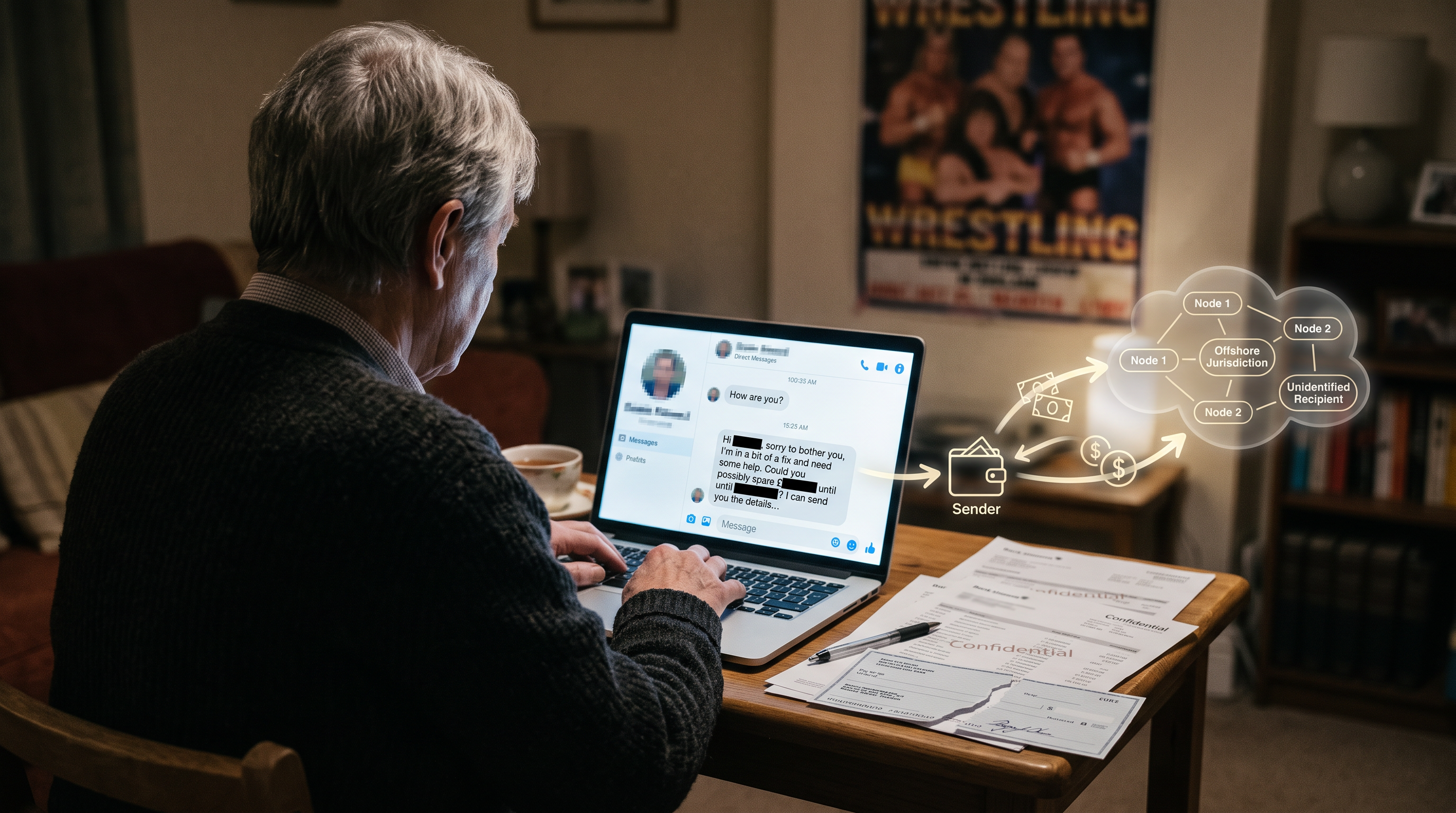
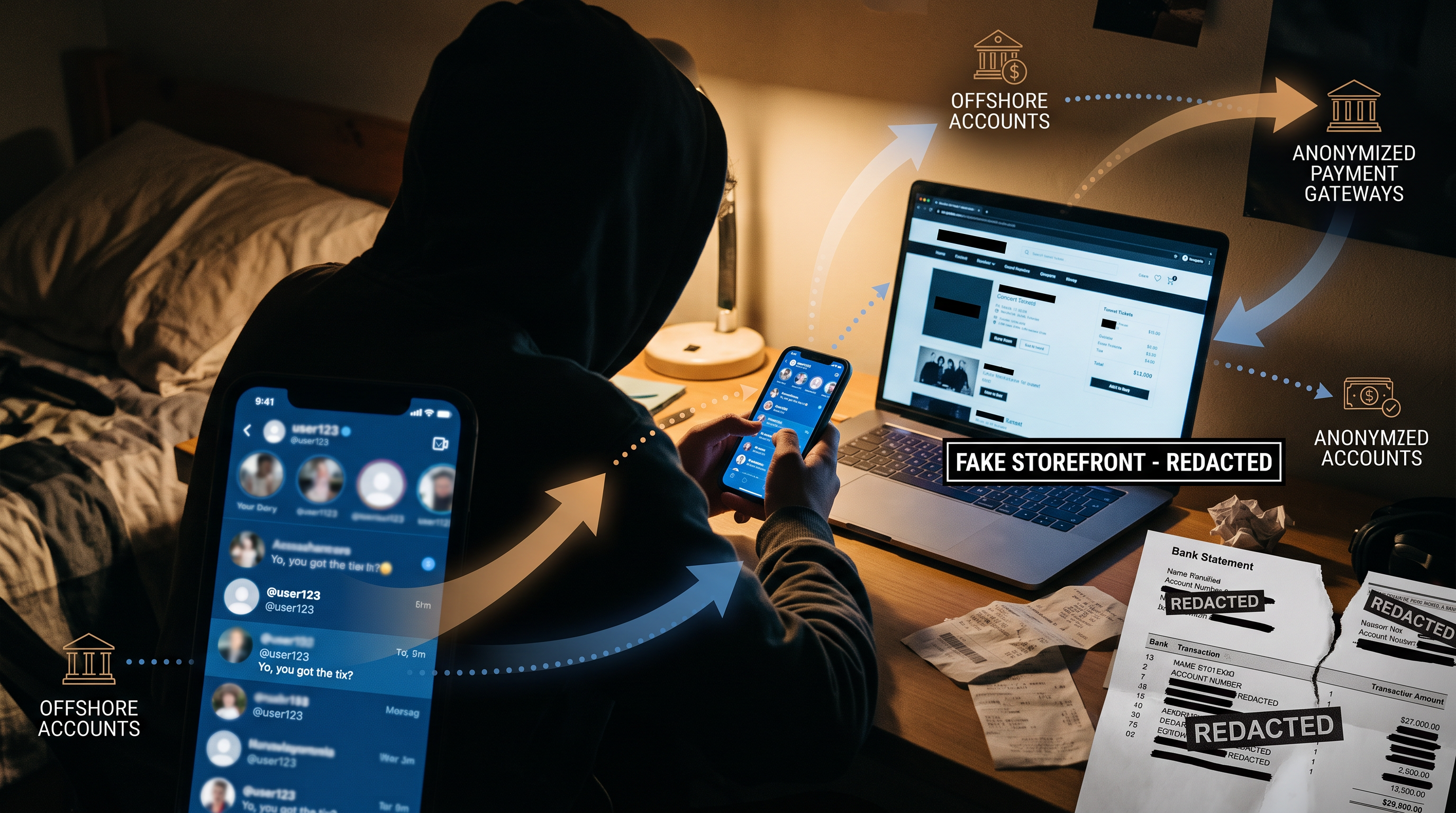
From there, the operator requests payment in gift cards, cryptocurrency, or wire transfer, formats specifically chosen because they are difficult or impossible to reverse. Once funds are sent, they are laundered through micro-transfers and cryptocurrency mixers that obscure the trail.
Why Celebrities Like Taylor Swift Are Prime Targets
According to a McAfee report on the world’s most deepfaked celebrities, Taylor Swift ranks among the most frequently impersonated public figures online. The reason is straightforward: her massive global fanbase, combined with the intense parasocial relationships fans form with her, creates a uniquely vulnerable audience. Fans who feel a deep personal connection to a celebrity are more likely to trust a message that appears to come from that person and less likely to pause and question its legitimacy.
Generative AI has dramatically lowered the production cost of creating convincing synthetic media. What once required a professional studio and skilled video editors can now be produced in hours using consumer-grade software. That accessibility means scam operators can deploy dozens of fake celebrity ads simultaneously, rotating creatives to avoid platform detection filters.
The Scope of Celebrity Impersonation Fraud
The financial damage is not trivial. Reporting from Complex indicates that celebrity impersonation scams, including those targeting Taylor Swift and Sabrina Carpenter fans, have been linked to billions of dollars in losses. The victims span every age group, though younger fans who grew up trusting social media as a primary communication channel appear particularly susceptible.
Celebrities themselves have expressed frustration. An investigation by the Organized Crime and Corruption Reporting Project found that many high-profile figures have discovered their likenesses used in scam ads without their knowledge or consent, with platforms slow to remove the content even after it is flagged. The reputational damage to the celebrities is real, and the emotional harm to defrauded fans compounds the financial loss.
Platform Ad Review Is Failing to Keep Up
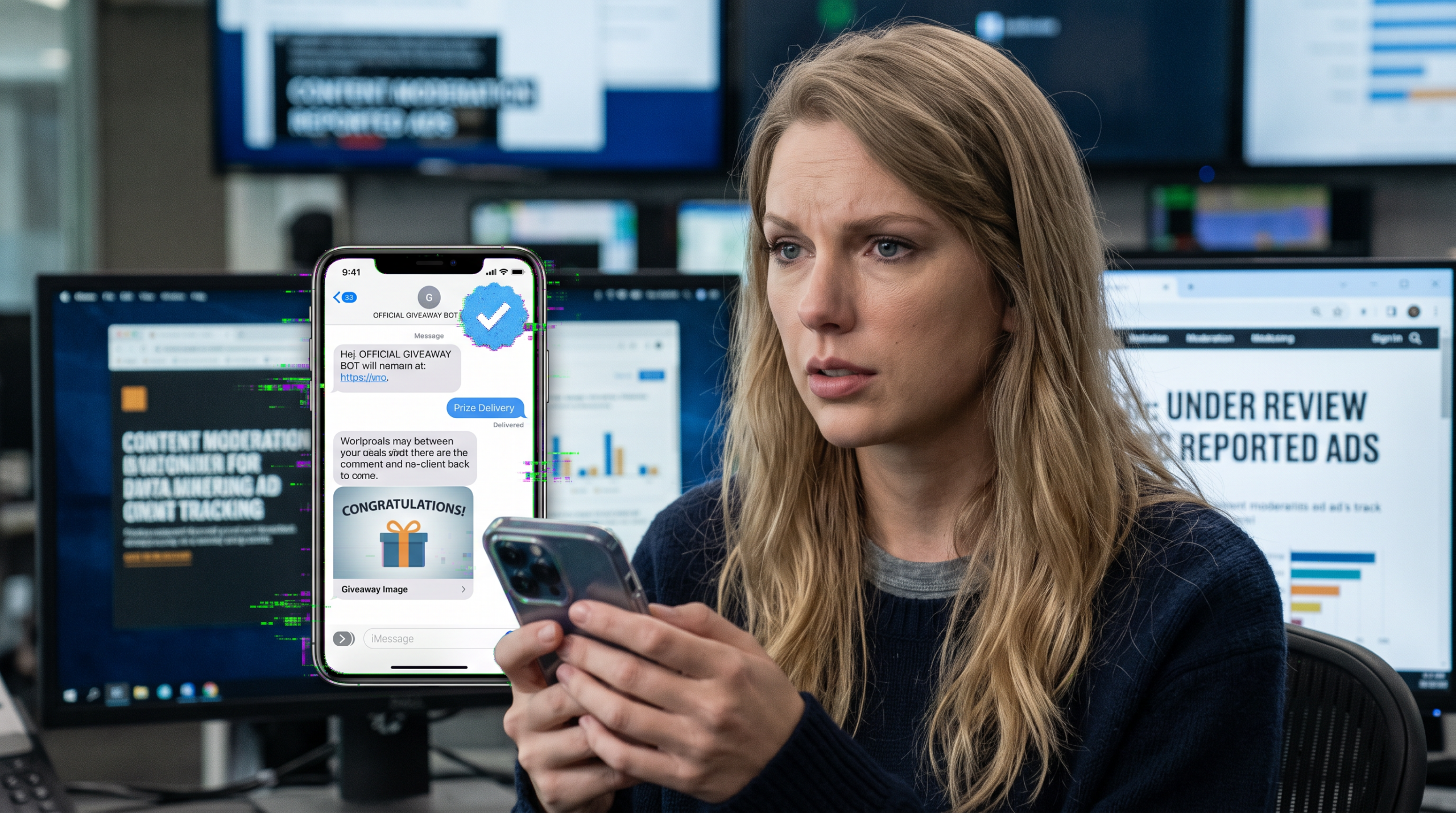
One of the most alarming findings from researchers is that paid advertising systems are being exploited as the primary distribution mechanism. Paid ads carry an implicit endorsement from the platform, which makes them more persuasive to viewers. TikTok’s ad review process, like those of other major platforms, is struggling to catch AI-generated synthetic media before it reaches audiences.
Scam operators exploit this gap deliberately. They test multiple creatives, pull down ads before they are flagged, and immediately relaunch variations. By the time a complaint moves through a platform’s review queue, the campaign has already converted victims and the operators have moved on to a new account or domain.
Red Flags Victims Should Recognize
Security researchers and consumer advocates have identified a consistent set of warning signs that appear in nearly every celebrity deepfake scam. Knowing them before encountering a scam is the most effective defense.
- An unsolicited direct message or comment from a celebrity account offering a prize, investment, or exclusive access.
- Requests to move the conversation off the platform to WhatsApp, Telegram, or email.
- Pressure to act quickly, with language like “limited slots” or “offer expires tonight.”
- Payment requests in gift cards, cryptocurrency, or wire transfer only.
- Video or audio that looks slightly off, including unnatural blinking, mismatched lip sync, or unusual vocal cadence.
- Landing pages with no verifiable connection to the celebrity’s official website or verified social profiles.
How to Verify a Celebrity Offer Before Sending Money
The first and most important step is to go directly to the celebrity’s verified official website or verified social media account and search for any mention of the promotion. Legitimate giveaways and partnerships are always announced publicly and can be confirmed without clicking an ad or responding to a DM.
If an offer arrives through a DM, treat it as suspicious by default. Real celebrity teams do not contact individual fans through social media messages to offer prizes or investment opportunities. Using a tool like a scammer blacklist database to check usernames, phone numbers, or websites before engaging can also surface known fraud operations quickly.
What To Do If You Have Already Been Scammed
If you believe you have fallen victim to a Taylor Swift deepfake scam or any celebrity impersonation fraud, act immediately. Time is the most critical factor in recovering funds or preventing further loss.
- Contact your bank or card issuer right away and report the transaction as fraud. Ask about chargeback options.
- Save all screenshots, transaction IDs, usernames, and any communications you received.
- Report the account and the advertisement directly to TikTok or the platform where you encountered the scam.
- File a report with the Federal Trade Commission at ReportFraud.ftc.gov.
- File a complaint with the FBI Internet Crime Complaint Center at IC3.gov, especially if cryptocurrency or wire transfers were involved.
Conclusion: AI Scams Are Not Slowing Down
The Taylor Swift deepfake scam surge is not an isolated incident. It is part of a broad and accelerating trend where AI-generated synthetic media is weaponized against the fans who trust the celebrities they admire most. As generative AI tools become cheaper and more accessible, the volume and quality of these scams will only increase. Consumer awareness is the most reliable defense available right now, while platforms and regulators work to close the gaps that fraudsters continue to exploit. Stay skeptical, verify everything through official channels, and never send money based on a social media message alone.
Frequently Asked Questions
What is a Taylor Swift deepfake scam?
A Taylor Swift deepfake scam uses AI-generated video or audio that falsely depicts Taylor Swift promoting a giveaway, investment, or exclusive offer. The fake content is designed to trick fans into sending money or personal information to criminals.
How can I tell if a celebrity video on TikTok is a deepfake?
Look for subtle visual inconsistencies such as unnatural blinking, choppy lip sync, blurred edges around the face, or a vocal tone that sounds slightly robotic. If the video is promoting something that requires you to click a link or send payment, treat it as highly suspicious regardless of how real it looks.
Does TikTok remove deepfake scam ads?
TikTok has policies against synthetic deceptive content, but researchers and journalists report that enforcement is slow and inconsistent. Scammers frequently relaunch new ad accounts before previous ones are removed, allowing the fraud to continue despite platform rules.
Can I get my money back if I was scammed by a celebrity impersonator?
Recovery depends on the payment method. Credit card transactions may be reversible through a chargeback. Gift card and cryptocurrency payments are extremely difficult to recover. Report the fraud to your bank, the FTC, and the FBI IC3 immediately to maximize your chances and help prevent others from being victimized.
Which celebrities are most commonly used in deepfake scams?
According to McAfee research, Taylor Swift ranks among the most frequently deepfaked celebrities, alongside other high-profile figures with large, loyal fan communities. Sabrina Carpenter and other pop and entertainment figures have also been heavily impersonated in recent fraud campaigns.