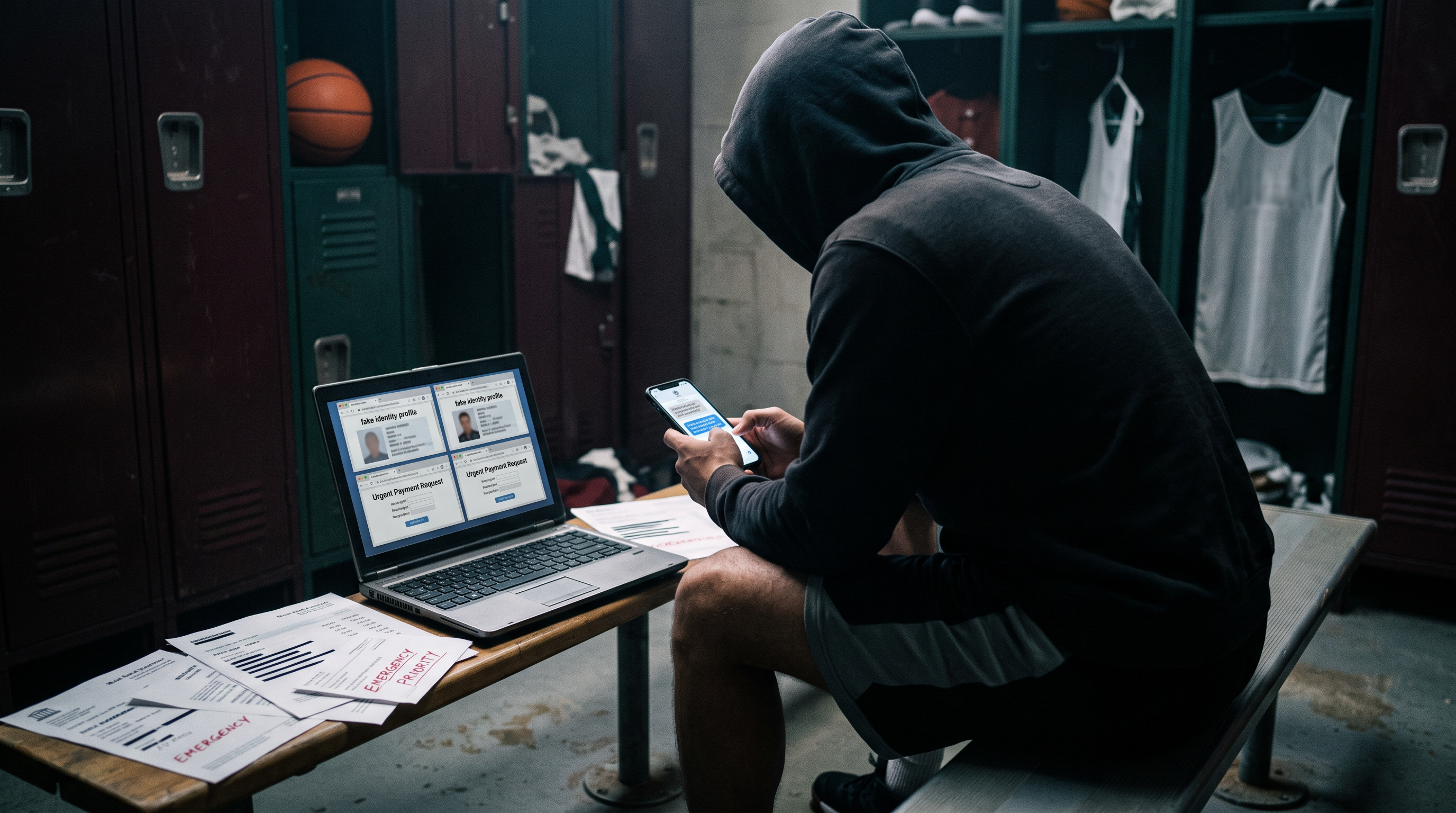
Colleges are facing a quiet kind of fraud that never shows up in a classroom. Criminals are enrolling people who do not exist, or who never agreed to attend, and then trying to collect the money that follows. The practice, known as ghost students federal aid fraud, is drawing fresh attention as of Oct. 2, and the numbers from the U.S. Department of Education show both how big the problem is and how much has been stopped.
Key facts
- The U.S. Department of Education says its anti-fraud measures have prevented more than $1 billion in attempted federal student aid fraud since January 2025, and that amount was intercepted, not stolen.
- The Department separately identified nearly $90 million in federal student aid that was fraudulently disbursed, according to its published announcements.
- Of that total, more than $30 million involved deceased individuals and more than $40 million went to companies allegedly using bots posing as students, per the Department.
- The Department's identity-screening pilot flagged roughly 180,000 suspicious FAFSA records, and it has since introduced risk-based identity screening and added verification for new applicants.
What Are Ghost Students and How Does Federal Aid Fraud Work?
A ghost student is a fake enrollee. The person may be built from stolen personal data, or from a synthetic identity that mixes real and invented details. Fraud rings use these identities to file Free Application for Federal Student Aid (FAFSA) forms, register at a school and try to collect grants, loans or refund payments.
The scheme is not new. What has changed is the scale. Bots and artificial intelligence can help criminals submit applications in bulk and pose as students in online interactions, according to the research behind the current wave of coverage, including a Fox News report on the hidden scam on college campuses.
Why online enrollment makes fake students easier to create
Online and hybrid courses give fraud rings a path that does not require anyone to show up in person. A fake student can log in, submit minimal coursework or none, and wait for a disbursement. Automation lets a single operator manage many fake accounts at once.
The effect reaches beyond the money. Fake enrollments can occupy limited class seats, which may leave real students on waitlists while criminals exploit financial aid systems behind what looks like a legitimate online registration.
What the Education Department Says It Has Stopped
The Department of Education reports that its fraud prevention work has blocked more than $1 billion in attempted federal student aid fraud since January 2025. That is a significant figure, but it needs careful reading. It describes attempted fraud that was intercepted before payment, not money that was lost to criminals.
The Department outlined its approach in a press release on preventing more than $1 billion in student aid fraud, which also signals that additional crackdowns are expected in 2026. An earlier announcement described a comprehensive nationwide federal student aid fraud prevention effort.
The roughly $90 million that did get through
The Department also identified nearly $90 million that was fraudulently disbursed. It broke that amount into two main groups:
- More than $30 million involving deceased individuals, meaning aid tied to identities of people who had died.
- More than $40 million paid to companies that were allegedly using bots posing as students.
The word allegedly matters here. The Department's description of the bot-driven payments reflects its own findings and allegations, and individual cases may still move through investigation or court.
The 180,000 Suspicious FAFSA Records
One of the more striking details is the result of the Department's identity-screening pilot. It flagged roughly 180,000 suspicious FAFSA records. A flag is a warning sign, not proof that every record was fraudulent, and some flagged applicants may have been cleared after further checks.
Even so, the volume suggests why the Department moved beyond a pilot. It has since introduced risk-based identity screening, which applies tougher checks to applications that look riskier, and additional verification requirements for new applicants.
What risk-based identity screening means in practice
Risk-based screening does not treat every applicant the same way. Applications that trip certain warning signs may face extra steps to prove the applicant is a real person. Applications that look routine move through with less friction.
The goal is to slow down fraud rings without burying genuine students in paperwork. Whether that balance holds will depend on how the rules are applied, and the Department has said more action is coming.
Why This Story Is Spreading Online
The idea of fake students filling real classrooms is easy to picture and easy to share. It also links to broader worries about identity theft, automation and AI. An old financial aid scam now looks like an industrial-scale operation, with software doing the repetitive work that once required a crowd of people.
The same tools are showing up across other fraud types. Readers who follow AI-enabled crime may recognize the pattern from our coverage of an AI voice cloning scam targeting a bank and the case where the Manhattan DA seized deepfake websites. In each, technology lowers the cost of impersonation and raises the number of attempts.
Who Is Affected by Ghost Student Fraud?
Several groups can be hurt when fake enrollments succeed:
- Taxpayers, because federal aid money is diverted to criminals.
- People whose identities are stolen, who may find loans or aid records in their name that they never requested.
- Real students, who can lose access to full classes when fake accounts hold seats.
- Colleges, which must spend staff time and money verifying enrollments and may face compliance questions.
How to Protect Yourself From Student Aid Identity Theft
Nothing in the research suggests an individual can fully prevent identity misuse, but a few habits reduce risk. These are general consumer steps, not guarantees.
- Check your credit reports regularly for loans or accounts you do not recognize.
- Review your federal student aid account if you have one, and look for applications or loans you did not file.
- Guard your Social Security number and avoid sharing it through unsolicited emails, texts or calls.
- Use strong, unique passwords and two-factor authentication on education and email accounts.
- Report suspected misuse quickly so it can be investigated.
Where to report suspected financial aid fraud
The Department of Education's Office of Inspector General runs a hotline for reporting bribery, fraud, theft and other criminal activity involving student financial assistance. Consumers can also file identity theft and scam complaints with the FTC at reportfraud.ftc.gov, and internet-enabled crimes can be reported to the FBI's Internet Crime Complaint Center.
What Comes Next for Ghost Students Federal Aid Fraud
The Department has said additional crackdowns are expected in 2026, and its budget documents for student aid administration point to continued investment in program integrity. Colleges, for their part, are under pressure to verify that the people filling their rosters are real.
The central tension is clear. Tighter checks may stop more fraud, but criminals adapt, and AI tools make adaptation cheaper. Expect the cycle of new screening and new evasion to continue.
Bottom Line
Ghost students are a reminder that financial aid systems are a target, and that automation has changed the math for fraud rings. The Department reports more than $1 billion blocked, but it also acknowledges nearly $90 million that was paid out improperly. Both numbers are part of the same story.
If you suspect your identity was used to apply for student aid, act now. Check your records, file a report with the FTC or the Department's Inspector General, and share this article so others know what to look for.
Frequently Asked Questions
What is a ghost student?
A ghost student is a fake or nonexistent enrollee created with stolen or fabricated identity details. Fraud rings use these identities to apply for federal student aid, enroll at schools and try to collect grants, loans or refunds. The person on paper often never attends a class.
How much federal student aid fraud has the Department of Education stopped?
The U.S. Department of Education says its anti-fraud measures have prevented more than $1 billion in attempted federal student aid fraud since January 2025. That money was intercepted before payment, so it was not stolen. The Department separately identified nearly $90 million that was fraudulently disbursed.
How did bots and AI factor into the nearly $90 million in fraud?
The Department says more than $40 million went to companies allegedly using bots posing as students. Another $30 million or more involved deceased individuals. Bots and AI can help criminals file many applications and impersonate students online at scale.
How do I report suspected student aid fraud?
You can report student financial assistance fraud to the Department of Education's Office of Inspector General hotline. You can also file a complaint with the FTC at reportfraud.ftc.gov or with the FBI's Internet Crime Complaint Center at ic3.gov. Include as much detail as you can about the accounts, dates and any suspicious contacts.