Imagine seeing a trusted ABC News doctor on your social media feed, confidently recommending a weight loss product that sounds almost too good to be true. That is exactly what thousands of people encountered when scammers launched a sophisticated fake endorsement campaign using Dr. Jennifer Ashton’s image and likeness to sell a product called Burn Slim. This is not a minor misunderstanding, it is a calculated fraud operation designed to steal your money and your personal data.
What Is the Dr. Jennifer Ashton Burn Slim Scam?
The Dr. Jennifer Ashton scam centers on a weight loss product called Burn Slim. Fraudsters created fake advertisements, doctored video clips, and scripted testimonials that make it appear as though Dr. Ashton, a well-known medical correspondent for ABC News, personally endorses this supplement. She does not. She has no affiliation with the product whatsoever.
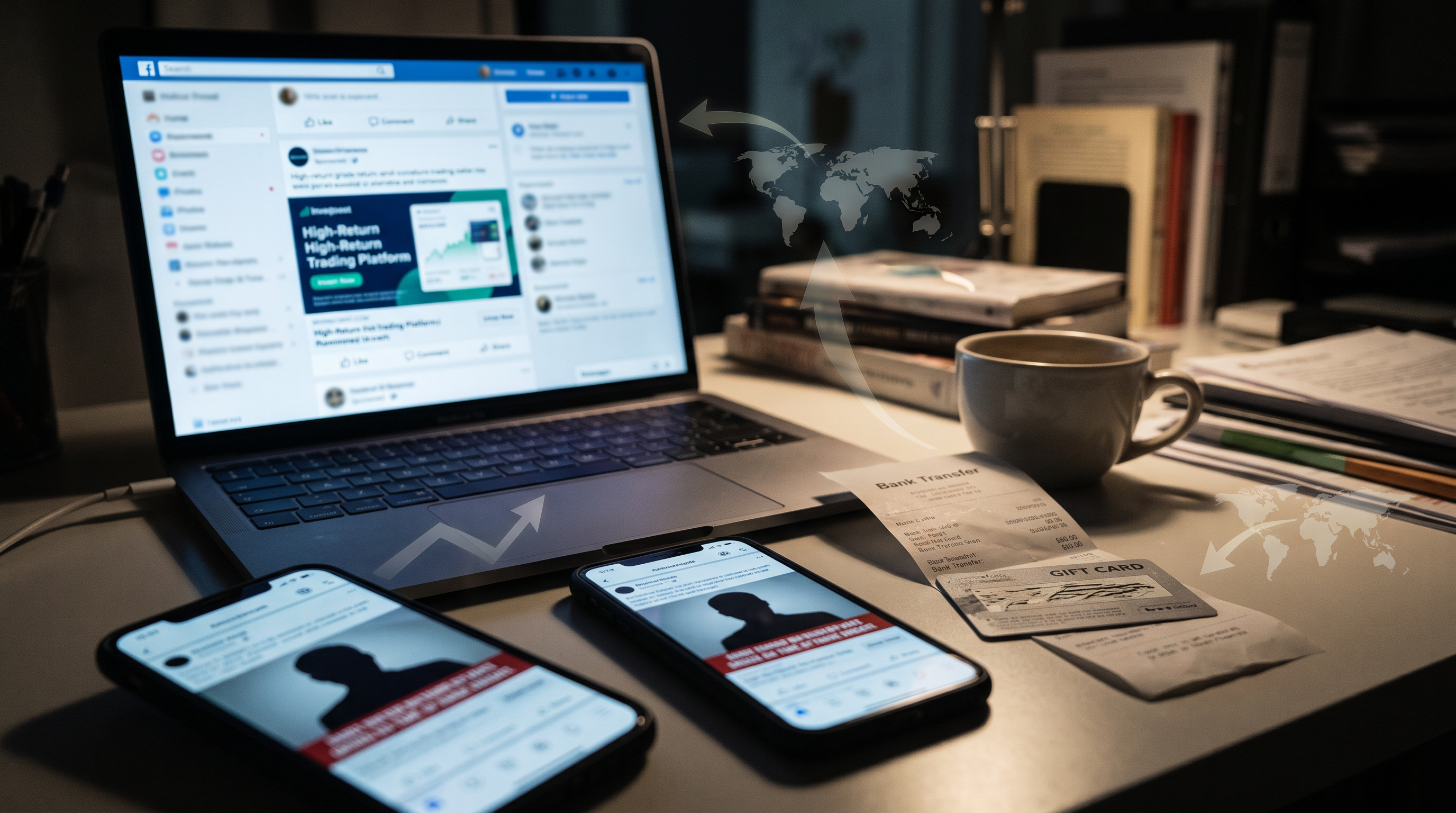
These fake ads are designed to look legitimate. They mimic the visual style of news broadcasts, use real footage of Dr. Ashton taken out of context, and place it alongside promotional messaging she never delivered. The result is a convincing illusion of medical authority that pushes consumers toward a purchase they will deeply regret.
How the Fake Ads Are Built to Deceive
The scam uses several layers of deception working together. Cloned images of Dr. Ashton are placed on fake landing pages styled to look like legitimate health news sites. Misleading video snippets are edited to remove original context and replaced with voiceover narration promoting Burn Slim. Scripted testimonials from paid actors add a final layer of false social proof.
What makes this particularly dangerous is a tactic called ad cloaking. This is when fraudsters show one version of an ad to platform reviewers and an entirely different, deceptive version to real users. This allows the fake Dr. Jennifer Ashton ads to slip past content moderation on platforms like Facebook and Instagram, reaching millions of people before they can be removed.
The Subscription Trap Hidden Inside the Burn Slim Scam
Getting tricked into clicking the ad is only the beginning. Once a consumer lands on the fake page and enters their payment details, they are enrolled in a subscription they never knowingly agreed to. This is a classic subscription trap, and it is one of the most financially damaging aspects of this type of fraud.
Victims of the Dr. Jennifer Ashton Burn Slim scam have reported unexpected recurring charges appearing on their bank statements, sometimes within days of their initial purchase. Cancelling these subscriptions is intentionally made difficult. Customer service lines are unresponsive, cancellation portals are broken or hidden, and refund requests are routinely denied without escalation to a bank dispute.
Personal Data Harvesting Through Fake Lead Generation
Beyond the financial damage, this scam is also built to harvest personal information. When you enter your name, address, phone number, and payment details into these fake landing pages, that data does not just process a purchase. It feeds into automated follow-up funnels that generate spam calls, phishing SMS messages, and targeted fraudulent offers.
This means that even if you catch the scam quickly and dispute your charge, your personal data may already be circulating in lead-generation networks tied to other fraud operations. Meta has taken legal action against advertisers in Brazil and China running celebrity deepfake scams that operate using nearly identical tactics, which shows just how widespread and coordinated this type of fraud has become.
Why Scammers Target Trusted Medical Figures Like Dr. Jennifer Ashton
This is not random. Fraudsters specifically choose medical professionals and journalists with established public credibility because their authority transfers trust to any product placed beside their name or face. Dr. Jennifer Ashton, as ABC News’ chief medical correspondent, carries enormous public trust, especially on topics related to health and wellness.
When a consumer sees someone they associate with reliable health information appearing to endorse a weight loss supplement, their guard comes down. The emotional response bypasses logical evaluation. Add in urgency tactics like limited-time offers and countdown timers on fake landing pages, and the psychological pressure becomes difficult to resist.
The Real Health Risk Behind Fake Weight Loss Products
Weight loss scams do not just drain bank accounts. They can pose genuine health risks. Products sold through these channels are unverified, unregulated, and often completely misrepresented in terms of ingredients and dosage. Consumers who believe they are taking a medically reviewed supplement may be ingesting unknown substances with no quality control. Consumer health researchers have flagged multiple red flags surrounding Burn Slim that anyone considering the product should review before spending a single dollar.
What You Should Do If You Were Targeted by This Scam
If you saw the fake Dr. Jennifer Ashton Burn Slim ad, clicked on it, or made a purchase, here is exactly what you need to do right now.
- Do not buy from unsolicited ads promoting weight loss products with celebrity endorsements, especially if you cannot verify the claim on the celebrity’s official website or social channels.
- Check your bank statements immediately for any recurring charges you do not recognize. Look for small initial charges followed by larger monthly fees.
- Contact your bank or credit card company and initiate a dispute. Explain that you were enrolled in a subscription without clear consent. Most banks will reverse fraudulent charges if reported promptly.
- Screenshot the fake ads before they disappear. These screenshots are valuable evidence when reporting to consumer protection agencies.
- Report the ads to the platform where you saw them, whether that is Facebook, Instagram, YouTube, or another channel. Use the built-in reporting tools and flag the content as a scam or misleading advertising.
- File a complaint with the FTC at ReportFraud.ftc.gov. You can also report to your state attorney general’s office and the Better Business Bureau.
How to Verify a Celebrity Endorsement Before You Buy
The single most powerful protection against this type of scam is verification. Before trusting any celebrity or doctor endorsement you see in a social media ad, take these steps.
- Visit the celebrity’s official website or verified social media accounts and search for the product name directly.
- Search for the celebrity’s name and the product name together in Google News to see if any legitimate coverage exists.
- Look up the company selling the product on the Better Business Bureau and check for complaints.
- Search the product name alongside the word “scam” or “review” to find independent consumer experiences.
Real medical endorsements from professionals like Dr. Jennifer Ashton are publicly documented and easy to verify. If you cannot find any trace of the endorsement outside of the ad itself, treat it as a red flag.
Conclusion: Protect Yourself From Fake Celebrity Health Scams
The Dr. Jennifer Ashton Burn Slim scam is a textbook example of how fraudsters weaponize trust to commit financial fraud at scale. By stealing a credible face, engineering deceptive video content, and trapping buyers in hidden subscriptions, these operators cause real harm to real people every single day. Platforms are working to remove these ads, but the takedowns cannot keep pace with the volume of new creatives being deployed.
Your best defense is skepticism, verification, and quick action if you suspect you have been targeted. Share this article with friends and family who might be vulnerable, report every suspicious ad you encounter, and never assume a social media ad telling you a doctor endorses a product is telling the truth. If something seems engineered to build urgency around a health product you never heard of before, it almost certainly is.
Frequently Asked Questions
Did Dr. Jennifer Ashton actually endorse Burn Slim?
No. Dr. Jennifer Ashton has not endorsed Burn Slim. All advertisements linking her to this product are fake and use doctored video clips and cloned images without her consent or involvement.
How do I get a refund if I was charged by the Burn Slim subscription?
Contact your bank or credit card provider immediately and dispute the charge as unauthorized. Explain that you did not knowingly consent to a recurring subscription. Also attempt to contact the merchant directly in writing and keep records of every interaction.
What is ad cloaking and how does it help scammers avoid detection?
Ad cloaking is a technique where scammers show a compliant, non-deceptive version of an ad to platform review systems while showing a completely different, fraudulent version to regular users. This allows fake ads to pass moderation checks and reach consumers before they are flagged and removed.
Where can I report a celebrity endorsement scam?
You can report scams to the Federal Trade Commission at ReportFraud.ftc.gov, your state attorney general’s consumer protection office, the Better Business Bureau, and directly to the platform where you saw the ad using their built-in reporting tools.
Are deepfake and cloned celebrity ads illegal?
Yes. Using someone’s likeness without consent for commercial purposes is illegal under multiple state and federal laws. Platforms like Meta have also begun taking direct legal action against advertisers running deepfake celebrity scam campaigns, as seen in recent lawsuits targeting operators in Brazil and China.