A major crypto ATM operator is facing a multimillion dollar bill tied to scams that played out on its machines. California regulators say an enforcement action against CoinFlip will recover money for people who were defrauded after feeding cash into its kiosks. For anyone searching for news on CoinFlip crypto ATM scam victims, this is the most significant development in the case so far.
Key facts
- On November 4, 2026, California's Department of Financial Protection and Innovation (DFPI) announced an enforcement action against crypto ATM operator CoinFlip.
- According to the DFPI, the action will recover more than $4.8 million for scam victims who used CoinFlip kiosks.
- The DFPI said CoinFlip must also pay more than $350,000 in additional fees as part of the action.
- Regulators alleged CoinFlip failed to implement adequate safeguards to protect kiosk users from fraud, but the company is not accused of orchestrating the underlying scams.
What California Announced About CoinFlip
The DFPI, California's financial regulator, published its announcement on November 4, 2026. The agency said the enforcement action against CoinFlip will return more than $4.8 million to victims of scams carried out through the company's crypto ATMs. You can read the agency's statement on the DFPI press release page.
The regulator also said CoinFlip will be required to pay more than $350,000 in additional fees. The announcement frames the outcome as a recovery for consumers who lost money, not simply a penalty for the company.
Reporting on the matter was updated on November 5, 2026. The DFPI announcement remains the primary source for the figures and the allegations described here.
Who Is CoinFlip?
The DFPI describes CoinFlip as a major cryptocurrency ATM company. Crypto ATMs, also called Bitcoin ATMs or crypto kiosks, let people insert cash and buy digital currency, which is then sent to a wallet address the user provides. They often sit in convenience stores, gas stations, and other retail locations.
The convenience is the draw for legitimate customers. It is also the reason criminals like them, as the next section explains.
The Allegation: Inadequate Safeguards at Crypto ATMs
Regulators alleged that CoinFlip failed to put adequate safeguards in place to protect people using its kiosks from fraud. That is the core of the case. The DFPI is not saying CoinFlip ran the scams, and it is not alleging the company personally impersonated anyone.
This distinction matters. The action concerns the protections around the machines, not the criminals who directed victims to them.
Why Crypto ATM Scams Work
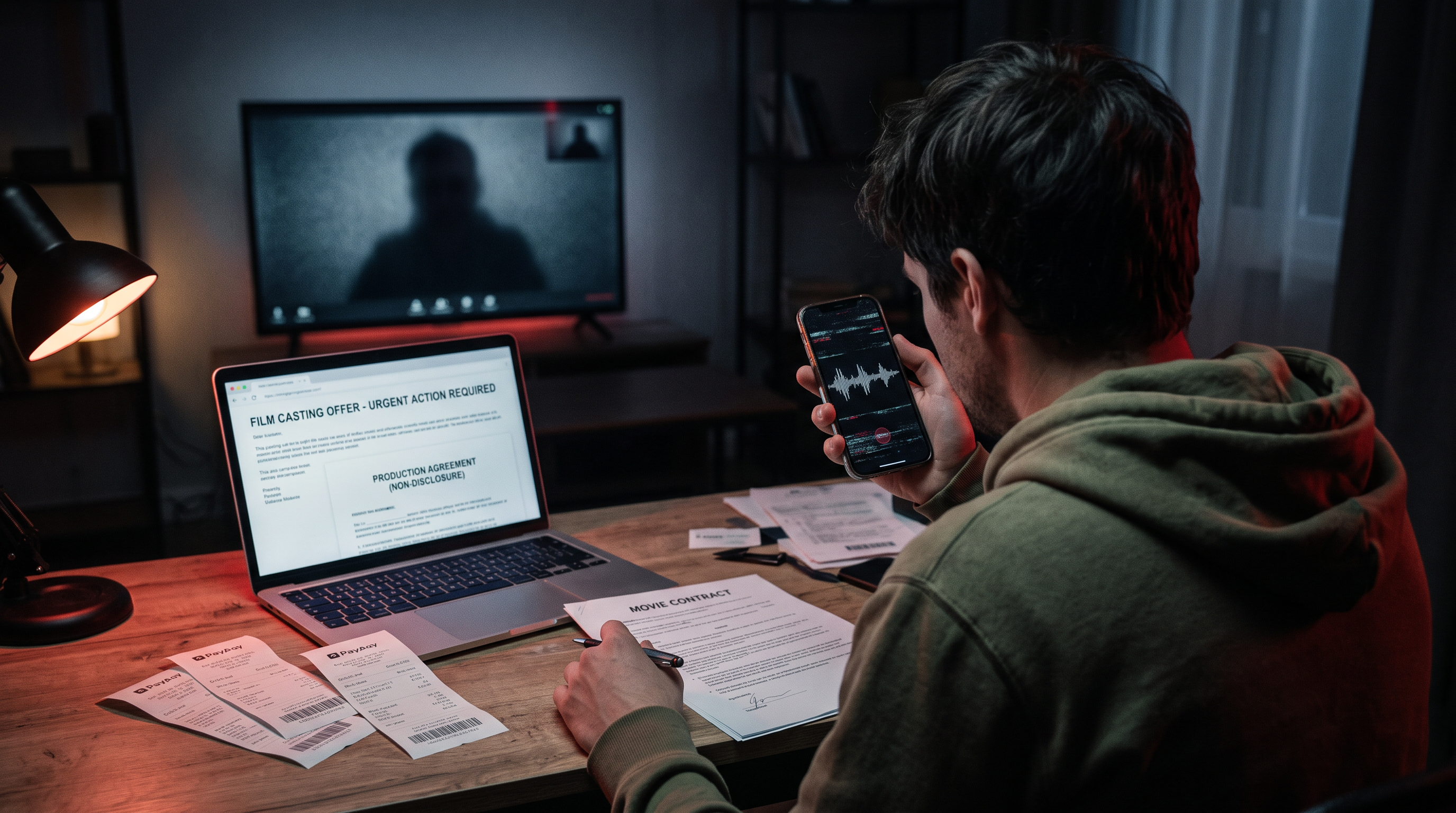
Crypto ATMs can be exploited by impostors who instruct victims to insert cash and send cryptocurrency to wallets controlled by criminals. A typical script has the caller pose as a trusted figure, then create urgency so the victim acts before thinking. Once the cash goes in and the coins are sent, the transaction is often very difficult to reverse.
Common warning signs in these cases include:
- A caller or message insisting you must pay immediately in cash.
- Instructions to withdraw money and take it to a crypto kiosk.
- A request to scan a QR code or type in a wallet address supplied by someone else.
- Pressure to stay on the phone and keep the payment secret.
No legitimate government agency or utility asks you to settle a debt or fine through a crypto ATM. If someone does, treat it as a scam.
Regulatory Action, Not a Criminal Conviction
It is worth being precise about what this announcement is. According to the research available, this is a regulatory enforcement action. It is not a criminal fraud conviction against CoinFlip.
Readers should also avoid attributing specific compliance failures, timelines, or admissions to the company without reading the agency's full order. The press release summarizes the outcome, but the order itself will carry the detailed terms. Any claim about what CoinFlip admitted or denied should be checked against that document.
What the Numbers Tell Us
Two figures stand out in the DFPI announcement:
- More than $4.8 million to be recovered for scam victims.
- More than $350,000 in additional fees CoinFlip must pay.
Together, the amounts suggest a significant volume of consumer harm tied to kiosk transactions. The announcement does not, in the material reviewed here, break down how many victims are covered or how each person will be repaid. Those details should appear in the order or in follow-up guidance from the agency.
Why This Matters for Crypto ATM Regulation
The case shows a regulator holding a kiosk operator responsible for what happens at its machines, not only the scammers who exploit them. For consumers, that is a notable shift in emphasis. Recovering money after a crypto transfer is usually a long shot, and this action is described as producing actual repayment.
For the wider industry, the message is that adequate fraud safeguards are expected. Operators that run kiosks in a state may face scrutiny over how they protect users from impostor schemes. Other regulators could take note of California's approach, though the research does not confirm any additional pending actions.
Crypto Scams Are a Wider Pattern
Crypto is a recurring thread in fraud cases covered on this site. Our report on the extradition of Zheng Zhao in a crypto scam case shows how cross-border schemes can unfold. Another story, the Binance fake job interview heist, shows how criminals use trust and false pretenses to move digital assets. The tactics differ, but the shared problem is speed and irreversibility.
Impersonation is also growing more convincing with technology. Our coverage of the Raj Chakraborty AI voice scam illustrates how a familiar voice can be used to pressure a target.
What Victims of Crypto ATM Scams Should Do
If you sent money to a scammer through a kiosk, act quickly. Speed will not guarantee a recovery, but delay makes things harder. Consider these steps:
- Contact the kiosk operator right away and give them the transaction details, including the time, location, and wallet address.
- Report the scam to the Federal Trade Commission at reportfraud.ftc.gov.
- File a complaint with the FBI's Internet Crime Complaint Center at ic3.gov.
- Notify your local police and keep copies of receipts, messages, and call logs.
- If you live in California, check the DFPI's website for updates on how affected CoinFlip users can seek repayment.
Do not pay anyone who contacts you claiming they can recover your lost crypto for a fee. Recovery scams target people who have already been victimized.
How to Avoid Crypto ATM Scams
Prevention is far easier than recovery. Before you use any crypto kiosk, ask yourself who told you to be there. If a stranger on the phone, a pop-up, or an online contact directed you to the machine, stop.
- Hang up and call the organization back using a number you find independently.
- Never share wallet addresses or scan QR codes supplied by someone you do not know in person.
- Talk to a family member or friend before moving cash into crypto.
- Remember that real agencies do not demand payment through crypto ATMs.
What Happens Next
The DFPI announcement is the foundation of this story, and the full order will determine the specifics. Readers should watch for details on how the $4.8 million will reach victims, how eligible people can come forward, and whether CoinFlip responds publicly. The research reviewed here does not include a company statement, so none is attributed.
The case also raises questions that regulators and lawmakers will likely keep asking about kiosk safeguards. Whether other states follow with similar actions remains to be seen.
Conclusion
California's action puts a spotlight on a corner of the crypto economy where cash, urgency, and irreversible transfers collide. According to the DFPI, CoinFlip crypto ATM scam victims will see more than $4.8 million recovered, and the company must pay more than $350,000 in additional fees over alleged failures to safeguard users. The company is not accused of running the impostor scams, and this is not a criminal conviction.
If you or someone you know has used a crypto ATM under pressure from a stranger, report it to the FTC and the FBI today, and share this article with family members who might be targeted. Bookmark this site for updates as more details from the DFPI order emerge.
Frequently Asked Questions
What did California announce about CoinFlip?
On November 4, 2026, California's Department of Financial Protection and Innovation announced an enforcement action against crypto ATM operator CoinFlip. The agency said the action will recover more than $4.8 million for scam victims. It also said CoinFlip must pay more than $350,000 in additional fees.
Is CoinFlip accused of running the scams?
No. Regulators alleged that CoinFlip failed to implement adequate safeguards to protect kiosk users from fraud. The company is not accused of personally orchestrating the impersonation scams that victims experienced.
Was CoinFlip convicted of a crime?
No. This is a regulatory enforcement action by a state financial regulator, not a criminal fraud conviction. Specific compliance failures or admissions should be confirmed in the agency's full order before being attributed to the company.
How do scammers use crypto ATMs?
Impostors instruct victims to insert cash into a crypto ATM and send the cryptocurrency to a wallet the criminals control. Because these transactions are often difficult to reverse, victims rarely get their money back. Anyone demanding payment through a crypto kiosk should be treated as a likely scammer.
Where can I report a crypto ATM scam?
You can report it to the Federal Trade Commission at reportfraud.ftc.gov and to the FBI's Internet Crime Complaint Center at ic3.gov. You should also contact the kiosk operator and your local police right away. Keep receipts, wallet addresses, and messages as evidence.