A well-known British painter has taken legal action to force Google to reveal the identity of a scammer who has been impersonating her online, according to a report from the New York Post. The impersonator allegedly created a Gmail account referencing one of her most recognizable works and used it to pitch fraudulent business opportunities to other artists in her professional network. The case is drawing attention from the wider creative industry as impersonation scams targeting artists and public figures become increasingly sophisticated.
Key Facts
- A prominent British painter filed a legal petition asking Google to disclose subscriber information linked to a Gmail account allegedly used to impersonate her, according to the New York Post.
- The scammer reportedly chose an email address that referenced one of the painter's well-known works, lending the fake account an air of legitimacy to recipients in her professional circle.
- The fraudulent outreach allegedly targeted fellow artists with bogus collaboration and business opportunity pitches designed to exploit trust within the creative community.
- The painter's legal team is pursuing civil claims and is using the John Doe discovery procedure to compel Google to reveal the account operator's identity before naming them as a defendant.
- Google has published guidance on how it handles legal requests for user data, requiring valid legal process before it discloses any account holder information.
How the British Painter Email Impersonation Scam Worked
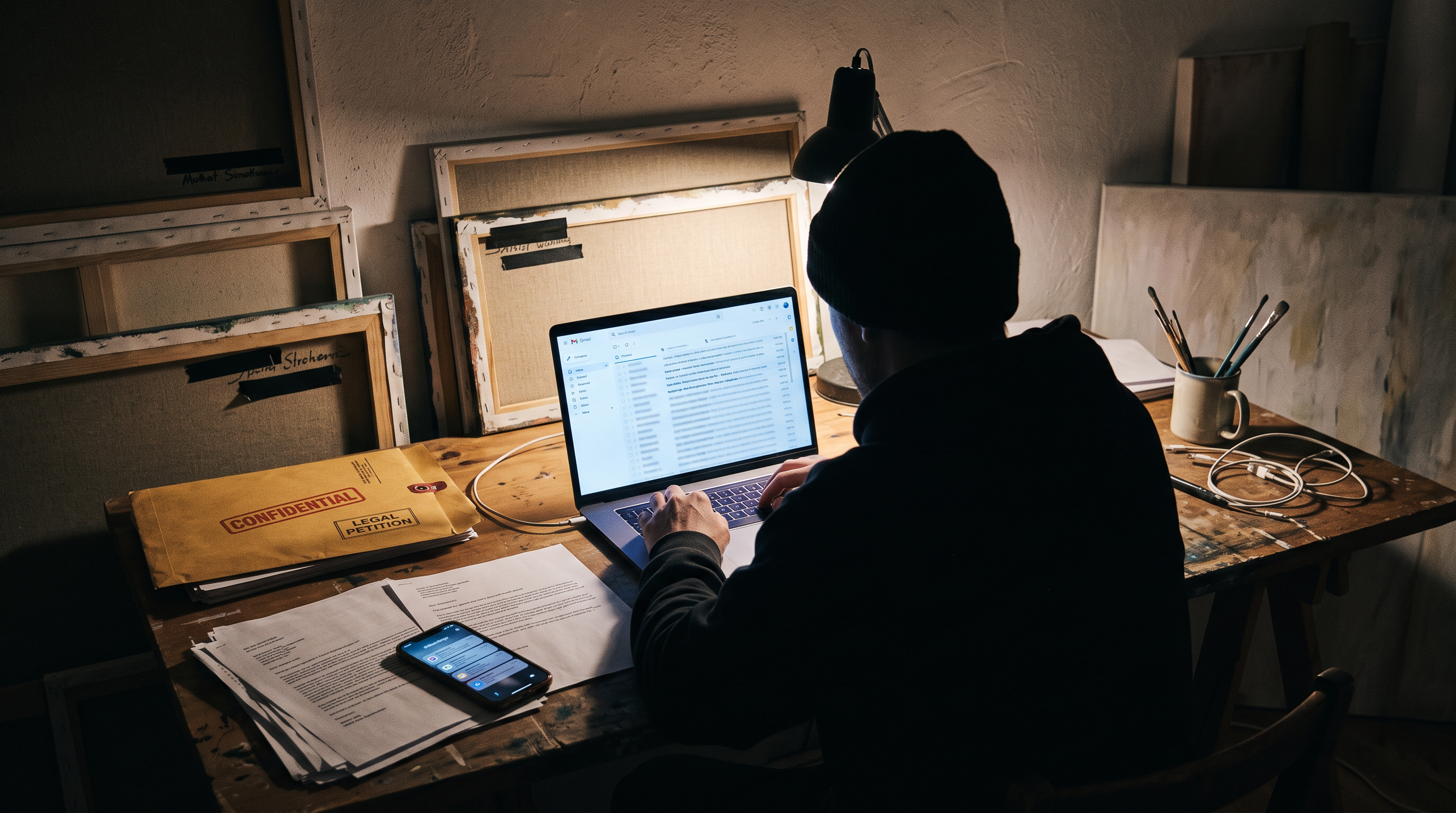
According to the New York Post's reporting, the scammer constructed a Gmail address that incorporated the name or title of one of the painter's best-known pieces. That deliberate choice was no accident. By anchoring the fake identity to a real and recognizable work, the fraudster gave recipients a reason to trust the sender without verifying the address independently.
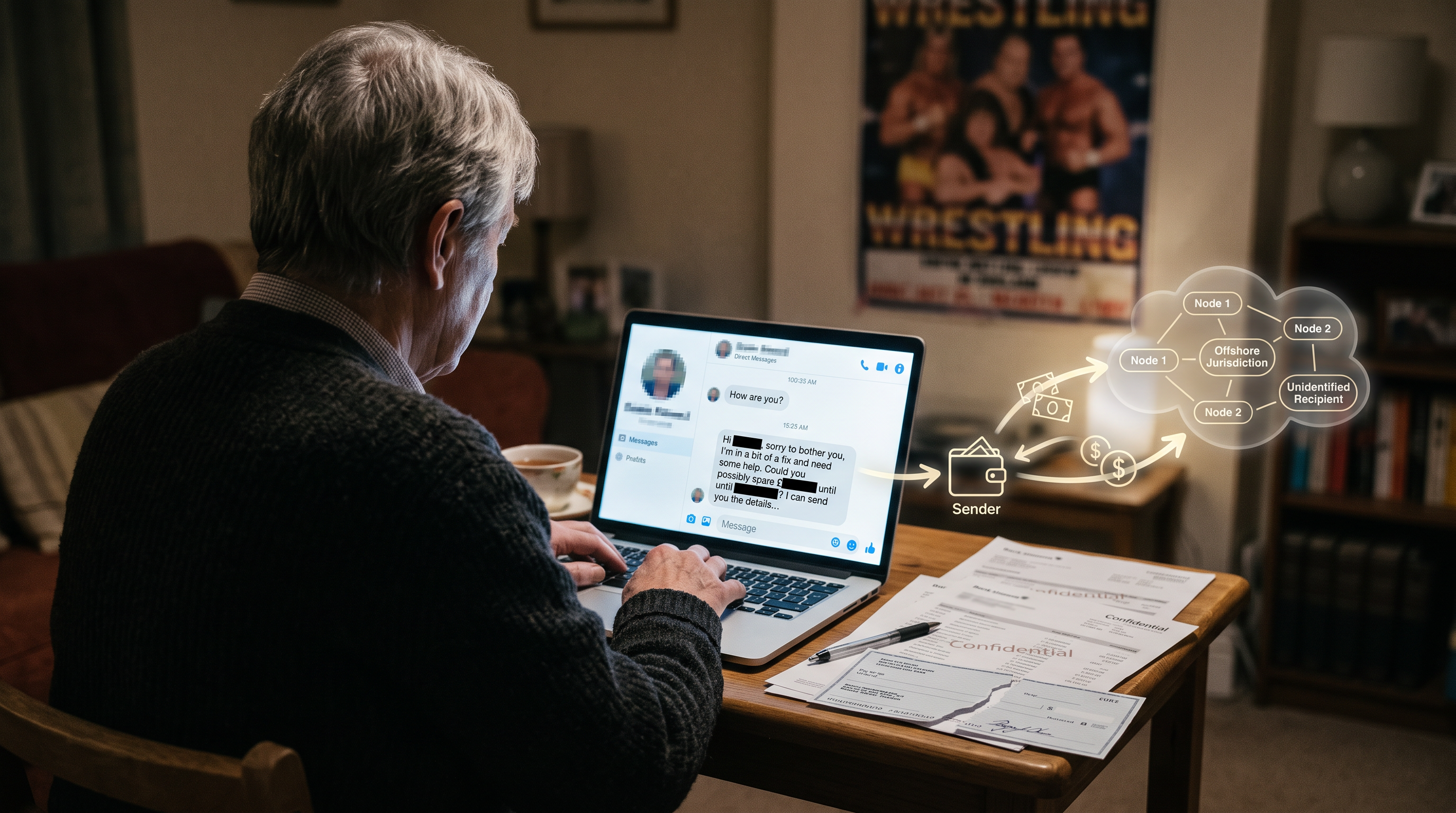
The messages sent from that account reportedly offered fake collaboration deals, business partnerships, or commission opportunities pitched at peers and contacts already familiar with the painter's career. In the tight-knit world of professional artists, an approach that appears to come from a respected colleague carries real weight. Victims may not have questioned the outreach before engaging or sharing personal details.
This pattern mirrors tactics seen across a range of impersonation scams. Similar cases, including the Hong Seokcheon impersonator account scam, show how fraudsters exploit celebrity or professional credibility to manufacture trust before any money or data changes hands.
The Legal Push to Unmask the Scammer
The painter's legal team filed a pre-litigation petition aimed at compelling Google to identify the person behind the fraudulent account. This approach, commonly known as John Doe discovery, allows a victim to obtain identifying information from a platform before formally naming an anonymous defendant in a civil lawsuit.
Courts reviewing these requests generally weigh the petitioner's need for the information against the account holder's privacy and free-speech interests. The legal threshold varies by jurisdiction, but petitioners typically must show a plausible underlying civil claim and demonstrate that the information cannot be obtained from any other source.
Google, for its part, states that it evaluates all legal demands for user data carefully and requires valid legal process before it will comply. The company's published policy makes clear it will notify users of demands when legally permitted to do so, giving targets a chance to challenge the disclosure in court before their identity is revealed.
The case has drawn comparisons to a broader wave of unmasking petitions filed against tech platforms in recent years. As deepfake and impersonation fraud has escalated, courts across multiple jurisdictions have been asked to balance individual privacy against the rights of victims to seek redress. High-profile cases involving deepfake impersonation scams targeting public figures like Reese Witherspoon have shown how broadly these tactics are now being deployed.
Why the Creative Industry Is a Prime Target
Artists, painters, musicians, and other creators are attractive targets for impersonation scams for several interconnected reasons. Their names and work titles are publicly documented, making it easy to construct plausible-sounding credentials. Their professional networks tend to operate on trust and reputation rather than formal verification systems. And collaboration requests, commissions, and licensing deals are a routine part of their working lives, meaning fraudulent pitches do not automatically raise red flags.
The financial stakes can also be significant. Fake commission agreements, fraudulent licensing deals, or requests for upfront fees tied to bogus exhibition slots can result in substantial losses. Beyond money, impersonation can damage a creator's professional reputation if their name is associated with dishonest or low-quality outreach.
Red Flags Artists Should Watch For
- Unsolicited collaboration or commission offers arriving via personal email rather than verified business channels.
- Email addresses that reference artwork titles, career milestones, or other publicly available details to appear legitimate.
- Requests for upfront fees, personal financial information, or bank details before any formal contract is in place.
- Pressure to respond or commit quickly, without time to verify the sender's identity through a separate, trusted channel.
- Offers that seem unusually lucrative or that arrive without any prior relationship or introduction.
How Artists and Creators Can Protect Themselves
Impersonation at this level requires relatively little technical skill. A free email account, knowledge of a target's public profile, and a list of professional contacts are enough to launch this kind of campaign. That means the defenses also need to be practical and low-barrier.
Creators should set up domain-based email authentication for any custom domains they use. SPF, DKIM, and DMARC records make it significantly harder for bad actors to spoof a legitimate-looking address tied to a real domain. For communications that rely on free email services, verification by phone or video call before any business commitment is agreed upon is a sensible minimum standard.
Documenting suspicious contacts is equally important. Screenshots, full email headers, and records of any payment requests create an evidence trail that supports both platform reports and potential legal action. Victims should report impersonation attempts directly to the platform where the fake account operates, to the FTC at ReportFraud.ftc.gov, and to the FBI's Internet Crime Complaint Center at IC3.gov.
The Platform Accountability Question
The British painter's petition also raises a wider question about how much responsibility email and social media platforms bear for enabling impersonation at scale. Free, instant account creation with minimal identity verification makes it trivially easy to set up a fraudulent persona. Platforms argue that privacy and accessibility demand low-friction sign-up processes. Critics counter that the resulting harm to individuals and small communities like the professional art world is significant and preventable.
The outcome of this case, specifically whether Google will comply with the disclosure request and how quickly the courts act, may set a useful precedent for other creators seeking to identify those who steal their identities online.
Conclusion
The British painter's Google unmasking petition puts a spotlight on a fraud pattern that is quietly spreading through professional creative networks. Impersonators are no longer targeting only celebrities with massive public profiles. They are also going after working artists, using real names and artwork titles to build credibility, and exploiting communities built on mutual trust. If you are an artist or creator, verify every unexpected collaboration request independently before responding, secure your email domains with proper authentication, and report suspected impersonation immediately. Staying informed about how these scams operate is one of the most effective tools available.
Frequently Asked Questions
What is the British painter Google unmasking case about?
A prominent British painter filed a legal petition asking Google to reveal the identity of a person who created a Gmail account impersonating her. According to the New York Post, the scammer used an email address referencing one of the painter's well-known works to pitch fraudulent business and collaboration opportunities to other artists in her network.
How does John Doe discovery work in an email impersonation case?
John Doe discovery is a pre-litigation legal procedure that allows a victim to compel a platform like Google to disclose the identity of an anonymous account holder before formally naming them as a defendant in a civil lawsuit. Courts weigh the petitioner's need for the information against the account holder's privacy rights, and Google states it requires valid legal process before it shares any user data.
Why are artists and painters targeted by impersonation scammers?
Artists are appealing targets because their names, artwork titles, and professional networks are publicly documented and easy to research. Collaboration requests and commission offers are routine in the creative industry, so fraudulent pitches can blend in without immediately raising suspicion. Financial losses can be significant if victims pay upfront fees or share banking details before discovering the fraud.
What should an artist do if they are being impersonated online?
Artists who discover they are being impersonated should document all suspicious contacts with screenshots and full email headers, report the fake account to the platform directly, and file complaints with the FTC at ReportFraud.ftc.gov and the FBI IC3 at IC3.gov. Consulting a lawyer about civil options, including a John Doe discovery petition, is also advisable if the impersonation is causing financial or reputational harm.
Can Google be forced to reveal a Gmail account holder's identity?
Google can be compelled by a court order to disclose account holder information as part of a valid legal process. The company's published policy states it evaluates all legal demands carefully and, where permitted, notifies users so they can challenge the disclosure. The strength of the underlying civil claim and the petitioner's inability to obtain the information elsewhere are key factors courts consider.