A French woman lost approximately €830,000 (roughly $850,000) after falling victim to an elaborate Brad Pitt deepfake romance scam that used AI-generated photos, cloned social media profiles, and months of carefully crafted emotional manipulation. The case, which went viral in early 2025, has become a landmark example of how affordable generative AI has turned celebrity impersonation into a scalable and devastating financial weapon. Beyond the financial loss, the victim faced widespread online ridicule once the story became public, exposing a cruel secondary layer of harm that fraud victims rarely discuss.
Key Facts
- A French woman was defrauded of approximately €830,000 (about $850,000) by scammers impersonating actor Brad Pitt using AI-generated images, according to BBC News.
- The scam ran for several months, relying on fake social media profiles, WhatsApp messaging, and repeated fabricated emergencies such as medical fees and blocked bank accounts to extract payments, per reporting by The Guardian.
- The victim reportedly left her husband during the scam, believing she was in a genuine romantic relationship with the actor, according to Euronews.
- When the case became public in January 2025, the victim faced severe online harassment and cyberbullying, compounding her psychological and financial trauma.
- The scam used intermediaries to launder funds, making financial tracing significantly more complex for investigators, according to Newsweek.
How the Brad Pitt Deepfake Romance Scam Unfolded
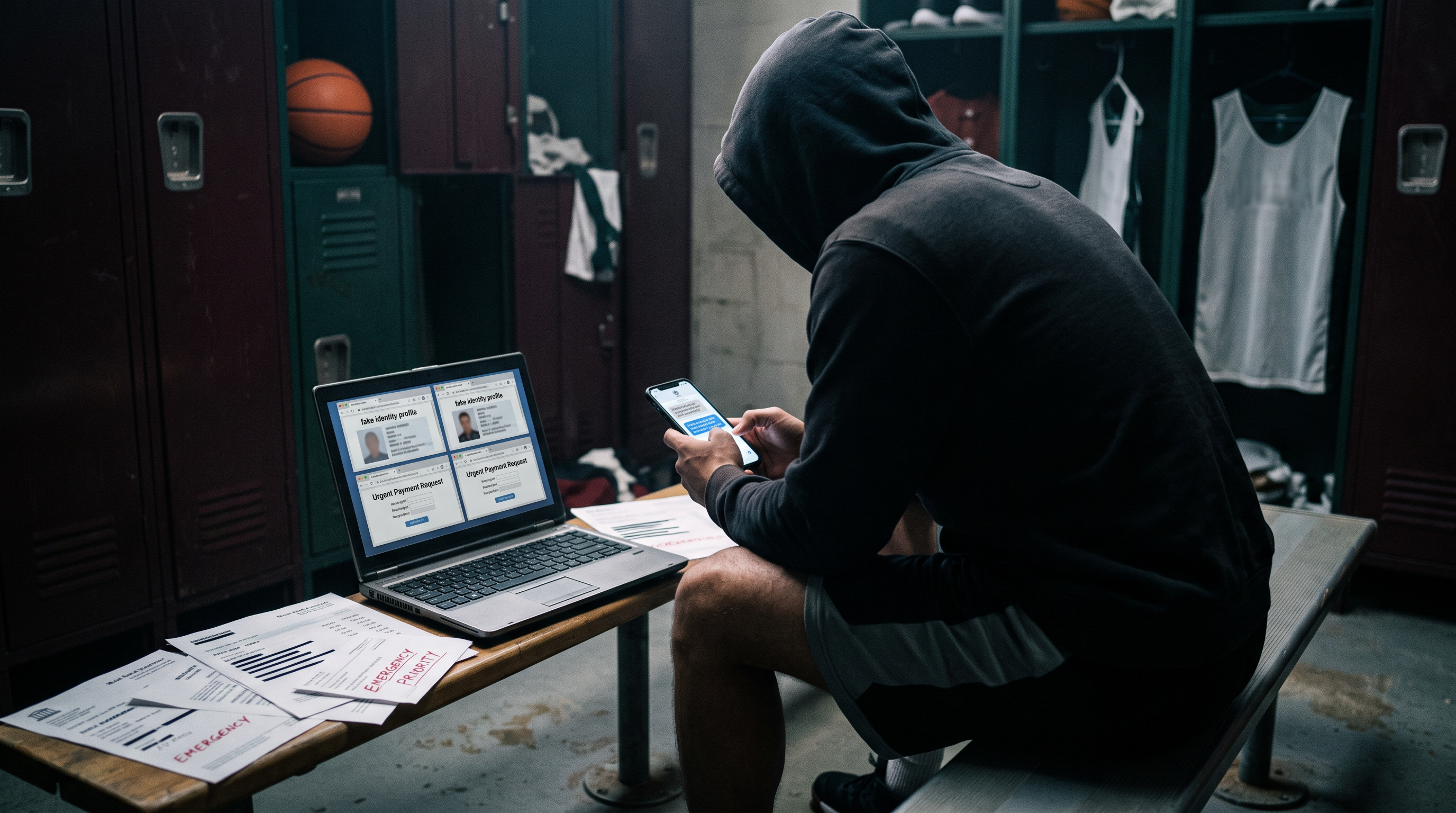
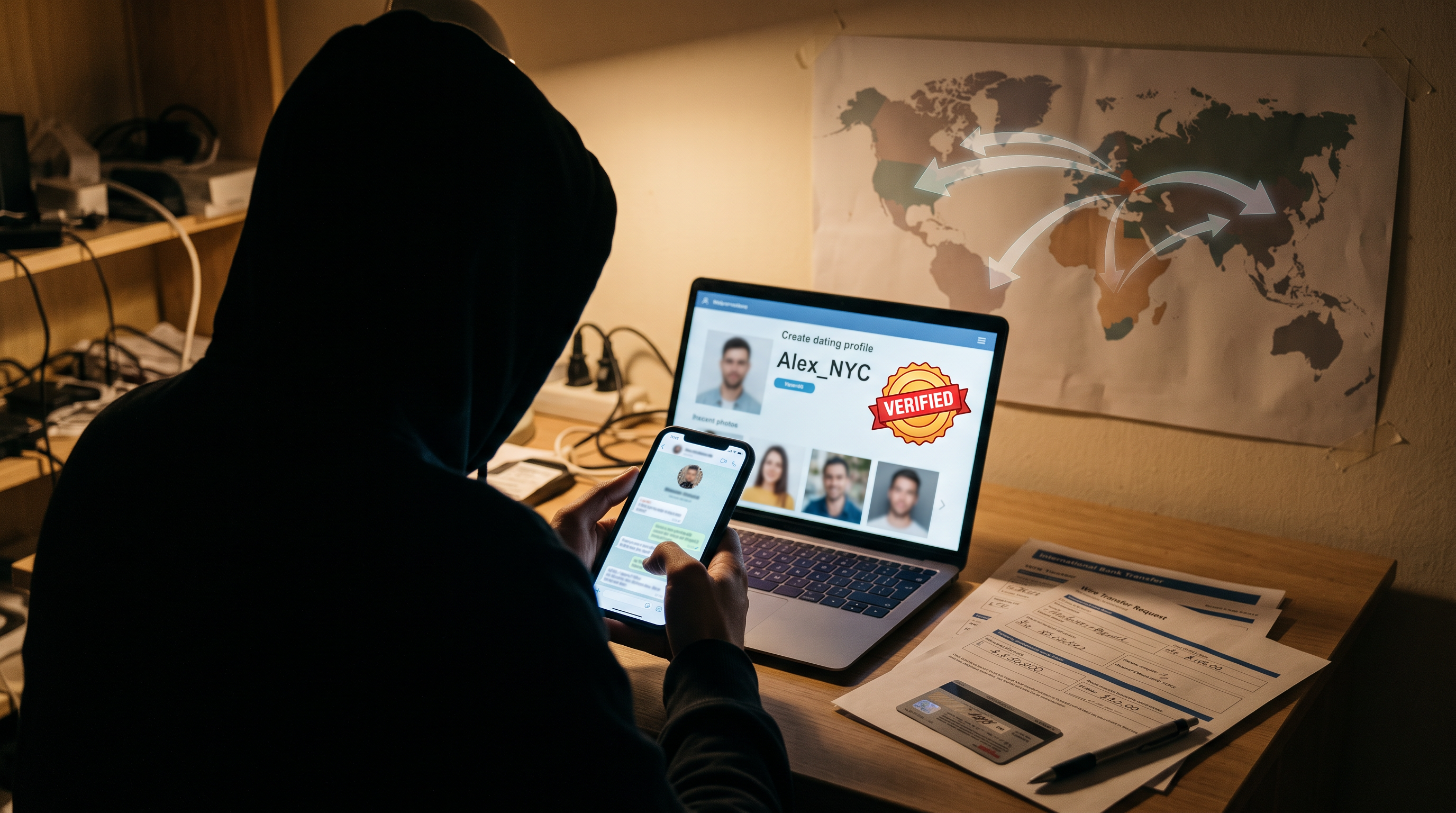
According to BBC News, the scammers constructed a convincing digital persona by combining AI-generated images of Brad Pitt with cloned social media accounts designed to look authentic. The victim, a French interior designer, was first contacted through social media and quickly moved to private messaging on WhatsApp, a common tactic used to shift conversations away from platforms with fraud monitoring.
Over many months, the fraudsters built a deep emotional bond with the victim. They deployed fabricated urgencies, including claims of medical emergencies and frozen bank accounts, to justify repeated requests for money. Each payment was framed as temporary and urgent, a classic advance fee fraud structure designed to override the victim's rational judgment through emotional pressure.
The victim reportedly transferred funds across multiple payment methods. Investigators noted the use of intermediaries to move and launder the money, which created a complex financial trail. This layering technique is frequently used in large-scale fraud operations to frustrate law enforcement recovery efforts.
Why AI Makes Celebrity Impersonation Scams More Dangerous
This case is not an isolated incident. Celebrity impersonation fraud has surged in recent years, but the introduction of generative AI has dramatically lowered the barrier to entry for criminals. Creating convincing fake images of a real person once required technical skill and significant resources. Today, it takes minutes and costs almost nothing.
The Brad Pitt deepfake romance scam illustrates a broader pattern documented across the industry. A Newsweek report on the case highlighted how scammers exploit the parasocial relationships that fans form with celebrities, using that pre-existing emotional attachment as a foundation for manipulation. When someone already admires and trusts a public figure, it is far easier for a fraudster to exploit that sentiment.
Cases like this sit alongside a growing wave of AI-driven fraud. The Kim Seon Ho deepfake impersonation scam followed a nearly identical playbook, targeting fans with AI-generated content to build false intimacy before extracting money. Similarly, scammers impersonating other well-known figures, including a case involving a Jennifer Aniston deepfake romance scam, have used comparable tactics to devastating effect.
The Psychological Factors That Make Victims Vulnerable
It is easy and wrong to dismiss victims of romance fraud as simply naive. According to analysis published by The Conversation, romance fraud victims are subjected to sophisticated psychological manipulation that exploits universal human needs for connection, validation, and love. Scammers are skilled at identifying vulnerability, mirroring a target's interests, and using incremental commitment to make each new request feel reasonable in context.
The escalation is gradual and deliberate. By the time large sums of money are involved, the victim has often invested months of emotional energy in the relationship. Abandoning it feels like losing a real person, not walking away from a transaction. This dynamic, known as sunk cost bias, is a core feature of romance scam psychology and makes recovery deeply painful.
The public mockery the French victim received after her story broke is a serious problem. Shame and ridicule deter other victims from coming forward, which reduces the data law enforcement and platforms need to combat these schemes effectively. Researchers and advocates have consistently called for a victim-first approach in media coverage of fraud cases.
Platform Accountability and Policy Gaps
This case raises pointed questions about platform responsibility. The scammers created fake social media profiles and used them over an extended period without detection. Identity verification standards on major platforms remain inconsistent, and account creation metadata that could help investigators trace fraud rings is not always preserved or shared with law enforcement in useful timeframes.
The rise of AI-generated content has made the problem harder to police. Platforms are under increasing pressure to implement AI disclosure rules and stronger identity verification, particularly for accounts that claim to represent public figures. The scale of celebrity impersonation scams has been estimated in the billions of dollars annually, a figure that underscores the urgency of regulatory action.
Policy advocates argue that platform liability frameworks need updating to hold networks accountable when verified celebrity accounts are cloned and used for sustained fraud campaigns without intervention.
How to Protect Yourself From Deepfake Romance Scams
The Brad Pitt deepfake romance scam offers clear, actionable lessons for anyone active online. Follow these steps to reduce your risk:
- Demand live video verification. Insist on a real-time video call through a verified, official channel. AI image tools cannot yet reliably generate convincing live video on demand, making this one of the strongest defenses available.
- Never send money to someone you have only met online. No legitimate romantic interest will ask you for wire transfers, gift cards, or cryptocurrency, regardless of the emergency they describe.
- Avoid gift cards and crypto payments. Both are effectively untraceable and unrecoverable once sent. Scammers prefer them for exactly that reason.
- Keep full records. Save screenshots of all messages, profile images, and payment receipts. These are critical if you need to report to police or your bank.
- Report immediately. Contact your bank to attempt a payment recall, then file reports with local police. In the United States, you can also report to the FTC at reportfraud.ftc.gov and the FBI Internet Crime Complaint Center at ic3.gov.
If you suspect a profile is fake, search the images using a reverse image search tool. AI-generated photos sometimes show subtle inconsistencies in backgrounds, hands, or text within the image that can reveal their origin.
Conclusion
The Brad Pitt deepfake romance scam is a sobering case study in how generative AI has amplified the reach and persuasiveness of romance fraud. A French woman lost nearly a million euros, her marriage, and then faced public humiliation, all because a group of criminals exploited affordable AI tools and a trusting heart. This is not a story about gullibility. It is a story about sophisticated, organized fraud that adapts faster than the platforms and regulations designed to stop it. Protect yourself by staying skeptical, verifying everything in real time, and never sending money to someone you have not met in person. If you or someone you know has been targeted, report it immediately and without shame.
Frequently Asked Questions
How did the Brad Pitt deepfake romance scam work?
Scammers created fake social media profiles using AI-generated images of Brad Pitt and used WhatsApp to build a long-term emotional relationship with a French woman. They fabricated repeated emergencies, including medical fees and frozen bank accounts, to justify requests for money totaling approximately €830,000. The deception ran for several months before the victim discovered the truth.
How much money did the victim lose in the Brad Pitt deepfake scam?
The French victim lost approximately €830,000, which is roughly $850,000 USD, according to reporting by BBC News and The Guardian. The funds were transferred over the course of the scam and moved through intermediaries, making financial recovery extremely difficult.
What tactics do celebrity deepfake romance scammers use?
Celebrity deepfake romance scammers typically use AI-generated images to build convincing fake profiles, move victims to private messaging apps like WhatsApp to avoid platform monitoring, and create fabricated emergencies to justify urgent money requests. They also use gift cards, wire transfers, and cryptocurrency to receive payments that are hard to trace or reverse.
How can I tell if a celebrity account online is fake?
Verified celebrities do not privately message strangers to start romantic relationships. You should demand a live video call through an official, verifiable channel before engaging further. Run profile photos through a reverse image search, look for inconsistencies in images that may indicate AI generation, and check whether the account is the official verified account of the public figure.
Where should I report a deepfake romance scam?
Report the scam to your bank immediately to attempt a payment recall. Then file a police report with your local law enforcement. In the United States, you can report to the FTC at reportfraud.ftc.gov and the FBI Internet Crime Complaint Center at ic3.gov. Keep all records, including screenshots of messages and proof of payments, to support your report.