This Valentine’s Day, love is in the air—and so are AI-powered romance scams. Criminals are harnessing advanced artificial intelligence and deepfake technology to craft ultra-convincing fake lovers on dating apps and social media, preying on vulnerable people seeking connection.
How AI is Changing Romance Scams
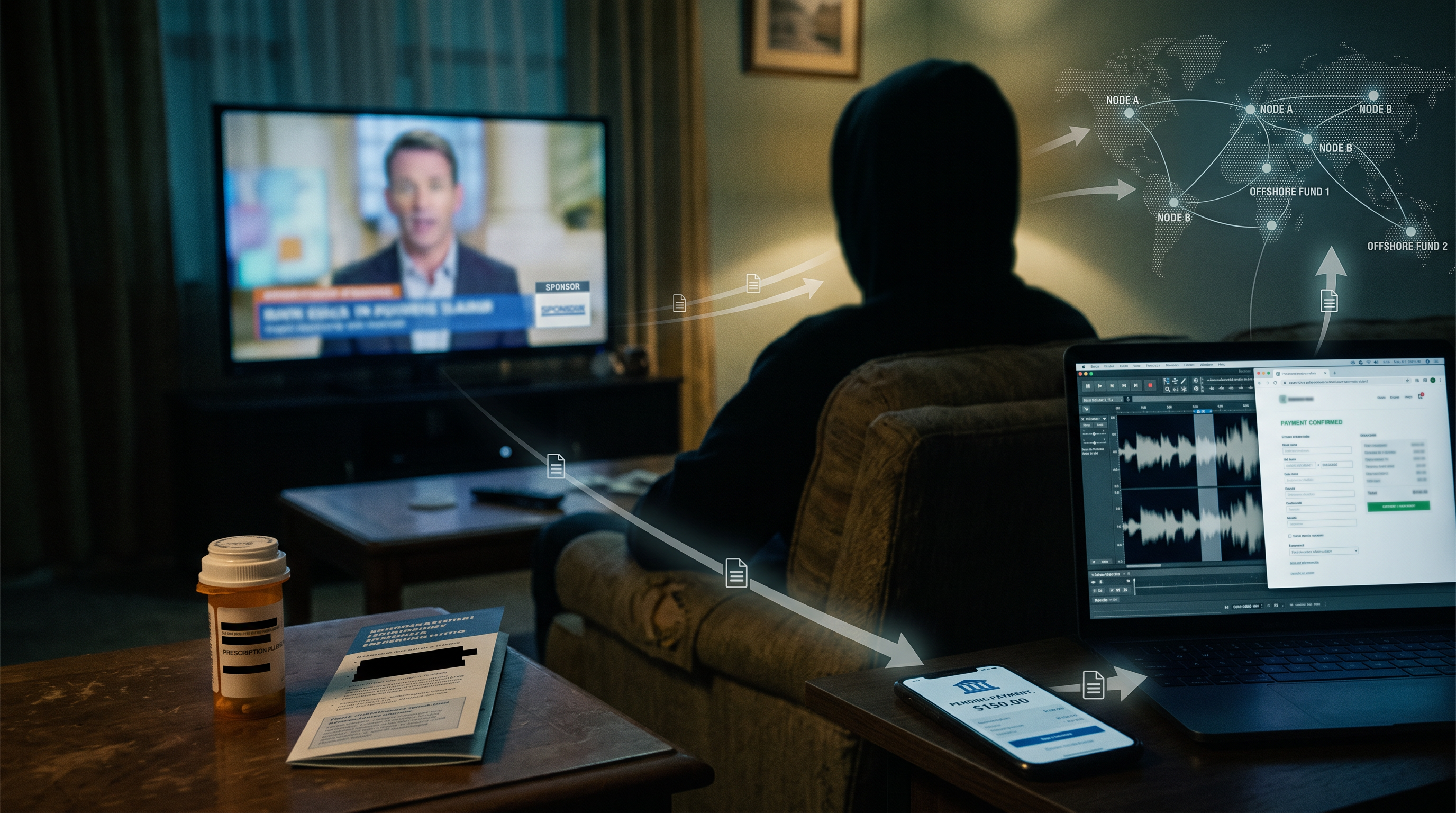
For years, romance scams relied on stolen photos and formulaic emails. But in 2026, AI tools let scammers instantly generate attractive profile pictures, forge real-time voice and video calls using deepfakes, and write heart-melting messages tailored just for you. With the help of AI chatbots, scammers can maintain consistent conversations across multiple victims, dramatically increasing losses.
Red Flags to Watch For
- Flawless profiles that seem too good to be true
- Reluctance to meet in person or have live, unscripted video calls
- Requests to move communication off the main platform quickly
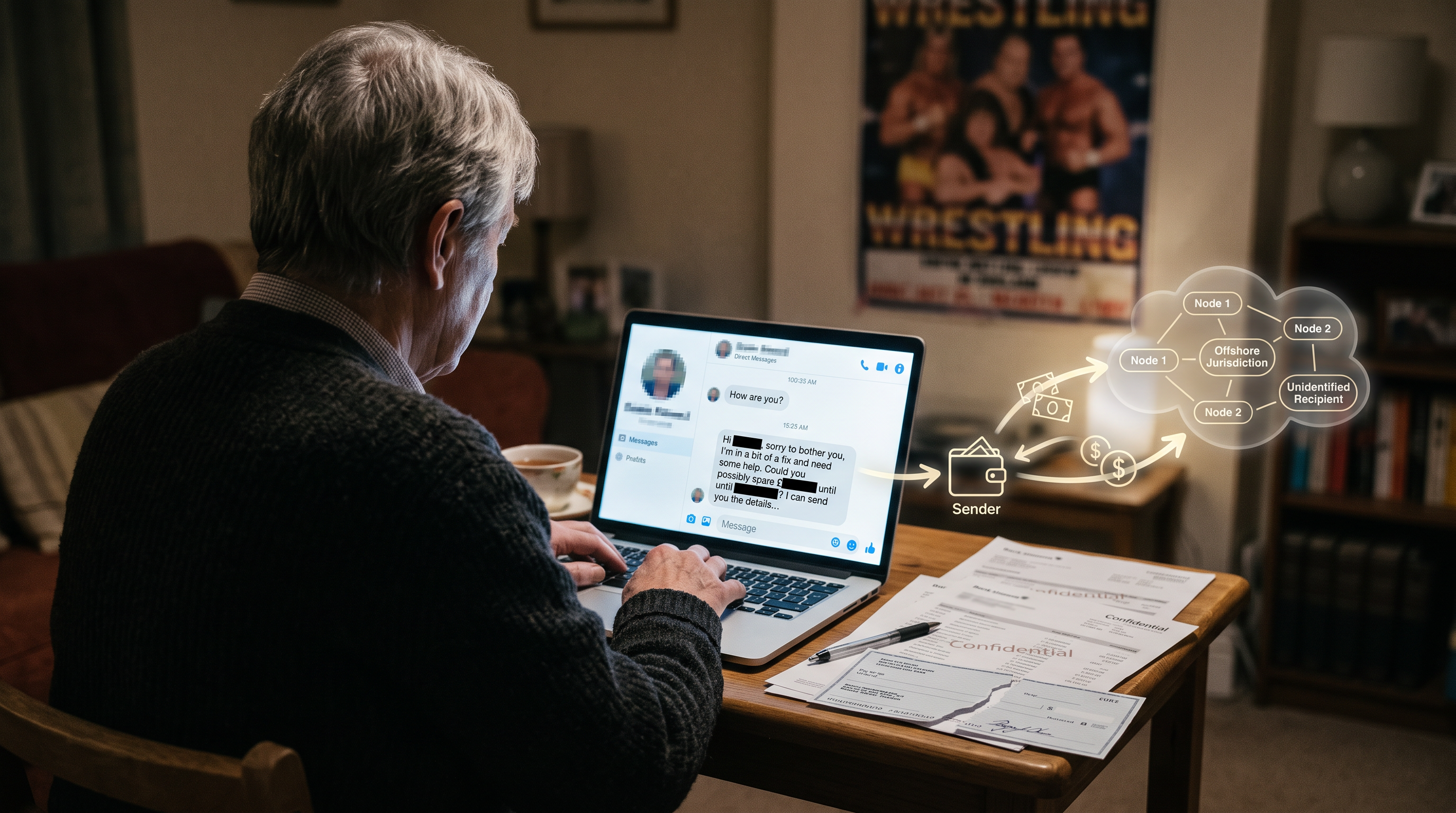
- Claims of personal emergencies needing money, cryptocurrency, or gift cards
Protect Yourself from AI Scammers
- Never send money, gifts, or cryptocurrency to someone you haven’t met in person multiple times.
- Ask for spontaneous video verification (e.g., holding up a sign with today’s date).
- Use reverse image search on profile pictures.
- Keep conversations on trusted dating platforms as long as possible.
- Be extra cautious around holidays like Valentine’s Day when scammer activity peaks.
According to cybersecurity agencies, romance scam losses topped $1+ billion globally in 2025, with sharp increases during the weeks leading up to February 14th. AI is accelerating these trends, making it more important than ever to be vigilant. If you suspect a scam, cease contact, document evidence, and report to authorities such as the FTC, FBI IC3, or Action Fraud UK.
Further Reading
Let’s keep this holiday about real connections. If someone’s love feels uncanny—press pause before you pay the price.