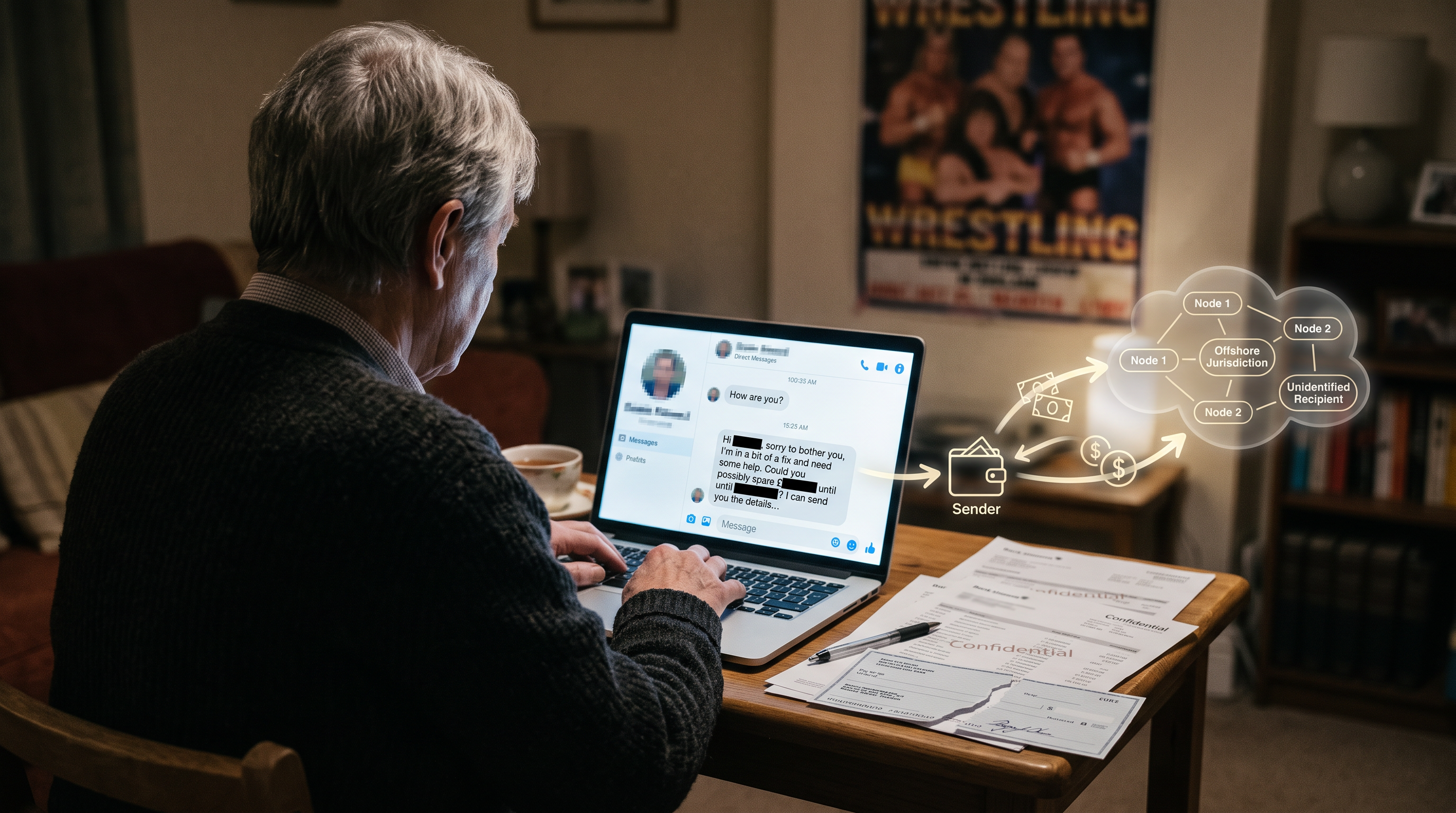
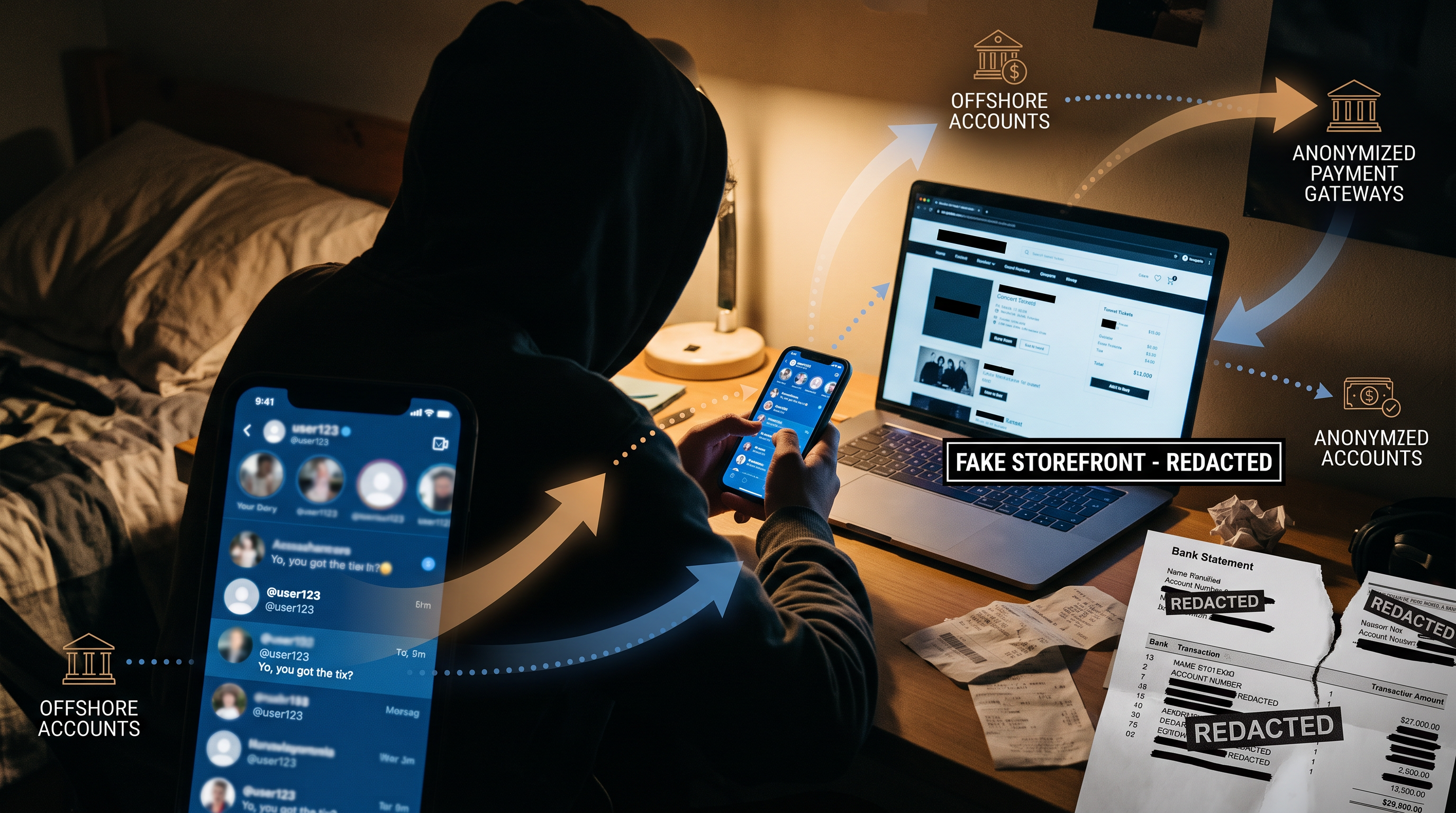
Imagine landing at an airport only to be handcuffed by law enforcement for a crime you had absolutely nothing to do with. That is exactly what happened to Tyler Mikorski, the luxury watch influencer known online as Vookum, in early March 2026. Scammers had cloned his identity on Facebook Marketplace, sold a non-existent watch, and left him holding the bag for a grand larceny complaint in Florida. Three days in custody, a dismissed case, and a very public scandal later, this story has become a wake-up call for every creator, seller, and online buyer in the country.
Who Is Tyler Mikorski and What Happened During His Wrongful Arrest?
Tyler Mikorski built his brand, Vookum, around luxury watch content. He is the kind of influencer who has spent years cultivating trust with a niche but passionate audience. That trust is exactly what made him a prime target for impersonators. According to Times of India, Mikorski was detained at an airport after authorities linked a fraudulent Facebook Marketplace listing to a grand larceny complaint in Florida.
The listing advertised a luxury watch that never existed. Buyers paid, received nothing, and reported the seller. Investigators traced the transaction records back to Mikorski’s identity because the scammers had done a convincing job of impersonating him online. He spent three days in custody before his team was able to prove the listings and payment trails were the work of someone else entirely.
The case was dismissed, but the damage to his reputation was already done. His story went viral, not just as a shocking headline, but as a defining example of how impersonation scams have evolved into something far more dangerous than most people realize.
How the Impersonation Scam Actually Worked
This was not a simple catfishing operation. The scammers behind the Tyler Mikorski impersonation used a layered set of tactics designed to be convincing to both buyers and, critically, investigators.
Cloned Profiles and Fake Marketplace Listings
The fraudsters built a Facebook Marketplace profile that mirrored Mikorski’s real identity. They used his photos, his name, and his established credibility in the watch community to make the listing look legitimate. Buyers searching for luxury watches would have had no obvious reason to question whether the seller was real. This is a classic clone scam, and it works precisely because the impersonator borrows the real person’s trust rather than building their own.
Hijacked Transaction Records and Off-Platform Payments
One of the most alarming elements of this case is how the payment trail was constructed. Scammers in these operations typically push buyers off-platform to complete transactions through Zelle, Venmo, Cash App, or wire transfers. These payment rails offer little to no buyer protection and make it significantly harder for investigators to trace funds to the actual fraudster. In the Mikorski case, those transaction records initially pointed authorities in the wrong direction entirely.
Rapid Account Relaunches
Even after being reported, these impersonation accounts frequently relaunch under slightly modified names or profiles. By the time a platform removes one account, the scammer has already moved on to the next. This creates an ongoing threat cycle for creators like Mikorski who cannot monitor every corner of the internet for fake versions of themselves.
Why This Case Matters Beyond Tyler Mikorski
The Tyler Mikorski wrongful arrest is not an isolated incident. It represents a shift in how impersonation scams operate. In the past, these schemes primarily hurt consumers who lost money. Now, they create a second category of victim: the creator or individual being impersonated.
Think about what Mikorski faced. He lost three days of his freedom. His name was attached to a criminal complaint. His reputation took a public hit before a single fact was confirmed. For a brand built entirely on personal trust and credibility in a high-value niche market, that kind of exposure could be devastating. According to the viral breakdown of the case on YouTube, the speed at which the story spread online made it nearly impossible to get ahead of the narrative before damage had already occurred.
Platforms like Facebook Marketplace have long faced criticism for inadequate identity verification on seller accounts. This case puts that failure front and center. When scammers can convincingly impersonate a real, well-known individual and complete fraudulent transactions before anyone catches on, the platform has a responsibility problem it can no longer ignore.
What Creators and Consumers Can Do Right Now
Whether you are a content creator with a public profile or a buyer shopping for high-value items online, this case has direct lessons for you. Here is what you need to do.
For Consumers Buying Online
- Always verify the seller’s identity through multiple channels before sending money. Check their social media directly, not through links provided in the listing.
- Never complete a transaction off-platform. If a seller insists on Zelle, Venmo, or wire transfer, treat it as a red flag.
- Screenshot every listing, every message, and every transaction receipt before you buy. If something goes wrong, this documentation is your evidence.
- Report suspicious listings to the platform immediately, even if you are not sure yet. Early reporting can protect the next buyer.
For Creators and Influencers
- Set up Google Alerts for your name and brand handle so you are notified when new content mentioning you appears online.
- Regularly search your name on major marketplaces including Facebook, eBay, and Craigslist to check for fake seller accounts.
- Document your own legitimate transaction history and keep records of all real sales, so you can quickly disprove false claims if you are ever wrongly accused.
- If you discover an impersonation account, report it to the platform and file a report with your local police immediately. Request account logs from the marketplace as part of the investigation.
- Consult a lawyer who specializes in internet fraud and defamation. Having legal counsel on standby can save critical time if a situation escalates to the level Tyler Mikorski faced.
Platform Accountability and What Needs to Change
The Tyler Mikorski case has sparked a broader conversation about what marketplaces owe their users in terms of identity protection. Right now, creating a seller account on most platforms requires almost no verification. That gap is exactly what scammers exploit. Stronger identity checks, faster impersonation reporting responses, and clearer escalation paths for wrongful criminal accusations tied to platform activity are all reforms that advocates are now pushing for publicly.
Until those changes happen, the burden falls on creators and consumers to protect themselves. The tools exist. The awareness now exists too, largely because of what happened to Tyler Mikorski.
Conclusion
Tyler Mikorski’s wrongful arrest is one of the most striking examples yet of how far-reaching impersonation scams have become. Criminals did not just steal money from buyers. They stole a real person’s identity, weaponized it against investigators, and nearly destroyed a legitimate creator’s reputation and freedom. The case was dismissed, but the lesson it leaves behind is permanent.
If you are a creator, start auditing your online presence today. If you are a buyer, slow down and verify before you send a single dollar. And if you have ever been the victim of an impersonation scam, report it now. Awareness and action are the only tools that change outcomes like this one. Share this article with someone who needs to see it.
Frequently Asked Questions
Who is Tyler Mikorski and why was he arrested?
Tyler Mikorski, known online as Vookum, is a luxury watch influencer who was wrongfully arrested in early March 2026. Scammers had impersonated him on Facebook Marketplace, listing a fake luxury watch for sale and collecting payments from buyers. Investigators traced the fraudulent activity back to his identity, leading to his detention. The case was dismissed after three days when his team proved he had been impersonated.
What is an impersonation scam and how does it work?
An impersonation scam occurs when a fraudster clones a real person’s identity, usually using their name, photos, and public credibility, to deceive buyers or contacts. In marketplace scams, the impersonator lists items for sale that do not exist, collects payment through off-platform channels with no buyer protection, and disappears. The real person whose identity was stolen is often left to deal with the fallout.
How can I tell if a Facebook Marketplace seller is fake?
Check the seller’s profile creation date and activity history. Search for their name independently outside the platform to find their real accounts. Be suspicious of any seller who insists on payment through Zelle, wire transfer, or other off-platform methods. Look for inconsistencies in profile photos, listing details, and communication style. When in doubt, do not send money.
What should I do if someone is impersonating me online?
Report the fake account to the platform immediately and document everything with screenshots. File a police report and provide all available evidence. Request account and transaction logs from the marketplace for your records. Notify your audience on your real channels so they know about the impersonation. Consult a lawyer experienced in internet fraud to understand your legal options.
Can a wrongful arrest from an impersonation scam be expunged or dismissed?
Yes. As the Tyler Mikorski case demonstrates, when sufficient evidence is presented showing that the accused was the victim of identity impersonation rather than the perpetrator, charges can be dismissed. Working quickly with a legal team to gather digital evidence, transaction records, and platform account data is critical to building a successful defense in these situations.