Imagine receiving a private message from your favorite Hallmark actor, telling you he noticed you, that you are special, and that he wants you to join his exclusive fan club. For one woman named Deirdre Gonzalez, that dream turned into a $15,000 nightmare, and it was never Tyler Hynes at all. A devastating romance scam targeting fans of the beloved Hallmark star has gone viral after investigators Coffeezilla and Kitboga released a jaw-dropping exposé that is changing the way people think about celebrity impersonation online.
The Tyler Hynes Imposter Romance Scam: What Actually Happened
The scam began the way most romance scams do: a friendly, flattering message arriving out of nowhere. Someone posing as Tyler Hynes, the popular Hallmark Channel actor known for his charming roles in movies like It Was Always You and Christmas at Castle Hart, reached out to fans through social media direct messages. The fake account looked credible, used Tyler’s photos, and spoke in a warm, personal tone designed to make the target feel uniquely seen.
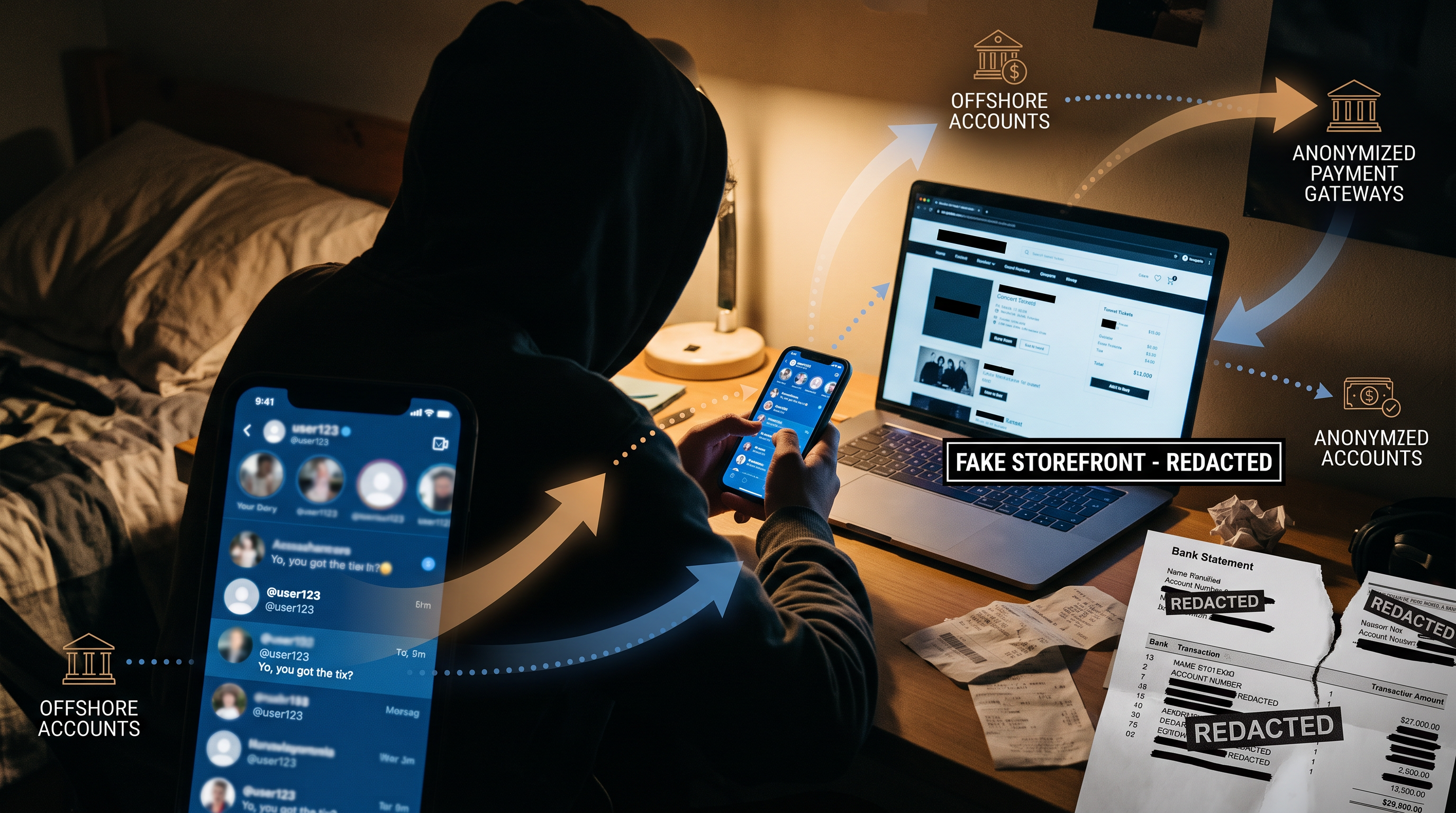
What made this scam especially convincing was the use of a fake Hallmark management account to add a layer of legitimacy. The imposter did not just pretend to be Tyler himself. He created an entire fictional support structure around the lie, making the story feel airtight. Over months of careful grooming, the scammer built emotional trust before asking for anything at all.
How AI Voicemails Made the Deception Even More Convincing
This is where the scam took a deeply unsettling turn. The perpetrator used AI-generated voicemails that mimicked Tyler Hynes’ voice to escalate the deception. When a victim hears what sounds like the actual voice of someone they admire, their defenses drop fast. This is exactly what AI voice synthesis technology allows scammers to do, and it is becoming one of the most dangerous tools in the modern scammer’s arsenal.
According to reporting from Entertainment Now, the investigation by Coffeezilla and Kitboga reconstructed months of private DMs and identified the likely operator behind the scheme. The emotional manipulation was methodical and calculated, designed to wear down the victim’s skepticism one message at a time.
The Victim: Deirdre Gonzalez Lost $15,000
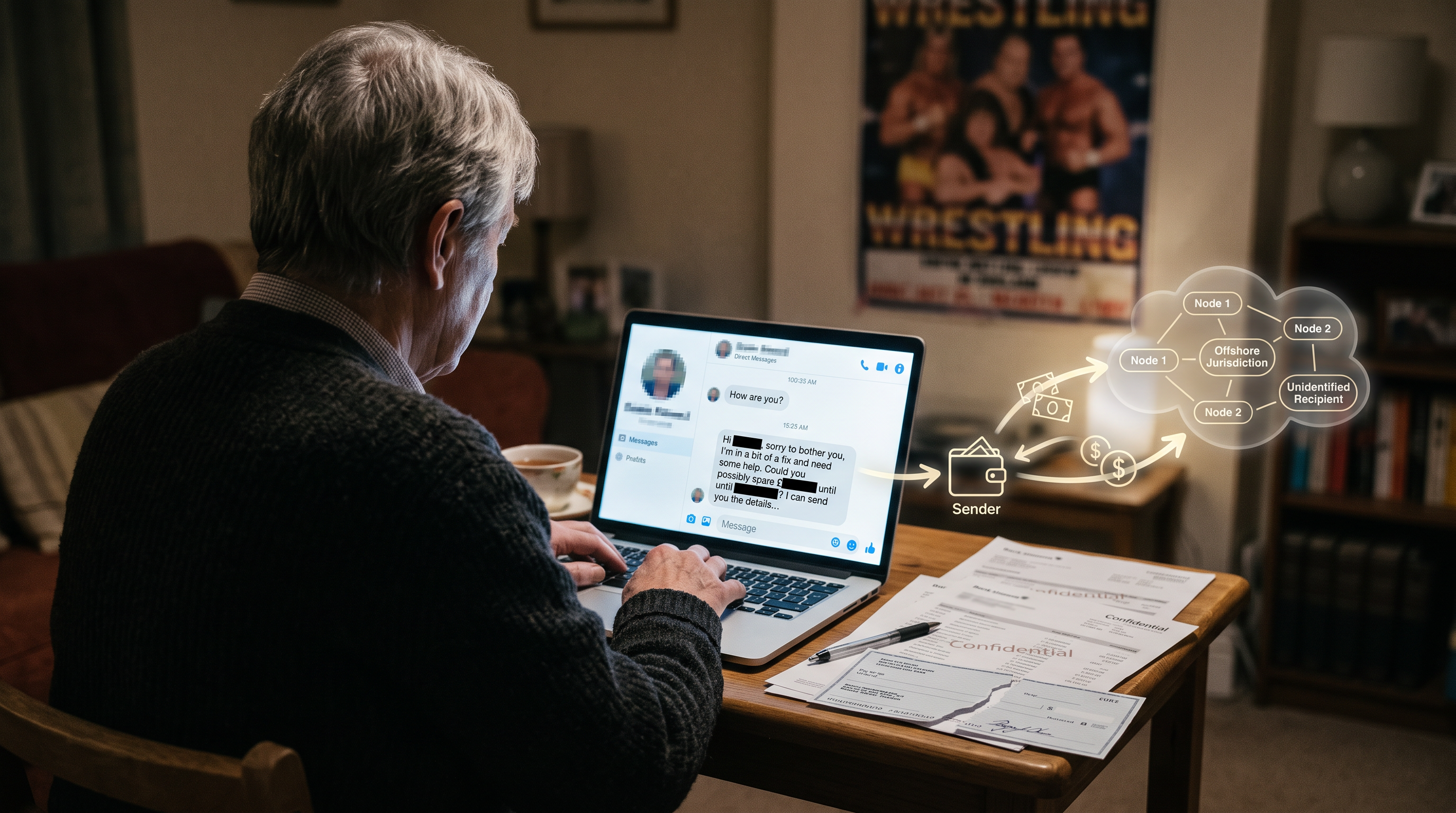
Deirdre Gonzalez is reported as one victim who lost approximately $15,000 after months of being groomed by this imposter. The scammer convinced her to pay for exclusive access to a nonexistent private fan club, framing each payment as a necessary step to get closer to the celebrity she admired. This is a textbook example of what experts call “fee escalation,” where small payments grow into larger ones as trust deepens.
The financial loss is devastating on its own. But the emotional toll is equally serious. Victims of romance scams often feel profound shame, embarrassment, and grief because they were not just losing money. They believed they were losing a relationship. That psychological damage can take years to heal.
Social Engineering Red Flags You Cannot Afford to Ignore
Looking back at the Tyler Hynes imposter romance scam, several warning signs stand out clearly. These are the same signals that appear in celebrity impersonation scams targeting fans of everyone from Hallmark stars to Hollywood A-listers. As Scamicide has reported, AI-driven celebrity impersonation scams are surging, and fans need to stay sharp.
- Unsolicited DMs from celebrity accounts: Real celebrities do not cold message fans asking for personal interaction or payments.
- A fake management or agency account: Scammers create secondary accounts to vouch for the fake celebrity profile, building false credibility.
- Urgent payment requests: Asking for fees to join a fan club, cover travel costs, or unlock exclusive content is a massive red flag.
- Requests for personal ID or financial information: No legitimate celebrity interaction ever requires your ID or bank details.
- AI-generated voice messages: Receiving a voice note that sounds like a celebrity does not confirm their identity. Voice cloning is cheap and accessible to scammers today.
How Coffeezilla and Kitboga Exposed the Scam
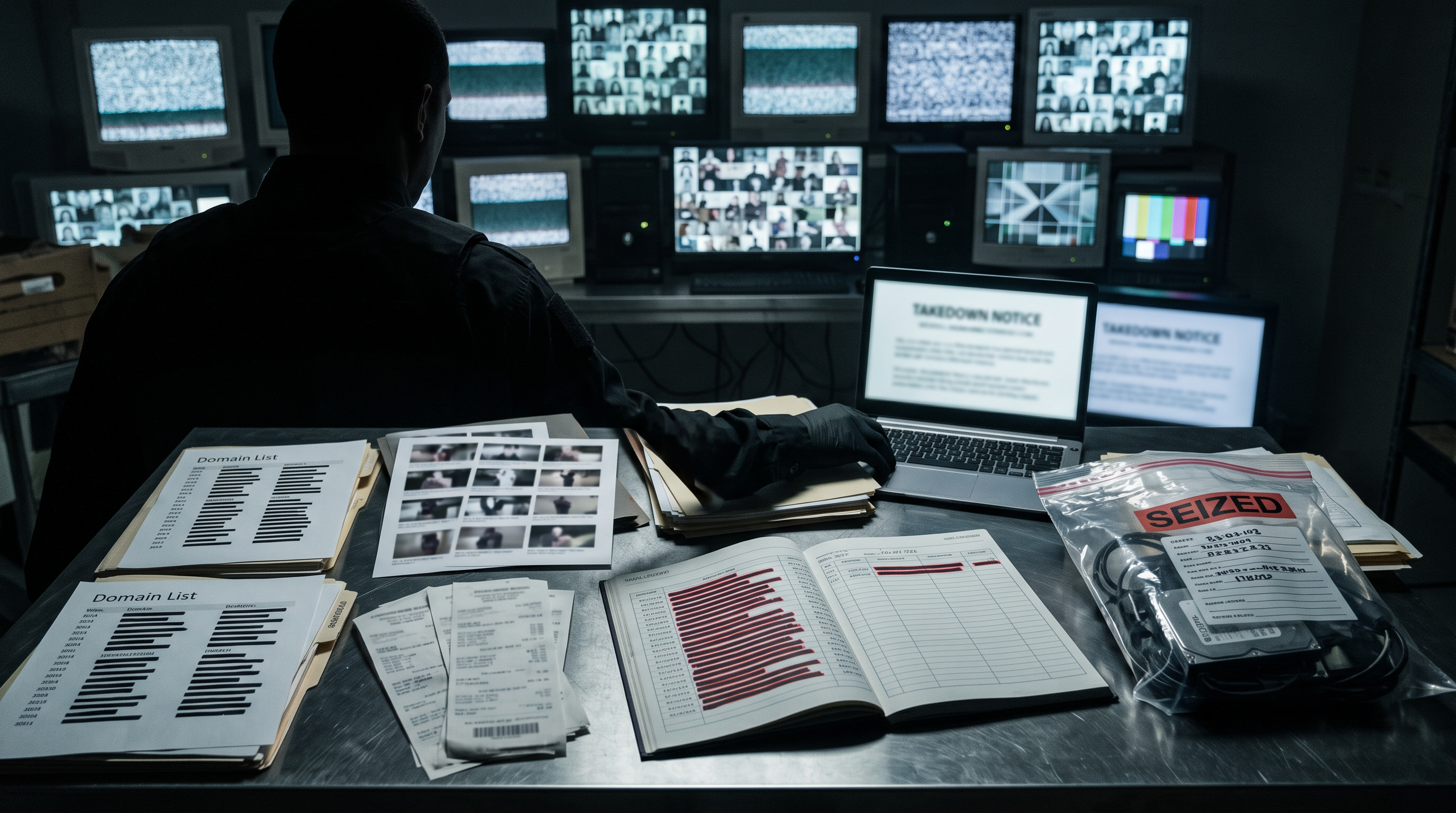
The viral investigation that blew this case open was the work of two of the internet’s most respected fraud investigators. Coffeezilla and Kitboga spent significant time reconstructing the timeline of events, reviewing private message logs, analyzing the fake accounts, and ultimately identifying the likely person behind the operation. Their video has reached a massive audience and prompted Tyler Hynes himself to publicly warn fans about the scam.
This kind of investigative work matters because platform moderation alone is not enough. By the time a fake account gets reported and removed, real people have already been hurt. Public awareness campaigns like this viral exposé fill a critical gap that social media platforms continue to struggle with.
What Tyler Hynes Said Publicly
After the investigation went viral, Tyler Hynes took to his official channels to warn fans directly. His message was clear: he does not have a private fan club that requires payment to join, and he does not reach out to fans through unsolicited DMs asking for money. His public response was an important step, but it also highlights how powerless celebrities can feel when their identity is weaponized against the very people who support them.
How to Protect Yourself From Celebrity Impersonation Romance Scams
The Tyler Hynes romance scam is not a one-off incident. It is part of a much larger wave of AI-powered celebrity impersonation fraud that is targeting fans across every platform. Here is what you need to do to keep yourself safe.
- Never pay money from an unsolicited DM: If someone claiming to be a celebrity asks you for any form of payment, stop all contact immediately.
- Reverse image search every profile: Scammers steal real photos. A quick reverse image search can reveal if the pictures are lifted from someone else’s public presence.
- Request a live, dated video through verified channels: If someone claims to be a celebrity, ask them to post a video on their verified account holding a sign with today’s date. They will never do it.
- Screenshot and report every imposter account: Document everything and report the account to the platform immediately. Your report could protect someone else.
- Contact your bank and authorities if you have already sent money: If you have been victimized, call your bank right away to attempt a reversal and file a report with the FTC at reportfraud.ftc.gov.
Why This Scam Worked and What It Means for All of Us
The reason the Tyler Hynes imposter romance scam was so effective comes down to three things: emotional vulnerability, technological deception, and platform gaps. Fans who deeply admire a celebrity carry a pre-built emotional connection that scammers can exploit without doing much relationship-building work from scratch. When you add AI voice synthesis and a fake management account to the mix, the lie becomes layered and difficult to detect.
Social media platforms bear real responsibility here too. Verified badges are supposed to signal authenticity, but scammers work around them by using accounts that look professional enough to fool people who are not thinking critically in the moment. Until platforms invest more heavily in proactive impersonation detection, fans will remain vulnerable.
Frequently Asked Questions About the Tyler Hynes Romance Scam
Who was targeted in the Tyler Hynes imposter romance scam?
One of the reported victims was Deirdre Gonzalez, who lost approximately $15,000 after months of being groomed by someone impersonating Hallmark actor Tyler Hynes through social media direct messages and AI-generated voicemails.
How did the scammer convince victims the account was real?
The scammer used a combination of stolen photos, a fake Hallmark management account to add legitimacy, AI-generated voicemails mimicking Tyler Hynes’ voice, and months of slow emotional grooming before requesting any payments.
What role did AI play in the Tyler Hynes impersonation scam?
AI voice synthesis technology was used to create voicemails that sounded like Tyler Hynes speaking directly to the victim. This made the deception far more convincing than a text message alone and is a growing tactic in celebrity impersonation fraud.
What should I do if I think I am being targeted by a celebrity impersonation scam?
Stop all communication immediately, do not send any money, screenshot the messages and report the account to the platform, and if you have already sent money, contact your bank and file a complaint with the FTC at reportfraud.ftc.gov.
Are celebrity romance scams becoming more common?
Yes. AI tools have made it dramatically easier for scammers to clone voices, create convincing fake profiles, and impersonate celebrities at scale. Fans of Hallmark actors, Hollywood stars, and public figures of all kinds are increasingly being targeted across every major social media platform.
Romance scams built on celebrity impersonation are not slowing down. They are getting more sophisticated by the month, and the emotional and financial damage they cause is very real. The best defense is awareness, skepticism, and knowing that no legitimate celebrity will ever ask you for money through a private message. Share this article with someone you care about because the next target could be anyone who follows a favorite actor online.