Imagine getting a direct message from what looks and sounds exactly like Taylor Swift, offering you a VIP meet-and-greet or a chance to double your money. It feels real, it looks real, and that is exactly what scammers are counting on. Taylor Swift impersonation scams are exploding across social media, and the financial damage runs into the billions.
The Surge in Taylor Swift and Celebrity Impersonation Scams
A major wave of celebrity impersonation fraud has taken over social platforms in 2025, with Taylor Swift at the center of the storm. News segments from WLWT and urgent alerts from consumer regulators have drawn national attention to just how sophisticated these schemes have become. Fraudsters are no longer relying on sloppy fake profiles with obvious red flags. They are deploying cutting-edge artificial intelligence to clone voices, fabricate video clips, and build verified-looking accounts that fool even tech-savvy fans.
According to the Federal Trade Commission, impostor scams collectively caused nearly $3 billion in reported losses in 2024 alone. Private monitoring firms estimate that celebrity-specific scams account for a massive slice of that figure, with losses reaching into the multibillions over the past year. When you combine the enormous trust fans place in celebrities like Taylor Swift with the accessibility of AI tools, you get a fraud ecosystem that is cheap to run, hard to shut down, and devastatingly effective.
How Taylor Swift AI Scams Actually Work
Understanding the mechanics of these scams is your first line of defense. These are not random, poorly written phishing emails. They are coordinated, multi-step operations that are built to exploit emotional connection.
Step One: The Fake Account or Deepfake Clip
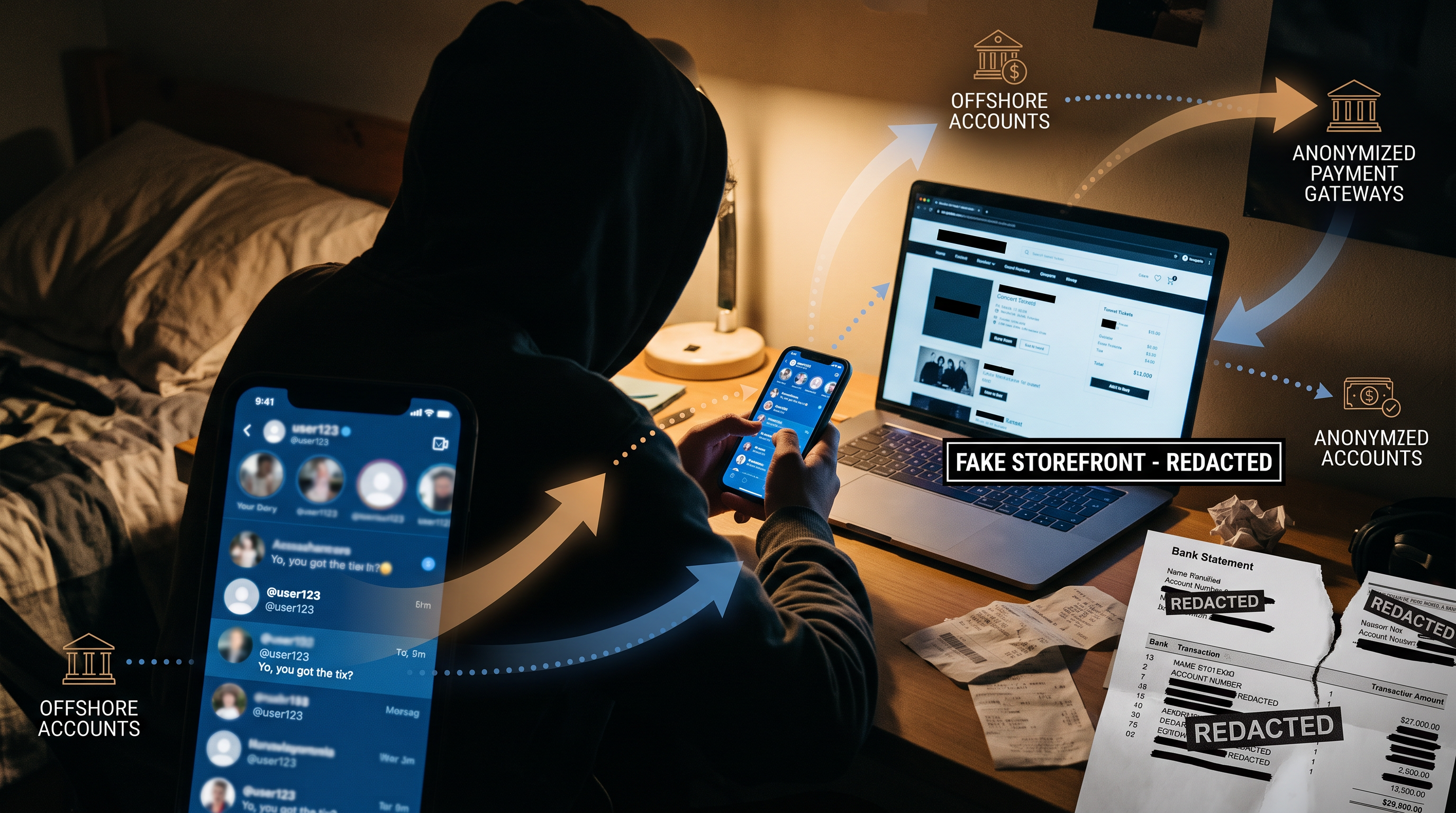
Scammers start by creating fake celebrity accounts that mirror the real thing. Verified-looking checkmarks, stolen profile photos, and copied bio text all work together to build a convincing facade. In more advanced cases, they produce deepfake video clips or use AI voice cloning technology that requires only a few seconds of real audio to generate a convincing imitation. A short video of Taylor Swift announcing a giveaway, for example, can be fabricated in hours.
Step Two: Paid Amplification and Viral Reach
Once the fake content exists, scammers do not just post and hope for the best. They pay for social media ads and flood comment sections with bot accounts to push the fake content to thousands of fans rapidly. This paid amplification makes the scam look credible and organic. When you see a post with thousands of comments and shares, your brain reads it as legitimate. That is the trap.
Step Three: Moving You to a Private Channel
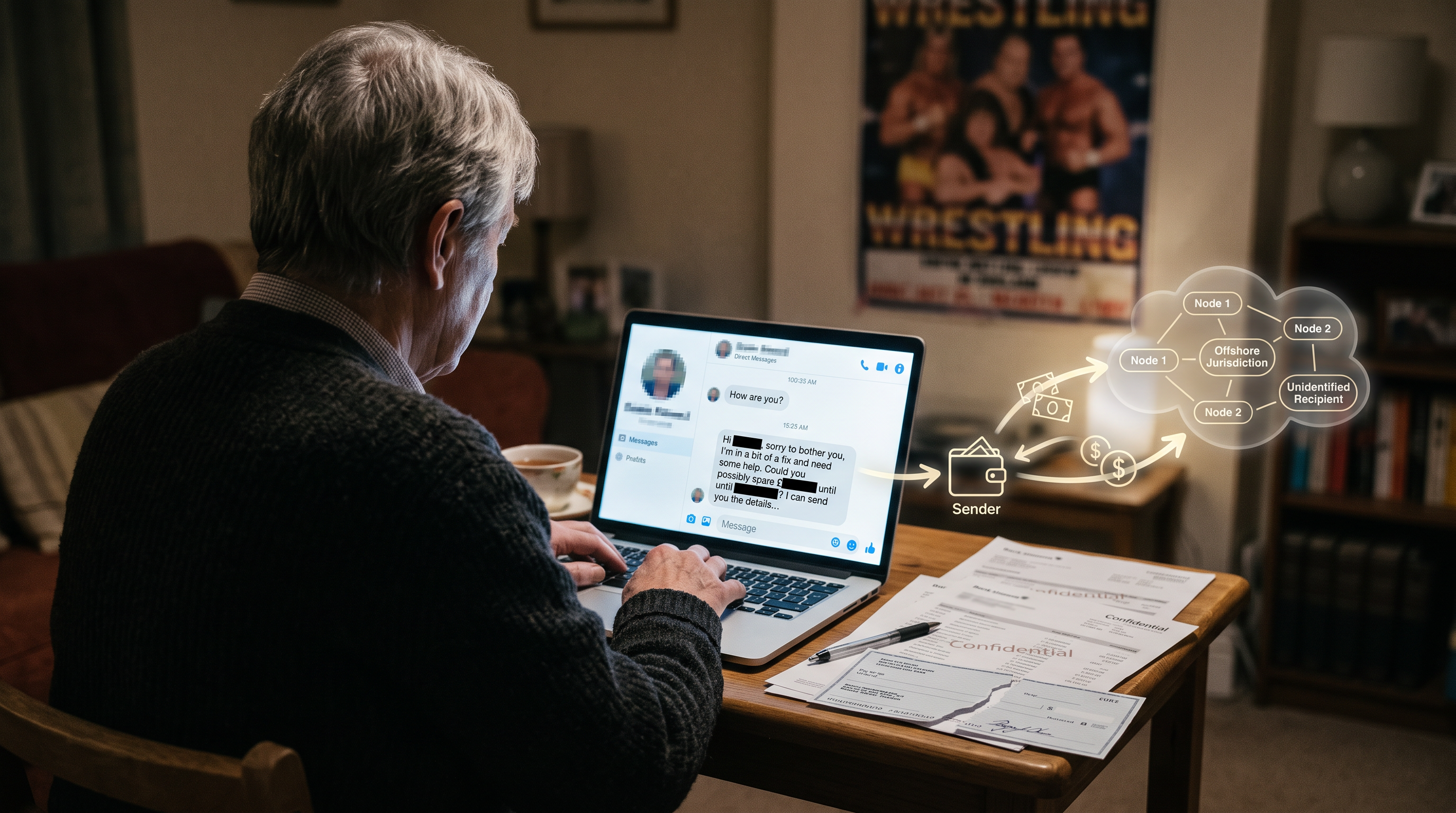
After the initial hook, victims are directed to private chats or phishing landing pages. This is where the real damage happens. Once off the public platform, scammers solicit money through gift cards, wire transfers, or cryptocurrency. Common lures include:
- Fake celebrity giveaways requiring a small fee to claim a prize
- Bogus meet-and-greet ticket sales
- Romance-based approaches that build emotional dependency over weeks
- Sham investment endorsements promoting fake crypto platforms
According to AARP’s research on celebrity impostor fraud, romance-based celebrity scams are especially devastating because victims often feel too embarrassed to report them, allowing the fraud to continue longer and cause deeper financial harm.
Why AI Has Made Celebrity Scams So Dangerous in 2025
The real game-changer here is artificial intelligence, and it is worth pausing to appreciate just how much the threat landscape has shifted. Voice cloning software can now produce a convincing replica of any celebrity’s voice using seconds of publicly available audio from interviews, concerts, or social media clips. Video deepfake tools have become accessible to anyone with a laptop and a modest budget. The barrier to entry for running a high-quality celebrity impersonation scam has essentially collapsed.
What this means in practice is that scammers can launch, get taken down, and relaunch in a completely new form within hours. Enforcement has largely focused on consumer alerts and platform takedowns rather than major criminal prosecutions, which means the deterrent effect is limited. Celebrity trust is a powerful psychological lever, and AI has given criminals the ability to pull that lever at massive scale.
How to Spot a Taylor Swift Impersonation Scam
Spotting these scams requires a shift in mindset. You need to approach unsolicited celebrity contact with healthy skepticism, no matter how convincing it looks. Here are the warning signs to watch for:
- Unsolicited direct messages: Real celebrities and their teams do not slide into your DMs offering prizes or investments.
- Requests for gift cards, wire transfers, or crypto: Legitimate organizations never ask for payment in these forms.
- Urgency and time pressure: Phrases like “limited time” or “claim your prize in the next hour” are classic manipulation tactics.
- Slight username variations: Look closely at handles. A fake account might use an underscore or extra letter that is easy to miss at a glance.
- Off-platform requests: Any message pushing you to WhatsApp, Telegram, or a personal website is a major red flag.
Scamwatch, Australia’s national consumer fraud agency, has also flagged a sharp rise in fake celebrity investment scams using AI-generated endorsements, noting that these schemes often target fans who are already emotionally invested in the celebrity’s brand.
What To Do If You Have Been Targeted
If you think you have been approached by or fallen victim to a Taylor Swift impersonation scam or any celebrity fraud scheme, act fast. Speed matters enormously in limiting financial damage.
- Do not send any additional money. Stop all communication immediately.
- Preserve all evidence. Take screenshots and save any messages, including metadata if possible.
- Contact your bank or crypto exchange right away. Many institutions can flag or reverse transactions if you act quickly enough.
- Report the fake account to the platform using the built-in reporting tools.
- File a report with the FTC at ReportFraud.ftc.gov or contact your local cybercrime reporting portal.
There is no shame in being targeted by these scams. These operations are run by organized criminal networks that invest real money and technology into making their fraud believable. Being deceived by a sophisticated AI deepfake is not a reflection of your intelligence.
The Bigger Picture: Platform Accountability and the Road Ahead
The surge in Taylor Swift impersonation scams raises serious questions about platform responsibility. Social media companies are profiting from the paid ads that scammers use to amplify fake celebrity content. Calls are growing louder for mandatory AI-generated content watermarking, faster takedown protocols, and stricter verification standards for accounts impersonating public figures. Until those guardrails are in place, the burden of protection falls largely on consumers.
Stay informed, stay skeptical, and share this information with the fans and family members in your life who might be most vulnerable to celebrity fraud.
Frequently Asked Questions About Celebrity Impersonation Scams
Are Taylor Swift impersonation scams actually widespread or just isolated incidents?
They are extremely widespread. Regulator alerts from the FTC, AARP, and Scamwatch all confirm a significant spike in celebrity impersonation fraud in 2024 and 2025. Taylor Swift is one of the most targeted celebrities due to her massive, emotionally engaged fan base, but the problem extends to many A-list stars across entertainment and sports.
How can I tell if a video or voice message from a celebrity is an AI deepfake?
Look for unnatural blinking patterns, lip-sync delays, odd lighting around the face, and audio that sounds slightly mechanical or over-smooth. AI voice clones often lack the natural hesitations and breath patterns of real speech. When in doubt, verify through the celebrity’s official verified accounts before engaging with any content.
What should I do if I already sent money to a celebrity scam?
Contact your bank or payment provider immediately and explain you were the victim of fraud. File a report with the FTC at ReportFraud.ftc.gov. If you sent cryptocurrency, contact the exchange platform. While recovery is not always possible, acting within the first 24 to 48 hours gives you the best chance of limiting your losses.
Can social media platforms be held responsible for hosting these scams?
This is an active legal and policy debate. Currently, platforms have limited liability under existing law, but regulators and lawmakers in the US and EU are pushing for stronger accountability requirements, particularly around paid advertisements that promote scam content. Advocacy groups are calling for mandatory AI content labeling and faster fraud takedown timelines.
Why do scammers use gift cards and cryptocurrency instead of bank transfers?
Gift cards and cryptocurrency transactions are extremely difficult to reverse and offer scammers near-anonymity. Unlike bank wire transfers, there is no central institution that can flag or freeze a crypto wallet easily. This makes these payment methods the preferred tool of fraud operations worldwide, which is exactly why any request for payment in these forms should be treated as an immediate warning sign.