Imagine receiving a direct message from what looks like Taylor Swift’s verified account, offering you front-row tickets to her next tour in exchange for a small processing fee. Thousands of fans have fallen for exactly this trap, and the scams are getting frighteningly convincing. Taylor Swift impersonation scams are surging right now, and if you or someone you love is a Swiftie, you need to read every word of this article.
Why Taylor Swift Impersonation Scams Are Exploding Right Now
Taylor Swift has one of the largest and most passionate fanbases on the planet. That reach is precisely what makes her name so valuable to scammers. When fraudsters clone her profile and send a DM, fans want to believe it is real because the emotional pull is so strong.
According to a Spikerz report covered by Morningstar, Hollywood loses an estimated $600 million every single year to social media attacks, with celebrities increasingly targeted by deepfake scams, account hacks, and impersonation. Taylor Swift sits at the very top of that target list.
Cybersecurity briefings and viral reporting have confirmed a sharp spike in fraudulent profiles and paid ads that use her name and likeness. AI tools have dropped the cost of creating believable fakes to almost zero, and that changes everything about how these scams operate and scale.
How the Taylor Swift Fake Profile Scam Actually Works
Understanding the mechanics of these scams is the first step to not becoming a victim. Scammers follow a predictable playbook, and once you see it, you cannot unsee it.
Step 1: Cloned Profiles and Ad Amplification
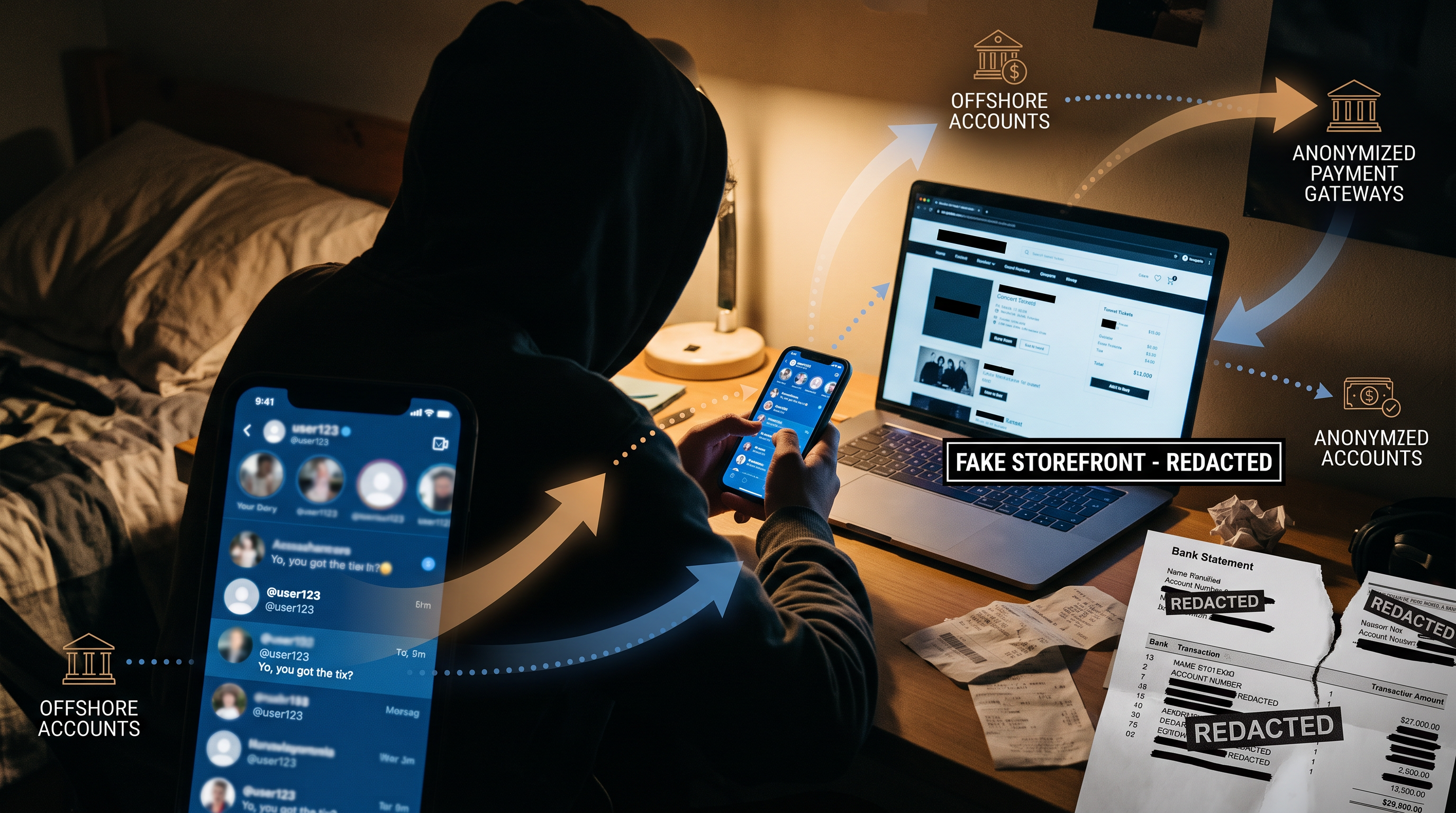
Fraudsters create profiles that look almost identical to Taylor Swift’s real accounts. They copy her profile photo, bio, and posting style, then repost genuine content from her actual feed to build credibility. Some even run paid social media ads to push these fake profiles directly into the feeds of her followers.
These ads use a technique called ad cloaking, which lets scammers show platform moderators a harmless version of the ad while targeted users see the fraudulent content. This helps the campaigns evade detection and stay live longer, maximizing the number of fans they reach.
Step 2: The DM and the Offer
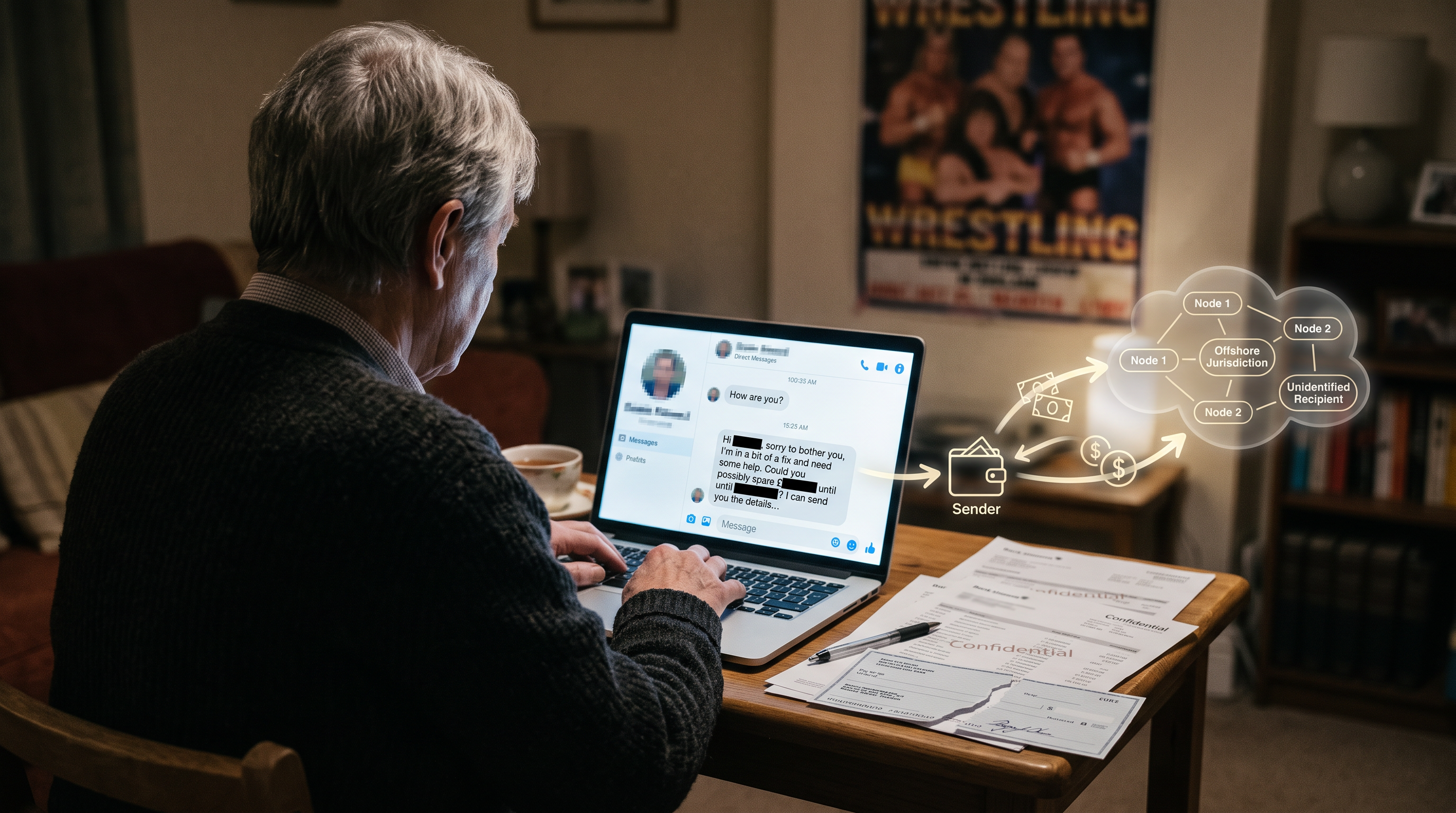
Once a fake profile gains enough followers or engagement, the operation moves to private channels. Victims receive direct messages or are pushed toward private messaging apps, where the conversation is hidden from public view and platform moderation.
The pitch usually falls into one of several categories:
- Fake concert or VIP ticket offers at a steep discount
- Exclusive private meetup or backstage pass promotions
- Charity donation requests supposedly tied to Taylor Swift’s causes
- Fake endorsement deals or merchandise giveaways that require a shipping fee
Every single one of these pitches ends the same way: a request for money through an untraceable method.
Step 3: Deepfake Audio and Video to Seal the Deal
This is where the scam enters truly dangerous territory. Some operations now use AI-generated video or voice clips that sound and look like Taylor Swift to make the approach feel undeniably real. A fan hears what sounds like Taylor’s voice on a voice note or sees a short video clip, and their skepticism collapses.
Consumer advocates at TurnTo10 have documented how AI-powered deepfakes are making celebrity imposter scams far more convincing and far harder to detect than they were even two years ago. The technology is improving faster than most people realize.
Step 4: Off-Platform Payment Rails With No Recovery
The final step is the payment request, and scammers are deliberate about which payment methods they push. Gift cards, cryptocurrency transfers, and offshore wire transfers are the preferred options because they are extremely difficult or outright impossible to reverse once sent.
If you send a gift card number or a crypto transfer to a scammer, your money is almost certainly gone. Banks cannot recall crypto transactions, and gift cards offer no buyer protection whatsoever.
The Real Cost: Who Gets Hurt Beyond the Fans
The damage does not stop with the individual victim. Taylor Swift herself suffers reputational harm every time a fraudster exploits her name. Fans who are scammed often feel betrayed and embarrassed, and some never report the crime out of shame.
The AARP’s list of biggest scams to watch for in 2026 flags celebrity impersonation as one of the most financially devastating categories for consumers across all age groups. Younger fans, who tend to be more active on social platforms, are particularly vulnerable to these sophisticated social engineering attacks.
On a macro level, every successful Taylor Swift fake profile scam makes the entire digital ecosystem a little less trustworthy. It erodes confidence in verified accounts, legitimate fan communities, and even real charity drives run by celebrities.
How to Spot a Taylor Swift Impersonation Scam Before It Costs You
Scammers are good at what they do, but they are not perfect. Here are the red flags to look for every single time.
- The account slid into your DMs unsolicited. Real celebrities and their teams do not cold-message fans with offers.
- The offer feels too good to be true. Discounted tickets from a celebrity’s personal account, private meetups, or exclusive deals offered via DM are not how the industry operates.
- They are pushing gift cards, crypto, or wire transfers. No legitimate transaction for tickets or merchandise uses these methods.
- There is a sense of urgency or a tight deadline. Pressure tactics are a classic manipulation tool designed to stop you from thinking clearly.
- The profile is new or has inconsistent engagement. A cloned account often has a recent creation date or a follower-to-engagement ratio that does not match a real celebrity’s profile.
Exactly What to Do If You Suspect a Taylor Swift Impersonation Scam
If something feels off, trust that instinct. Here is your action plan.
- Never send gift cards or cryptocurrency. This is the number one rule. Once that money moves, it is gone.
- Verify through official channels only. Check Taylor Swift’s actual verified accounts or her official website for any promotions or announcements. If it is not there, it is not real.
- Request a live, dated video. A real person or their team can produce a verifiable live clip. A deepfake operation cannot do this on demand without exposing themselves.
- Preserve all screenshots and metadata. Before blocking or reporting, capture everything. Screenshots, message threads, and links are valuable evidence for investigators.
- Contact your bank immediately if you have already made a payment. Some wire transfers can be recalled within a narrow window, so speed matters.
- Report to the platform and a national fraud agency. In the US, report to the FTC at ReportFraud.ftc.gov. In the UK, use Action Fraud. Platform reporting helps take down the fake profiles faster.
The Bottom Line: AI Is Raising the Stakes for Every Fan
Taylor Swift impersonation scams are not going away. Artificial intelligence is making every element of these frauds more convincing, more scalable, and more profitable for the criminals running them. The playbook is clear: cloned profiles, AI-generated deepfakes, private channel manipulation, and untraceable payment demands.
Your best defense is awareness. Share this article with every Swiftie you know. The more fans understand how these scams work, the harder it becomes for fraudsters to pull them off. Stay skeptical, stay safe, and always verify before you act.
Frequently Asked Questions About Taylor Swift Impersonation Scams
How do I know if a Taylor Swift social media account is real?
Always look for the official verified checkmark and cross-reference the account with links listed on Taylor Swift’s official website. Real celebrity accounts never initiate direct messages offering tickets, meetups, or financial opportunities to individual fans.
What should I do if I already sent money to a Taylor Swift scam account?
Contact your bank or financial institution immediately to report the fraud and ask about reversal options. Report the incident to your national fraud agency, such as the FTC in the US, and file a report with the social media platform where the scam occurred. Preserve all communication records before doing anything else.
Are deepfake videos used in Taylor Swift impersonation scams?
Yes. Some scam operations use AI-generated audio or video that mimics Taylor Swift’s voice and appearance to make their fraud more believable. If you receive an unsolicited video or voice message, treat it with extreme skepticism and verify through official channels before taking any action.
Why do scammers specifically target Taylor Swift fans?
Taylor Swift has one of the largest and most dedicated fanbases in the world, which gives scammers an enormous pool of potential victims. The emotional connection fans feel makes them more likely to trust an account that appears to represent her, and the high demand for tickets and fan experiences creates easy bait for fraudulent offers.
What payment methods do Taylor Swift impersonation scammers ask for?
Scammers almost always request gift cards, cryptocurrency, or offshore wire transfers because these methods are very difficult or impossible to reverse. Any request for these payment types is an immediate red flag, regardless of how convincing the account appears to be.