Imagine scrolling through your social media feed and seeing Taylor Swift personally inviting you to claim a cash prize or exclusive giveaway. It looks real. It sounds real. But it is a carefully engineered lie, and thousands of fans are falling for it right now.
Security researchers and cybercrime reporters are raising urgent alarms about a surge in AI-powered ad campaigns using deepfaked video and audio of Taylor Swift to push fraudulent earn-or-win schemes. These are not low-budget scams. They are slick, targeted, and spreading fast across major platforms like Facebook, Instagram, TikTok, and YouTube.
Here is everything you need to know about the Taylor Swift deepfake scam ads flooding social media, how the fraud actually works, and the exact steps you can take to protect yourself and the people you care about.
What Are Taylor Swift Deepfake Scam Ads?
A deepfake is a synthetic media file, typically video or audio, generated using artificial intelligence to make a real person appear to say or do something they never did. Scammers are now using these tools to clone Taylor Swift’s face, voice, and mannerisms inside short social media ad clips.
According to CybersecAsia, the democratization of generative AI tools means attackers no longer need technical expertise or large budgets to produce convincing celebrity fakes. A polished synthetic video can now be created in minutes using cheap or even free online tools, making these scams highly scalable and extremely difficult to contain.
The ads typically follow a predictable formula. A synthetic clip of Swift appears to endorse an exclusive giveaway, a cashback app, or a crypto investment platform. Viewers are then directed to a phishing landing page where they are prompted to enter personal information, approve a cryptocurrency wallet transaction, send gift card codes, or download a fraudulent app.
Why Taylor Swift Is the Perfect Target
Taylor Swift has one of the largest and most devoted fan bases on the planet. Her global reach means that even a fraction of a percent of people who see a fake ad can translate into thousands of victims. Scammers understand that a believable endorsement from Swift carries enormous social proof, lowering the psychological defenses of fans who trust her brand.
Cybersecurity experts point out that the emotional connection fans feel with celebrities like Swift makes them especially vulnerable. When someone you admire appears to personally invite you into an opportunity, the natural human response is excitement, not skepticism.
How the Taylor Swift Deepfake Fraud Scheme Actually Works
Understanding the mechanics of these scams is the first step to avoiding them. Here is how a typical Taylor Swift deepfake ad campaign operates from start to finish.
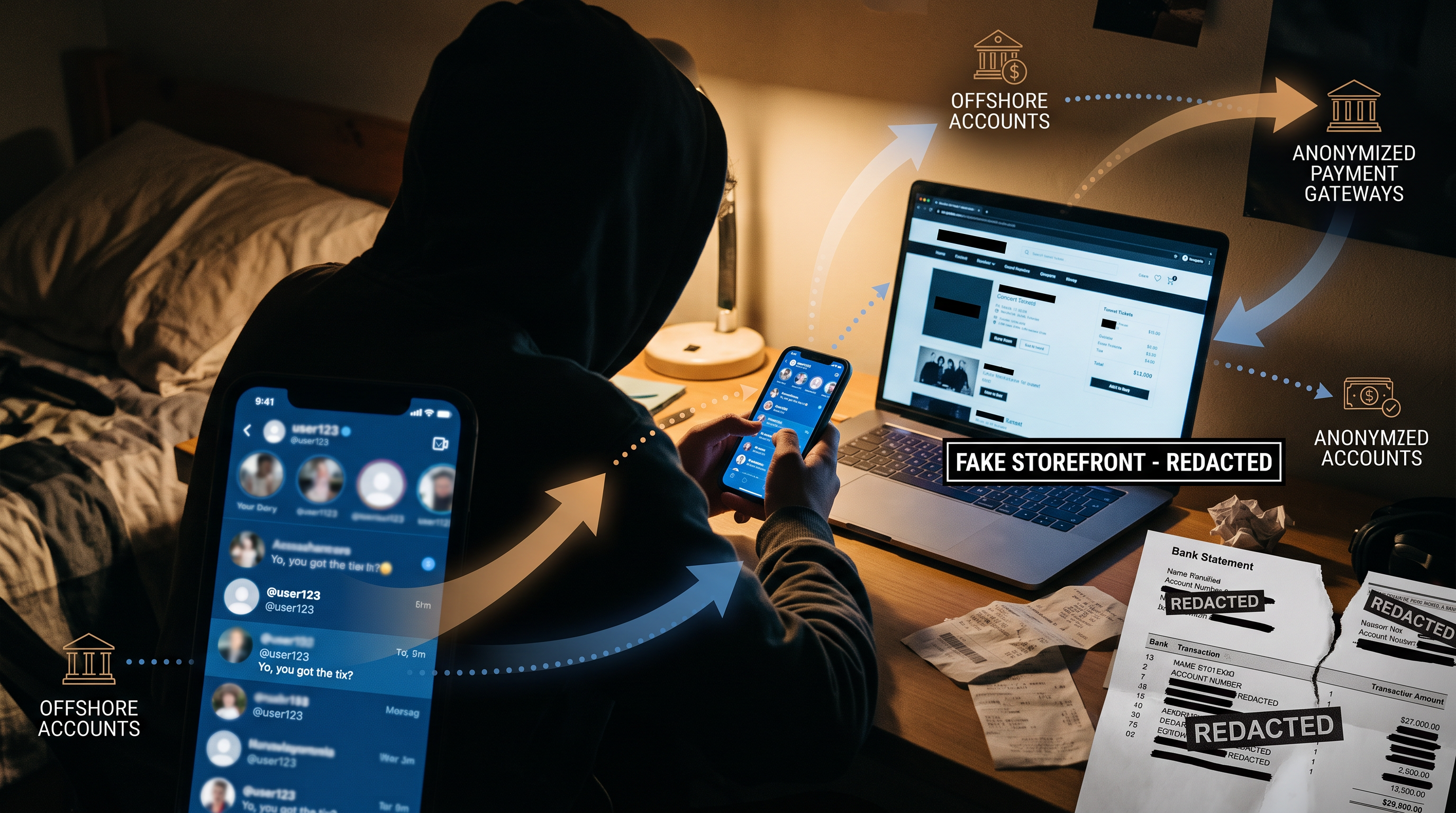
- Ad creation: Attackers use generative AI tools to produce a short synthetic video or audio clip featuring Swift’s likeness and voice, often spliced with real footage to make the fake harder to detect.
- Paid amplification: The fake ad is promoted through paid social media placements, allowing it to reach millions of users outside the scammer’s own following.
- Ad cloaking: Sophisticated scammers use cloaking techniques to show platform reviewers a harmless version of the ad while showing victims the fraudulent content, helping the ad pass automated safety checks.
- Landing page redirect: Victims who click are sent to a phishing page designed to look like an official contest entry form, app download, or investment portal.
- Payment collection: The page requests a gift card code, cryptocurrency transfer, or wallet approval, at which point the money is gone and unrecoverable.
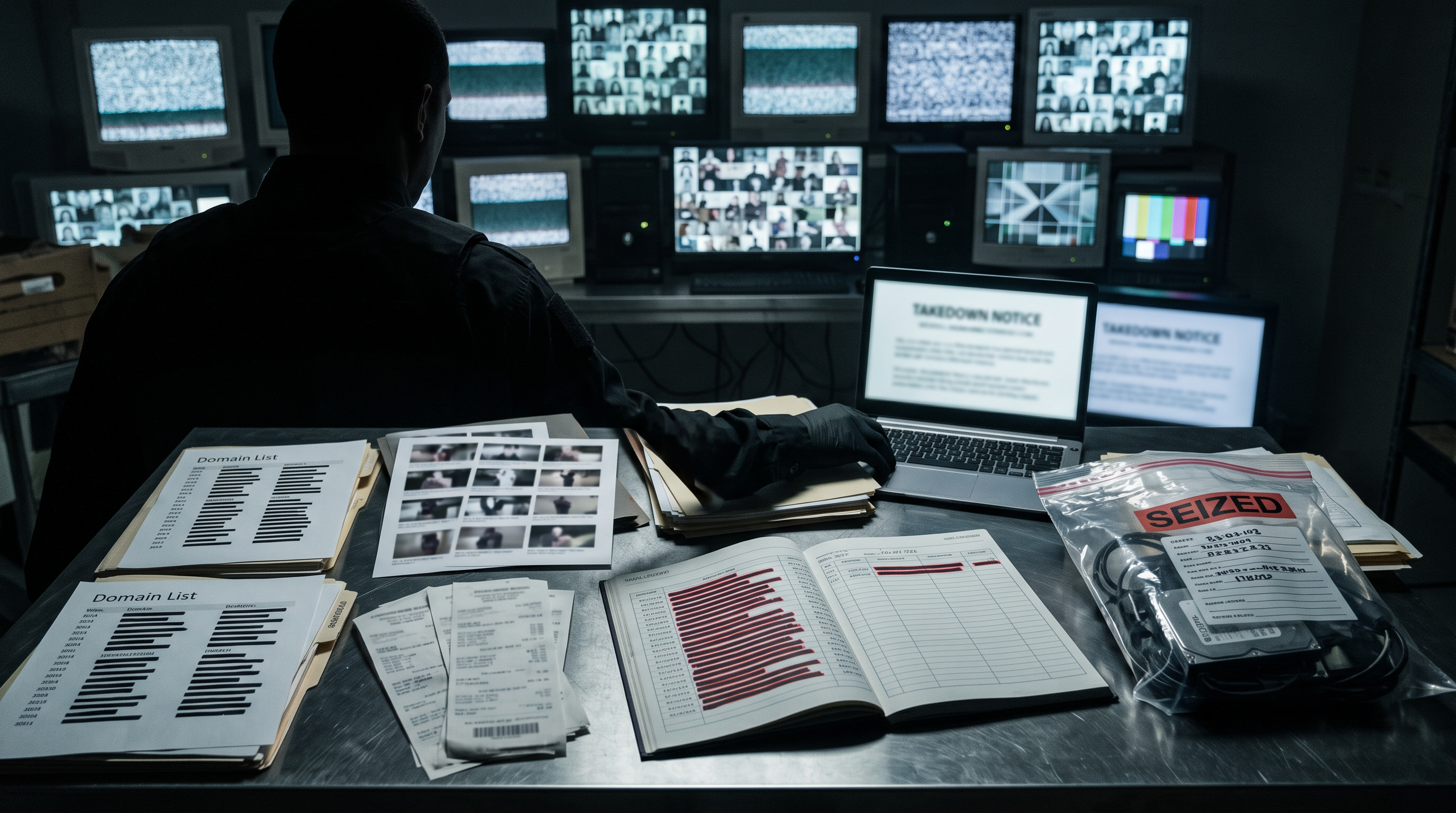
- Account recreation: When platforms remove the ad or the account running it, scammers simply create new accounts and restart the cycle within hours.
As reported by Euronews, deepfake scams are now reaching record levels globally, with social media platforms struggling to keep pace with the volume and sophistication of new attacks. The content moderation gap between when a fraudulent ad goes live and when it is taken down is the window scammers exploit to collect victims and money.
The Role of Cryptocurrency and Gift Cards
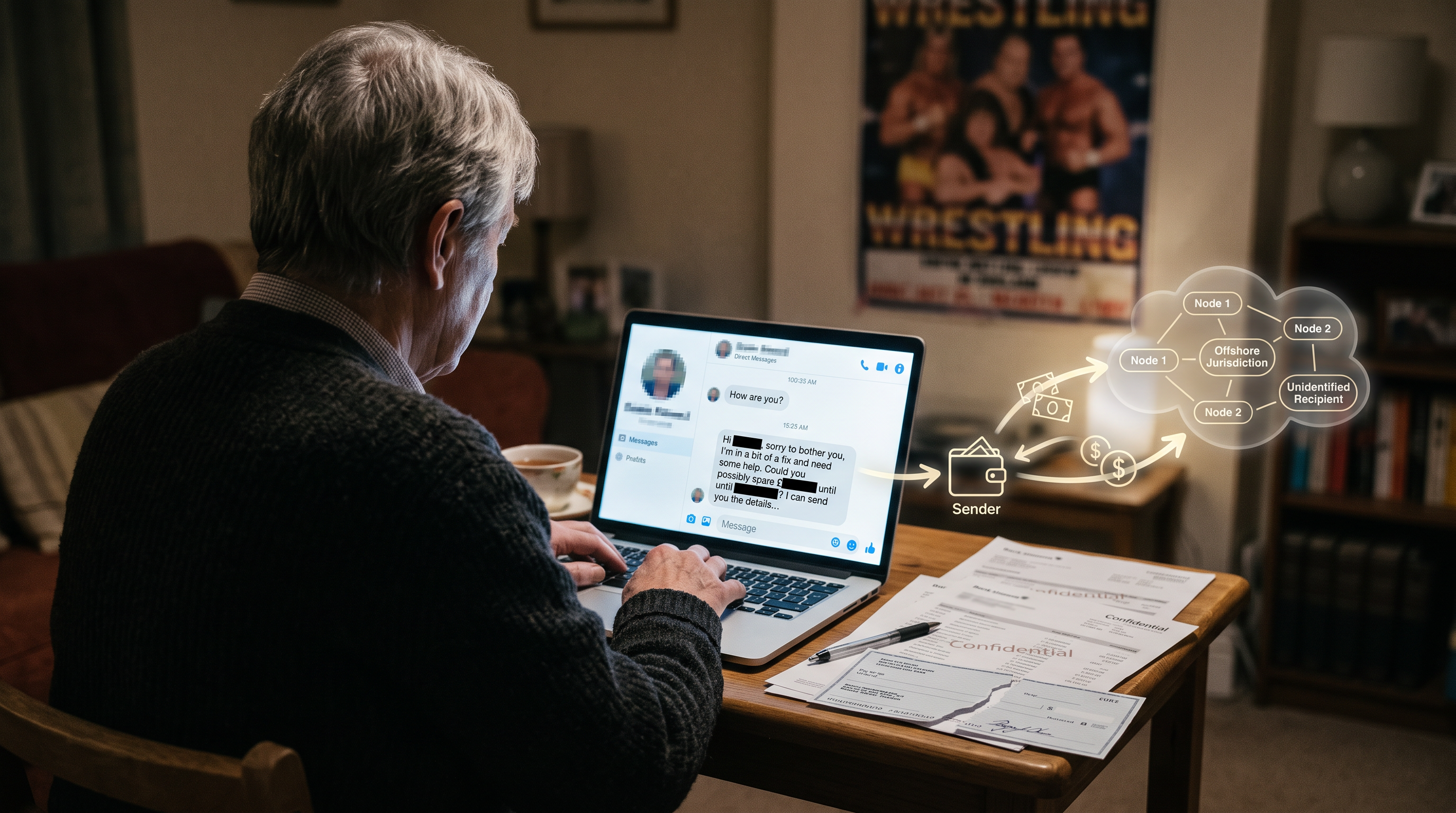
Scammers specifically demand cryptocurrency transfers and gift card codes because both payment methods are nearly impossible to reverse once sent. Unlike a credit card dispute or a bank wire recall, crypto transactions are final and anonymous. Gift card redemption codes are equally untraceable. This is not accidental. It is a deliberate design choice built into every part of the fraud.
How to Spot a Taylor Swift Deepfake Ad
The scary truth is that modern deepfakes are good. Really good. But they are not perfect. Here are the key red flags to watch for when you encounter any celebrity-endorsed offer online.
- Unnatural facial movement: Look closely at the mouth, eyes, and hairline. Deepfakes often show subtle blurring, flickering edges, or misaligned lip sync especially under changing lighting conditions.
- Audio inconsistencies: Cloned voices sometimes carry a flat or slightly robotic quality. The cadence of speech may feel slightly off compared to real interviews or performances.
- No verified source: Legitimate giveaways from Taylor Swift would be announced through her official verified social accounts, her team’s press releases, or verified news coverage. If you cannot find the offer anywhere else, it does not exist.
- Urgency and exclusivity pressure: Phrases like “claim your prize in the next 10 minutes” or “only 50 spots remaining” are manipulation tactics designed to stop you from thinking critically.
- Requests for gift cards or crypto: No legitimate celebrity, company, or contest will ever ask you to pay fees using gift card codes or cryptocurrency. Full stop.
What the FTC Says About Impersonator Scams
The Federal Trade Commission has issued clear guidance on celebrity impersonator scams. According to the FTC’s consumer protection resources, impersonator scams are among the most reported fraud types in the United States, and they consistently rank among the highest in total consumer financial losses. The FTC urges consumers to independently verify any offer through official channels before taking any action, and to never send money or personal information based on an unsolicited online contact.
What to Do If You Encounter a Deepfake Scam Ad
If you spot what looks like a Taylor Swift deepfake ad, do not engage with it and do not share it. Here is the action checklist security experts recommend.
- Do not click any links in the ad or on the landing page it leads to.
- Do not send gift card codes, cryptocurrency, or any personal financial information.
- Take a screenshot of the ad, preserving the metadata if possible, before reporting it.
- Report the ad directly to the platform using the built-in reporting tools.
- File a complaint with the FTC at reportfraud.ftc.gov.
- Alert friends and family who may have seen the same ad in their feed.
- If you already sent money, contact your bank, the gift card issuer, or your crypto exchange immediately. Recovery is unlikely but not always impossible.
One additional tip from cybersecurity professionals: if someone claiming to be a celebrity ever contacts you directly and you are unsure if it is real, ask for a live video call where they hold up a handwritten note with the current date. A deepfake cannot do that in real time without significant technical infrastructure that almost no scammer has access to.
What Platforms Are Doing About Celebrity Deepfake Scam Ads
Social media platforms are removing deepfake scam content, but detection consistently lags behind creation. The fundamental challenge is volume. Generative AI tools let scammers produce dozens of slightly varied fake ads at once, overwhelming automated moderation systems trained to catch specific patterns. By the time one account is banned, three more are already running the same campaign.
Platforms are investing in AI-based deepfake detection and tightening advertiser verification requirements, but experts agree that technology alone will not solve the problem. Consumer awareness is the most reliable defense right now.
Conclusion: Do Not Let AI Fakes Fool You
Taylor Swift deepfake scam ads are a serious and growing threat. They exploit fan trust, advanced AI technology, and the speed of social media to steal money from real people every single day. The scammers behind these campaigns are sophisticated, well-funded, and relentless.
Your best defense is skepticism and verification. If an offer seems too good to be true, and especially if it asks you to pay with gift cards or crypto, it is a scam. Always verify through official channels. Always report what you see. And share this article with someone who needs to read it before they become the next victim.
Frequently Asked Questions
Are Taylor Swift deepfake scam ads actually using her real voice?
No. Scammers use AI voice cloning tools that analyze real recordings of Taylor Swift and generate synthetic audio designed to mimic her vocal patterns. The cloned voice is not real, but it can sound convincing enough to fool many listeners, especially in short clips with background music or effects layered over it.
How do deepfake ads get past social media platform safety checks?
Scammers use a technique called ad cloaking, which shows platform reviewers a benign version of the ad while serving the fraudulent deepfake version to targeted users. They also rapidly recreate accounts after takedowns, exploiting the lag between detection and removal to keep the campaign running.
What should I do if I already sent money to a Taylor Swift deepfake scam?
Contact your bank immediately if you paid by debit or credit card. If you sent cryptocurrency, contact the exchange platform and file a report with the FTC at reportfraud.ftc.gov. If you sent a gift card code, call the card issuer right away. Recovery is difficult but act quickly because speed increases your chances. Also report the incident to your local law enforcement and the platform where you saw the ad.
Can I tell just by looking at a video if it is a deepfake?
Sometimes, but not always. Look for subtle blurring around the face edges, unnatural blinking patterns, mismatched lip sync, and inconsistent lighting on the face versus the background. However, high-quality deepfakes can be very difficult to spot with the naked eye. When in doubt, verify the offer through Taylor Swift’s official verified social media accounts or her management’s official press channels before believing anything you see in an ad.
Is it illegal to create and run a Taylor Swift deepfake scam ad?
Yes. These campaigns violate multiple laws including wire fraud statutes, computer fraud laws, and consumer protection regulations in the United States and many other countries. Using a real person’s likeness without consent to perpetrate financial fraud carries serious criminal penalties. Several jurisdictions are also passing specific deepfake legislation that adds additional criminal exposure for perpetrators.