Scammers are running paid social media ads featuring AI-generated videos of Taylor Swift to promote fake Le Creuset cookware giveaways, and the campaign is reaching millions of fans across TikTok, Instagram, and Facebook. The ads look convincing enough to fool even cautious viewers, using cloned audio and deepfake footage that mimics the pop star’s voice and likeness. Both Taylor Swift’s representatives and Le Creuset have publicly denied any connection to these promotions, but new ad variants keep reappearing as fast as platforms can remove them.
How the Taylor Swift Deepfake Le Creuset Scam Works
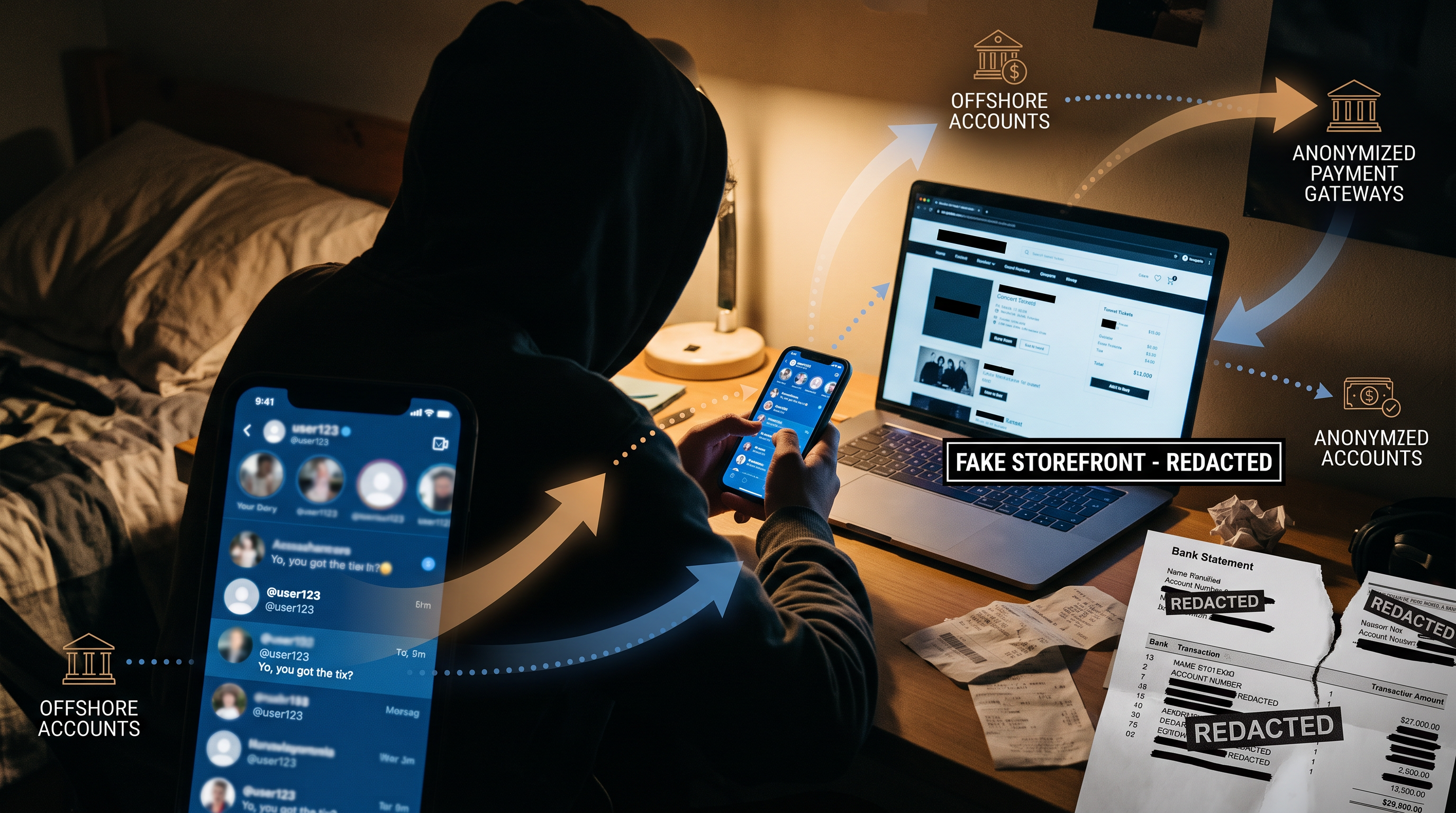
The mechanics behind this scam follow a well-worn playbook that has been turbocharged by generative AI tools. According to CBS News, the fraudulent ads direct users away from legitimate platforms and onto counterfeit storefronts designed to look like official Le Creuset or Taylor Swift merchandise pages.
Once a user lands on one of these pages, they are typically asked to pay a small “shipping and handling” fee, usually between $5 and $10, to claim their supposed free cookware. That small charge is rarely the real cost. The scam operates in several overlapping ways:
- Credit and debit card data entered at checkout is harvested for unauthorized charges or sold on dark web markets.
- Some victims are enrolled in recurring subscription services without clear disclosure, resulting in monthly charges that are difficult to cancel.
- Certain checkout flows push users toward crypto payments or gift card transfers, which are nearly impossible to reverse.
- Personal identity information collected during checkout is stored and used in follow-on fraud schemes.
Security researchers at Bitdefender have flagged the campaigns as part of a broader wave of celebrity impersonation fraud that leverages the accessibility of modern AI video and audio cloning tools. What once required significant technical skill can now be executed in hours with low-cost software.
Why These Deepfake Ads Are So Convincing
The production quality of these AI-generated ads is a key reason so many people fall for them. Deepfake technology has advanced to the point where lip movements, vocal tone, and facial expressions can be replicated with troubling accuracy. Scammers layer in additional trust signals to make the fake promotions appear credible:
- Spoofed press pages that mimic legitimate celebrity news outlets.
- Comment farming, where fake or paid accounts flood comment sections with positive testimonials.
- Verified-looking social media profiles with large follower counts, sometimes achieved through purchased followers or hijacked accounts.
- Boosted and paid promotion placements that give the ads the same visual weight as legitimate brand campaigns.
McAfee researchers noted in their analysis that the combination of a globally recognized celebrity, a trusted premium brand, and the emotional pull of a “free” luxury item creates an unusually effective lure. The scam exploits the genuine enthusiasm of Taylor Swift’s fanbase, known as the Swifties, who are accustomed to seeing the artist partner with major brands.
The Real Brands Are Paying a Price Too
While individual consumers bear the most direct financial harm, Le Creuset and Taylor Swift both suffer measurable brand damage from these campaigns. Counterfeit storefronts borrow brand logos, product imagery, and color schemes, creating confusion about what the companies actually endorse. Le Creuset has issued a public statement making clear it has no affiliation with any social media giveaway promoted through AI-generated celebrity content.
Taylor Swift’s team has also denied involvement in any such promotion. The reputational spillover affects consumer trust in legitimate future campaigns either brand might run, and it places compliance pressure on the social platforms that profit from paid ad placements.
How Social Platforms Are Responding
TikTok, Instagram, and Facebook have each removed waves of the fraudulent ads after reports from users, researchers, and the brands themselves. However, enforcement has struggled to keep pace with the volume. Scammers use multiple ad accounts, rotate creative assets slightly to avoid automated detection, and quickly spin up new storefronts when old ones are taken down.
Platform policy teams rely on a combination of automated detection, user reports, and manual review. The cat-and-mouse dynamic between enforcement and fraud operators is not new, but generative AI has dramatically lowered the barrier to creating convincing new ad variants at scale. Staying informed and using tools like blacklist databases for known scam domains is increasingly important for consumers who want to verify the legitimacy of a site before entering payment information.
How to Protect Yourself from Celebrity Deepfake Giveaway Scams
Consumer protection agencies and security researchers agree on several concrete steps anyone can take to avoid falling victim to this type of fraud.
- Verify on official channels first. Before engaging with any celebrity giveaway, check the artist’s verified website or official social media accounts directly. If it is not announced there, it is not real.
- Never enter card data on offsite links. Legitimate brand promotions do not ask you to enter payment information to receive a free item via a third-party checkout page.
- Use virtual card numbers. Most major banks and card issuers offer single-use or merchant-locked virtual card numbers that limit exposure if a site is fraudulent.
- Monitor your statements immediately. If you have already entered your card details somewhere suspicious, check your statement within 24 to 48 hours and contact your card issuer to dispute unauthorized charges.
- Report the ad directly to the platform. Use the reporting tools built into TikTok, Instagram, and Facebook to flag fraudulent ads. The more reports a campaign receives, the faster it is likely to be removed.
- Report to authorities. File a complaint with the FTC at reportfraud.ftc.gov or the FBI’s Internet Crime Complaint Center at ic3.gov to help law enforcement track and act on these campaigns.
What This Scam Reveals About AI-Powered Fraud
The Taylor Swift deepfake Le Creuset scam is not an isolated event. It represents a structural shift in how fraud is executed online. Generative AI tools have made celebrity impersonation scalable, cheap, and fast, removing the technical gatekeeping that previously limited these attacks to sophisticated criminal groups.
Any public figure with a large enough digital footprint, including existing video interviews, audio recordings, and photographs, can now be cloned with minimal effort. Consumers, brands, and platforms all need updated mental models for what to trust online, because surface-level cues like familiar faces and recognizable voices are no longer reliable signals of authenticity.
Staying skeptical of unsolicited giveaways, especially those promoted through paid social media ads, is one of the most effective defenses available to ordinary consumers right now. When something appears too good to be true, a free luxury dutch oven from a global pop star, it almost certainly is.
Frequently Asked Questions
Is Taylor Swift actually giving away free Le Creuset cookware?
No. Both Taylor Swift’s representatives and Le Creuset have publicly confirmed that they have no connection to any social media giveaway featuring AI-generated or deepfake versions of Taylor Swift. Any ad making this claim is fraudulent.
What happens if I entered my credit card information on one of these fake sites?
Contact your card issuer immediately to report potential fraud and request a new card number. Monitor your statements closely for unauthorized charges and consider placing a fraud alert with the major credit bureaus. You should also file a report with the FTC and your platform of choice.
How can I tell if a celebrity endorsement video is a deepfake?
Look for unnatural blinking patterns, slight mismatches between lip movements and audio, inconsistent lighting on the face versus the background, and awkward head movements. However, high-quality deepfakes are increasingly difficult to detect visually, so always verify endorsements through official channels regardless of how authentic a video appears.
Which social media platforms are most affected by these scam ads?
Security researchers have identified active campaigns on TikTok, Instagram, and Facebook. All three platforms have removed reported ads, but new variants continue to appear. The paid ad ecosystems on these platforms allow scammers to precisely target users by age, interests, and location, making the campaigns especially efficient.
Where should I report a Taylor Swift deepfake cookware scam ad?
Report the ad directly using the platform’s built-in reporting tool. Then file a complaint with the FTC at reportfraud.ftc.gov and, if you suffered financial loss, with the FBI’s Internet Crime Complaint Center at ic3.gov. Notify your bank or card issuer as well if you shared any payment information.