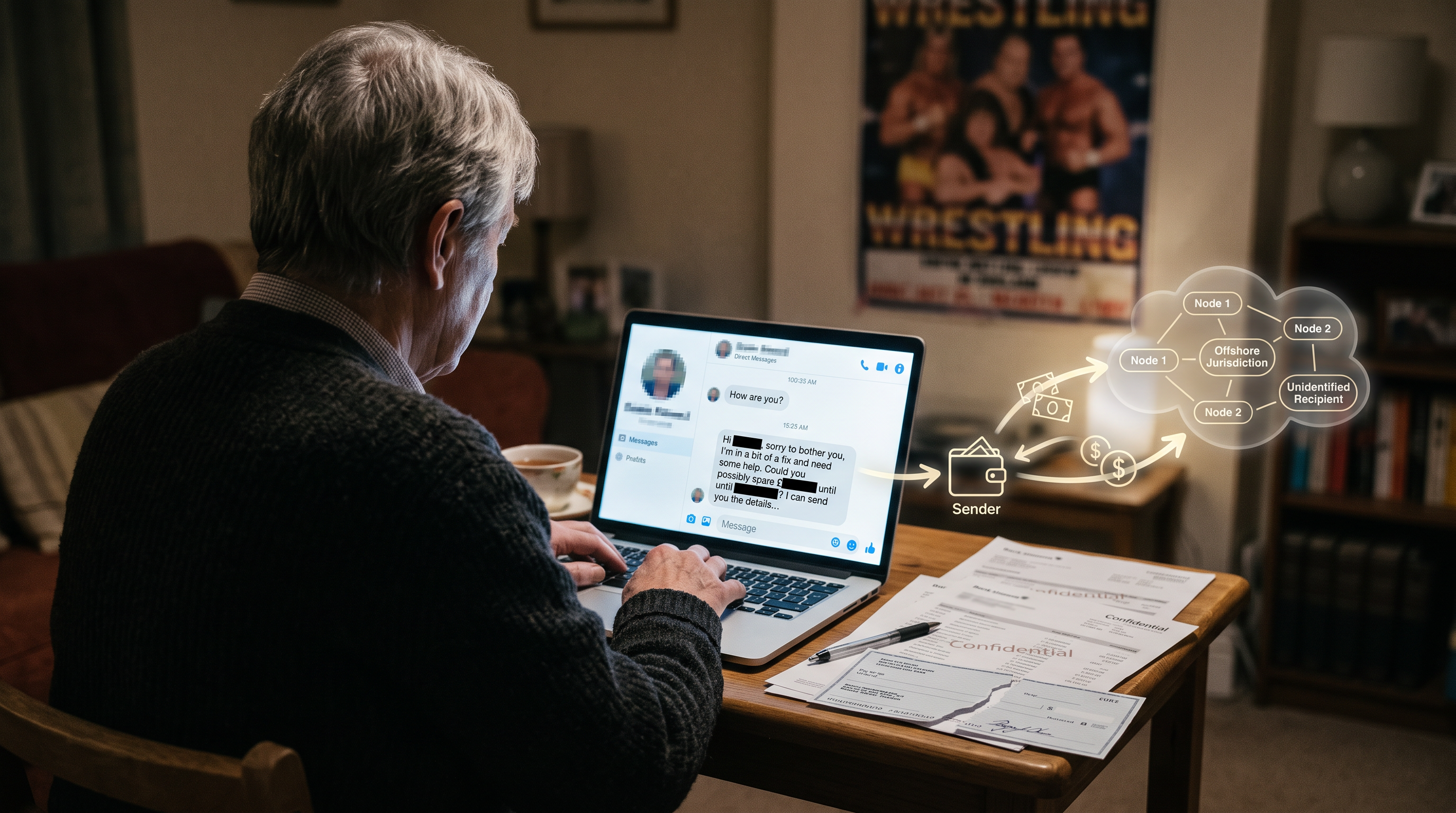
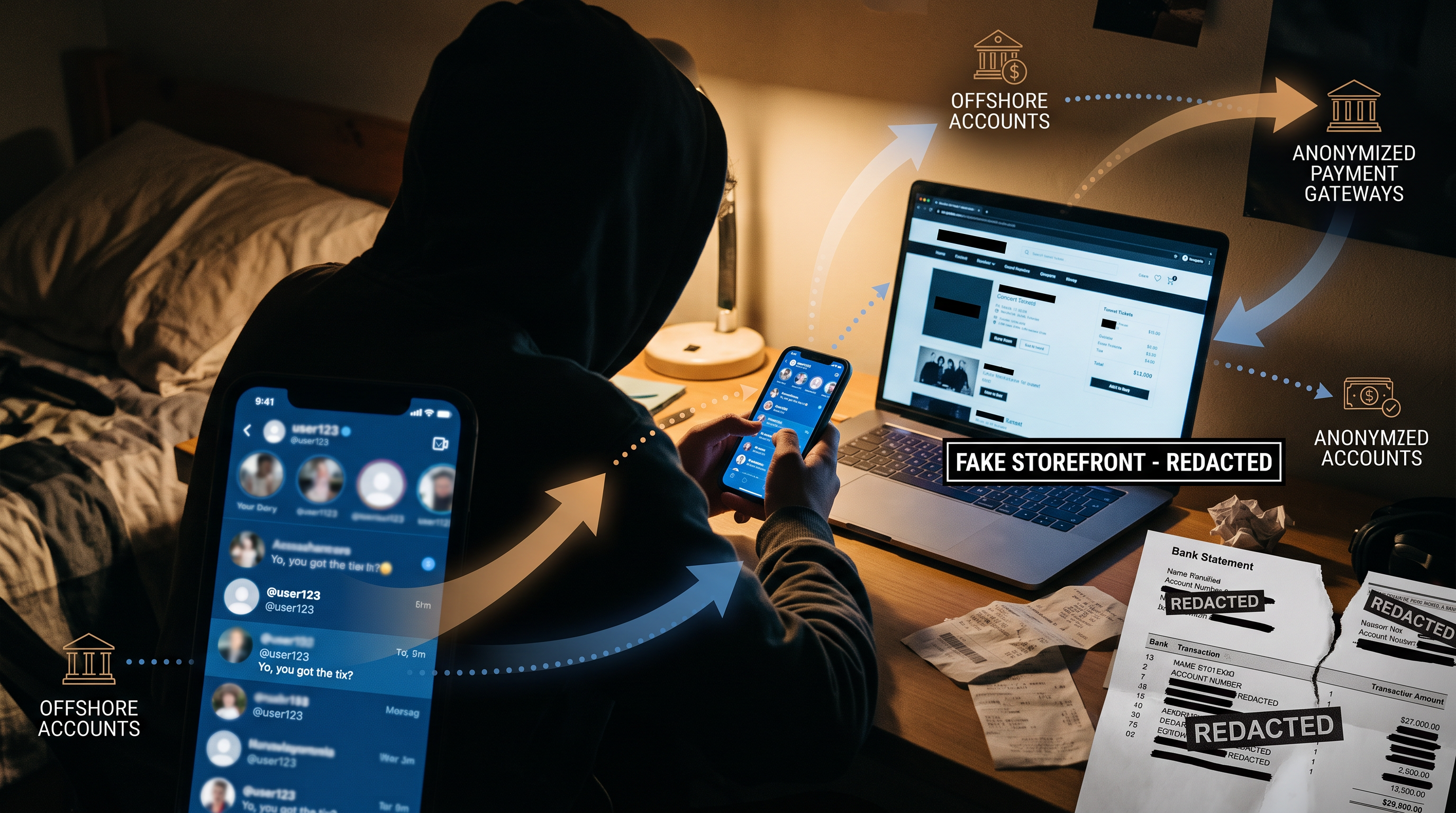
Imagine scrolling through TikTok and seeing Taylor Swift personally invite you to claim a free Le Creuset Dutch oven. The video looks real, her voice sounds exactly right, and thousands of comments are cheering it on. There is just one problem: none of it is real, and clicking that link could cost you far more than a shipping fee.
The Taylor Swift Deepfake Le Creuset Scam Explained
Scammers have been running paid advertisements across TikTok, Facebook, and Instagram featuring hyperrealistic AI-generated videos of Taylor Swift promoting a fake Le Creuset cookware giveaway. These are not blurry, obviously fake clips. They are polished deepfakes that use cloned audio and synthetic imagery so convincing that even attentive viewers can miss the red flags.
According to CBS News, the ads direct users to counterfeit websites designed to look like legitimate giveaway pages. Once there, victims are asked to pay a small shipping fee to claim their cookware. That is the hook. What actually happens is that scammers harvest your card number and personal information, enroll you in hidden subscription traps, and charge your card repeatedly.
Le Creuset has publicly denied any partnership or giveaway promotion. Taylor Swift has made no such offer. The entire campaign is fabricated from start to finish using generative AI tools that are now widely accessible to bad actors.
How the AI Deepfake Cookware Scam Actually Works
This scam follows a precise playbook that cybersecurity professionals are seeing repeated across dozens of celebrity impersonation campaigns. Understanding the mechanics helps you spot it before you get hurt.
Step 1: Generate the Deepfake Content
Attackers use generative AI tools to stitch together existing footage of Taylor Swift with synthetic voice cloning technology. The result is a video where her face, mannerisms, and voice all appear authentic. The audio waveform matches her natural speech patterns closely enough to fool casual listeners. This is no longer a technically difficult process. Off-the-shelf AI tools can produce this content in hours.
Step 2: Build the Fake Giveaway Page
Behind the ad link sits a counterfeit website that mimics the look of a legitimate promotion. These pages often include fake news article layouts, fabricated celebrity quotes, and manufactured urgency like countdown timers or limited stock warnings. They are built to convert skeptical visitors into paying victims.
Step 3: Amplify With Paid Ads and Comment Farming
The scammers then spend real money running paid advertisements on major social platforms. They also use bot networks to flood comment sections with fake enthusiasm, making the giveaway appear credible to anyone who checks the replies. Social proof is a powerful psychological trigger, and these operations exploit it deliberately.
Step 4: Collect Your Data and Disappear
Once you enter your card details for the supposed shipping fee, your information is captured immediately. Many victims never receive any merchandise. Some are enrolled in recurring subscription charges they never agreed to. As McAfee’s cybersecurity team has reported, the data harvested in these schemes exposes victims to identity theft risk far beyond a single fraudulent charge.
Why This Scam Is Spreading So Fast
This is not a niche cybercrime story. It represents a fundamental shift in how scalable impersonation fraud operates in 2025. Three forces are driving its rapid spread.
- Generative AI is accessible: Tools that once required professional video production skills are now available to anyone with a laptop and a credit card. The barrier to creating convincing deepfakes has nearly disappeared.
- Ad platforms move slowly: Social platforms do remove flagged ads, but replacement campaigns appear within hours. The economics favor the scammers because the cost of creating a new ad is trivial compared to the revenue generated from victims.
- Taylor Swift’s cultural reach is enormous: Scammers pick celebrities strategically. Taylor Swift commands one of the most devoted fan bases on the planet. Her name and face carry instant credibility with a massive audience, making her a high-value target for impersonation fraud.
- Shipping fee psychology works: Asking for a small amount like $9.99 for shipping feels reasonable when the supposed reward is a $400 Le Creuset pot. The perceived value gap lowers victims’ defenses significantly.
How to Protect Yourself From Celebrity Deepfake Scams
The good news is that protecting yourself from this type of fraud does not require advanced technical knowledge. It requires awareness and a few simple habits.
- Ignore unsolicited celebrity giveaways: If a celebrity is giving something away, it will be announced on their verified official channels, not through a paid ad leading to a third-party website.
- Verify through official sources: Check Taylor Swift’s official website and verified social accounts. Check Le Creuset’s official site. If the giveaway is real, it will be there. If it is not, you have your answer.
- Never enter card data on offsite links: Legitimate giveaways do not require payment information to claim a prize. A shipping fee request from an unknown site is a textbook scam signal.
- Use virtual card numbers: Many banks and credit card providers offer single-use virtual card numbers for online purchases. Using one limits your exposure even if a site is fraudulent.
- Monitor your statements actively: If you have already entered your information on a suspicious site, check your card statements daily for at least 90 days and dispute any unauthorized charges immediately.
- Report it: Report the ad to the platform where you saw it. Report the fraudulent charge to your card issuer. File a complaint with the FTC at reportfraud.ftc.gov. Your report helps protect others.
What Brands and Platforms Need to Do Next
Le Creuset and Taylor Swift are victims of this fraud too. Their brands and reputations are being weaponized without consent. But the responsibility to act extends to the platforms profiting from ad revenue.
Social media companies need to invest in proactive deepfake detection at the ad review stage, not just reactive takedowns after complaints roll in. Brands need clear rapid-response protocols for publicizing denials quickly when their names appear in scam campaigns. And cybersecurity firms need to continue tracking and exposing these operations so consumers stay informed. The technology enabling these scams is evolving fast, and the defensive ecosystem needs to evolve faster.
Frequently Asked Questions About the Taylor Swift Le Creuset Deepfake Scam
Is Taylor Swift actually giving away free Le Creuset cookware?
No. Taylor Swift is not giving away Le Creuset cookware. Le Creuset has publicly confirmed there is no such promotion. Any ad or video claiming otherwise is a scam using AI-generated deepfake technology to impersonate her without consent.
How can I tell if a celebrity video is a deepfake?
Look for unnatural blinking patterns, slight mismatches between lip movement and audio, inconsistent lighting on the face compared to the background, and stiff or repetitive gestures. However, the most reliable method is to simply verify the claim through the celebrity’s official verified accounts before taking any action.
What should I do if I already entered my card information on one of these sites?
Contact your bank or card issuer immediately and report the transaction as potentially fraudulent. Request a new card number. Monitor your statements closely for recurring charges or unfamiliar transactions. You should also report the incident to the FTC and to the platform where you saw the original ad.
Are these scam ads illegal?
Yes. Using someone’s likeness without consent for commercial fraud is illegal in the United States and most other jurisdictions. It can violate identity theft laws, wire fraud statutes, and right-of-publicity regulations. However, prosecuting operators who run these campaigns from overseas remains a significant challenge for law enforcement.
Why do social media platforms keep showing these scam ads?
Platforms rely heavily on automated systems to review the massive volume of ads submitted daily. Scammers exploit gaps in this automation by rotating creatives, domains, and accounts quickly. While platforms do remove flagged content, the speed at which replacements appear means fraudulent ads often reach thousands of users before being taken down.