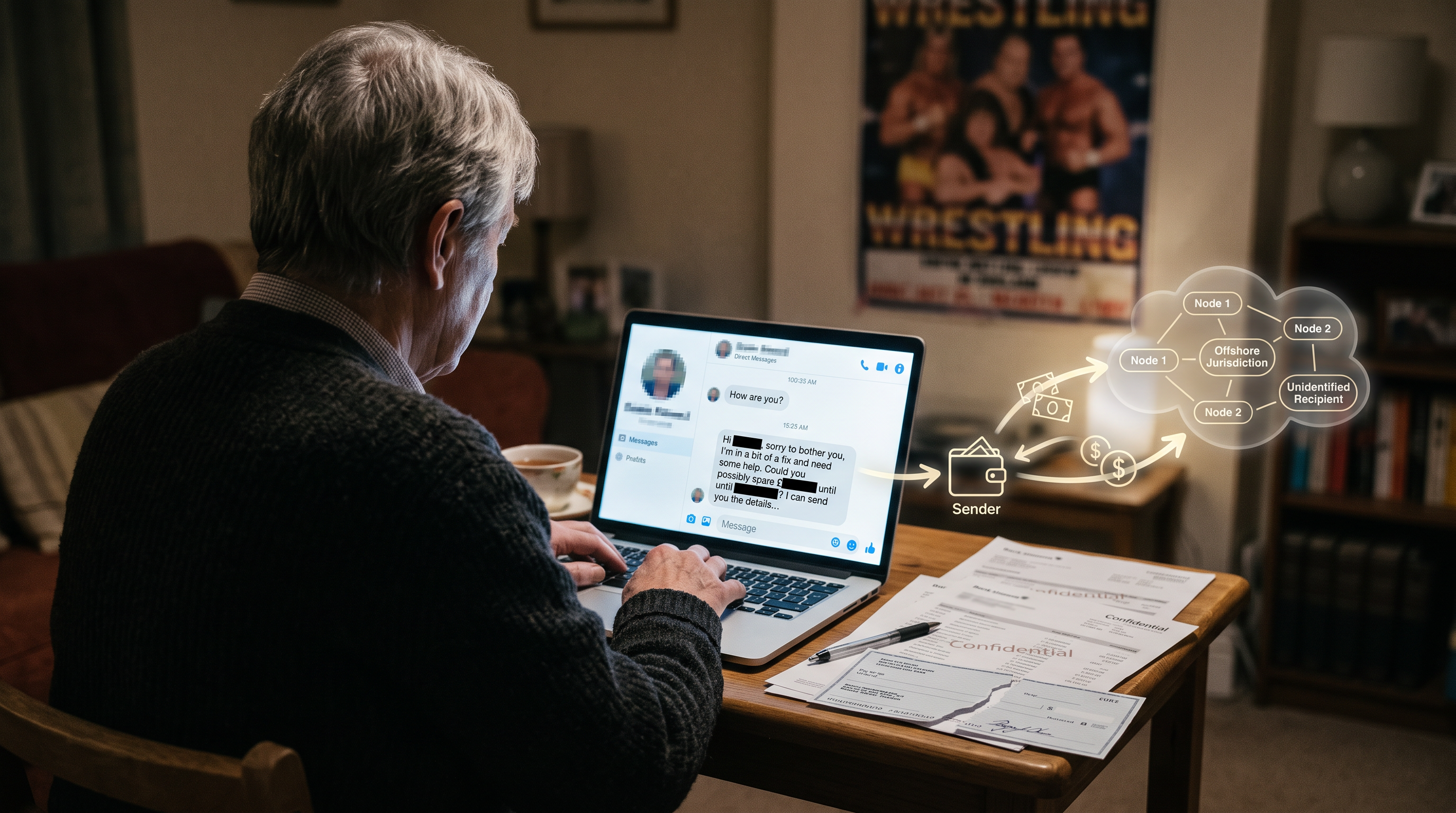
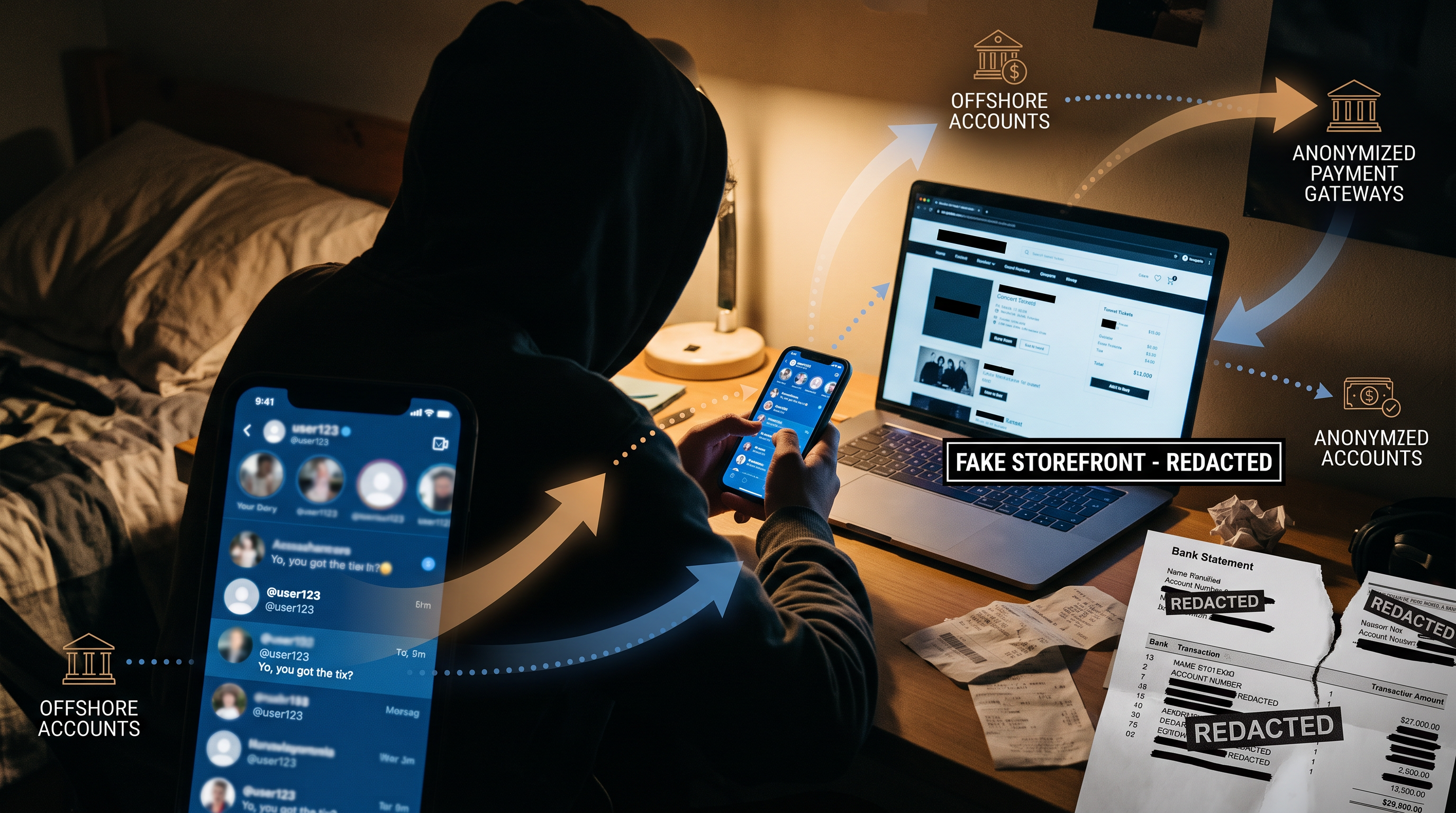
A Los Angeles woman lost her entire life savings to scammers who used artificial intelligence to impersonate General Hospital actor Steve Burton in an elaborate online romance scam, according to a report from ABC7. The case is one of the most vivid examples yet of how generative AI tools are being weaponized to exploit emotional vulnerability at scale. Fraudsters built a convincing digital persona, sustained a months-long relationship, and then drained the victim financially through a series of manufactured emergencies.
How the Steve Burton AI Romance Scam Unfolded
The scam followed a pattern that investigators and consumer protection experts have documented across thousands of similar cases. Initial contact was made through social media, where fraudsters presented a polished profile using manipulated images and details consistent with Burton’s public persona. The victim, believing she was communicating with the real actor, began exchanging messages regularly.
Over several weeks, the relationship intensified. The scammer built deep emotional trust through consistent communication, personal disclosures, and what appeared to be genuine affection. This phase, often called “grooming” by fraud investigators, is intentional and calculated. The goal is to lower the victim’s defenses before any financial request is made.
Once trust was established, the scammer began engineering urgent financial crises. Requests for money came in stages, often framed as temporary emergencies: a medical situation, a legal fee, a blocked bank account, or a stranded travel scenario. Each request was designed to feel reasonable and time-sensitive.
AI Tools That Made the Deception Convincing
What distinguishes this case from older romance scams is the reported use of artificial intelligence to enhance the deception. According to the ABC7 report, scammers used AI-manipulated media to impersonate Burton in ways that went beyond a stolen profile photo. Voice cloning and AI-generated imagery are now accessible enough that even non-technical criminals can deploy them.
This is not an isolated tactic. As Bitdefender has reported, deepfake technology has been used to impersonate high-profile celebrities including Taylor Swift on platforms like TikTok, generating fraudulent schemes that reached millions of users. The technology lowers the barrier for scammers while raising the credibility of their deceptions.
Digital forensics experts point to several technical indicators that can expose synthetic media:
- Pixel artifacts or unnatural blurring around facial edges in images
- Inconsistent lighting or shadows that do not match the background
- Audio inconsistencies such as unnatural pauses, robotic cadence, or background noise mismatches in voice messages
- Lip-sync errors in video content where mouth movements do not align with speech
- Metadata anomalies in image files that suggest post-processing or generation
Most victims, however, are not forensic analysts. The emotional context of a perceived romantic relationship makes critical evaluation far less likely.
The Off-Platform Move: A Critical Red Flag
A consistent tactic in romance scams is moving the victim off the original platform to private messaging apps like WhatsApp or Telegram. This step serves multiple purposes for the scammer. It removes the conversation from any platform-level moderation or fraud detection. It also creates a more intimate communication environment that reinforces the emotional bond.
Once off-platform, pressure for financial transfers escalates. Scammers typically request funds through methods that are difficult to reverse and hard to trace, including wire transfers, cryptocurrency, and gift cards. The FTC has consistently flagged gift card payment requests as one of the clearest indicators of fraud, noting that no legitimate person or organization will insist on gift cards as a payment method.
According to the FTC’s imposter scam guidance, victims of these schemes lose more money than in almost any other type of consumer fraud. Romance scams accounted for staggering losses nationwide, with the elderly and emotionally isolated individuals disproportionately targeted.
Celebrity Impersonation Scams Are a Growing Crisis
Steve Burton is far from the only celebrity whose identity has been hijacked for fraud. As NBC’s Today show has reported, celebrity impersonation scams have cost fans billions of dollars, with fraudsters targeting followers who feel a genuine parasocial connection to public figures. Actors, athletes, musicians, and social media influencers are all being impersonated at scale.
The combination of publicly available images, AI generation tools, and social engineering scripts has made celebrity romance scams into a repeatable criminal operation. Organized fraud groups, often based overseas, run multiple simultaneous personas targeting victims across different countries and platforms.
Platform verification systems have struggled to keep pace. Fake accounts mimicking verified celebrities regularly slip through automated detection, especially when they use slight variations in usernames or profile details that are difficult for algorithms to flag. The responsibility is increasingly falling on individual users to identify deception before financial harm occurs.
Red Flags Every Internet User Should Know
Whether you use social media casually or actively, understanding the warning signs of an AI-assisted romance scam can protect you and people you care about. Watch for these consistent patterns:
- Too fast, too intense: Declarations of love or deep connection within days of first contact are a manipulation tactic, not a sign of genuine feeling.
- Requests to move to private apps: Any push to leave the platform where you connected and continue on WhatsApp or Telegram should raise immediate concern.
- Excuses for not meeting or video calling live: Scammers avoid real-time unscripted interaction. Camera problems, poor connections, and travel excuses are common deflections.
- Financial requests tied to emergencies: Any request for money framed as urgent, temporary, or secret is a major warning sign regardless of the stated reason.
- Insistence on untraceable payment: Gift cards, wire transfers, and cryptocurrency are preferred by scammers precisely because they are hard to recover once sent.
- Requests for secrecy: If someone asks you not to tell friends or family about your relationship or the financial request, that is a deliberate isolation tactic.
What Victims Should Do Immediately
If you or someone you know has been targeted by a romance scam, acting quickly can limit the damage. Begin by preserving all evidence: screenshots of conversations, usernames, transaction records, and any media files received. Do not delete anything, even if it feels embarrassing.
Contact your bank or financial institution immediately if any transfers were made. Some wire transfers and card transactions can be reversed or flagged if reported quickly enough. Report the fraud to your bank’s fraud department and request an emergency review.
File a report with the FTC at reportfraud.ftc.gov and submit a complaint to the FBI’s Internet Crime Complaint Center at ic3.gov. Law enforcement uses these reports to identify patterns and pursue organized fraud networks. Your report could protect other potential victims.
You can also use resources like UseBlacklist to check known scammer profiles and report suspicious accounts, helping build a shared database that warns others before they are harmed.
Conclusion: AI Is Changing the Threat Landscape
The Steve Burton AI romance scam is a stark reminder that generative AI is not only a tool for productivity and creativity. In the hands of criminal networks, it becomes a weapon capable of devastating real people financially and emotionally. The Los Angeles woman at the center of this case trusted what appeared to be a genuine human connection, only to lose everything she had saved.
Awareness is the first line of defense. Share this story with people in your life, especially those who may be more vulnerable to online deception. If something about an online relationship feels off, trust that instinct and verify before you send a single dollar.
Frequently Asked Questions
What is the Steve Burton AI romance scam?
Scammers used artificial intelligence tools to impersonate General Hospital actor Steve Burton online, building a fake romantic relationship with a Los Angeles woman over several months before convincing her to send them her life savings through a series of fabricated financial emergencies.
How do AI romance scams use deepfakes?
Fraudsters use AI-generated or manipulated images, voice cloning, and sometimes synthetic video to create convincing digital personas of real celebrities or fabricated individuals. These tools make the deception far more believable than older methods that relied solely on stolen photos.
What payment methods do romance scammers prefer?
Romance scammers almost always request payment through methods that are difficult to trace or reverse, including cryptocurrency, wire transfers, and gift cards. The FTC specifically warns that any request for gift card payment is a near-certain sign of fraud.
How can I tell if someone online is using AI-generated media?
Look for pixel artifacts around facial edges, unnatural lighting, audio inconsistencies in voice messages, and an unwillingness to appear on a live unscripted video call. Reverse image searches can also reveal if profile photos have been stolen or artificially generated.
Where should I report an AI romance scam?
Report to the FTC at reportfraud.ftc.gov and to the FBI’s Internet Crime Complaint Center at ic3.gov. Also contact your bank immediately if any funds were transferred, and preserve all evidence including screenshots and transaction records before reaching out to authorities.