Imagine receiving a voice message from what sounds exactly like your favorite celebrity, followed by weeks of heartfelt conversation, only to realize every single moment was a lie crafted by a scammer halfway around the world. That is exactly what happened to a woman named Dana, and her story is sending shockwaves across the internet after a WLWT investigative report went viral. The Shemar Moore impersonation scam is not just a cautionary tale, it is a window into a terrifying new era of AI-powered fraud.
What Is the Shemar Moore Impersonation Scam?
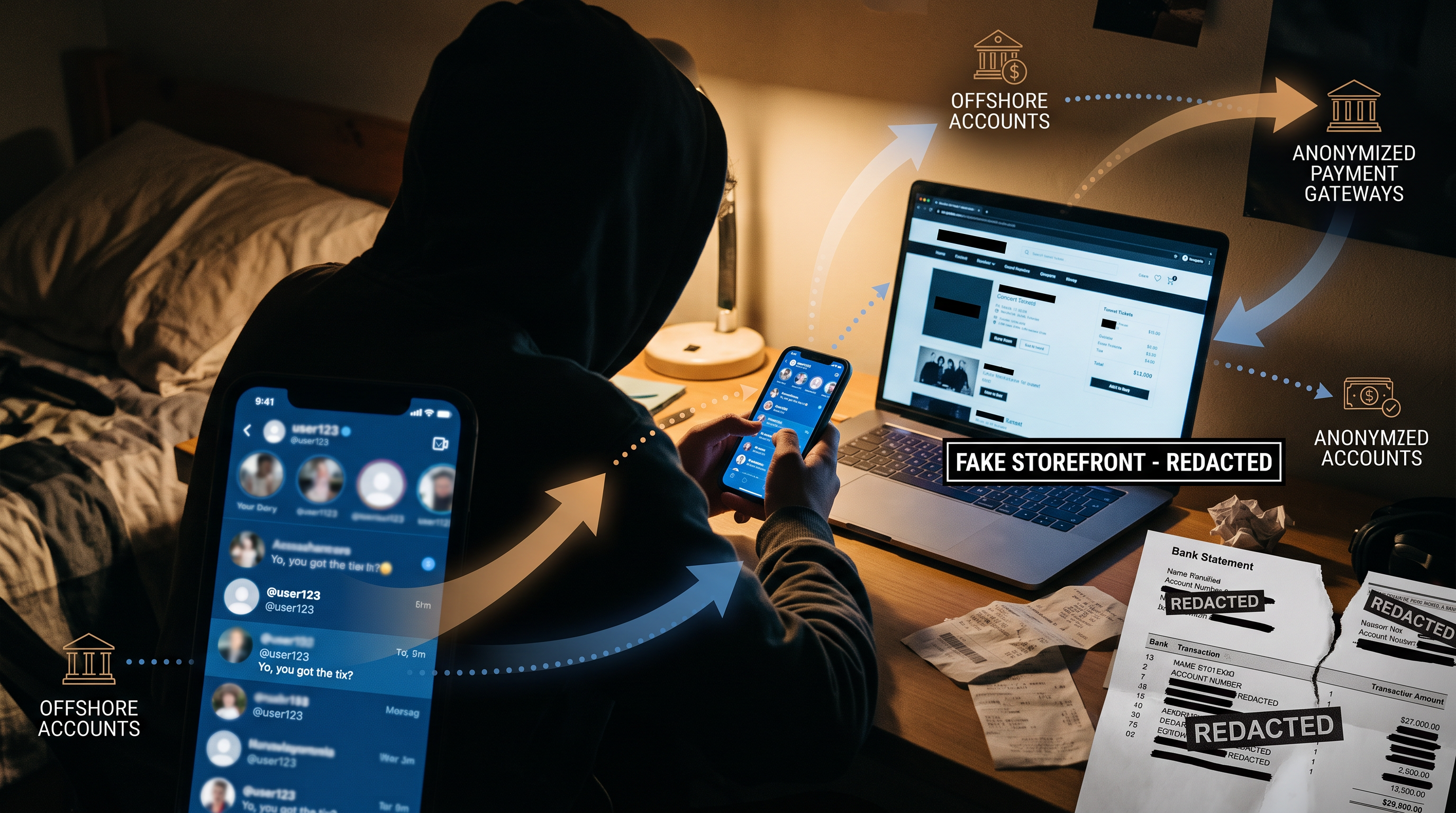
Fraudsters created convincing fake social media profiles using the likeness of actor Shemar Moore, best known for his roles in Criminal Minds and S.W.A.T. They used AI-generated audio messages, polished profile images, and even deepfake video technology to make their impersonation disturbingly believable. Dana, the victim at the center of the WLWT report, was groomed over several months before the scammers finally demanded money through untraceable payment channels.
This is not an isolated incident. Security researchers and investigators estimate that celebrity-bait romance scams have cost U.S. victims an estimated $5.3 billion in recent losses, according to the WLWT report. Shemar Moore himself has nothing to do with these scams, but his image and voice are being weaponized without his consent to manipulate unsuspecting fans.
How AI Has Made Celebrity Impersonation Scams Almost Impossible to Spot
There was a time when you could spot a scam by its broken English, blurry profile photos, or suspiciously generic messages. Those days are gone. Generative AI has completely eliminated many of the classic red flags that people were trained to look for.
The Technology Behind the Fraud
Modern celebrity impersonation scams now use a full toolkit of AI-powered deception:
- Deepfake video: Scammers generate realistic video clips that make it look like the celebrity is speaking directly to you.
- Voice synthesis: AI tools can clone a celebrity’s voice using publicly available interviews, allowing fraudsters to send convincing audio messages.
- Polished fake profiles: AI-generated images and curated social media personas look indistinguishable from real accounts.
- Paid advertising: Scammers are even running paid ads to reach more potential victims at scale.
According to KnowBe4’s research on AI-powered romance scams, the combination of emotional grooming and AI technology makes these schemes almost impossible to detect without knowing exactly what to look for. The emotional manipulation runs deep, and victims often spend months in what feels like a genuine relationship before money is ever mentioned.
The Grooming Process
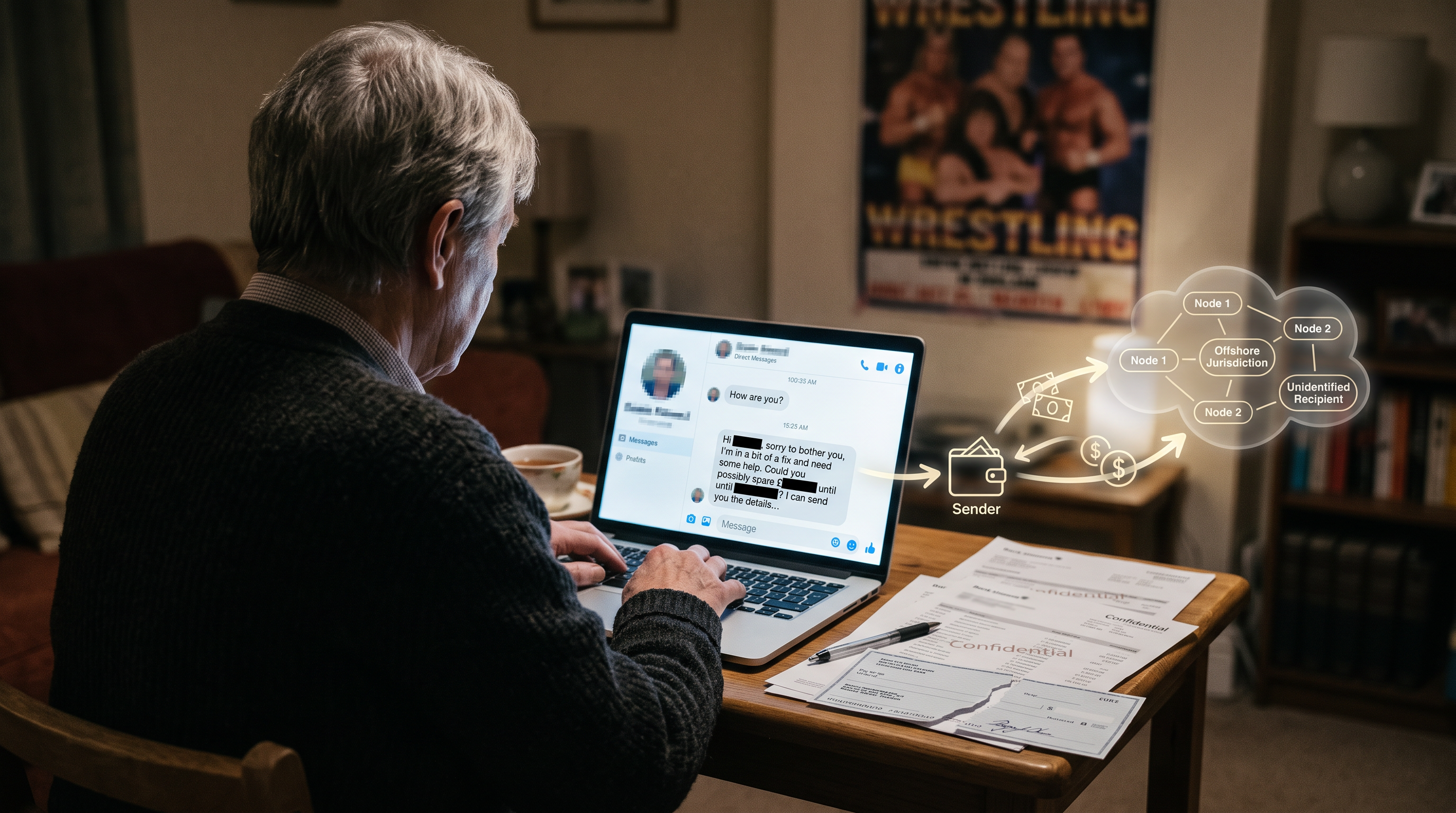
Scammers do not ask for money right away. They invest time, sometimes months, building an emotional connection. They send good morning messages, respond thoughtfully to personal stories, and mirror the victim’s interests and values. By the time money enters the conversation, the victim is emotionally invested and far less likely to question the request. This psychological tactic is known as “love bombing,” and it is a cornerstone of romance scam operations worldwide.
The Real Human Cost of Celebrity Romance Scams
The financial damage is staggering, but the emotional toll is just as devastating. Victims of scams like the Shemar Moore impersonation con report losing anywhere from thousands to six-figure sums. Some victims were briefly suspected of wrongdoing themselves before investigators confirmed they had been defrauded. The shame, embarrassment, and grief that follow can be as damaging as the financial loss.
Dana’s story resonated with so many people precisely because it strips away the assumption that only gullible or uneducated people fall for these scams. Intelligent, cautious, and emotionally healthy people are being targeted and deceived every single day. Celebrity impersonation raises the stakes even further because victims already have an established admiration and trust for the person being faked.
Why Enforcement Is Struggling to Keep Up
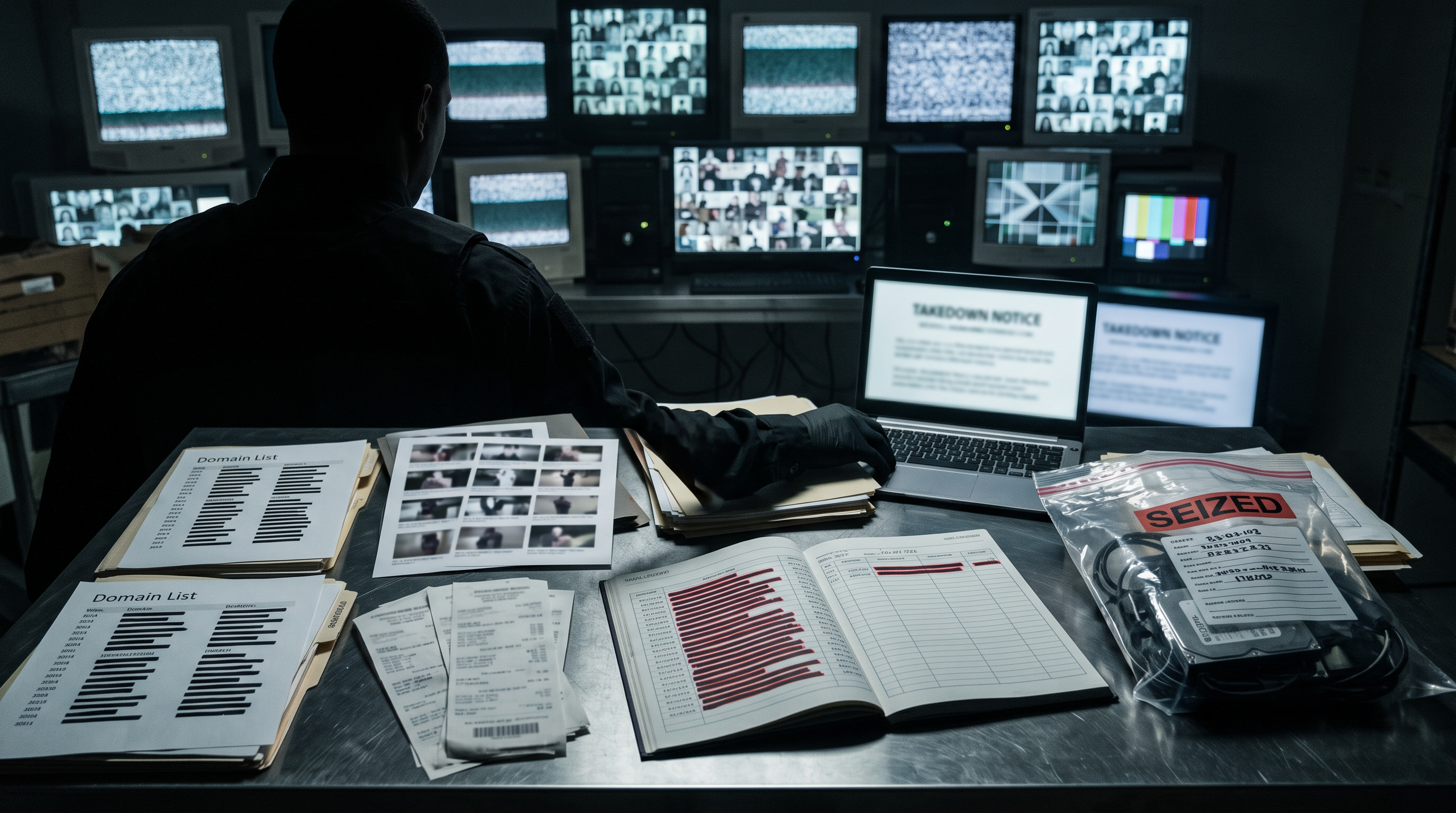
Law enforcement faces a significant uphill battle. Many of these operations are run from overseas, making cross-border takedowns slow and politically complicated. There have been no sweeping arrests or coordinated legal victories tied to this wave of AI-assisted celebrity scams. Platforms are being used as launchpads, but account removals only create a temporary setback for scammers who simply create new profiles within hours.
The Federal Trade Commission has detailed guidance on online romance scams and actively encourages victims to report incidents, but reporting alone does not always lead to quick resolution or recovery of lost funds. The system is catching up, but it is not there yet.
How to Protect Yourself from Celebrity Impersonation Scams
Awareness is your first and best line of defense. Here is what you need to do right now to protect yourself and the people you care about:
- Never send money to someone you met online, regardless of who they claim to be or how long you have been talking.
- Verify through official channels. Real celebrities do not reach out to fans via direct message asking for personal connections or financial help.
- Request a live, dated video. Ask the person to hold up a piece of paper with today’s date and your name written on it during a live video call. Scammers cannot fake this in real time.
- Run a reverse image search on all profile photos. Tools like Google Images or TinEye can reveal if a photo has been stolen from somewhere else online.
- Screenshot and report. If you suspect an impersonation account, document everything and report it to the platform immediately.
- Contact your bank immediately if you have already sent money. Time is critical for freezing transactions and potentially recovering funds.
- File a police report and submit a complaint to the FTC at ReportFraud.ftc.gov. This creates an official record and contributes to broader investigations.
What Shemar Moore and Other Celebrities Are Doing About It
Shemar Moore, like many celebrities whose identities are being stolen, has spoken out publicly to warn fans that any account claiming to be him and asking for money or personal engagement is fraudulent. Official celebrity accounts are verified with platform badges, and real public figures have publicists and management teams handling all communications. If someone claiming to be a celebrity is in your DMs, that alone should be a giant red flag.
The entertainment industry and cybersecurity communities are now working more closely together to flag impersonation accounts faster, but the sheer volume of fake profiles being created makes full prevention nearly impossible without user vigilance.
Final Thoughts: Do Not Let Scammers Win
The Shemar Moore impersonation scam is a painful reminder that the digital world requires a new level of skepticism, especially when emotions are involved. AI has lowered the barrier to entry for scammers dramatically, meaning these operations will only grow more sophisticated and widespread in the months ahead. Sharing this information with friends and family, especially those who are active on social media and less familiar with deepfake technology, could literally save someone from losing their life savings.
If you or someone you know has been targeted by a celebrity impersonation romance scam, report it to the FTC, contact your local law enforcement, and reach out to your bank without delay. The faster you act, the better your chances of limiting the damage.
Frequently Asked Questions
What is the Shemar Moore impersonation scam?
The Shemar Moore impersonation scam is a romance fraud operation where criminals used AI-generated audio, deepfake technology, and fake social media profiles posing as actor Shemar Moore to emotionally groom and financially exploit victims. The scam was exposed in a viral WLWT investigative report featuring a victim named Dana.
How do AI-powered celebrity impersonation scams work?
Scammers use voice cloning software and deepfake video tools to convincingly replicate a celebrity’s appearance and voice. They build fake social media profiles, spend weeks or months grooming their target emotionally, and eventually request money through untraceable payment methods like wire transfers, gift cards, or cryptocurrency.
How much money have celebrity romance scams cost victims?
According to the WLWT investigative report on the Shemar Moore impersonation scam, U.S. victims have lost an estimated $5.3 billion to celebrity-bait romance scams. Individual losses range from several thousand dollars to six-figure amounts.
How can I tell if a celebrity social media account is fake?
Look for a verified badge on the account, check if the account matches the celebrity’s official website or management contact, and be highly suspicious of any account that sends you unsolicited direct messages. You should also run a reverse image search on profile photos and never engage with accounts requesting money or personal financial information.
What should I do if I already sent money to a romance scammer?
Contact your bank or financial institution immediately to attempt to freeze or reverse the transaction. File a police report to create an official record. Submit a complaint to the FTC at ReportFraud.ftc.gov and report the account to the social media platform where the scam took place. Acting quickly gives you the best chance of limiting your financial loss.