Imagine getting a direct message from what looks and sounds exactly like Reese Witherspoon, offering you exclusive meet-and-greet tickets or a chance to win a giveaway. It feels real, it looks real, and that is exactly the problem. AI-powered celebrity impersonation scams are exploding in 2026, and Reese Witherspoon is one of the biggest names being cloned by fraudsters right now.
What Are Reese Witherspoon Impersonation Scams and Why Are They Surging?
Security researchers and consumer advocates are raising urgent alarms about a dramatic spike in celebrity imposter scams powered by artificial intelligence. Fraudsters are no longer settling for a blurry profile photo and a copied bio. They are using deepfake video, cloned audio, and AI-generated images to build profiles so convincing that even savvy social media users are getting fooled.
Reese Witherspoon, one of the most trusted and beloved public figures in entertainment, has become a prime target precisely because of that trust. Scammers know that fans are more likely to let their guard down when they believe a warm, familiar face is reaching out to them personally.
According to a consumer advocacy investigation by TurnTo10, these scams are scaling fast because AI tools have made it cheaper and faster than ever to produce convincing fake content. What once required a Hollywood studio budget can now be done with a laptop and a free app.
How the Scam Actually Works: A Step-by-Step Breakdown
Understanding the mechanics of these scams is your first line of defense. Here is the playbook fraudsters are following right now.
Step 1: Create a Believable Fake Identity
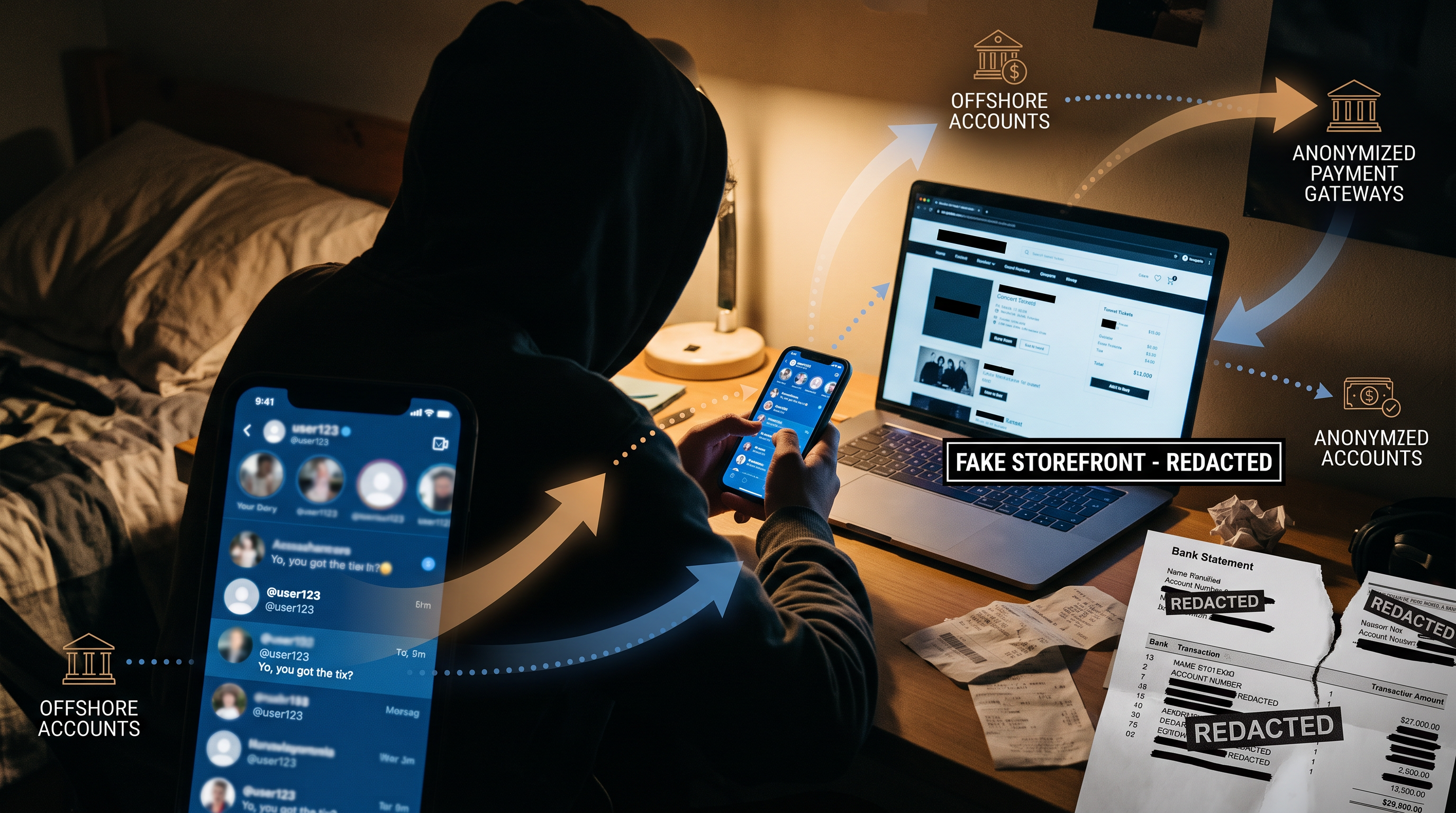
Scammers start by cloning the celebrity’s handle, profile picture, and bio across platforms like Instagram, TikTok, Facebook, and X. Using AI voice cloning tools and deepfake video generators, they produce short clips that look and sound shockingly authentic. The goal is to pass a quick scroll test so you do not stop to question whether it is real.
Step 2: Amplify With Paid Ads
Here is the part most people do not expect. These fraudsters are not just posting and hoping for organic reach. They are paying for social media ads to push fake celebrity content directly into your feed. Ad cloaking techniques help them dodge platform review systems, making the fake accounts harder to detect and flag before they reach thousands of users.
Step 3: Move Victims Off-Platform
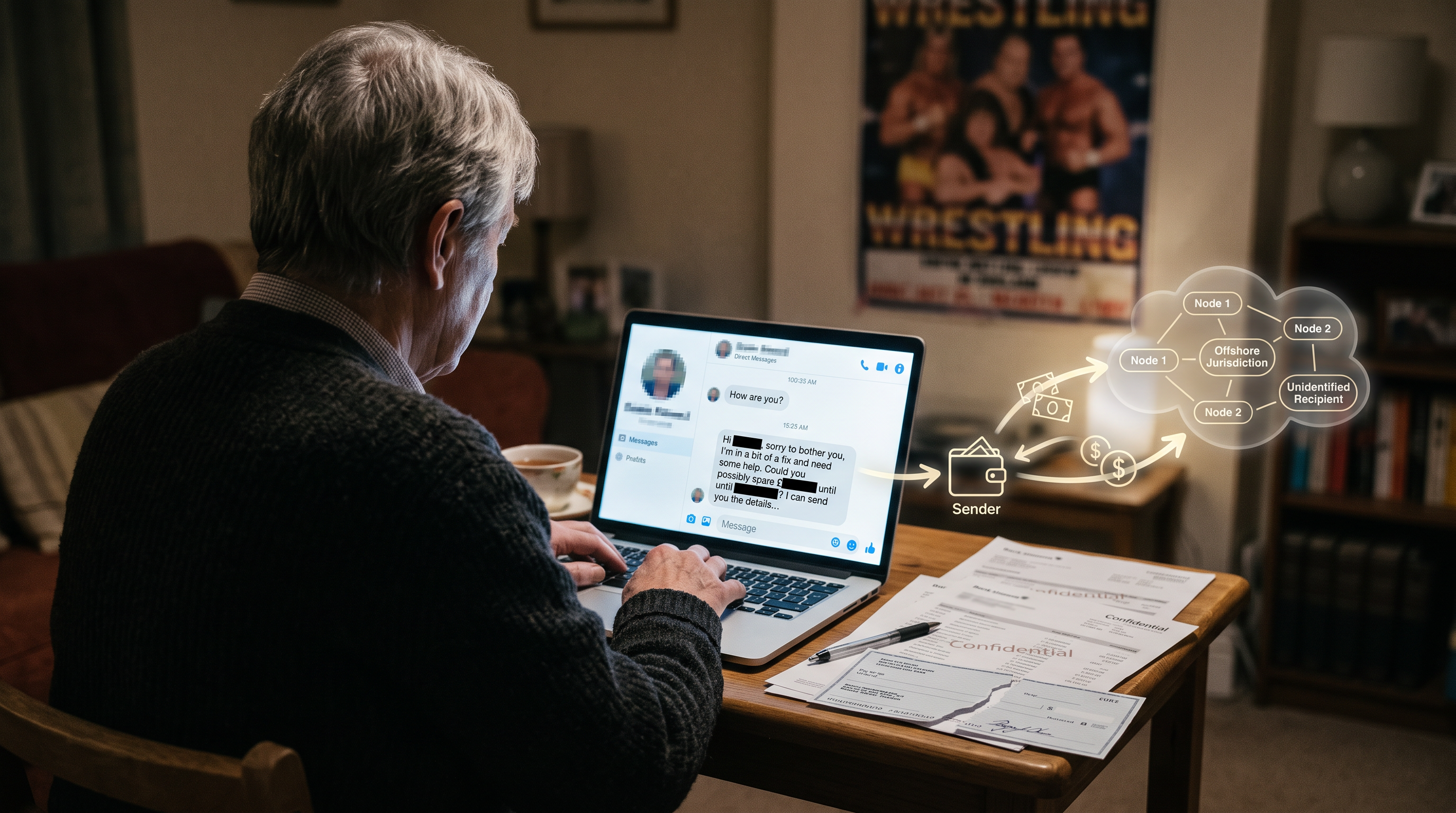
Once a target engages, the scammer moves fast to pull them into private DMs, WhatsApp chats, or external phishing landing pages. This step is critical because it removes the conversation from any platform moderation or record-keeping that might trigger a warning.
Step 4: Request Untraceable Payment
The final play is always the same. Whether it is a fake charity donation, a ticket purchase, a giveaway entry fee, or a manufactured investment opportunity, the payment request always involves gift cards, cryptocurrency, or urgent wire transfers. These methods are chosen specifically because they are nearly impossible to reverse once sent.
Common Lures Used in Celebrity Impersonation Fraud
Scammers targeting fans of Reese Witherspoon and other celebrities are cycling through several proven hooks. Watch out for these red flags:
- Fake exclusive meet-and-greet or ticket giveaways requiring an upfront fee
- Bogus charity drives asking for donations via crypto or gift cards
- Manufactured product endorsements leading to phishing storefronts
- Investment or business opportunity pitches framed as personal recommendations
- Urgency-based prize claims that expire within hours to pressure quick payment
The Federal Trade Commission warns that impersonator scams are among the most reported fraud types in the United States, with losses running into the hundreds of millions of dollars annually. The celebrity impersonation variant is one of the fastest-growing sub-categories thanks to AI tools lowering the barrier to entry for bad actors.
Why AI Makes Celebrity Impersonation Scams So Dangerous in 2026
A few years ago, a fake celebrity profile was easy to spot. Bad grammar, obvious stock photos, a follower count of twelve. Today, that is no longer the case. AI-generated deepfakes can replicate a celebrity’s facial expressions, vocal cadence, and speech patterns in real time. Combine that with hundreds of hours of publicly available video and audio footage from interviews and social posts, and fraudsters have everything they need to build a convincing clone.
Platforms are fighting back with takedown tools, but account recreation happens faster than moderation can keep up. The moment one fake account gets banned, three more spin up in its place. According to Euronews reporting on deepfake scam trends, these attacks are reaching record levels globally, with social media platforms becoming the primary battlefield.
How to Protect Yourself From AI Celebrity Impersonation Scams
The good news is that there are clear, actionable steps you can take to protect yourself and the people you care about. None of them require a cybersecurity degree.
- Never pay with gift cards or cryptocurrency. Legitimate celebrities, their teams, and legitimate businesses do not ask for payment this way. Ever.
- Verify through official verified channels only. If Reese Witherspoon or any celebrity is running a real promotion, it will be announced on their verified blue-check account and confirmed by credible news outlets.
- Demand a live dated video response. Deepfakes can be pre-generated but real-time custom video on demand is much harder to fake. Ask for a live clip that includes today’s date on a piece of paper.
- Do not click unsolicited links. Any link sent through DMs from an account claiming to be a celebrity should be treated as a phishing attempt until proven otherwise.
- Preserve screenshots and metadata. If you suspect a scam, document everything before reporting. Screenshots, links, and message timestamps all help investigators.
- Contact your bank immediately if you paid. Time is critical. The faster you call, the better the chance of stopping or reversing a transfer.
- Report to the platform and the FTC. Use the report feature on the social platform and file a complaint at ReportFraud.ftc.gov to help authorities track patterns and shut down operations.
What This Means for the Broader Landscape of Online Trust
The rise of Reese Witherspoon impersonation scams and AI celebrity fraud is not just a consumer protection story. It is a signal that the internet’s trust infrastructure is being stress-tested in a serious way. When you can no longer tell if a voice or a face is real, the rules of online engagement have to change entirely.
AARP research flagged celebrity impersonation fraud as one of the biggest scams to watch in 2026, noting that adults across all age groups are being targeted, not just older populations. Younger users who are highly active on social media are increasingly at risk because they interact with celebrity content more frequently and may be more likely to believe a DM from a famous face is an exciting opportunity rather than a threat.
Conclusion: Stay Skeptical, Stay Safe
The most powerful tool you have against AI-powered celebrity impersonation scams is healthy skepticism. If something feels too exciting, too exclusive, or too urgent, slow down. Real celebrities do not slide into your DMs asking for gift cards. Real promotions do not evaporate in 24 hours. And real opportunities do not require you to pay with cryptocurrency before you can claim a prize.
Share this article with someone you know who loves Reese Witherspoon or follows celebrities closely online. A five-minute conversation about how these scams work could save someone thousands of dollars. And if you have already encountered one of these scams, report it to the FTC at ReportFraud.ftc.gov today.
Frequently Asked Questions
What is a Reese Witherspoon impersonation scam?
A Reese Witherspoon impersonation scam involves fraudsters using AI-generated deepfake video, cloned social media accounts, and fake audio to pose as the celebrity online. They use this fake identity to trick fans into sending money, personal information, or clicking on phishing links under the guise of giveaways, meet-and-greets, or charity drives.
How can I tell if a celebrity social media account is fake?
Check for a verified badge on the account and cross-reference it against the celebrity’s official website. Be suspicious of any account that contacts you directly through DMs, especially if they ask for payment or personal information. Real celebrity promotions are always announced publicly through verified channels and covered by legitimate media outlets.
What should I do if I already sent money to a celebrity impersonation scammer?
Contact your bank or financial institution immediately to attempt to stop or reverse the transaction. File a report with the FTC at ReportFraud.ftc.gov and report the account to the social media platform where the scam took place. Document everything including screenshots, message threads, and any links you were sent before reporting.
Why are scammers using gift cards and cryptocurrency in these scams?
Scammers request gift cards and cryptocurrency because these payment methods are extremely difficult or impossible to reverse once completed. Unlike bank transfers or credit card payments, there is no chargeback process or fraud protection for these payment types, which makes them ideal for criminals who want to disappear with stolen funds quickly.
Are AI celebrity impersonation scams illegal?
Yes, celebrity impersonation scams are illegal under multiple federal and state laws covering wire fraud, identity theft, and consumer protection. The FTC actively investigates these cases and platforms are required to remove fraudulent accounts. However, enforcement is challenging because many of these operations run from overseas jurisdictions, making prosecution difficult and slow.