Imagine scrolling through Instagram and seeing a direct message from Reese Witherspoon herself, thanking you for being a loyal fan and offering you a chance to win exclusive merchandise. Sounds exciting, right? Unfortunately, thousands of fans have fallen victim to exactly this scenario, except the person behind those messages isn’t the beloved actress at all. It’s a sophisticated AI-powered scam that’s become so convincing, even tech-savvy users are getting fooled.
In late January 2026, security trackers and Witherspoon herself issued urgent public warnings about a massive surge in deepfake impersonation accounts flooding Instagram and TikTok. These aren’t your run-of-the-mill fake profiles with stolen photos. We’re talking about advanced AI-generated content that uses real video clips, cloned audio, and deepfake technology to create disturbingly authentic celebrity personas that bilk unsuspecting fans out of thousands of dollars.
The Alarming Rise of AI-Powered Celebrity Impersonation
The Reese Witherspoon deepfake scam represents a disturbing evolution in online fraud. What makes this wave of attacks particularly dangerous is the sheer scale and sophistication involved. Platforms remove fraudulent accounts daily, yet clones reappear almost immediately, like a digital hydra growing two heads for every one that’s cut off.
These fake accounts aren’t just posting stolen photos anymore. Scammers are leveraging generative AI to create custom video messages that appear to show Witherspoon speaking directly to victims. The voice matches perfectly, the facial expressions look natural, and the production quality rivals legitimate celebrity content. Europol has warned that criminals are increasingly using AI and deepfakes to bypass traditional security measures, making these scams nearly impossible to spot for the average user.
Three Main Scam Types Targeting Fans
The fake Reese Witherspoon accounts typically run one of three scam varieties:
- Romance Scams: Attackers build emotional connections over weeks or months, eventually requesting money for fabricated emergencies or travel expenses to meet in person.
- Presale and Merchandise Scams: Victims receive offers for exclusive, limited-edition items or early access to projects that don’t exist, with payment demanded upfront via untraceable methods.
- Charity Scams: Fraudsters exploit Witherspoon’s well-known philanthropic work, soliciting donations to fake causes that mirror her legitimate advocacy efforts.
Inside the Attack: How These Scams Actually Work
Understanding the mechanics behind these scams is your first line of defense. The typical attack chain follows a disturbingly efficient playbook that criminals have refined over hundreds of successful operations.
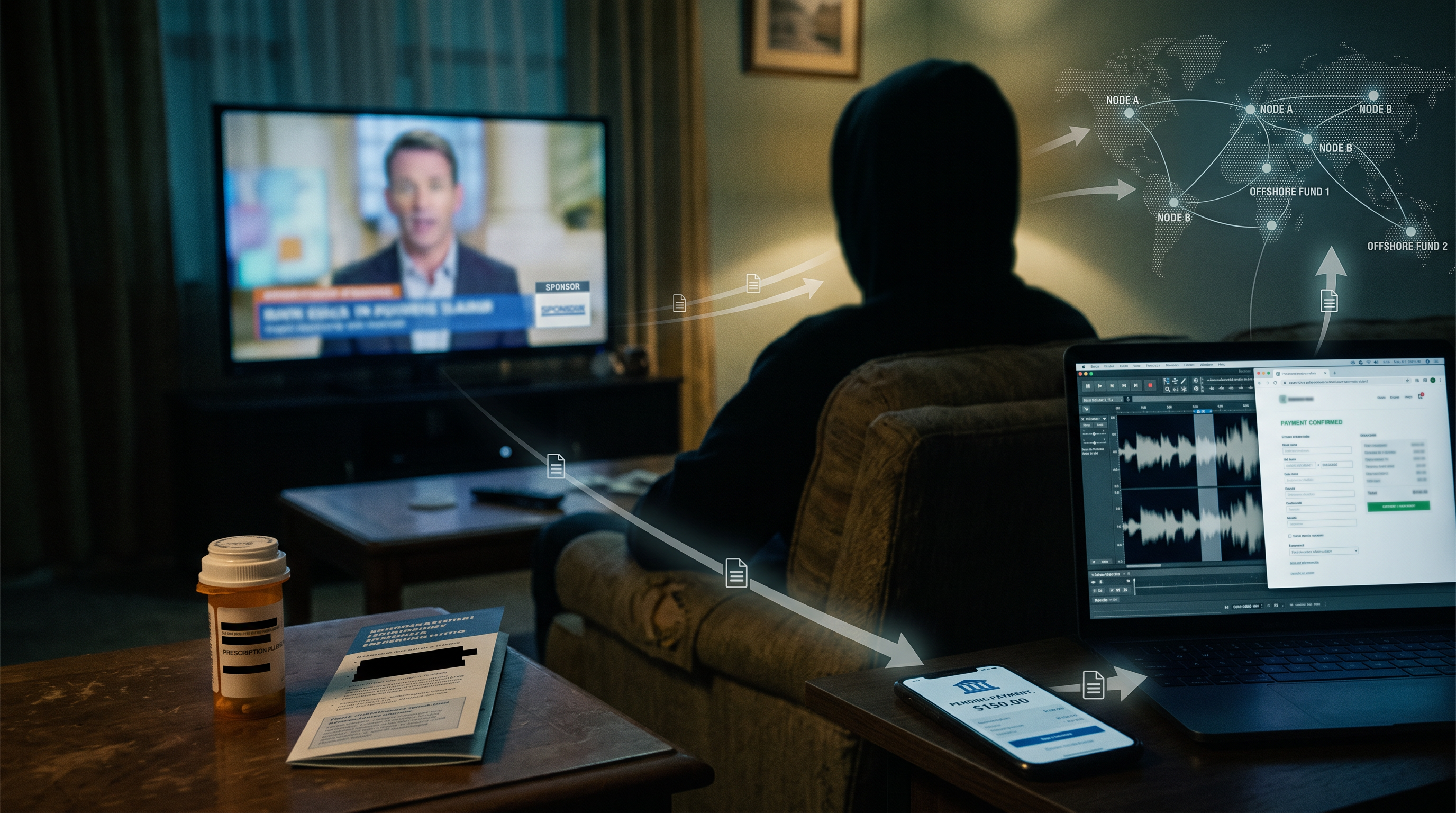
First, scammers harvest public footage from interviews, social media posts, red carpet appearances, and other legitimate sources. This raw material feeds into AI tools that can synthesize new audio and video content. Within hours, attackers can generate dozens of custom clips showing “Reese” saying virtually anything they want.
The Profile Setup and Engagement Phase
Next comes the profile creation. These aren’t hastily thrown-together fakes. Scammers invest time in building polished accounts with consistent branding, plausible post histories, and engagement metrics that look legitimate at first glance. Some even purchase verified-looking badges through underground markets or exploit platform vulnerabilities.
The initial contact often happens publicly. A fake account might comment on your post, like your content, or share something that tags you. This creates a false sense of legitimacy since the interaction happens in the open where others can see it. Once you respond or show interest, the conversation quickly moves to private messages where the real manipulation begins.
The Payment Request and Money Laundering
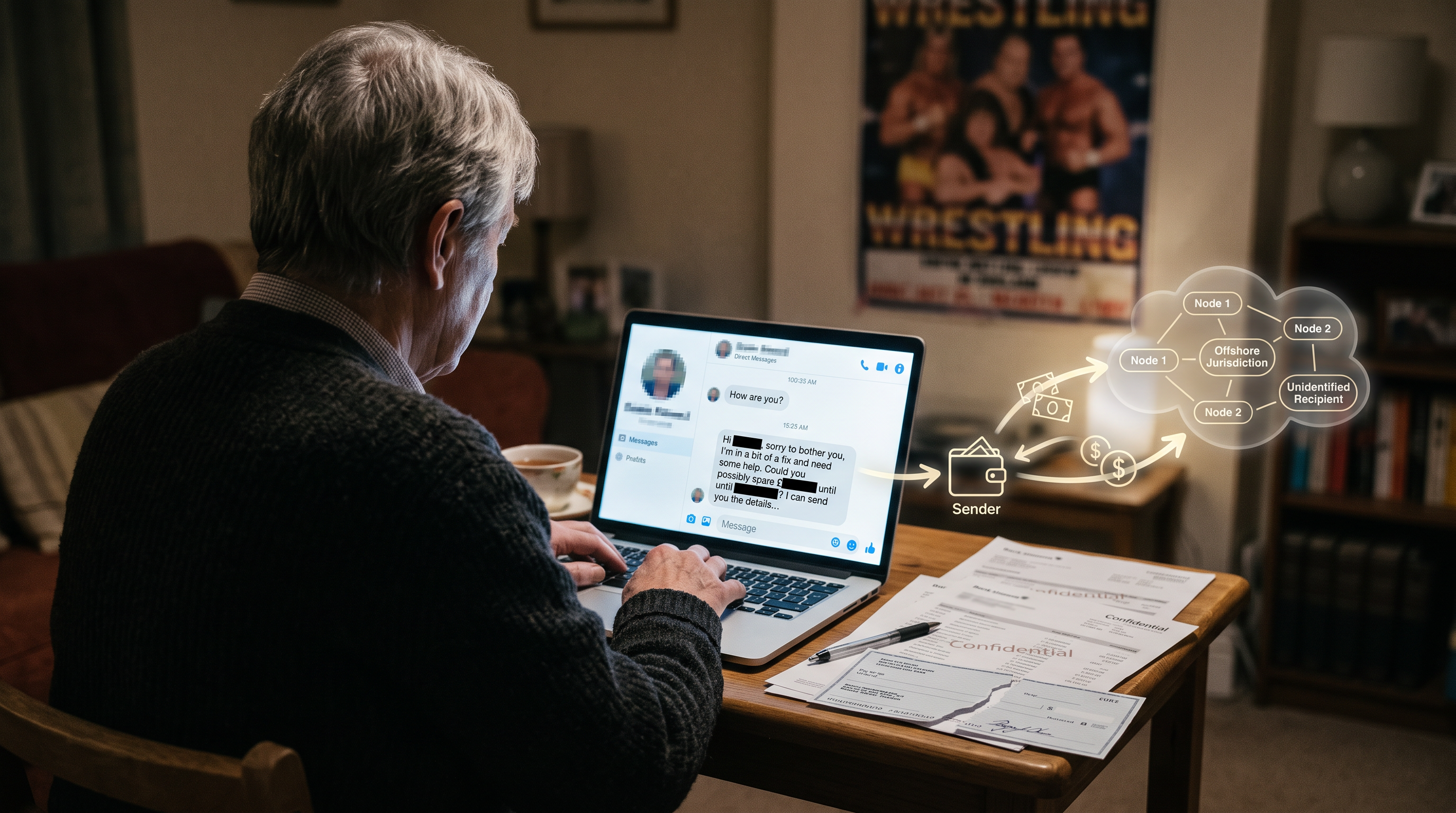
Eventually, the scammer makes their move. They request payment through deliberately untraceable methods like gift cards, cryptocurrency, or wire transfers. Some even phish for banking credentials under the guise of setting up payments for prizes or merchandise. Once money changes hands, it’s laundered through crypto exchanges or distributed across networks of money mule accounts, making recovery virtually impossible.
According to cybersecurity researchers at KnowBe4, romance scams powered by AI technology have become almost impossible to spot in 2026, with victims losing an average of $15,000 per incident.
Why These Deepfake Scams Are So Convincing
The brutal truth is that deepfake technology has reached a tipping point where synthetic content can fool even trained observers. Traditional warning signs like awkward phrasing, poor image quality, or suspicious account details no longer apply when AI handles the heavy lifting.
Generative AI tools can now clone voices with just seconds of sample audio. Video deepfakes have progressed beyond the uncanny valley, producing footage that passes casual inspection. Even technical analysis sometimes fails to detect the most sophisticated fakes without specialized forensic tools.
Platform Safeguards Are Failing
Social media platforms have implemented various detection systems, but scammers adapt faster than defenses can scale. Automated content moderation struggles with AI-generated material that’s specifically designed to evade detection. By the time human reviewers investigate reports, scammers have often already moved to fresh accounts and continued their operations without missing a beat.
Protecting Yourself From Celebrity Deepfake Scams
Knowledge is your most powerful defense against these sophisticated attacks. While the technology is impressive, scammers still rely on social engineering tactics that you can learn to recognize and resist.
Never Send Money to Unsolicited Messages
This rule cannot be overstated. No legitimate celebrity, charity, or business will initiate contact through random social media DMs and immediately request payment. If someone claiming to be famous asks you for money, gift cards, or cryptocurrency, it’s a scam. Period. No exceptions.
Verify Everything Through Official Channels
Before engaging with any offer, contest, or request, cross-reference it with official sources. Check the celebrity’s verified social media accounts, visit their official website, or contact their publicist. Legitimate opportunities will be announced through official channels, not exclusive DMs to random followers.
Demand Live, Dated Video Proof
If someone claims to be a celebrity and wants to build a relationship with you, request a live video call where they hold up a paper with today’s date and a phrase you specify. Deepfakes excel at replicating existing footage but struggle with real-time, custom requests. Most scammers will make excuses and disappear when faced with this challenge.
Use Reverse Image Search Tools
Right-click profile photos and use Google’s reverse image search or tools like TinEye to see where else those images appear online. Stolen photos from legitimate sources will show up across multiple sites and contexts, revealing the deception.
Refuse Untraceable Payment Methods
Gift cards, cryptocurrency, wire transfers, and peer-to-peer payment apps offer zero consumer protection once money changes hands. Legitimate businesses offer refunds, chargebacks, and receipts. Scammers demand untraceable payments specifically because they know victims have no recourse once the money’s gone.
What to Do If You’ve Been Targeted or Scammed
If you realize you’re interacting with a fake account, stop all communication immediately. Don’t confront the scammer or give them any indication that you’re onto them, as this can lead to harassment or additional targeting.
Report the fake account to the platform using their official reporting tools. While response times vary, every report helps build a case for permanent removal and potentially traces back to the criminals behind the operation.
If you’ve already sent money, contact your bank or credit card company immediately to dispute the charges. File a complaint with the Federal Trade Commission and your local consumer protection agency. While recovery isn’t guaranteed, quick action improves your chances.
Consider placing a fraud alert on your credit reports if you’ve shared personal information. Scammers often use compromised details for identity theft or sell them to other criminals on the dark web.
The Bigger Picture: What This Means for Online Safety
The Reese Witherspoon deepfake scam surge isn’t an isolated incident. It’s a preview of what online life looks like when generative AI becomes mainstream. Every celebrity, influencer, and public figure now faces the same threat. More concerning, everyday people can also be impersonated using the same technology.
This wave of scams forces us to fundamentally rethink digital trust. We can no longer assume that seeing and hearing equals believing. Critical thinking, verification habits, and healthy skepticism must become standard practice for everyone with an online presence.
For additional context on how these scams are evolving, security researchers at Scamicide have documented the full timeline and technical details of the Witherspoon impersonation campaign.
Frequently Asked Questions About Reese Witherspoon Deepfake Scams
How can I tell if a Reese Witherspoon account is real or fake?
Check for official verification badges, cross-reference with her confirmed accounts on her official website, and look for consistent posting history. Fake accounts often have recent creation dates, limited followers compared to engagement, and may use slight variations in spelling of her name. When in doubt, never engage with unsolicited messages claiming to be from her.
Can deepfake technology really make fake videos that look 100% real?
Modern deepfake technology can create highly convincing videos that fool most people during casual viewing. However, they still have subtle flaws like unnatural blinking patterns, inconsistent lighting, audio sync issues, or strange artifacts around hairlines and edges. Real-time, interactive video calls remain difficult to fake, which is why demanding live verification is an effective defense.
What should I do if I already sent money to a fake Reese Witherspoon account?
Contact your financial institution immediately to report fraud and attempt to reverse the transaction. File reports with the FTC, your local police department, and the FBI’s Internet Crime Complaint Center. Report the account to the social media platform. While recovering funds is difficult, especially with gift cards or cryptocurrency, quick action gives you the best chance.
Are other celebrities being impersonated with deepfakes too?
Yes, absolutely. Reese Witherspoon is just the most prominent recent case. Scammers target any celebrity with a large, engaged fanbase. Similar campaigns have impersonated actors, musicians, athletes, and influencers. The tactics remain consistent across targets, making the protection strategies outlined in this article universally applicable.
Will social media platforms eventually stop these deepfake scams?
Platforms are developing better detection tools and working with AI researchers to identify synthetic content, but it’s an arms race. As detection improves, so does the sophistication of the fakes. Complete elimination is unlikely in the near term. User education and personal vigilance remain the most reliable defenses against these evolving threats.
Stay Alert and Stay Safe
The Reese Witherspoon deepfake scam surge serves as a wake-up call for everyone active on social media. The technology enabling these scams isn’t going away. If anything, it will become more accessible and more convincing. Your best protection is awareness, skepticism, and a commitment to verifying before trusting.
Remember that real celebrities don’t slide into random DMs asking for money, personal information, or gift cards. If an offer seems too good to be true, it probably is. When something feels off, trust that instinct and walk away. Share this information with friends and family who might be vulnerable, especially those who aren’t as familiar with how sophisticated these scams have become.
Take action today by reviewing your social media privacy settings, enabling two-factor authentication on all accounts, and having honest conversations with loved ones about online safety. The few minutes you invest in prevention could save you or someone you care about from losing thousands of dollars to criminals who have weaponized artificial intelligence against unsuspecting fans.