Understanding Zelle Scams
Zelle is a convenient and fast way to send money, but its popularity has also made it a target for scammers. In 2024, new fraud tactics are emerging, preying on unsuspecting victims who use the service for everyday transactions. Understanding how these scams work is the first step to protecting yourself and your finances.
Common Types of Zelle Scams
- Impersonation Scams: Criminals pose as banks, service providers, or even friends, tricking you into sending money via Zelle. They may claim your account is compromised or offer a fake job opportunity.
- Phishing Emails and Messages: Scammers send emails or texts with links leading to fake bank login pages. Once your information is entered, they access your real account and initiate a Zelle transfer.
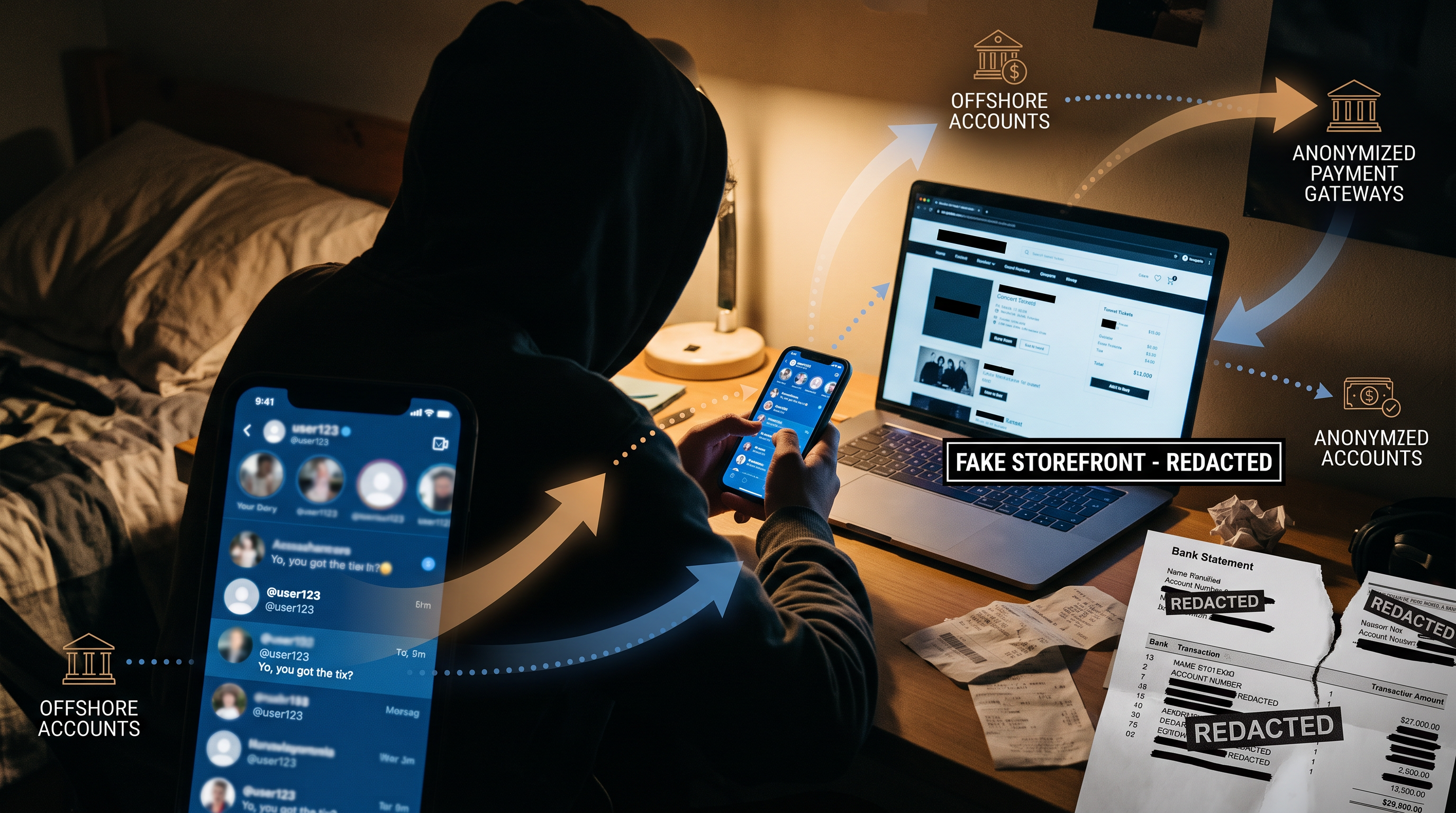
- Marketplace and Puppy Scams: Fraudsters post fake ads for goods or pets on online platforms, demanding Zelle payment and then disappearing with the money.
How to Stay Safe
- Only send money to people you know and trust.
- Never share one-time passcodes or account credentials with anyone.
- Be wary of urgent requests or threats related to your money, especially if they come via text or email.
- Verify payment requests by contacting your financial institution or the supposed recipient directly, using an official phone number.
- Monitor your bank account for unfamiliar transactions and report suspicious activity immediately.
What to Do If You’ve Been Scammed
If you suspect you’ve fallen for a Zelle scam, contact your bank immediately to report the incident. File a complaint with the Federal Trade Commission (FTC) and your local law enforcement. While Zelle transactions are instant and typically irreversible, prompt reporting can sometimes help recover your funds.
For more information, visit these authoritative resources: