Imagine getting a DM from what looks like your favorite celebrity’s management team, offering you exclusive access to a new project. Sounds exciting, right? That excitement is exactly what scammers are counting on. Indian actor R Madhavan just publicly called out a fake Instagram account that was doing precisely this to his fans, and the warning is one every social media user needs to hear.
R Madhavan Calls Out a Fake Instagram Impersonator
On March 14, 2025, Madhavan took to his official social media to post a screenshot and a direct warning to his followers. The message was clear: a fraudulent Instagram account had been posing as a representative of the actor, sliding into fans’ DMs and dangling what appeared to be exclusive promotional opportunities. As Madhavan himself put it, it was totally a fraud account.
The timing was no accident. Madhavan’s fanbase was already buzzing with energy around a new release, making followers particularly eager and emotionally invested. Scammers know this. They target fan communities during high-excitement cycles when critical thinking tends to take a back seat to enthusiasm. According to The Economic Times, the fake account used a spoofed handle, cloned photos, and a management-style bio to build instant credibility before making its move.
How Celebrity Impersonation Scams Actually Work
This type of fraud follows a very predictable playbook, and understanding it is your first line of defense. The R Madhavan impersonation case is a textbook example of a multi-step social engineering attack dressed up as a fan interaction.
The Setup: Building a Believable Fake Profile
Scammers start by creating a profile that looks almost identical to a celebrity’s real account or their management team’s page. They steal profile photos, copy bios word for word, and pick a username that is just one character off from the real one. At a quick glance, you would never notice the difference. The account may even have a decent follower count, sometimes purchased in bulk to add a layer of fake legitimacy.
The Hook: The Private DM Approach
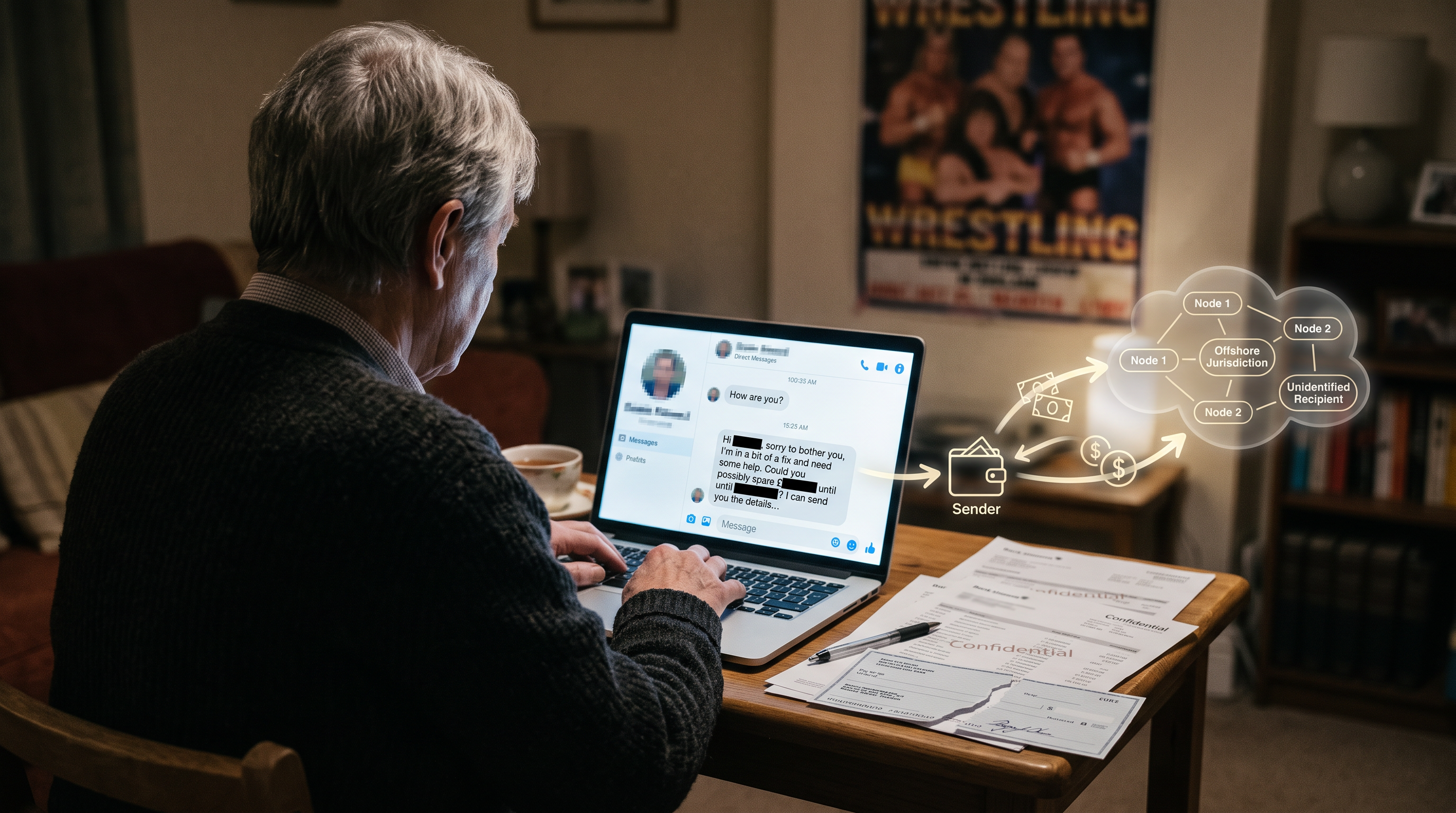
Once the profile looks convincing, the scammer slides into your DMs. The message usually involves an exclusive offer, a contest win, an invitation to a private event, or a chance to collaborate. There is almost always a sense of urgency baked in. You need to respond quickly or the opportunity disappears. They may also ask you to keep the conversation private, a classic red flag designed to cut you off from people who might talk you out of it.
The Ask: Money or Personal Information
This is where the real damage happens. After warming you up through a few messages, the scammer pushes the conversation off-platform to WhatsApp, Telegram, or email. Then comes the request: a small registration fee, a processing payment, or your personal and banking details. By this point, many victims have already emotionally committed to the idea that this is real.
Why Fan Communities Are Prime Targets for These Scams
Celebrity impersonation scams are not random. They are strategic. Fans of high-profile actors, musicians, and athletes represent a uniquely vulnerable group because their emotional connection to the celebrity lowers their skepticism. A message that appears to come from someone associated with their favorite star carries an automatic weight that a random stranger’s message simply does not.
According to a broader look at celebrity scam patterns covered by Economic Times Panache, these schemes tend to spike during promotional cycles, award seasons, and major releases, exactly when fan engagement is highest. The R Madhavan case fits this pattern perfectly.
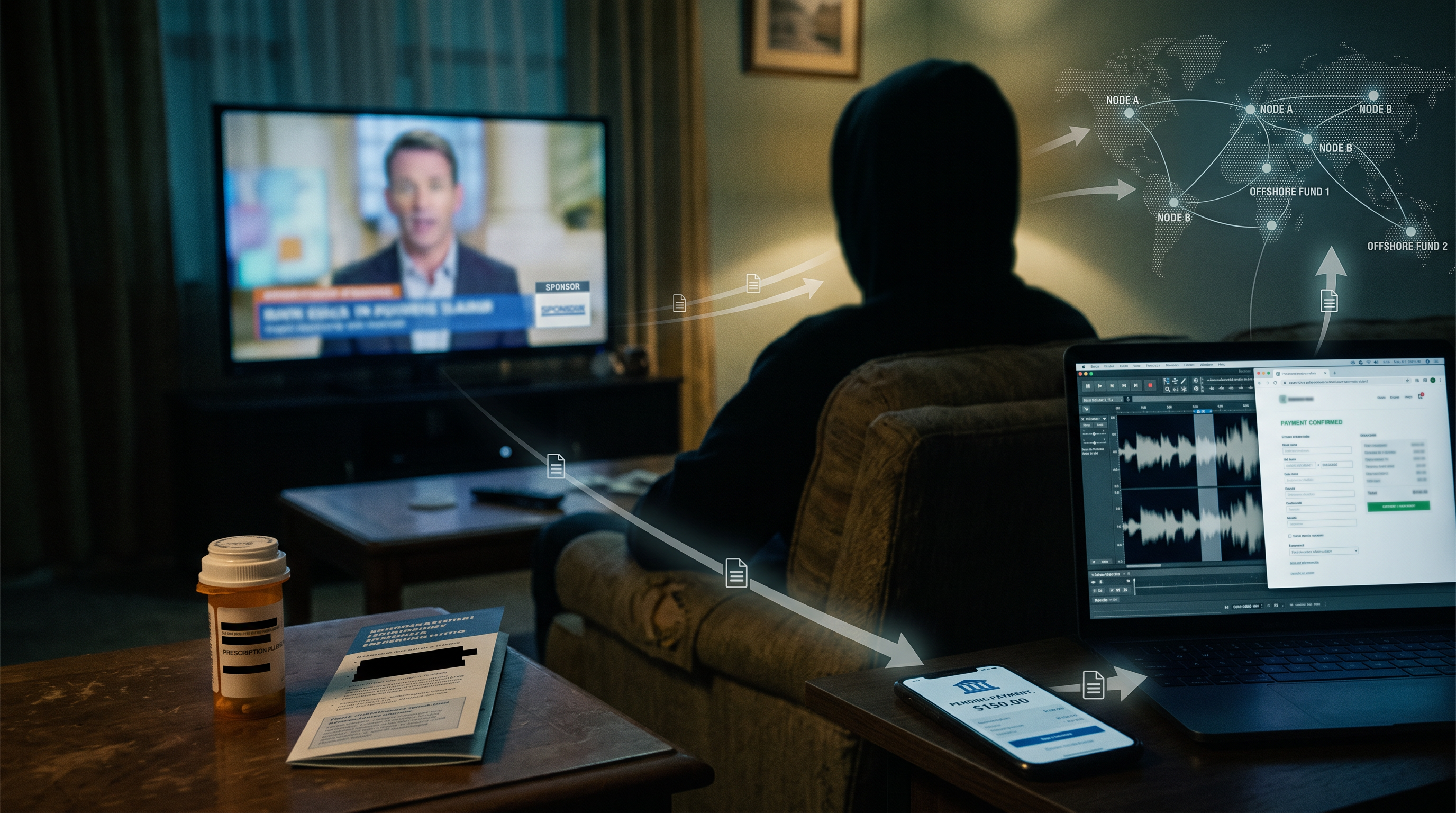
There is also a growing use of AI-generated content in these schemes. Scammers are now using AI tools to create more convincing messages, fake audio clips, and even deepfake videos that appear to show celebrities speaking directly to fans. This technology is making it harder than ever to tell what is real.
How to Protect Yourself from Instagram Impersonation Scams
The good news is that these scams, as sophisticated as they seem, have clear warning signs and there are concrete steps you can take right now to protect yourself.
Verify Before You Engage
- Check for a blue verification badge on the account. While not foolproof, it is a starting point.
- Look closely at the username for subtle misspellings or extra characters like underscores or dots.
- Cross-check the account against the celebrity’s official website or other verified platforms.
- Do a reverse image search on the profile picture to see if it has been stolen from elsewhere.
Recognize the Red Flags in Real Time
- Any unsolicited DM offering prizes, exclusive access, or money is suspicious by default.
- Requests to move the conversation to another platform are a major warning sign.
- Urgency and secrecy requests are classic manipulation tactics. Legitimate opportunities do not pressure you to act immediately or stay quiet.
- Any request for payment, no matter how small, should trigger immediate skepticism.
What to Do If You Have Already Been Targeted
- Do not send any more money or information.
- Screenshot the fake profile and all messages as evidence.
- Report the account directly to Instagram using the in-app reporting tool.
- If you transferred money, contact your bank immediately to attempt a reversal.
- File a formal report with your local cybercrime unit or police department.
The Bigger Picture: Celebrity Impersonation Is a Growing Crisis
The R Madhavan incident is not an isolated case. It is part of a massive, global surge in celebrity impersonation scams that have been escalating for years. Bollywood stars, Hollywood actors, athletes, and YouTube creators have all had their identities stolen and weaponized against their own fans. Platforms like Instagram and Facebook have struggled to keep up with the sheer volume of fake accounts being created daily.
What makes this particularly dangerous is the speed at which these scams scale. A single fake account can target hundreds or even thousands of fans in a matter of days. And with AI tools now being used to craft more convincing messages and even fake media, the barrier to running these schemes has dropped significantly. Protecting yourself requires staying informed, staying skeptical, and taking action the moment something feels off.
Conclusion: Stay Alert, Stay Safe
R Madhavan did his fans a real service by calling out this fake account publicly and quickly. But the responsibility does not stop with celebrities. Every fan and social media user needs to build a healthy habit of verifying accounts before engaging, especially when an interaction involves money or personal information. Share this article with someone in your life who is an active fan of any public figure. You might just save them from a very costly mistake.
If you or someone you know has been targeted by a celebrity impersonation scam, report it to your local cybercrime authority and to the platform where it occurred. The more reports these platforms receive, the faster these accounts get taken down.
Frequently Asked Questions
What did R Madhavan expose on Instagram?
R Madhavan shared a screenshot on his official social media on March 14, 2025, exposing a fake Instagram account that was impersonating him or his management team. The account was messaging fans with offers of exclusive access and was pushing for off-platform contact and payments.
How can I tell if an Instagram account is a celebrity impersonator?
Look for a verified blue badge, check the username carefully for misspellings or added characters, cross-reference the account with the celebrity’s official website, and do a reverse image search on the profile picture. Any unsolicited DM with an urgent offer is a strong warning sign.
What should I do if a fake celebrity account contacted me on Instagram?
Stop all communication immediately, take screenshots of the account and messages, report the fake account to Instagram using the in-app reporting tool, and if you sent any money, contact your bank right away. You should also file a report with your local cybercrime or police authority.
Are celebrity impersonation scams common in India?
Yes, celebrity impersonation scams are widespread across India and globally. Bollywood actors, cricketers, and other public figures are frequently targeted. These scams tend to spike during promotional events, movie releases, and major media moments when fan engagement is at its highest.
Can AI be used in celebrity impersonation scams?
Yes. Scammers are increasingly using AI tools to generate convincing messages, create fake audio clips, and even produce deepfake videos that appear to show celebrities speaking to fans. This makes it harder to spot fraud, which is why verifying through official channels is more important than ever.