A wave of AI-generated deepfake advertisements using the likeness of Oprah Winfrey is spreading rapidly across social media platforms, luring fans into fake weight-loss product giveaways and subscription traps. Security researchers and consumer protection outlets have flagged a sharp rise in these campaigns, warning that the technology behind them is now cheap enough for almost any fraudster to deploy. Victims who click through these ads risk losing money, exposing their payment card data, and being enrolled in recurring billing schemes they never agreed to.
How the Oprah Winfrey Deepfake Scam Works
According to researchers at Bitdefender, attackers generate or lightly edit existing celebrity footage and clone audio using widely available generative AI tools. The result is a convincing video clip that appears to show Oprah Winfrey endorsing a weight-loss product, complete with cloned vocal patterns and realistic lip sync. The production quality is often high enough to fool viewers on a small mobile screen during a casual scroll.
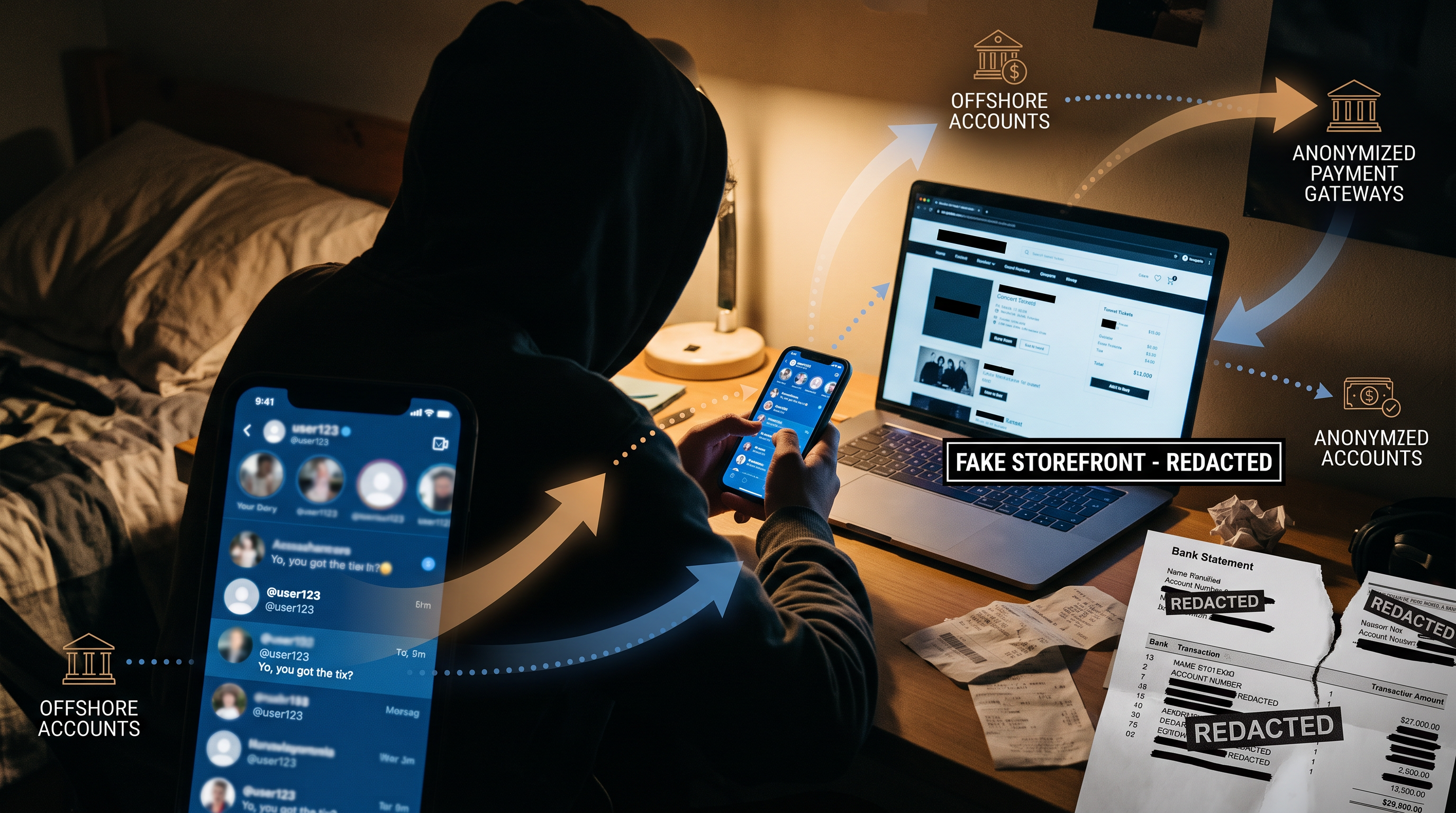
Once the deepfake video is ready, the scammers amplify it through paid social ads and boosted posts on platforms including Facebook and Instagram. Comment farming and influencer-style accounts are used to add a layer of social proof, making the offer appear legitimate. Users who engage with the ad are funneled to a counterfeit storefront or spoofed press page designed to mimic a credible news outlet or official brand site.
On that landing page, victims are told they have won a free product and only need to pay a small shipping fee. Entering payment details triggers one of several outcomes: a recurring subscription charge, outright card data theft, or a fake order dashboard showing a shipment that never arrives. Some campaigns push victims toward gift card payments or cryptocurrency transfers, both of which are essentially untraceable.
Why Celebrity Deepfake Fraud Is Exploding Right Now
The economics of deepfake fraud have shifted dramatically in the past two years. Generative AI tools that once required significant computing power and expertise are now accessible to anyone with a modest budget and a laptop. As reported by Security Brief, this accessibility, combined with the reach of paid social advertising, makes large-scale celebrity impersonation fraud both cheap and scalable.
High-profile figures like Oprah Winfrey are attractive targets for several reasons. Their faces and voices are widely recognized, their perceived authority in wellness and lifestyle topics makes product endorsements believable, and there is an enormous volume of publicly available footage to use as source material. Platforms do remove many flagged instances, but replacement ads appear rapidly, often within hours of a takedown.
Regulators are responding, though critics say the pace is too slow. There is growing pressure on platforms to require synthetic media labeling, strengthen ad verification processes, and tighten payment onramps to stop fraudulent merchants from processing transactions in the first place.
Red Flags That Signal a Deepfake Celebrity Scam
Knowing what to look for can stop a scam before it causes financial harm. Common warning signs include:
- An unsolicited ad announcing that you have won a free product from a celebrity
- Subtle visual glitches around the mouth, eyes, or hairline in video content
- Audio that sounds slightly robotic or inconsistent with the celebrity’s known speech patterns
- A landing page URL that does not match the official website of the celebrity or brand
- A request to pay a shipping fee via gift card, cryptocurrency, or wire transfer
- Fake press logos or fabricated news headlines used to build credibility
- Comment sections flooded with suspiciously enthusiastic testimonials posted within a short window
The Real Cost to Victims
Financial losses from deepfake scams are not trivial. Victims report losing anywhere from the initial shipping fee of ten to thirty dollars all the way to thousands of dollars in unauthorized subscription charges that appear only after the card is compromised. In more aggressive campaigns, scammers use harvested card details for follow-on fraud well beyond the original transaction.
The emotional toll is also significant. Many victims feel embarrassed and blame themselves for trusting what appeared to be a credible celebrity recommendation. That shame can delay reporting, which in turn gives fraudsters more time to victimize others. Consumer advocates stress that these scams are engineered by sophisticated actors and that falling for them is not a reflection of a victim’s intelligence.
What You Should Do If You Encounter This Scam
If you see a suspicious ad featuring Oprah Winfrey or any other celebrity promoting a giveaway or health product, take the following steps immediately:
- Do not click the ad or enter any personal or payment information.
- Verify any offer directly through the celebrity’s official verified social media accounts or official website.
- Report the ad to the platform using the built-in reporting tools.
- If you already entered payment details, contact your card issuer immediately to dispute the charge and request a new card number.
- Preserve screenshots of the ad, the landing page, and any confirmation emails as evidence.
- File a report with the FTC at reportfraud.ftc.gov and the FBI Internet Crime Complaint Center at ic3.gov.
Using a virtual card number for any online purchase adds an extra layer of protection. Virtual cards can be locked or deleted after a single transaction, preventing recurring charges from fraudulent merchants.
How to Stay Protected Against Deepfake Fraud Long-Term
Staying ahead of deepfake scams requires building a habit of healthy skepticism toward any unsolicited offer, no matter how convincing the spokesperson looks or sounds. Checking a platform like UseBlacklist.com can help you identify known scam domains and fraudulent storefronts before you engage with them. Browser extensions that flag suspicious URLs and ad blockers that filter low-quality ad networks also reduce exposure significantly.
For parents and older relatives who may be less familiar with synthetic media, sharing information about these scams proactively is one of the most effective protective measures available. Fraudsters disproportionately target people who have high trust in celebrity figures and limited familiarity with AI-generated content.
Conclusion
The Oprah Winfrey deepfake scam is not an isolated incident. It is part of a broader, accelerating trend in which AI tools are being weaponized to impersonate trusted public figures at scale. The best defense is awareness: know the red flags, verify before you pay, and report what you see. Sharing this information with your network could protect someone you know from a costly and stressful ordeal.
Frequently Asked Questions
What is the Oprah Winfrey deepfake scam?
It is a fraud campaign in which scammers use AI-generated video and cloned audio to create fake advertisements that appear to show Oprah Winfrey endorsing weight-loss products. Victims are directed to counterfeit storefronts where they are charged fees or enrolled in subscription traps.
How can I tell if a celebrity endorsement video is a deepfake?
Look for visual inconsistencies around the face, unnatural blinking or lip sync, slightly robotic audio, and a landing page URL that does not match the celebrity’s official website. When in doubt, search for the offer directly through the celebrity’s verified social media accounts.
What should I do if I already paid money to a deepfake scam?
Contact your bank or card issuer immediately to dispute the charge and request a replacement card. File complaints with the FTC at reportfraud.ftc.gov and the FBI IC3 at ic3.gov. Keep all screenshots and transaction records as supporting documentation.
Why do scammers target celebrities like Oprah Winfrey?
High-profile celebrities have enormous name recognition, authoritative voices in specific niches such as health and wellness, and large amounts of publicly available footage that can be used as training material for AI voice and video cloning tools.
Are social media platforms doing anything to stop deepfake scam ads?
Platforms do remove flagged deepfake ads, but replacement campaigns appear rapidly. Regulators and advocacy groups are pushing for stronger synthetic media labeling requirements and tighter ad verification standards to address the problem more systematically.